Leather Shoe Dry Cleaning Almaty
Professional leather shoe dry cleaning in Almaty. We remove stains, restore color.…
on requestWe'll restore your shoes to perfect condition: dry cleaning of sneakers, heels, boots, and any other footwear in Almaty.
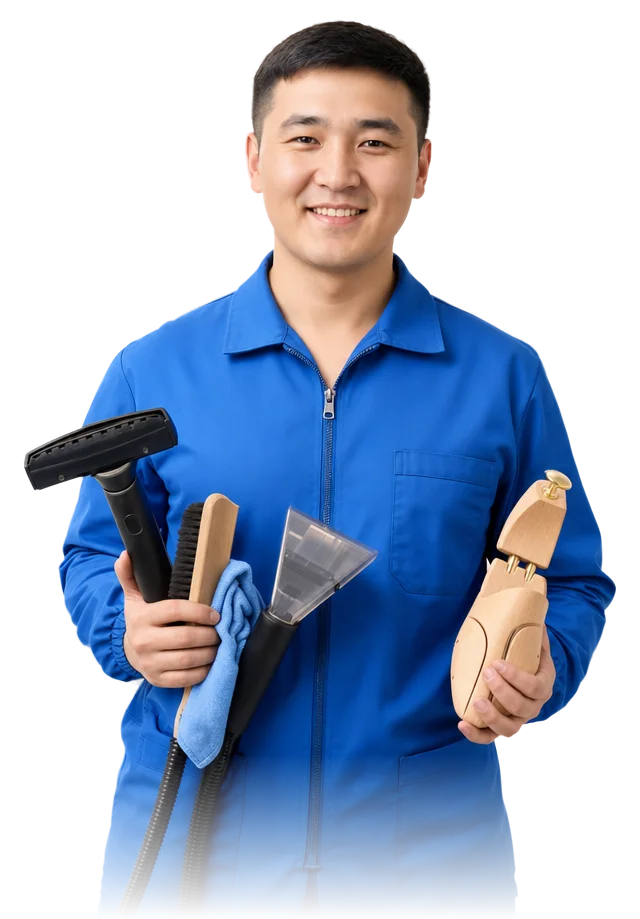
Professional leather shoe dry cleaning in Almaty. We remove stains, restore color.…
on requestProfessional steam shoe cleaning in Almaty from profi-clean. Gentle stain removal, disinfection,…
on requestProfessional suede shoe dry cleaning in Almaty. We restore color and softness.…
on requestRestore UGG freshness and whiteness! Professional dry cleaning in Almaty by profi-clean.…
on requestFrom inspection to result with guarantee
Visual inspection of shoes, determination of material (leather, suede, nubuck, textile) and type of dirt. A cleaning plan is created.
Remove dust and dry dirt with a soft brush. For suede and nubuck, we use special rubber brushes.
Depending on the material, foam (for textiles), gel (for leather), or spray (for suede) is applied. Products: Saphir and Collonil.
Remove stains with a soft brush or sponge. For stubborn dirt, we apply spot treatment.
Karcher steam cleaner disinfects shoes, removes odors, and softens residual dirt. Safe for all materials.
Remove remaining cleaning product with a damp cloth. For textiles, light rinsing with water is possible.
Shoes are dried on shoe trees at room temperature. This preserves shape and prevents deformation.
Application of leather conditioner, suede impregnation, or water-repellent spray. Polishing to a shine.
We use premium brands Saphir, Collonil, and Tarrago. These products provide deep cleaning without damaging the material, preserving color and structure. Each formula is selected individually for the type of leather, suede, or textile.
The Karcher steam cleaner with steam temperature up to 140°C allows disinfecting shoes without harsh chemicals. Steam kills bacteria and fungus, removes odors, and softens old dirt.
We clean leather, suede, nubuck, textiles, and membrane (Gore-Tex). Each material uses its own technology and products to avoid damaging the fabric or coating.
We use shoe trees for drying to prevent deformation. Saphir dyes and conditioners restore color saturation, and water-repellent impregnation protects against re-soiling.
Before cleaning, the master inspects the shoes, determines the type of dirt and material, and selects the optimal method. You receive a consultation and exact cost with no obligation.
When ordering dry cleaning for 3 or more pairs of shoes, a 10% discount applies to the total amount. This is beneficial for families or seasonal wardrobe updates.
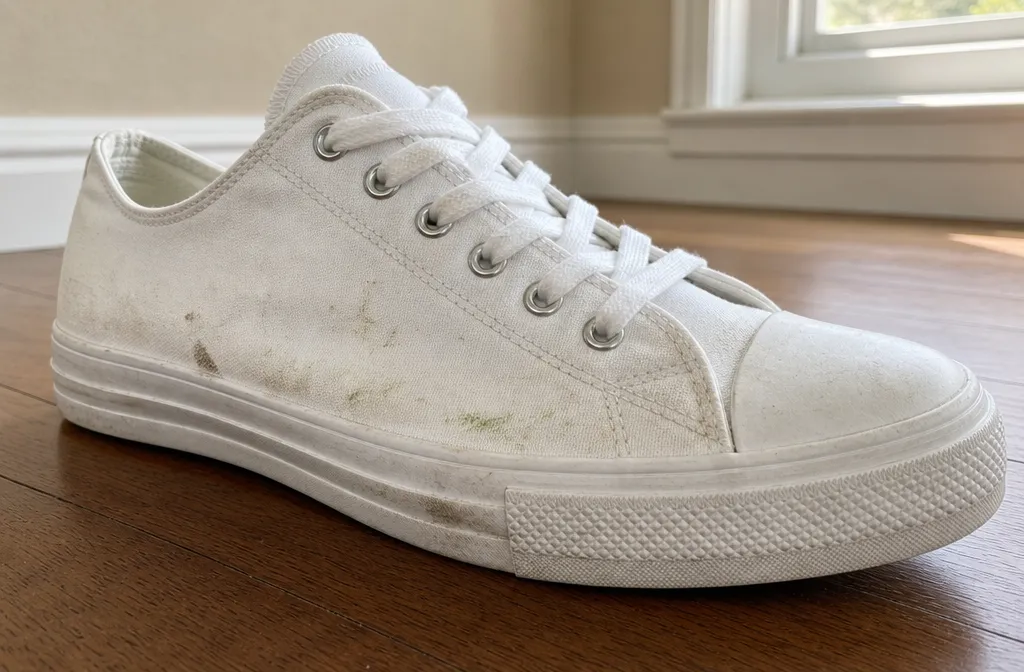
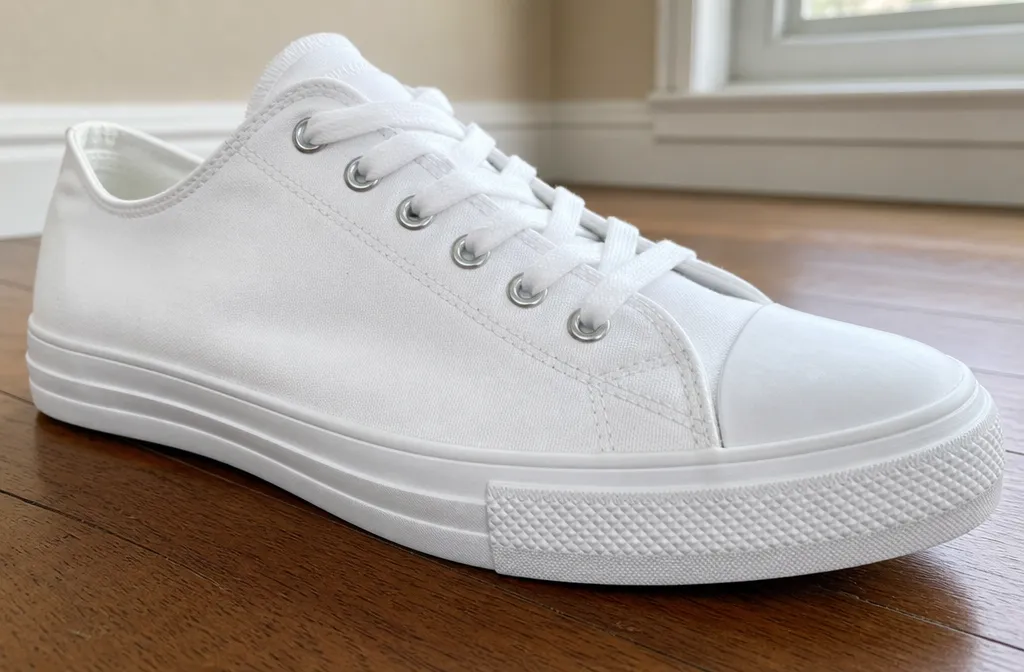 After
After
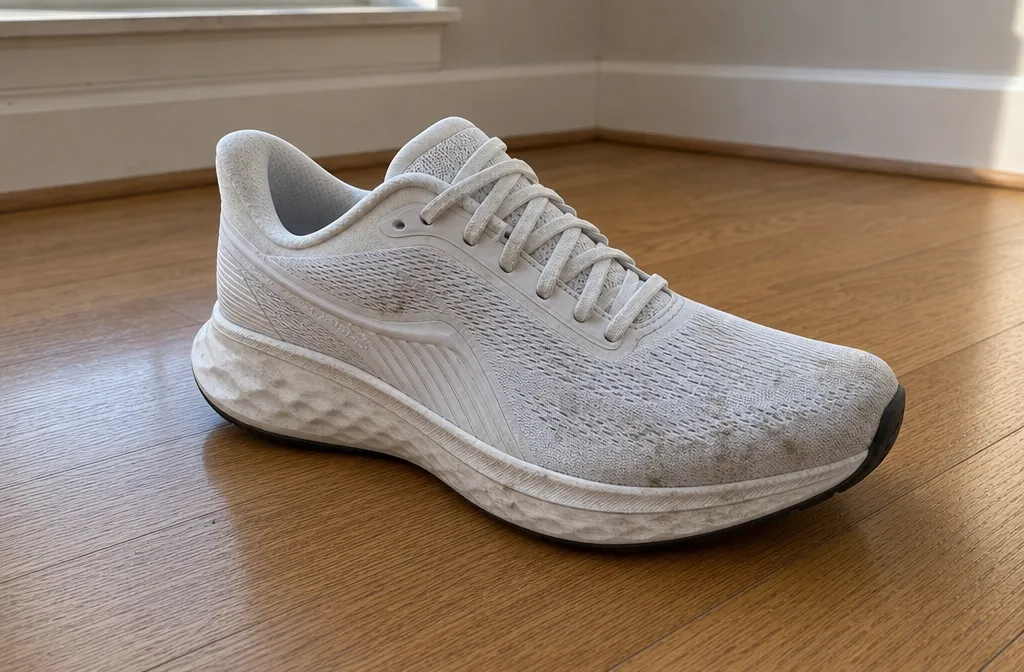
Request: Need to remove stubborn stains and restore whiteness to white sneakers.
Done: Deep dry cleaning performed with stain removal and fabric color restoration.
Cost: 2 500 ₸
Master: Aigerim Nurlanova, dry cleaning master
Total: Sneakers completely cleaned, whiteness restored, no traces of dirt.
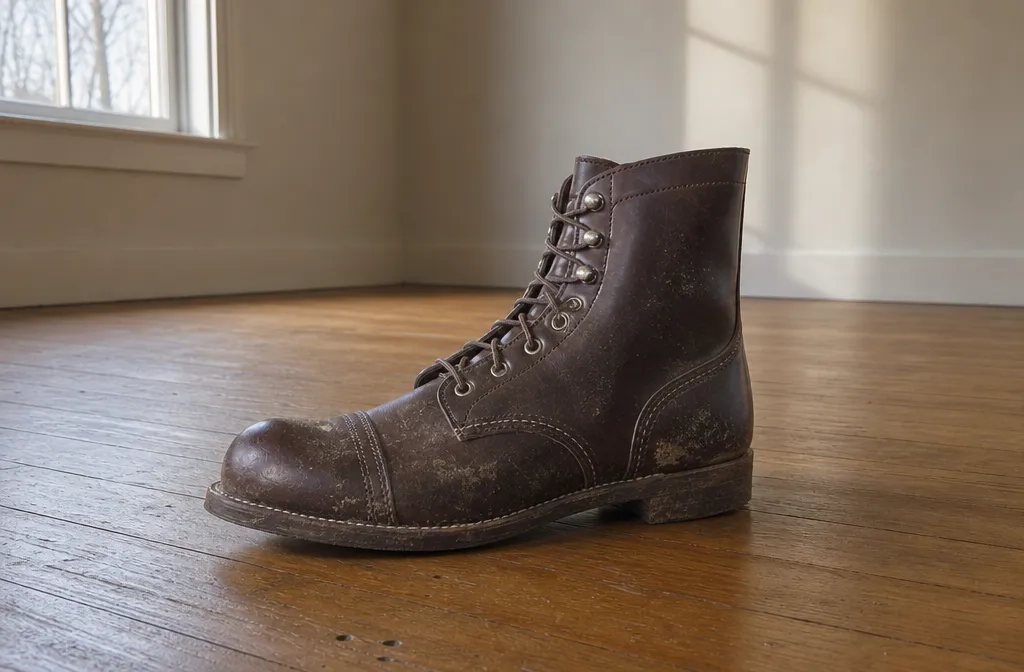
 After
After
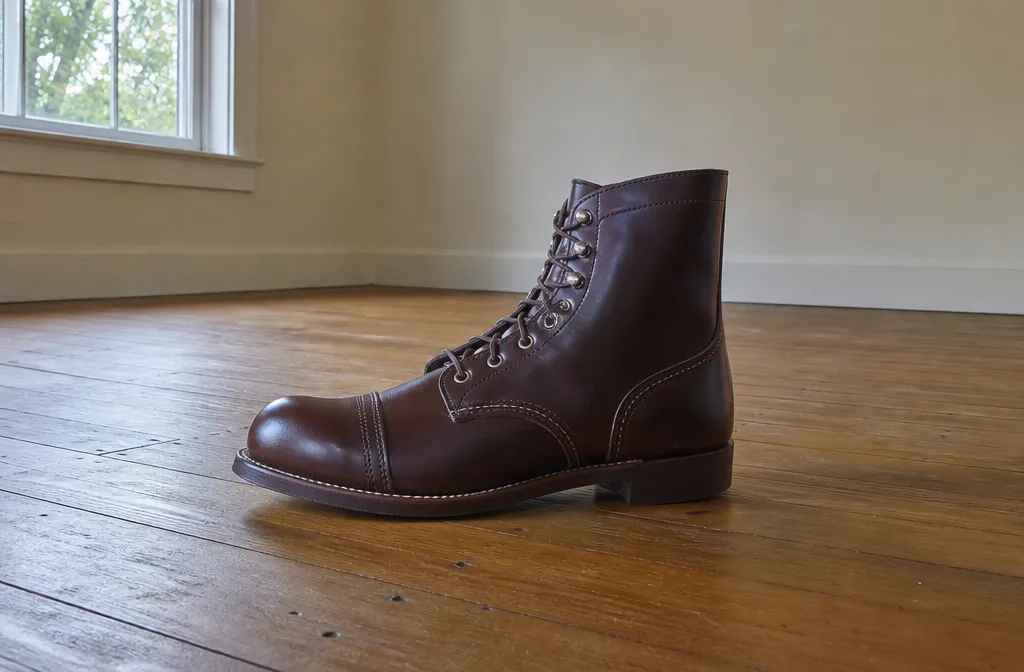
Request: Need to clean leather boots from dirt and restore shine.
Done: Deep leather cleaning performed with conditioning and polishing.
Cost: 3 000 ₸
Master: Timur Zhaksybekov, dry cleaning master
Total: Boots shine with cleanliness, leather soft and moisturized, no defects.
 After
After
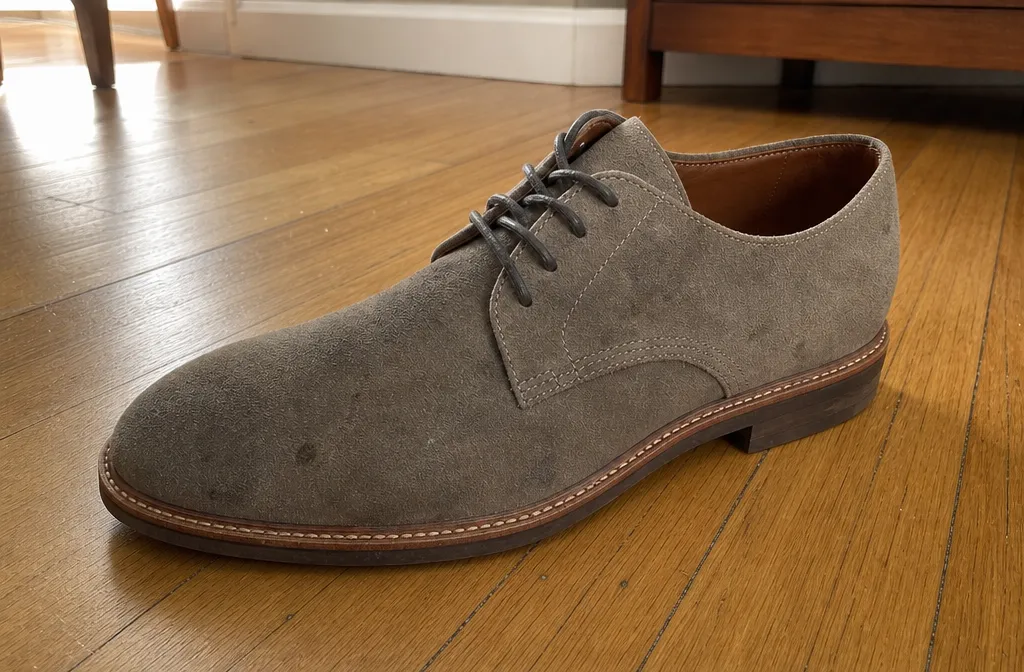
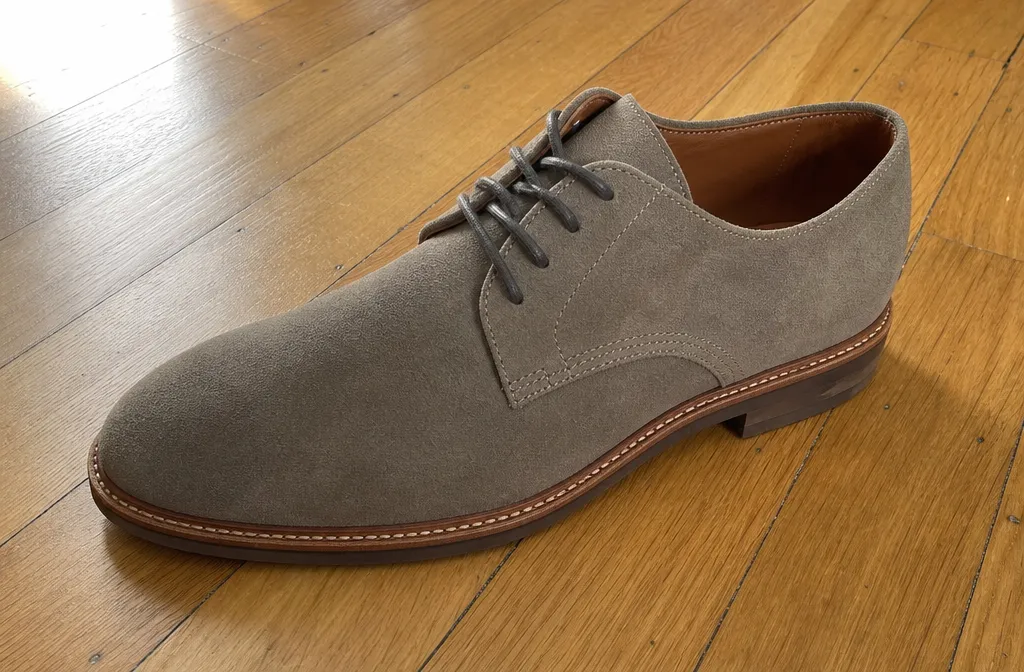
Request: Need to clean suede shoes from grease stains and dust.
Done: Gentle dry cleaning of suede performed with nap restoration.
Cost: 2 800 ₸
Master: Aliya Sagintayeva, dry cleaning master
Total: Shoes look like new, suede soft and uniform in color.
 After
After
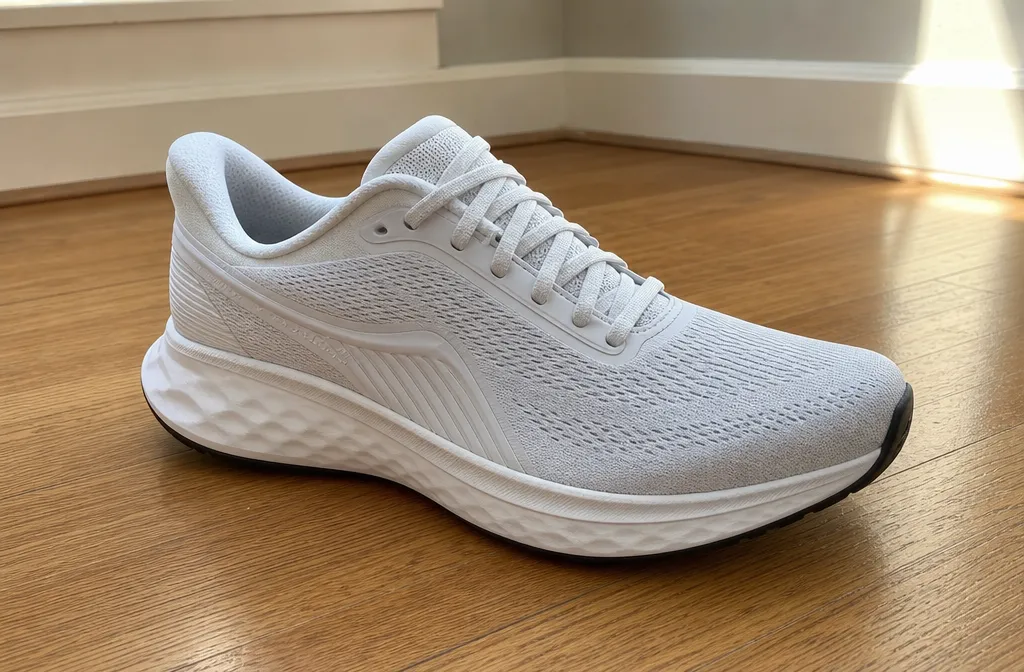
Request: Need to clean sneakers from dirt and odor after workouts.
Done: Deep cleaning performed with deodorization and removal of ingrained dirt.
Cost: 2 500 ₸
Master: Daniyar Yermekov, dry cleaning master
Total: Sneakers fresh, clean, no odor or signs of wear.
 After
After
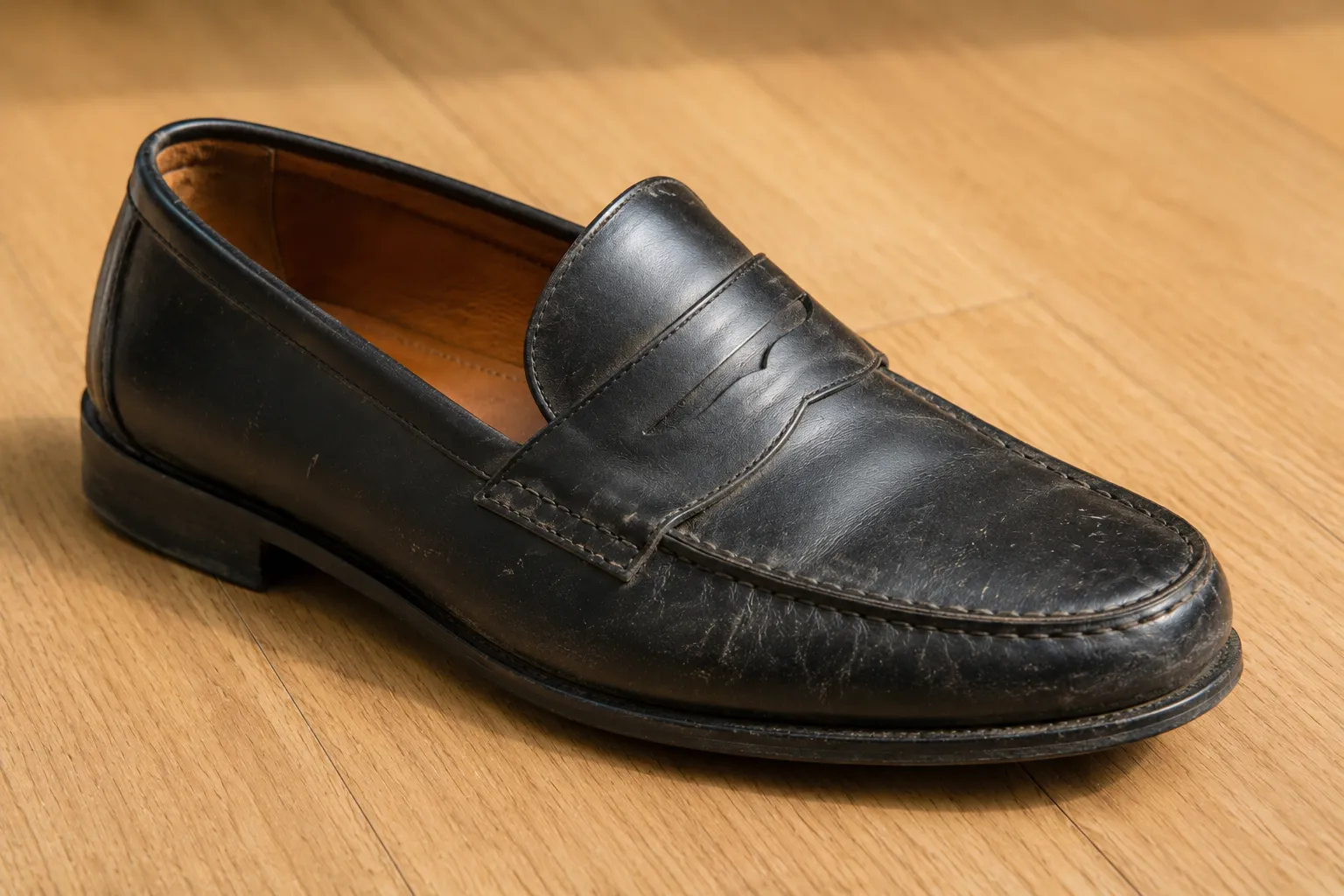
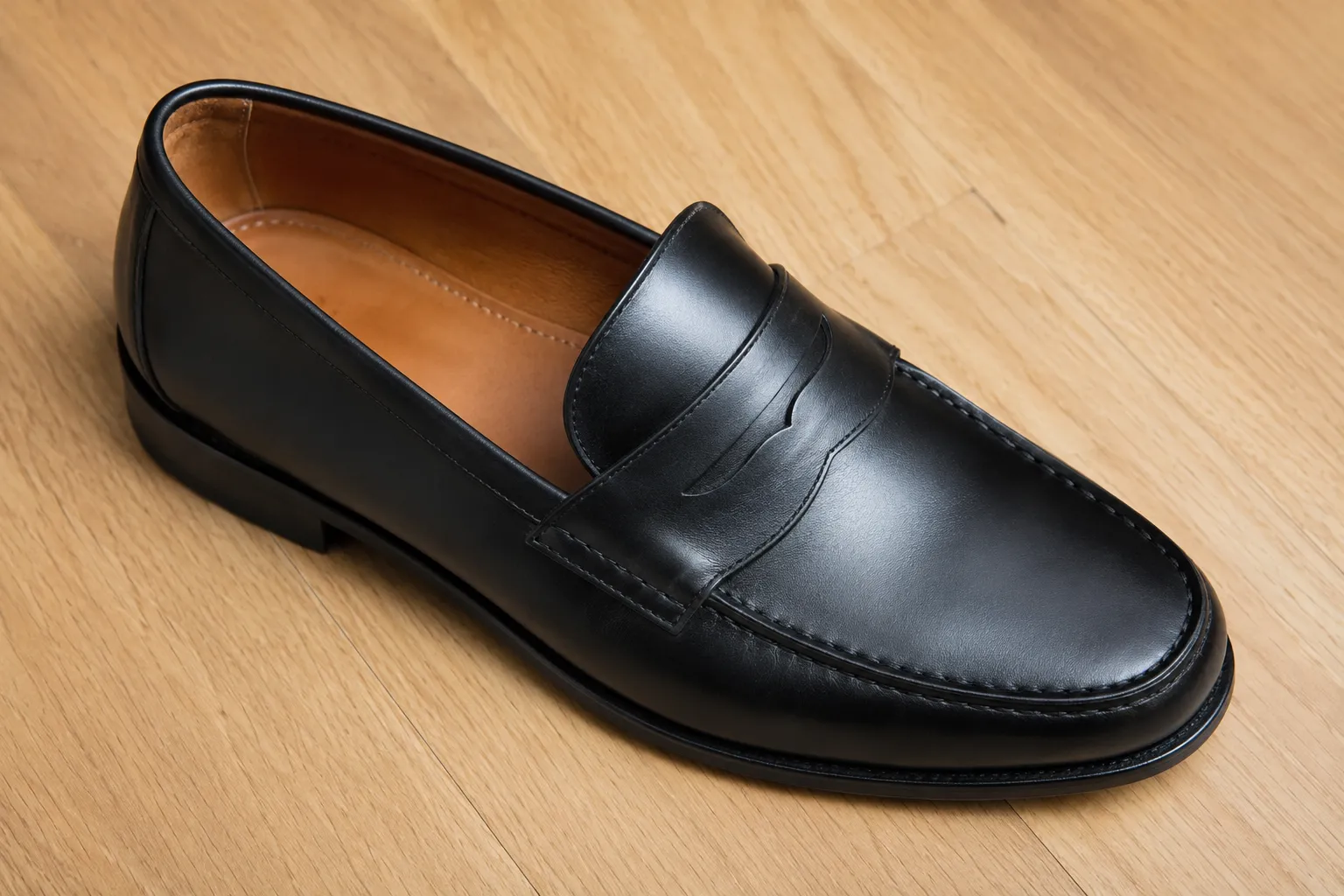
Request: Need to remove scuffs and restore shine to black leather.
Done: Deep cleaning performed with polishing and application of protective cream.
Cost: 2 800 ₸
Master: Aigerim Nurlanova, dry cleaning master
Total: Loafers shine, leather elastic, no scratches or scuffs.
 After
After
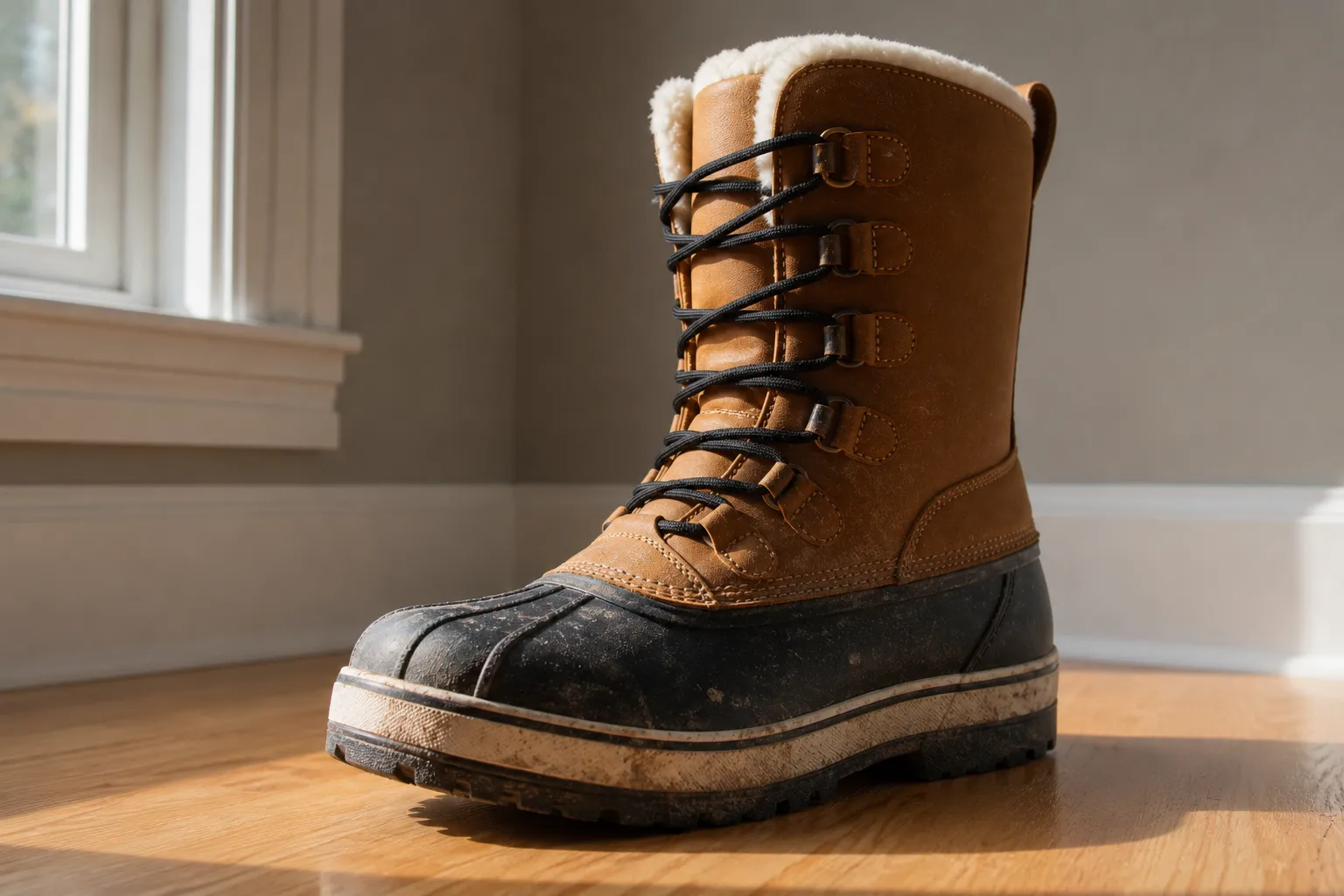
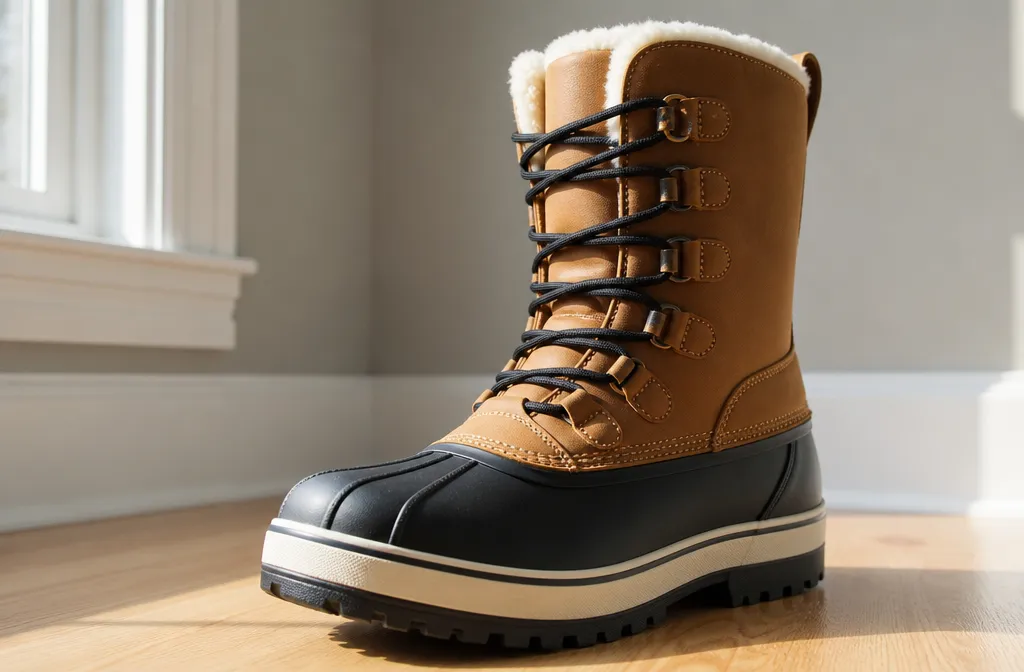
Request: Need to clean winter boots from salt, chemicals, and dirt.
Done: Deep cleaning performed with salt removal and restoration of water-repellent properties.
Cost: 3 000 ₸
Master: Timur Zhaksybekov, dry cleaning master
Total: Boots are clean, without streaks, protected from moisture and dirt.
 After
After
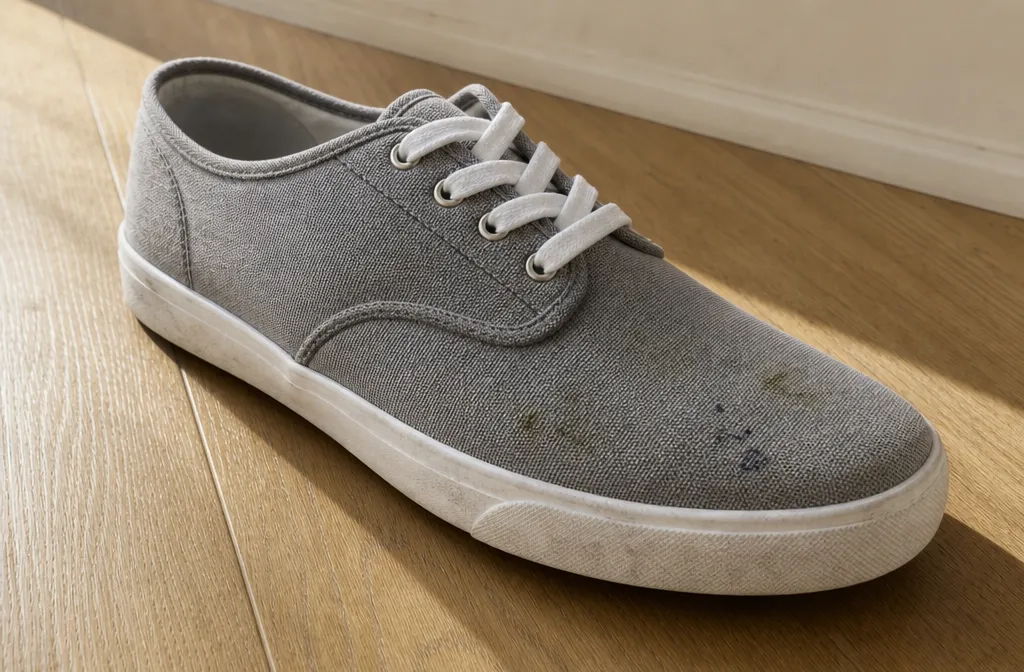
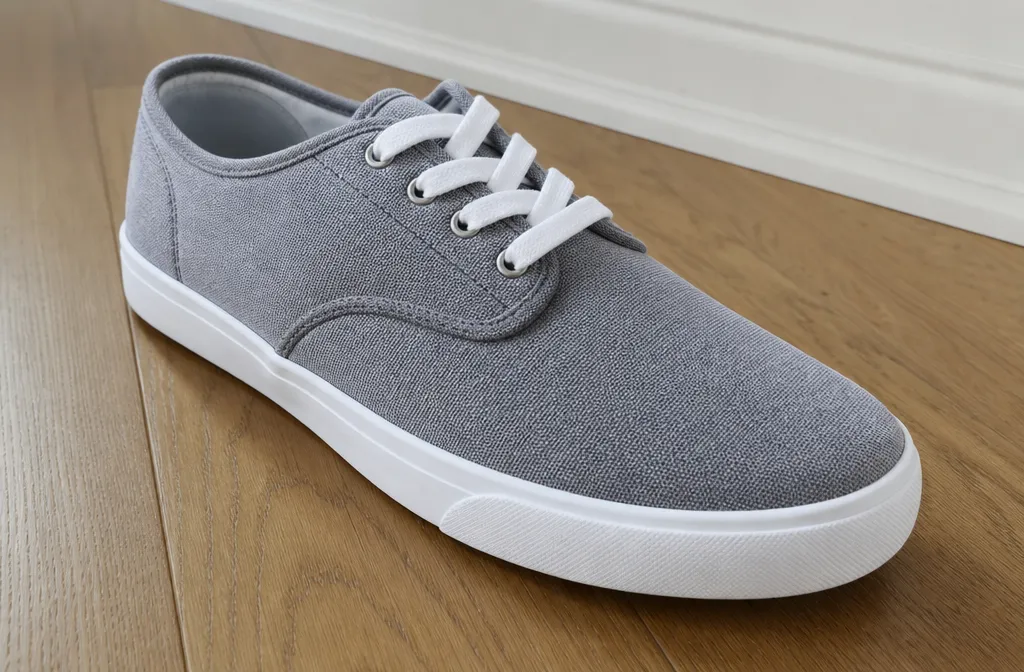
Request: Need to clean fabric sneakers from stains and restore color brightness.
Done: Deep dry cleaning of fabric performed with stain removal and color refresh.
Cost: 2 500 ₸
Master: Aliya Sagintayeva, dry cleaning master
Total: Sneakers are bright, clean, without stains or odor.
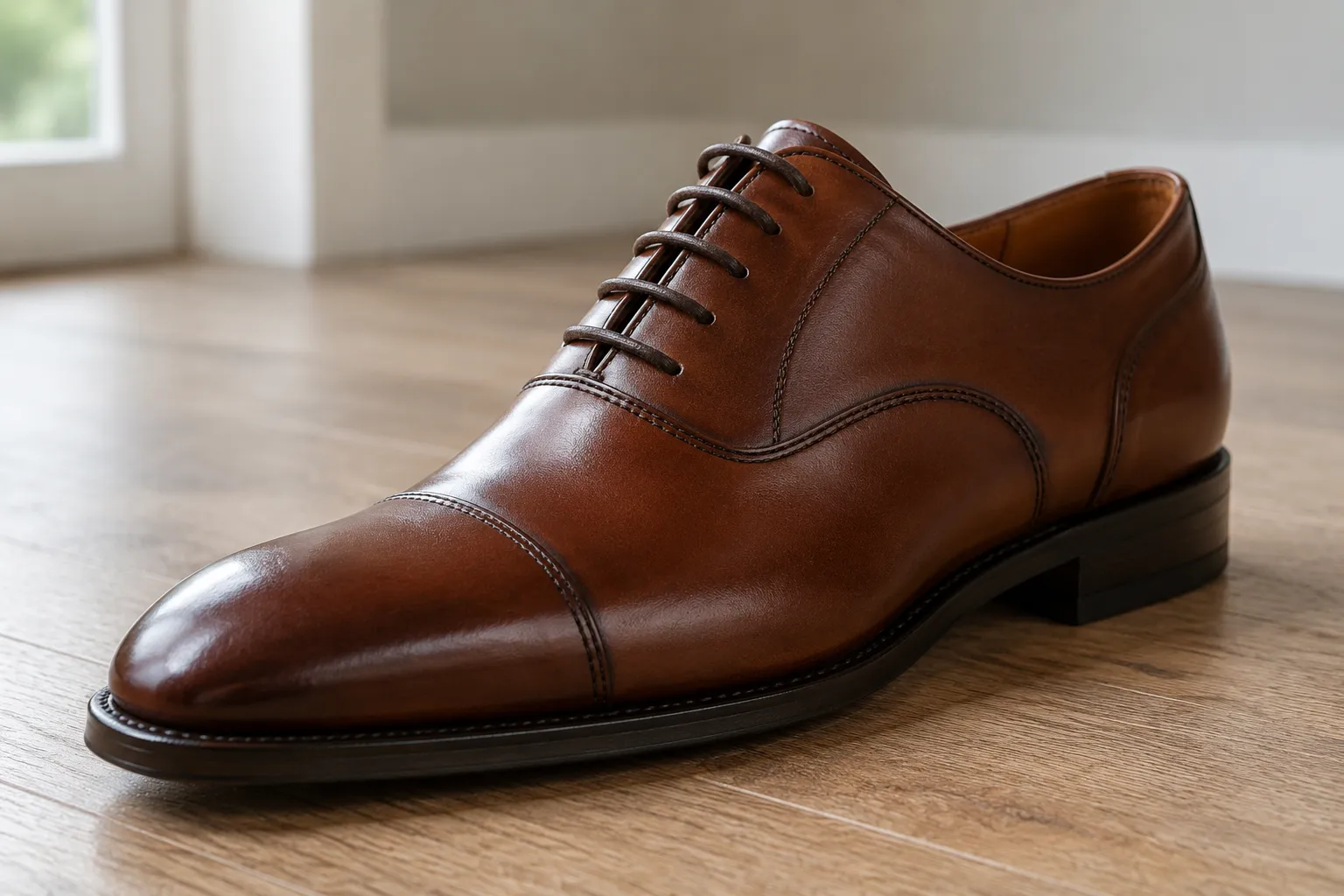 After
After
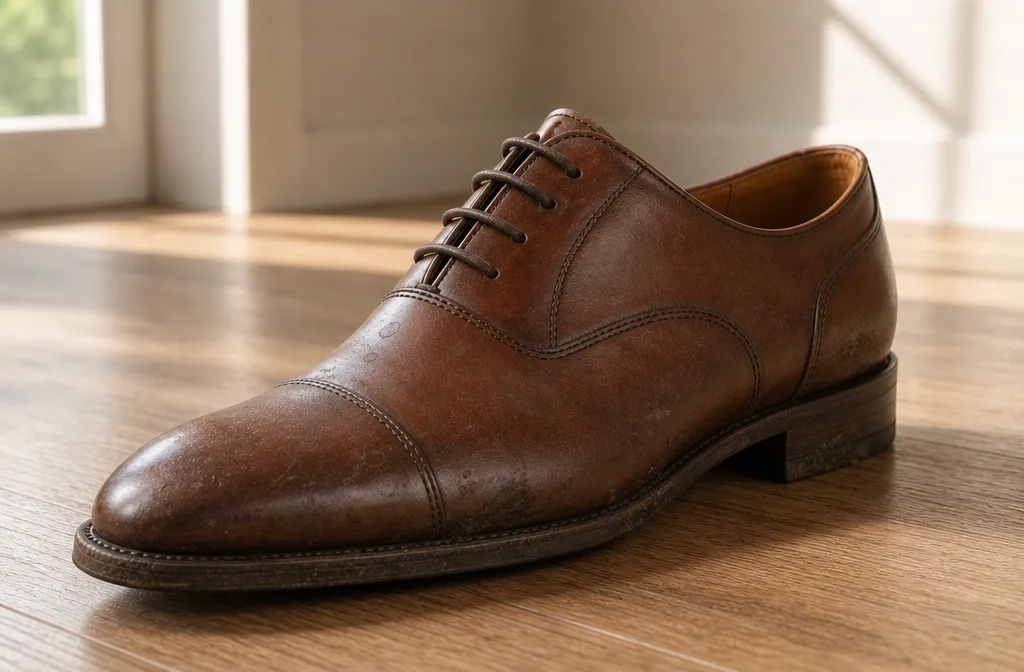
Request: Need to clean brown shoes from dirt and restore color.
Done: Deep leather cleaning performed with tinting and polishing.
Cost: 2 800 ₸
Master: Daniyar Yermekov, dry cleaning master
Total: Shoes have acquired a rich color, leather is smooth and shiny.
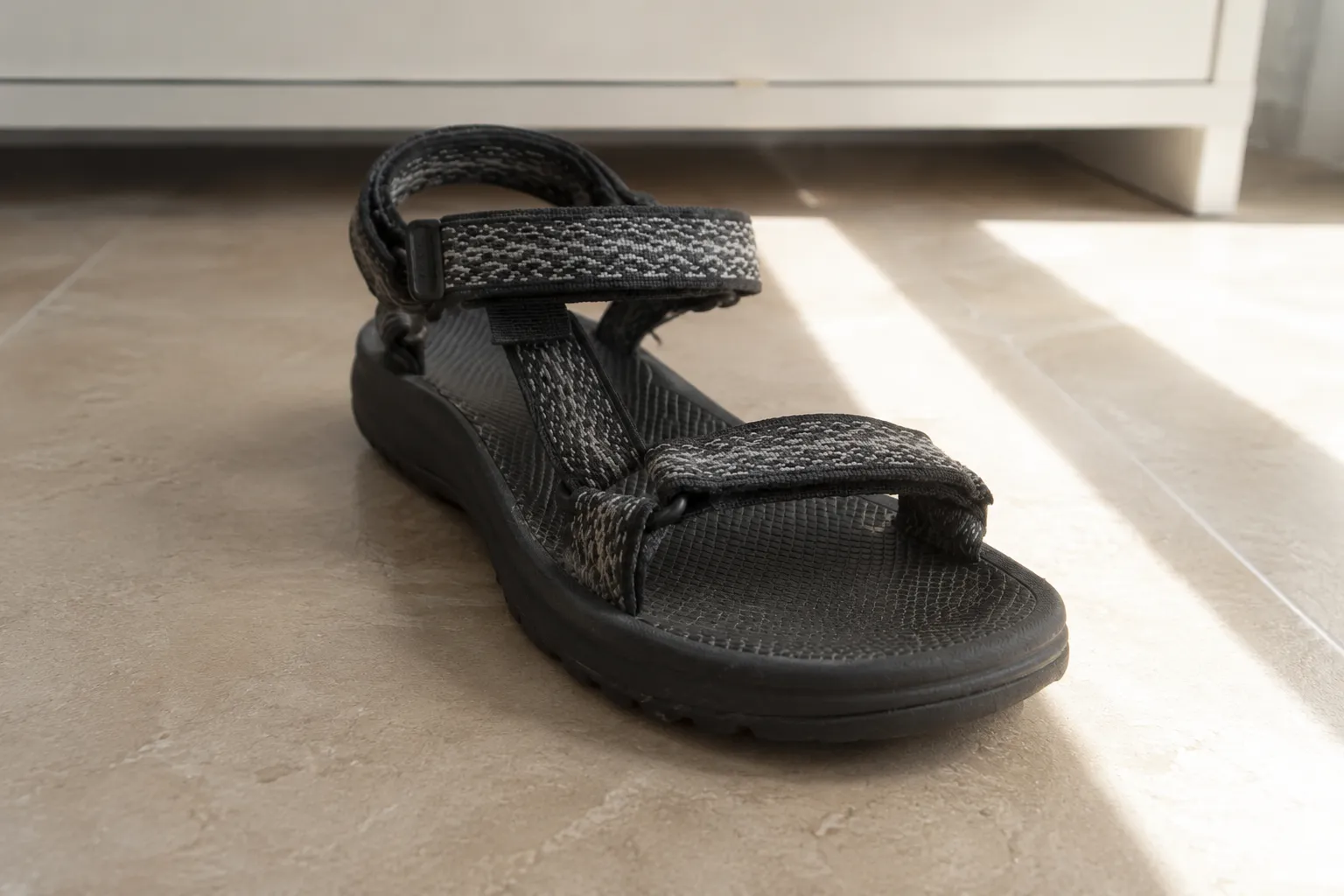
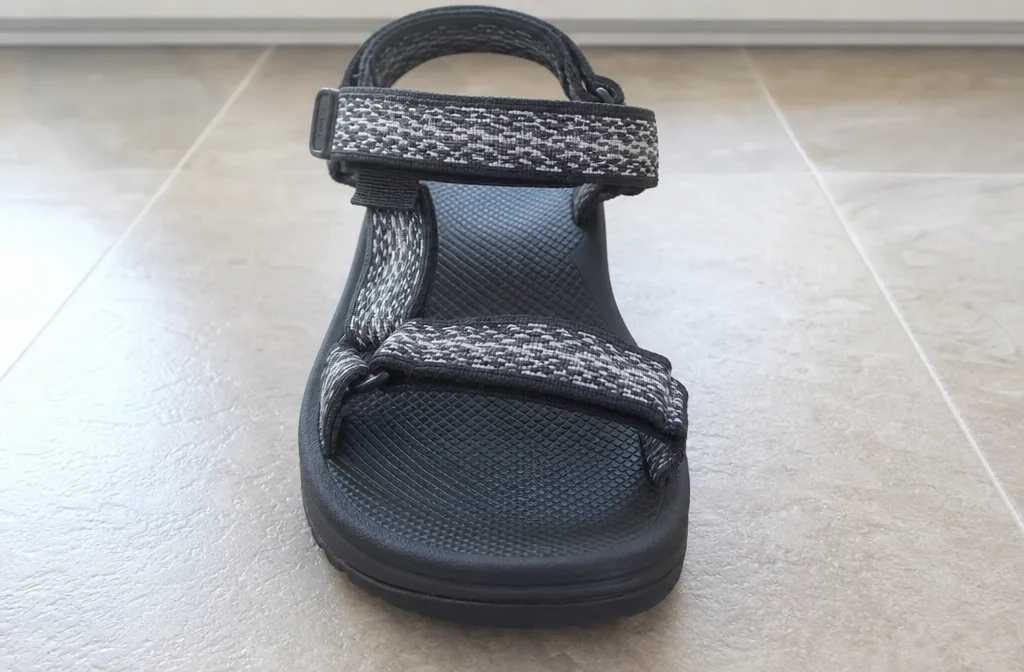 After
After
Request: Need to clean sandals from dust and wear marks.
Done: Leather and textile cleaning performed with dirt removal and deodorization.
Cost: 2 000 ₸
Master: Aigerim Nurlanova, dry cleaning master
Total: Sandals are clean, fresh, without odor or signs of wear.
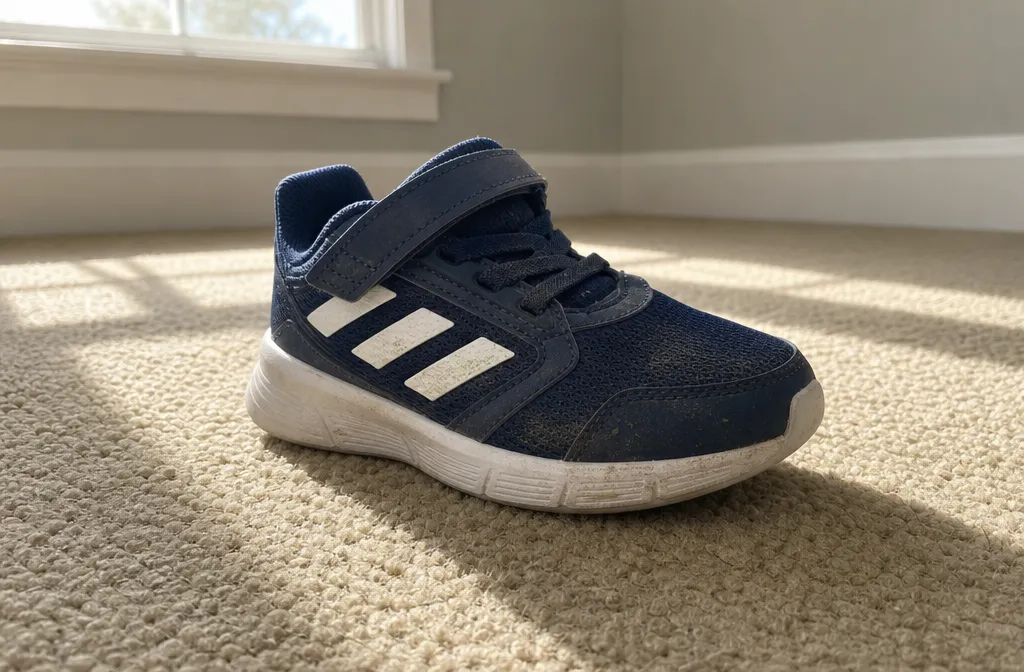
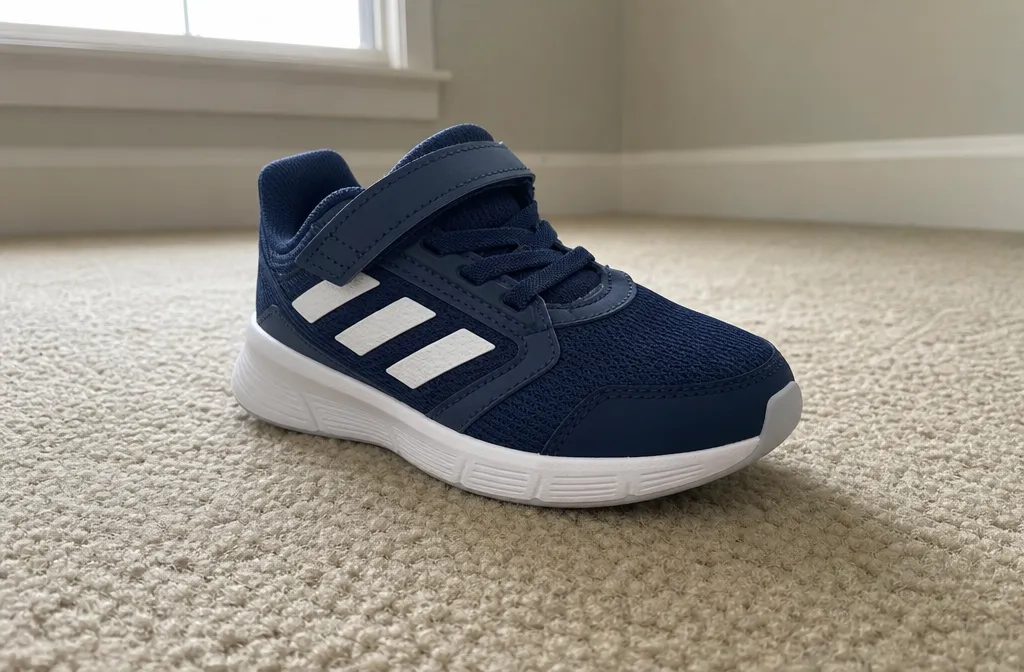 After
After
Request: Need to clean kids sneakers from tough stains and dirt.
Done: Deep dry cleaning performed with stain removal and deodorization.
Cost: 2 500 ₸
Master: Aliya Sagintayeva, dry cleaning master
Total: Sneakers are like new, bright, without stains or odor.
All cleaners are profi-clean staff with training, uniform and security check. Each order has a team leader who controls quality.
Many Almaty residents try to wash sneakers or boots in a washing machine or basin — and end up with a detached sole, faded upper, and soaked cardboard. Let’s break down exactly which processes in home washing destroy shoes and why professional shoe cleaning is not a whim, but a necessity for preserving your pair.
When soaked in water, leather and nubuck lose their natural oils — tanning agents are washed out, the surface becomes stiff and cracks after drying. Textile sneakers (nylon, polyester) absorb water into the lining and midsole — moisture remains there for 3–4 days, creating an ideal environment for mold. Regular laundry detergent with an alkaline pH (9–11) reacts with the polyurethane sole: PU molecules hydrolyze, lose elasticity, and the sole begins to crumble 2–3 months after such washing. In our practice, there was a case where a client washed Nike Air Max sneakers in a machine — a week later, the sole had detached from the upper by a third of its length. We use pH-neutral Kiehl formulations that do not react with polymers — the difference is immediately visible: the shoes do not lose their shape or become stiff.
The washing machine drum creates impact loads of up to 200 G at peak spin cycle — for shoes, this is equivalent to falling from a two-meter height 30 times per cycle. The heel counter and toe cap, reinforced with thermoplastic, break — sneakers lose heel stiffness, ballet flats “shrink” by half a size. Our cleaners treat each pair manually with soft horsehair brushes and microfiber — pressure is controlled tactilely, not by a centrifuge. Moreover, for suede and nubuck, we don’t use water at all: cleaning is done with a dry foam compound from Sodasan, which draws out dirt without wetting the base. If you notice that after washing your sneakers have become “loose” on your foot — this is not a model defect, but a destroyed frame.
After home washing, shoes are dried naturally — on a radiator, in direct sunlight, or with a hairdryer. At temperatures above 40 °C, EVA (ethylene-vinyl acetate) glue softens and loses adhesion — the sole detaches from the upper. This is especially critical for winter boots: in Almaty, the temperature difference from the street (-10 °C) to the radiator (+70 °C) creates thermal shock, and the glue bond ruptures within one season. Our profi-clean drying chambers operate at 25 °C with forced ventilation — moisture evaporates in 6–8 hours, while the glue remains elastic. In my opinion, the main mistake is putting wet sneakers on the radiator “overnight”: in the morning they are dry on the outside, but the wet insole and lining guarantee an unpleasant odor within a week.
Water and detergent only wash away surface dirt, while bacteria inside the lining and foam remain — the moist environment after washing gives them a boost to multiply. The sweat odor returns 2–3 times stronger after 3–4 days than it was before. We treat the interior surface with steam at 120 °C — this kills 99.9% of bacteria and fungus, plus we apply an antibacterial spray based on silver ions. Such heat treatment cannot be done at home: not everyone has a steam cleaner, and you can’t pour boiling water inside a sneaker — it will ruin the insole. Therefore, if the odor only intensifies after washing, it’s a signal that it’s time to take the pair for professional shoe cleaning, rather than trying to “wash it again.”
We’ve covered why home washing is dangerous — now let’s talk about how proper professional treatment gives shoes a second life. In Almaty’s conditions with sharp weather changes and reagents on the sidewalks, the lifespan of footwear directly depends on timely cleaning.
Professional dry cleaning doesn’t just remove dirt—it restores the material’s original factory properties. On suede, for example, after winter, greasy areas and salt “bald spots” form: we extract them with steam and a gentle Kiehl shampoo, then raise the nap with a special rubber brush. Smooth leather doesn’t crack after treatment—a professional conditioner restores the fat layer that thins out from de-icing reagents. On mesh sneakers without dry cleaning, the fabric loses elasticity and tears at the creases, but we restore its softness with a water-based impregnation. In my opinion, the most common mistake Almaty residents make is trying to “wipe off” suede with a damp cloth, which pushes dirt deeper and irreversibly damages the nap.
Almaty streets are heavily sprinkled with a sand-salt mixture in winter—it corrodes leather, bleaches suede, and leaves white stains on nubuck. Washing at home with water only removes the top layer, but the salt remains in the material’s pores and continues to destroy it from within. We use a salt neutralizer based on acetic acid (0.5% solution), which draws crystals out from deep within the material, and then apply a water-repellent impregnation from Sodasan. Due to sharp fluctuations in humidity and temperature (morning -10°C, afternoon +5°C), unprotected footwear absorbs moisture and deforms—its lifespan is reduced from 2-3 seasons to just one. Before the start of the rainy and snowy season, renew the impregnation—this extends the preservation of a pair for 12-18 months of active wear.
With home washing, the glue connecting the sole to the upper softens from water and detergent, and when dried on a radiator, it dries out and cracks. Professional cleaning eliminates soaking: we treat the sole with steam and a brush using minimal water, without affecting the glue seam. This is especially important for sneakers with polyurethane soles—they absorb moisture like a sponge and start to crumble after 3-4 home washing cycles. We had a case in practice: a client brought in Nike Air Force 1 sneakers that started “squelching” after three machine washes—it turned out water had gotten into the sole’s air chamber, and we dried them for 48 hours with a dehumidifier. On sports shoes with gel inserts (Asics, New Balance), moisture destroys the cushioning in 1-2 seasons—professional cleaning without soaking preserves it for the entire service life.
Regular dry cleaning every 2-3 months isn’t cosmetic—it’s prevention: it removes micro-particles of dirt that act as an abrasive and wear down the top layer of the material. On light-colored leather (white sneakers, beige shoes), dirt embeds in the pores and discolors areas—if cleaned once a month, the pigment remains even for 2-3 years longer. On dark suede, dust and sand matte the nap, making the shoes look “gray”; timely cleaning restores color saturation without dyeing. After treatment, we apply a protective spray that repels water and dirt—in Almaty’s slush, this reduces the frequency of soiling by 60-70%, and the pair only needs to be wiped with a dry cloth after a walk.
Each shoe material requires its own chemicals, temperature, and technique—a universal approach here destroys the surface. We break down how the protocols differ for leather, suede, nubuck, and textiles, and what mistakes Almaty residents make most often.
Smooth leather is the most forgiving material: it can be washed with a brush and a mildly alkaline solution, wiped with a damp cloth, and even steamed at 80–90 °C. But on Almaty streets in winter—a mix of sand, salt, and technical de-icing reagent spread on sidewalks. The salt absorbs into the pores of the leather, crystallizes, and by spring draws moisture from the fibers—the shoes become stiff, and cracks appear at the creases. This salt cannot be removed with ordinary home cleaning: it requires an acid neutralizer (pH 4–5) and subsequent conditioning with mink oil or lanolin. In my opinion, the main mistake city dwellers make is drying leather on a radiator: at 50+ °C, collagen fibers coagulate, and the shoes lose their elasticity forever. Even if we apply a protective wax cream after professional cleaning, the procedure must be repeated the next season—reagents spare no layer.
Suede and nubuck are essentially the same leather, but with a buffed nap, and water is their main enemy. Wet cleaning causes the nap to mat, forming hard bald patches, and if you scrub with a brush, the nap tears out, leaving bare spots. At profi-clean, for suede and nubuck, we only use dry foam — an aqueous surfactant solution with minimal moisture content (about 15–20%), applied with a steam generator at 100 °C. The foam envelops each fiber, draws out dirt, and excess moisture is immediately removed with a HEPA-filter vacuum. The Almaty-specific issue is fine dust from construction and smog, which gets embedded in the nap and cannot be shaken out. Without a professional vacuum with + Pa power, it cannot be removed. After drying, we raise the nap with a rubber brush and apply an aerosol water-repellent spray — without it, suede gets soaked through in Almaty rain within 10 minutes. Before purchasing suede shoes, check if the manufacturer has a factory impregnation — without it, the material degrades within one season.
Textile sneakers and canvas shoes are the most hygroscopic: they absorb sweat, street moisture, and odors like a sponge. Washing them in a machine is a guaranteed way to cause deformation: under the influence of the spin cycle, the fabric stretches, the EVA foam in the sole cracks, and the seams come apart. The professional protocol for textiles is treatment with an aqueous solution of an enzymatic stain remover (these are biological enzymes that break down protein — sweat and organic matter) at 30–40 °C, followed by moisture extraction with a vacuum. At home, enzymes cannot be activated: a strict dwell time of 15–20 minutes at pH 8–9 is required. For odors, profi-clean uses an ozonator — ozone oxidizes sweat and bacteria molecules without leaving a chemical trace. On sneakers with Gore-Tex or Sympatex membranes, we do not use solvents — they destroy the microporous film, and the shoes stop breathing. If the textile is white, avoid chlorine-based bleaches — they react with the optical brighteners in the fabric, producing a yellow tint that cannot be removed.
Professional dry cleaning restores cleanliness to your shoes, but it is your home care afterward that determines how long the results last. We have compiled rules that will preserve freshness and shape for months — without extra costs or repeat visits.
A pair that has been treated returns damp — moisture from the aqueous solutions and finishing impregnations remains inside. During this period, the shoes are most vulnerable: the material is softened, pores are open, and the structure has not yet stabilized. Do not wear them immediately — not even for a 5-minute run to the car: body weight deforms damp leather or suede, leaving creases that will not smooth out after drying. Do not place them on a radiator or heater — a sharp temperature change dries the upper layer faster than the inner one, leading to cracks in leather and loss of elasticity in nubuck. The ideal method is drying at room temperature (18–23 °C) in a ventilated area, away from direct sunlight. Do not use a hairdryer — hot air “cooks” the impregnation, rendering the protective layer ineffective. In practice, at profi-clean, we allow 24 hours for a pair to dry completely on shoe trees — this is the only way to preserve the shape.
After dry cleaning, the factory protective layer is washed off — this is normal. Our hypoallergenic chemicals and steam remove dirt along with the fatty films that kept moisture out. Therefore, the first application of a water-repellent spray is needed immediately after the pair dries. For smooth leather, one application every 4–5 times you wear them in the city is sufficient — Almaty dust and road reagents destroy the impregnation faster than in a rainy climate. For suede and nubuck, apply every 2–3 wears, especially in spring and autumn when there are puddles and slush on the Medeu descent or near TSUM. Use sprays based on fluorocarbons — they form a breathable film that does not clog pores. Due to humidity fluctuations in Almaty (dry air in winter, humid in summer), without regular impregnation, suede loses its nap within a month.
Immediately after coming indoors, place the pair in a ventilated area — the humidity inside a boot after 8 hours of wear reaches 70–80%, and without drying, fungus can develop there within 12 hours. Use cedar shoe trees — they absorb excess moisture, maintain the shape, and release a natural antiseptic that suppresses odor. Plastic shoe trees from a shoe store don’t work — they only hold the shape but don’t dry. Do not put shoes in an airtight bag or box immediately — condensation softens the glue on the sole, and after 2–3 cycles, the sole may separate from the upper. Optimal: 30–40 minutes of air drying, then on a shelf in an open closet with a gap between pairs. In our orders, clients who store sneakers in their original box without ventilation return for repeat dry cleaning 40% more often — due to a persistent musty smell that cannot be removed in a single treatment.
Sunlight is a natural antiseptic that Almaty residents underestimate. One day on an unglazed balcony at temperatures up to +25 °C kills 90% of bacteria inside shoes — without any chemicals. Once a month, put the pair out for 2–3 hours in the morning sun (not during peak heat to avoid overdrying). This is especially important for textile sneakers and canvas shoes that cannot be treated with harsh disinfectants. Change your care routine by season: in winter, after dry cleaning, apply a rich cream to the leather (it protects against salt stains on Almaty’s sidewalks), in summer, use a light water-repellent spray without oils. In practice, clients who ignore seasonal rotation get whitish spots on the leather by spring — these are crystallized reagents that cannot be washed off with plain water and require repeat dry cleaning.
Even thrifty Almaty residents, trying to save money, often ruin their favorite sneakers or shoes with home methods. Let’s break down typical mistakes so you don’t repeat them.
The most common mistake is pouring bleach, acetone, white spirit, or carpet cleaners on sneaker stains. These compounds with a pH above 10 or below 3 destroy the polymer coating of leather, pull fats out of suede, and leave permanent yellow stains on textiles. Instead of removing dirt, you get a chemical burn on the material. For suede and nubuck, acidic stain removers (e.g., Vanish) irreversibly shrink the nap, making the surface stiff and bald. On eco-leather sneakers popular in Almaty, acetone acts as a solvent — the upper peels off in a film. Before applying any product, test it on an inconspicuous area under the tongue — if the material changes color or texture within 30 seconds, the product is not suitable for that pair.
After wet cleaning, many people put shoes on a hot radiator, heater, or dry them with a construction hairdryer. With sudden heating, leather loses moisture and cracks, suede stiffens and loses its nap, and the rubber sole separates from the upper — a temperature difference of 40 °C creates stress between material layers. Sneakers with foam soles (EVA, Phylon) suffer especially: at 60 °C, the foam compresses and no longer restores cushioning. In Almaty in winter, when shoes are wet after being outside, the temptation to put them on a radiator is especially great — this is how expensive winter boots are ruined in one season. Ideal drying: room temperature + filler made of newspaper or silica gel, which is changed every 4 hours, so the shoes dry from the inside in 12–18 hours without losing shape.
Owners of suede boots often rub stains with a stiff brush, wetting the shoes under the tap — this drives dirt deeper into the nap. Suede and nubuck are porous materials; water only washes away surface dust, while greasy dirt (oil, street grime from Almaty) penetrates inside and sets. Attempts to wipe off salt after winter with vinegar or alcohol shrink the nap and leave a white residue that cannot be washed off. In Almaty, reagents on roads are only used on central streets, but fine asphalt dust embeds itself in suede within 2–3 days. Suede is cleaned only using a dry method: with a special rubber brush or nubuck eraser — water is used only as a last resort and only with professional foam that prevents moisture from penetrating deep inside.
Self-cleaning almost always only addresses the surface, leaving bacteria, sweat, and fungi inside. After six months of wear in Almaty’s humid climate (autumn-spring), up to 500,000 CFU/cm² of microorganisms accumulate in the inner lining — this is a source of odor and dermatitis. Washing the outside with soap does not remove bacteria from the insole and heel. Regular washing in a basin does not disinfect the inner layer, and drying without an antiseptic leaves an environment for fungus to multiply. Professional dry cleaning at profi-clean includes ozonation and treatment of the interior with a UV lamp — this is the only way to destroy the microflora without soaking, which damages the lining.
I ordered dry cleaning for winter suede boots — reagent stains are completely gone, color is even.
Thank you, Aigerim! Glad we handled the reagents.
Sneakers after dry cleaning look like new, only one lace broke. Overall great.
We apologize for the lace. Next time we'll check all details.
I dropped off leather boots — shoe dry cleaning did its job: removed old paint stains, leather is soft.
Patent leather shoes shine after cleaning, scratches were masked. Very neat.
Suede shoe cleaning: one stain remained, but overall 70% of dirt was removed. A bit pricey for an incomplete result.
Yerlan, thank you for your feedback. We apologize and will offer a free re-treatment.
Sandals after an active summer were cleaned of grass and dirt, the child is happy. Fast and odorless.
I ordered shoe cleaning for sneakers — the rubber turned white, the fabric is fresh. Even the seams were cleaned.
Glad the sneakers got a second life!
Uggs turned gray after winter, cleaning restored their fluffiness and color. They smell nice.
Thank you, Dinara! Uggs are our love.
I dropped off moccasins for shoe cleaning — coffee stains are gone, but there was a slight smell of the product. It faded within a day.
We use safe formulas, the smell dissipates quickly. Thanks for your patience.
Fabric ballet flats look like new, even the white sole was cleaned. I'll come again.
Shoe cleaning for work boots: bitumen and oil were removed, the leather wasn't damaged. Very lasting result.
High boots after cleaning are perfect, creases smoothed out. They were done even faster than promised.
Thank you, Olga! Thigh-high boots are a tough task, glad you liked it.
I was afraid to hand over expensive sneakers, but the shoe cleaning handled suede and mesh perfectly. Respect.
We take care of any footwear, thanks for your trust!
Valenki became softer, but one shrank a bit in size. Otherwise, good.
Shrinkage is possible on natural felt. Next time we'll take that into account.
Timberlands after shoe dry cleaning look like new from the store. Salt stains completely removed.
Nubuck loafers cleaned, color became richer. And the price is fair.
Gave ski boots for dry cleaning — inner lining fresh, outside shiny. Smell nice.
Special products for sports shoes in action!
Patent leather shoes shine, but one buckle got tighter after cleaning. Small thing but noticeable.
We'll check the hardware next time, thanks.
Rubber boots after shoe dry cleaning shine, matte spots removed. Very satisfied.
Sandals with cork sole cleaned from sand and dust, leather moisturized. Pleasantly surprised.
Thank you, Aliya! Cork is a delicate material, but we managed.
Nike sneakers after shoe dry cleaning look like new, white sole whitened. Super!
Wool boots shrank? No, gentle cleaning, same shape. Warm and clean.
Ordered shoe dry cleaning for cowboy boots — paint was removed along with dirt in one spot. Had to repaint.
We apologize. We will contact you for compensation.
Dance ballet flats cleaned of sweat and dust, now like new. No smell.
Dr. Martens after shoe dry cleaning look perfect, even the yellow stitching was cleaned. Well done.
Thank you, Nurlan! We know the value of such boots.
Beach flip-flops cleaned, but one strap came off a bit. Overall clean.
Sorry for the oversight. Next time we will check the fastenings.
Gave cycling shoes with spikes for shoe dry cleaning — machine oil was cleaned, spikes not damaged. Pros.
Fur-lined ankle boots after cleaning are warm and fluffy. Smell dissipated quickly.
Moscow-style boots (leather+fur) after shoe dry cleaning — leather soft, fur white. I recommend.
Thank you, Raushan! Glad to help.
Usually, the process takes 1 to 2 hours of active work, but including drying (6-12 hours), the shoes can be picked up the next day. Express cleaning is possible in 3-4 hours without drying on shoe trees.
You can leave a request on the website, call, or write to WhatsApp. A master will come to your home or office (within Almaty) for inspection and pickup. You can also bring shoes to our center.
Yes, we use professional products from Saphir, Collonil, and Tarrago that do not damage the material. A test is performed on an inconspicuous area before cleaning. We guarantee preservation of color and structure.
The price depends on the material: fabric sneakers — at an individual rate, leather — at an individual rate. The cost includes cleaning, steam disinfection, and finishing treatment.
Dry cleaning of winter boots costs at an individual rate per pair. It includes removal of reagents, impregnation, and drying on shoe trees.
Yes, for orders of 3 pairs or more, a 10% discount is provided. The promotion can be combined with other offers.
The total cost = price per shoe type + additional services (odor removal, impregnation, etc.) minus discount. Use the calculator on the website for an accurate estimate.
We clean sneakers, dress shoes, boots, loafers, moccasins, sandals, open-toe shoes, UGGs, canvas shoes, and other footwear made of leather, suede, nubuck, textile, and membrane.
Yes, we have a special technology for suede and nubuck: we use soft brushes, Saphir foam, and a steam cleaner. We restore the nap and color.
We guarantee the quality of cleaning: if stains or defects remain after the procedure, we will re-treat them for free. The guarantee is valid for 7 days.
Tell us about your experience with profi-clean — it helps other clients and us improve.
We currently operate in Almaty. Other cities are coming soon.