Inspection and diagnosis
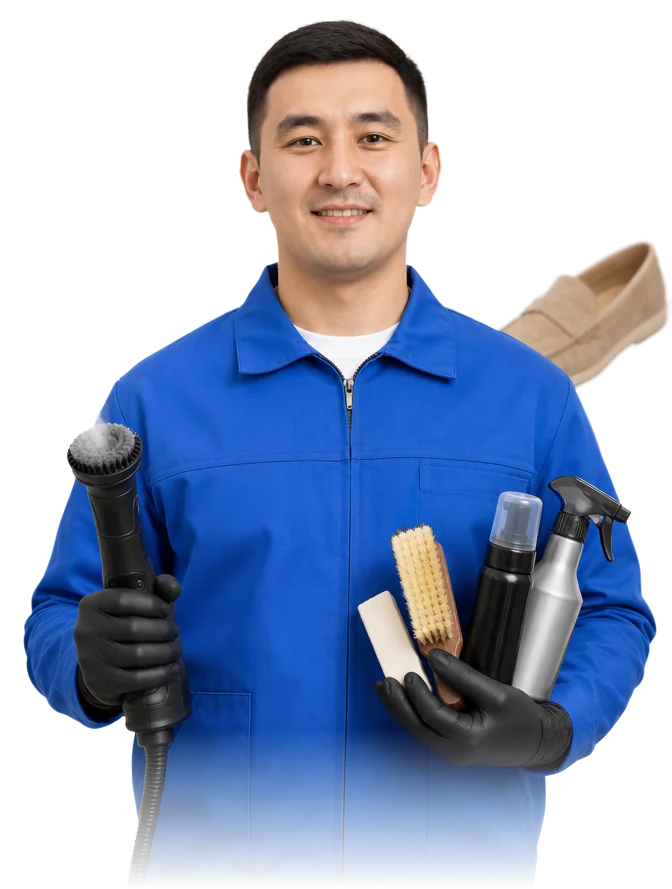
The master inspects the shoes, determines the type of dirt: oil, salt, water, or mud. Records the condition of the nap and color.
We restore suede shoes to their original appearance: remove stains, salt marks, and revive the nap.
We work with any types and materials
Complex construction requires careful cleaning of each element.
from 2,500 ₸Suede sneakers are cleaned with special care to avoid damaging the nap.
from 2,500 ₸Elegant suede requires a delicate approach to preserve its shape.
from 2,800 ₸Loafers cleaning includes treating the suede upper and the inside.
from 2,800 ₸High boots are cleaned using a steam cleaner for hard-to-reach areas.
from 3,000 ₸Suede ankle boots require nap restoration after winter.
from 3,500 ₸High suede boots are cleaned in stages for an even result.
from 3,500 ₸Uggs made of suede and sheepskin require special cleaning without shrinkage.
from 4,000 ₸Puffer boots with suede inserts are cleaned without wetting the insulation.
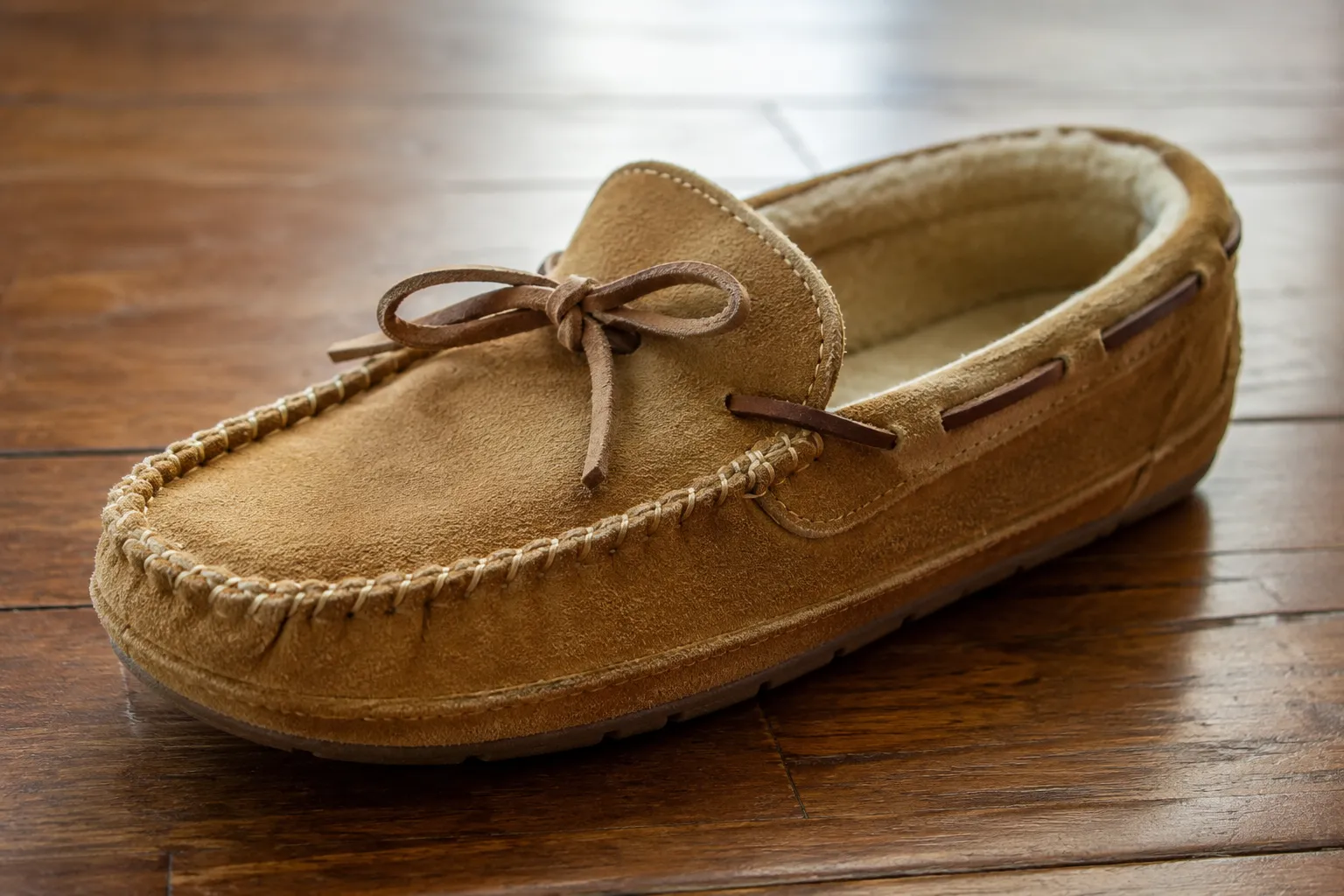
from 4,000 ₸Suede moccasins are cleaned while preserving natural softness.
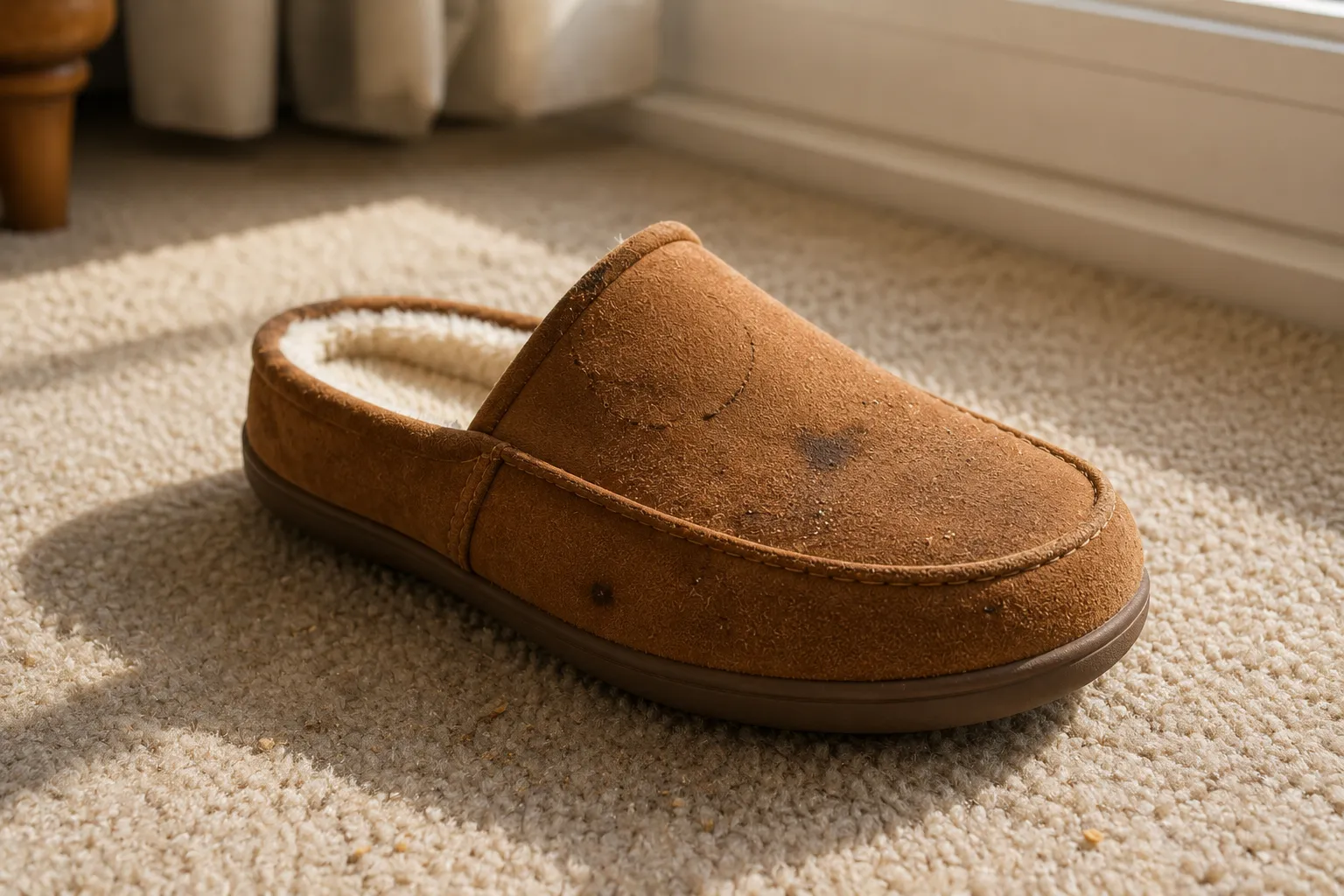
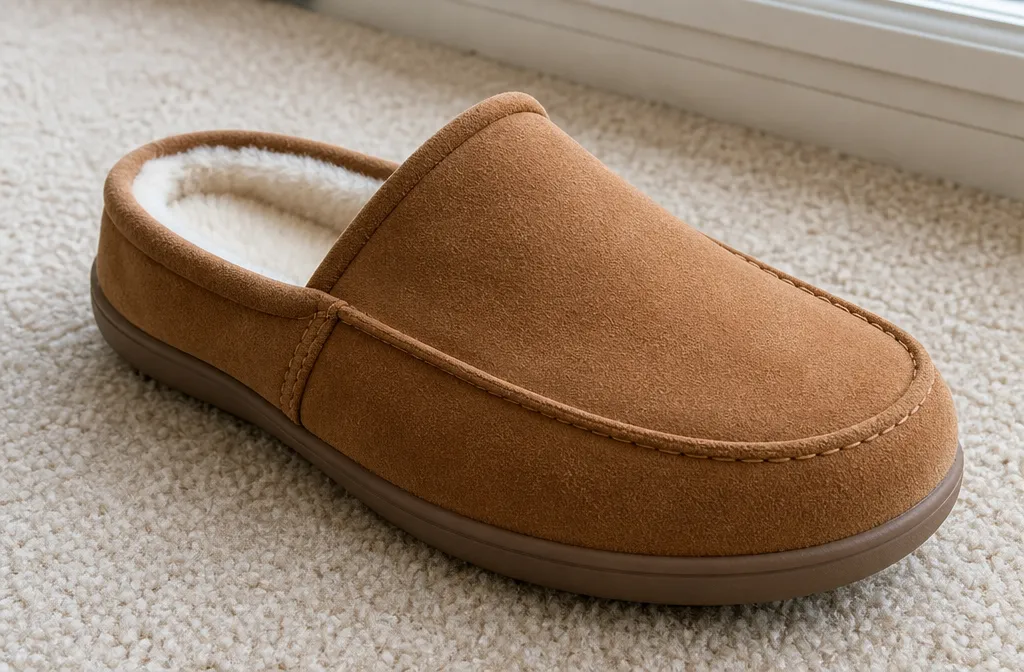
from 2,800 ₸Suede slip-ons require stain removal and color restoration.
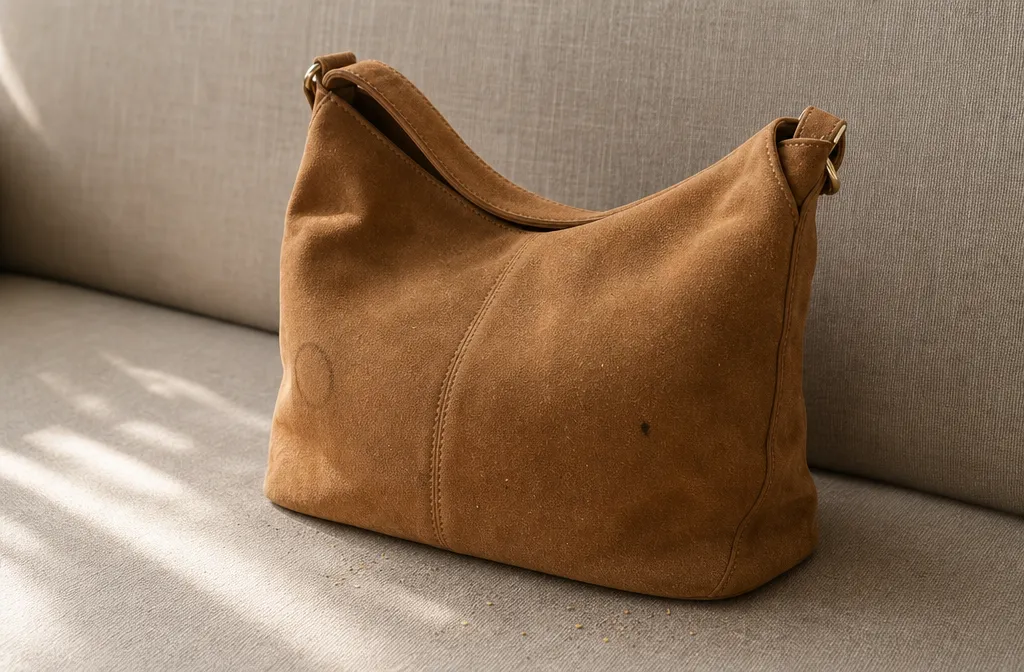
from 2,800 ₸Suede bags are cleaned considering hardware and shape.
from 12,000 ₸From inspection to result with guarantee
The master inspects the shoes, determines the type of dirt: oil, salt, water, or mud. Records the condition of the nap and color.
Remove dust and dry dirt with a special suede brush. This prevents dirt from being rubbed into the nap.
Apply Saphir Omnidaim stain remover to problem areas. The product works locally without affecting clean zones.
Gently foam the dirt using a sponge and special shampoo. The foam encapsulates particles and lifts them out.
Remove remaining product with a damp cloth. It's important not to over-wet the suede to avoid water stains.
Dry shoes naturally at room temperature. Do not use radiators or hair dryers to avoid deformation.
Treat suede with a rubber brush or eraser to raise the nap. This restores the velvety texture.
Apply Tarrago Nano water-repellent spray to protect against moisture and dirt. Spray evenly and let dry.
We use only professional chemicals from Saphir (France) and Tarrago (Spain) for suede. This guarantees safe stain removal and color preservation. Our masters are trained in working with these brands, eliminating the risk of material damage.
We use a Karcher steam cleaner to remove stubborn stains without harsh chemicals. Steam penetrates the suede structure and removes dirt without disturbing the nap. This is especially effective for salt marks and oil stains.
To restore color, we use Saphir Teinture Française dyes that deeply penetrate suede and restore richness. All shades are available, including rare ones. After dyeing, we apply a protective spray.
Thanks to strict adherence to technology and control at every stage, we guarantee no streaks or shrinkage. Our masters have over 5 years of experience, confirmed by hundreds of satisfied clients in Almaty.
Before starting work, we conduct a free shoe inspection and consultation. We determine the type of dirt and select the optimal cleaning method. You receive an accurate cost estimate with no hidden charges.
When ordering dry cleaning for 3 or more pairs of suede shoes, you get a 10% discount. This is beneficial for families or those who want to refresh their entire wardrobe. The discount can be combined with other promotions.
 After
After
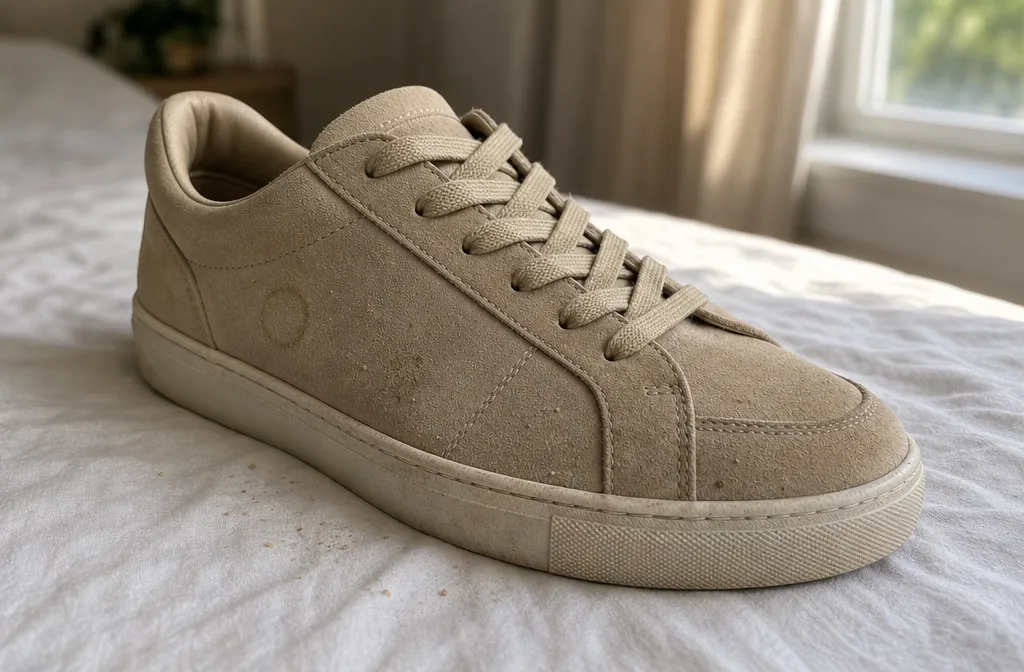
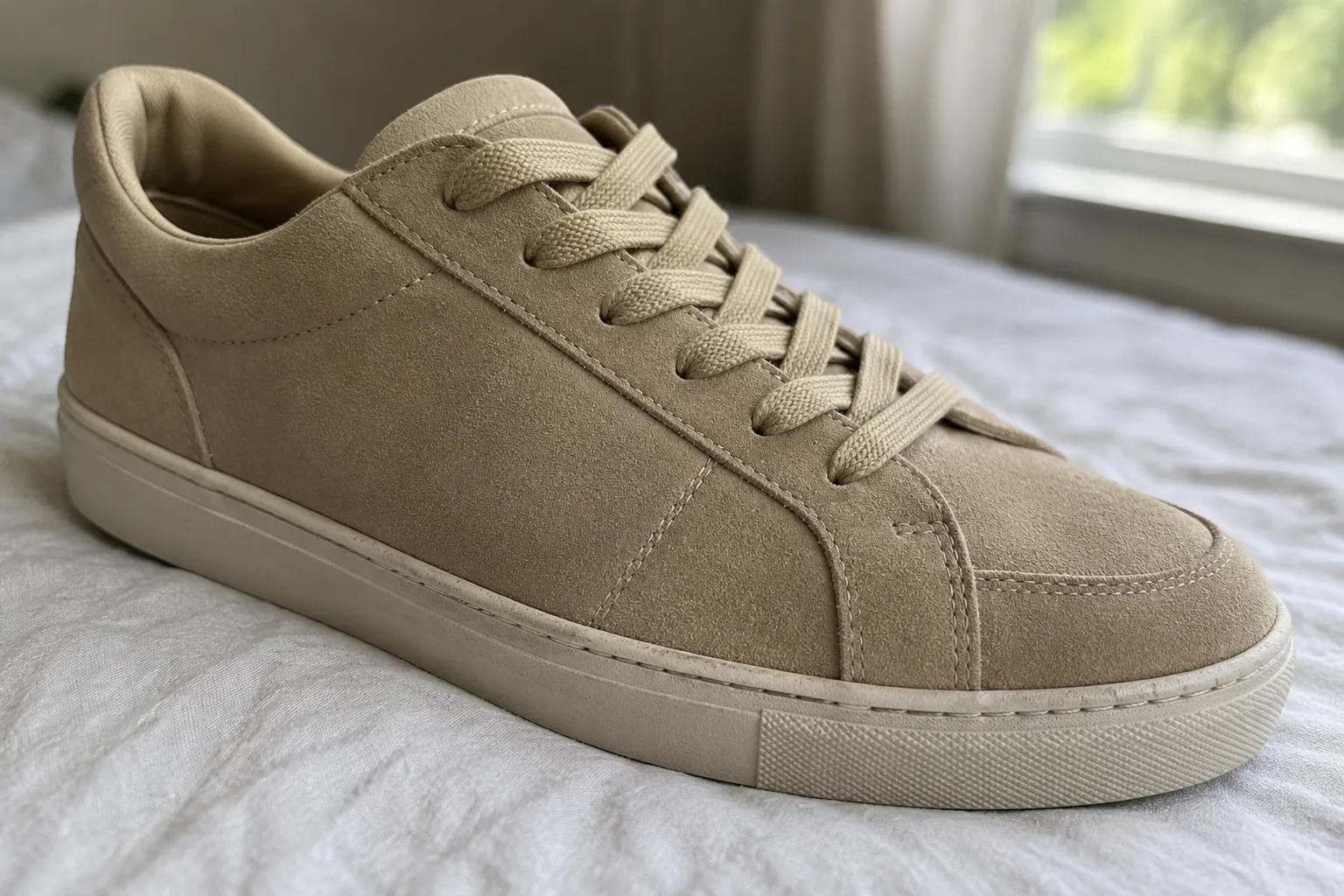
Request: Suede sneakers lost their appearance after rain and wear.
Done: Performed dry brushing, removed stains, restored nap.
Cost: 12 000 ₸
Master: Aigul Nurtazina, dry cleaning master
Total: Sneakers look like new, nap is raised, color refreshed.
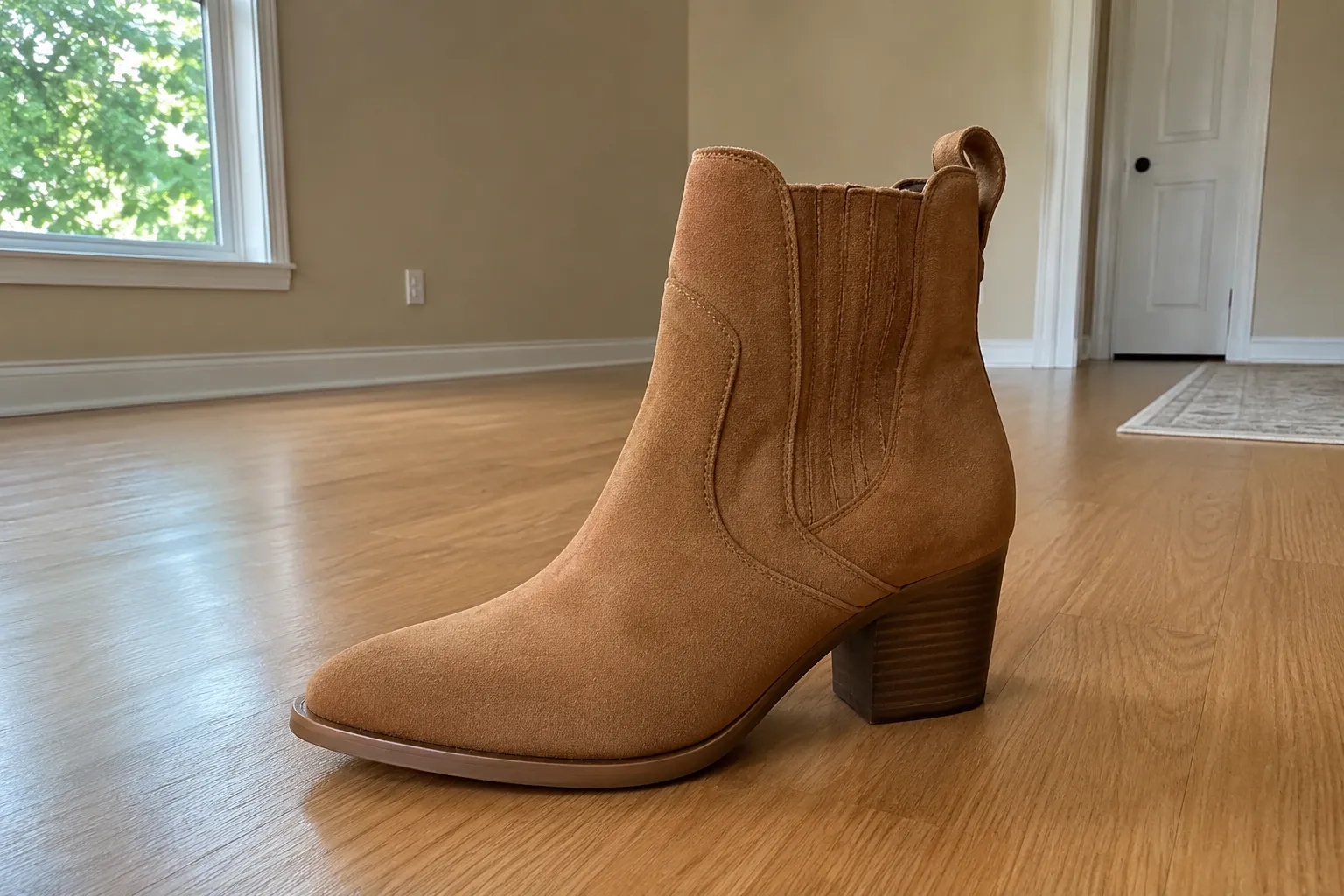 After
After
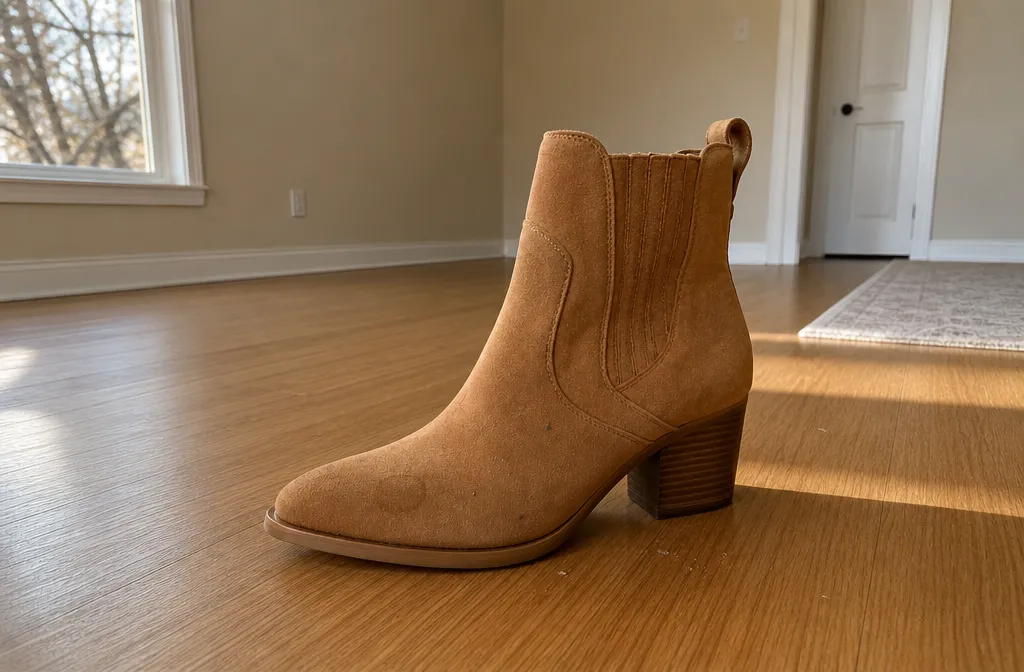
Request: Suede boots became greasy and worn at the toe.
Done: Cleaned greasy areas, treated stains, applied protection.
Cost: 13 000 ₸
Master: Timur Zhaksybekov, dry cleaning master
Total: Boots are clean, matte, protected from moisture.
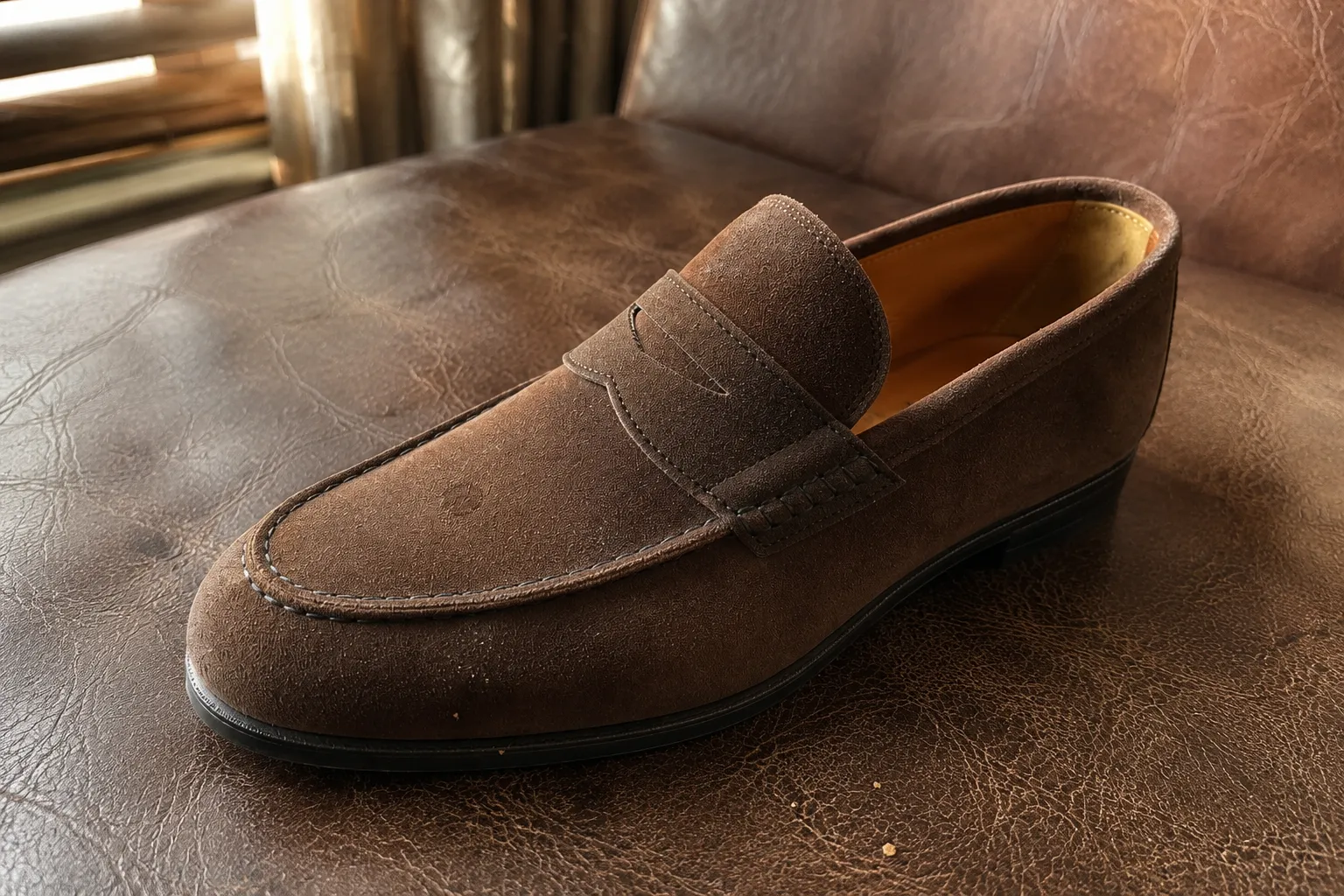
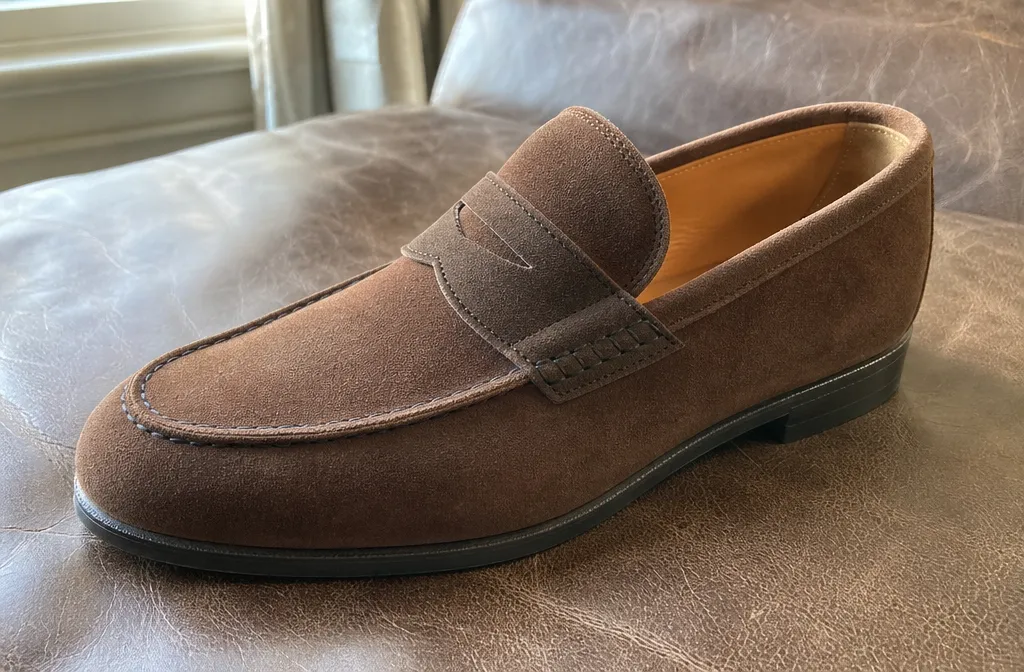 After
After
Request: Suede loafers got dusty and lost color.
Done: Performed dry cleaning, restored color and nap.
Cost: 2 800 ₸
Master: Aigul Nurtazina, dry cleaning master
Total: Loafers regained their original look, color is even.
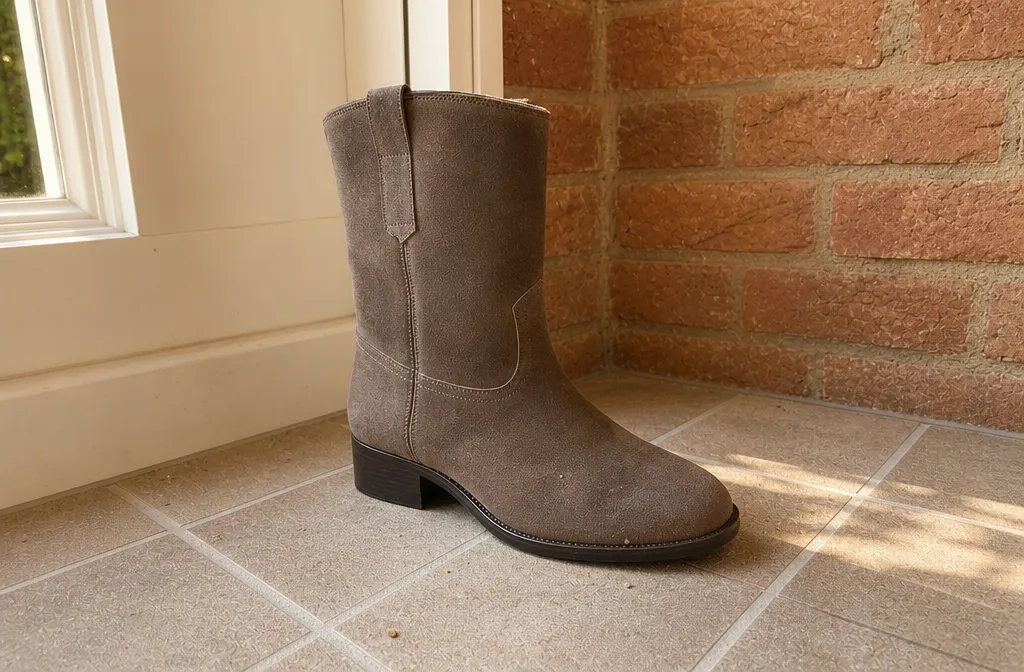
 After
After
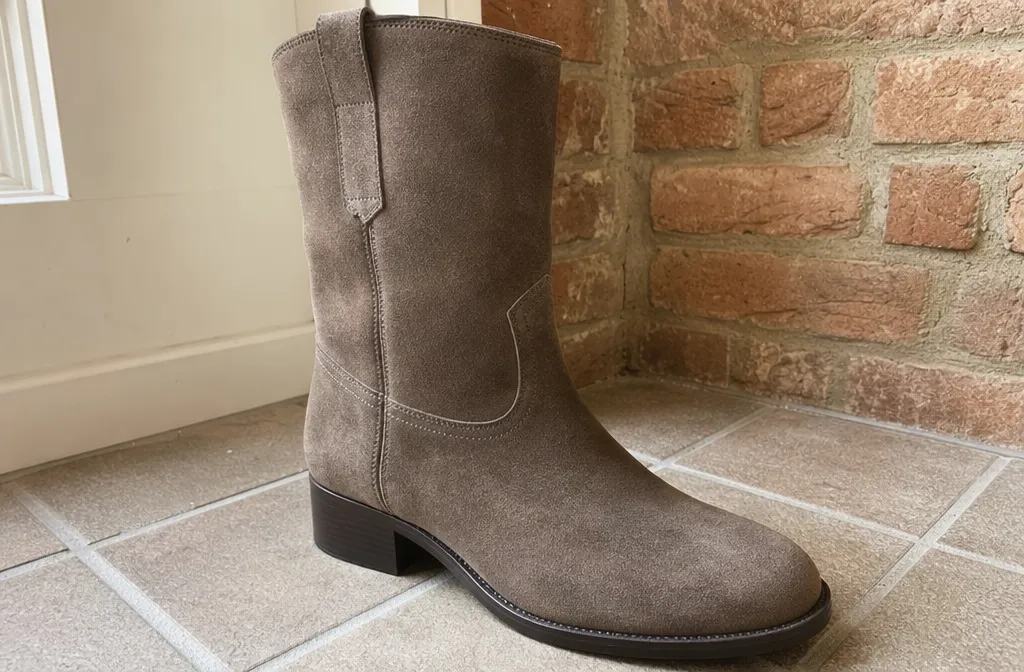
Request: Suede high boots became shiny and have water stains.
Done: Removed shine, removed water stains, raised nap.
Cost: 3 500 ₸
Master: Timur Zhaksybekov, dry cleaning master
Total: Boots are matte, stain-free, nap is even.
 After
After
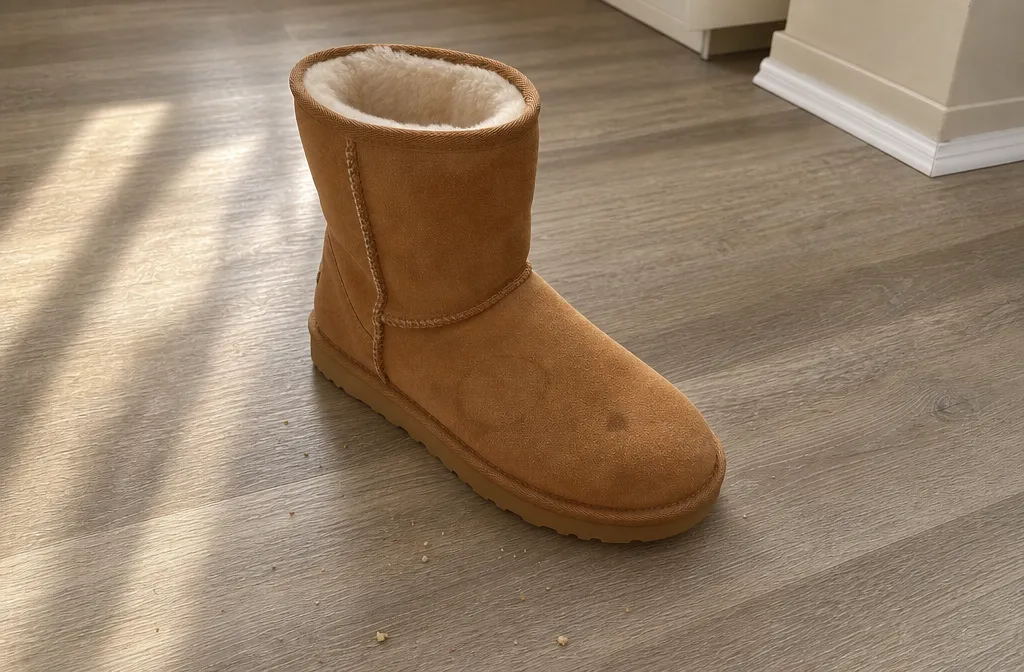
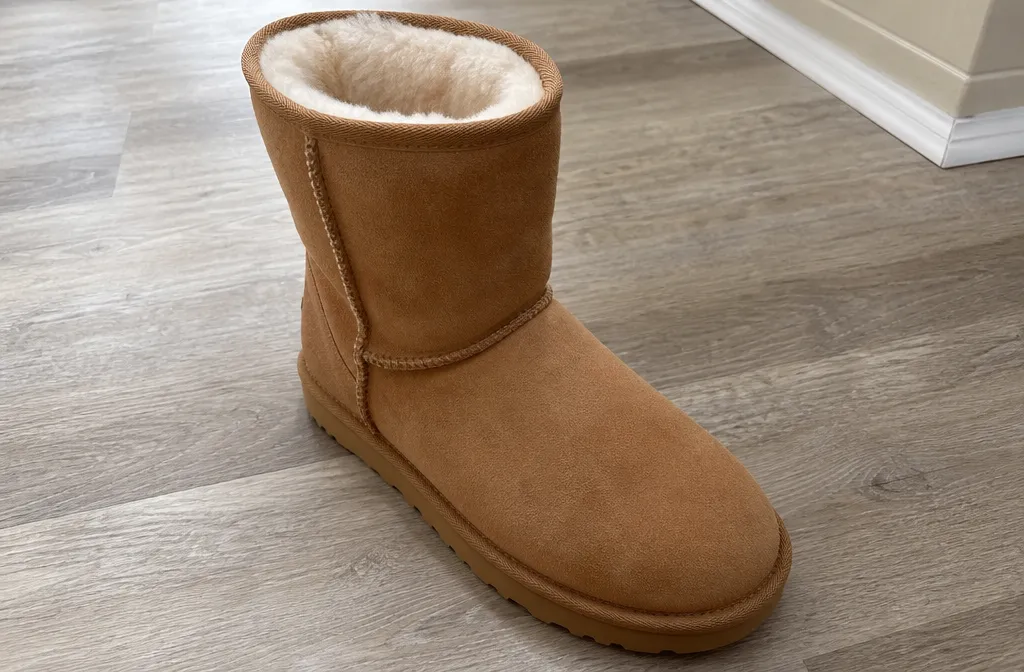
Request: Uggs became greasy and yellowed after winter.
Done: Cleaned greasy areas, whitened, restored nap.
Cost: 4 000 ₸
Master: Aigul Nurtazina, dry cleaning master
Total: Uggs are white, soft, nap is fluffy and clean.
 After
After
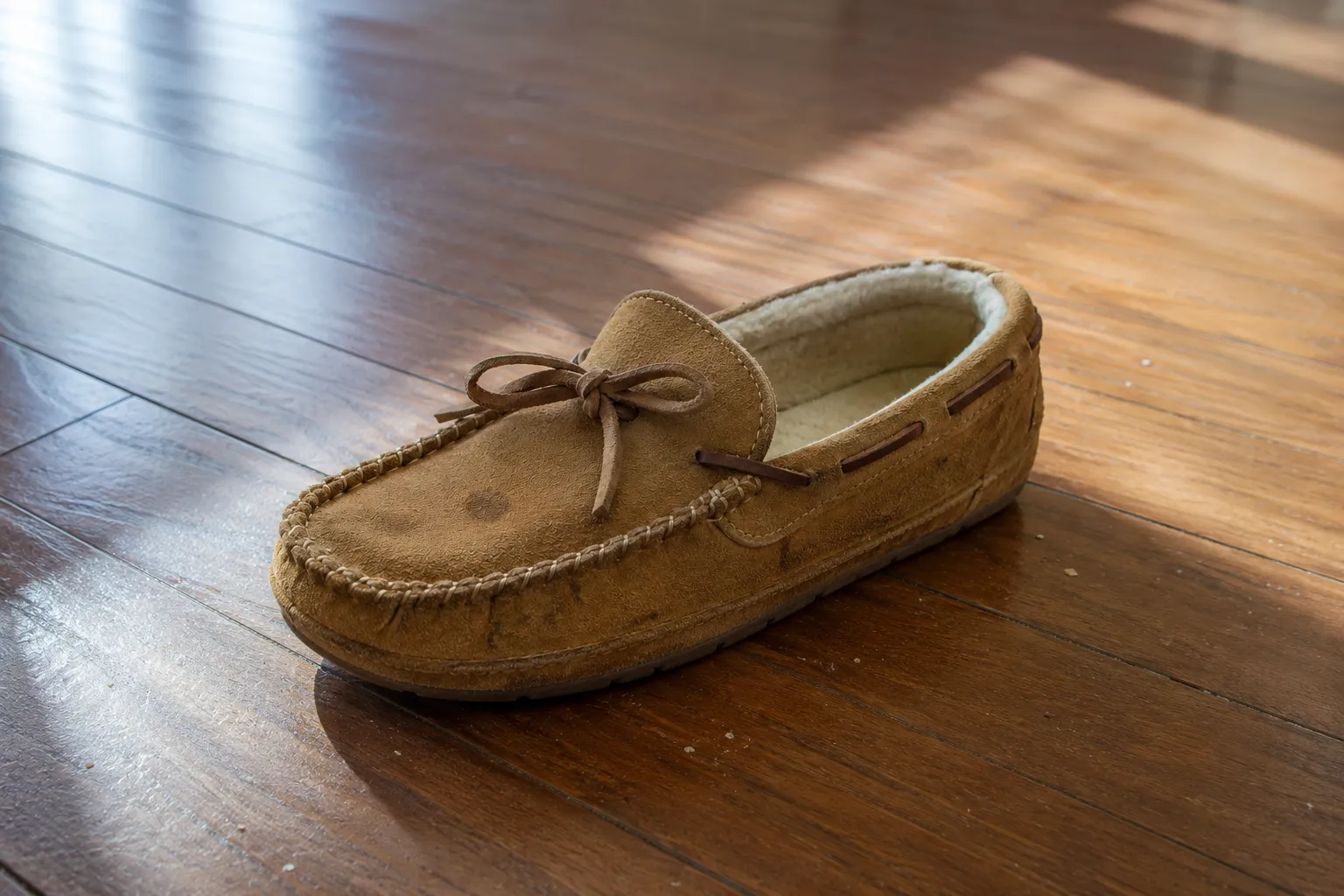
Request: Suede moccasins are worn and have stains.
Done: Cleaned with a brush, removed stains, applied impregnation.
Cost: 2 800 ₸
Master: Timur Zhaksybekov, dry cleaning master
Total: Moccasins clean, stain-free, protected from moisture.
 After
After
Request: Home suede slippers are greasy and yellowed.
Done: Removed greasiness, refreshed color, raised the nap.
Cost: 13 000 ₸
Master: Aigul Nurtazina, dry cleaning master
Total: Slippers soft, clean, no yellowing.
 After
After
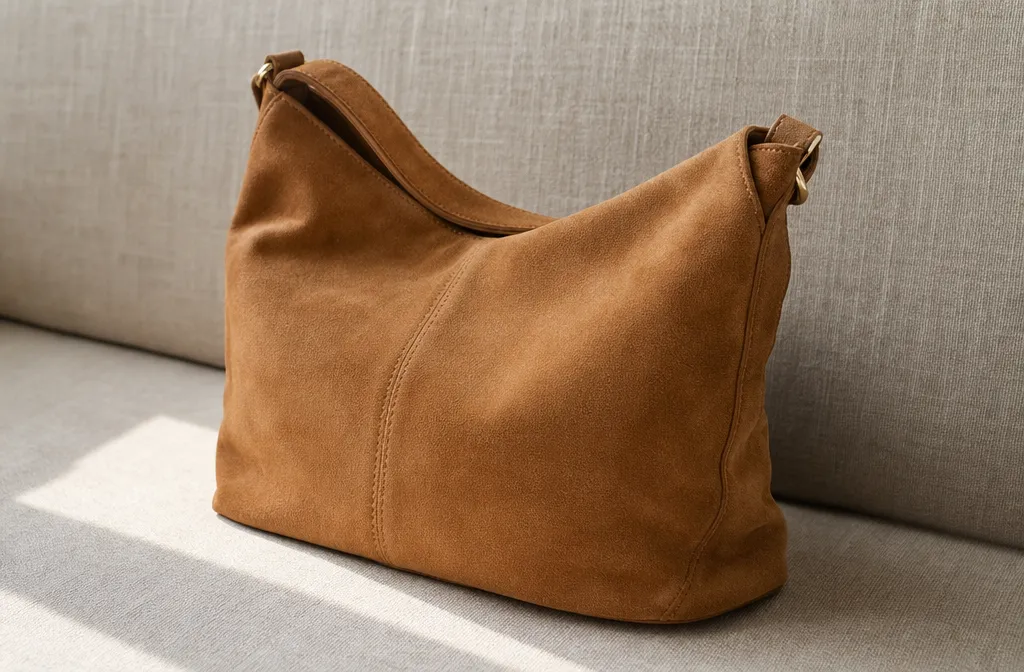
Request: Suede bag is greasy and has scuffs.
Done: Cleaned from greasiness, removed stains, restored nap.
Cost: 12 000 ₸
Master: Timur Zhaksybekov, dry cleaning master
Total: Bag looks new, nap raised, color even.
 After
After
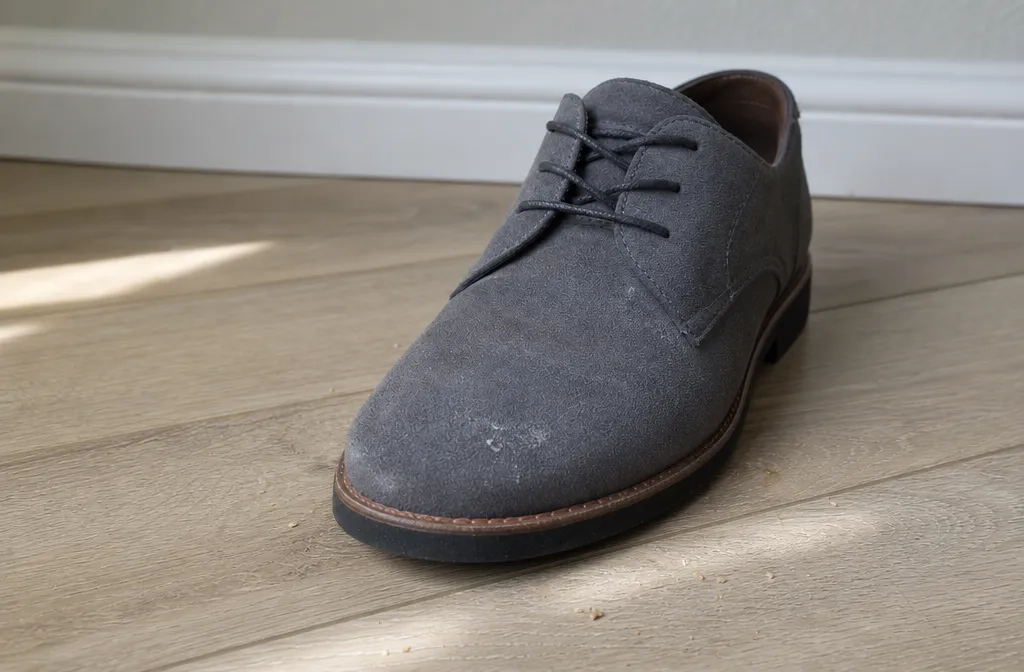
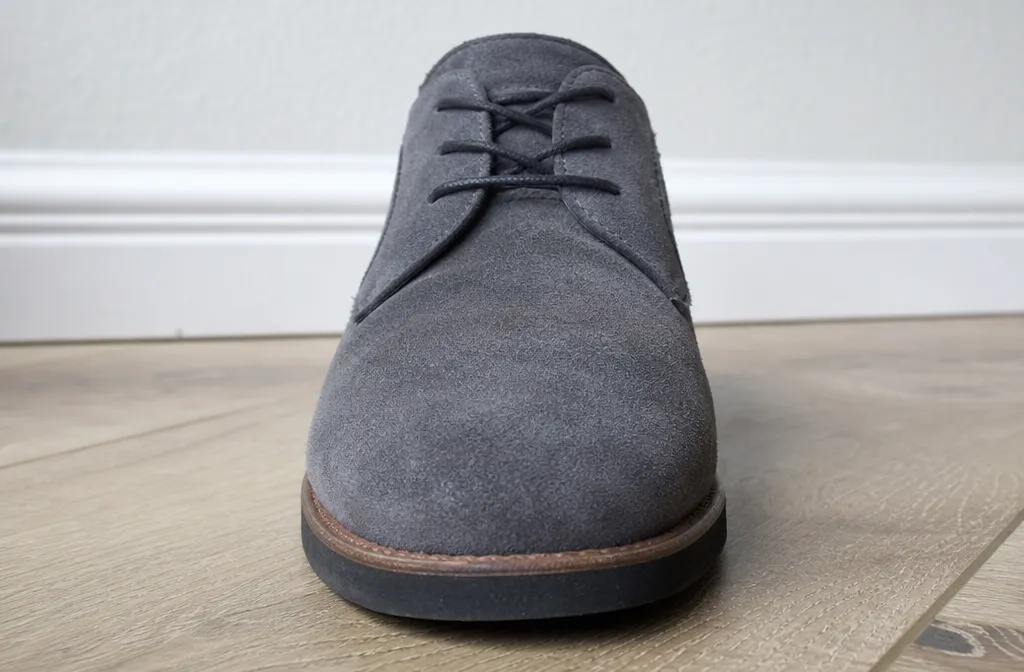
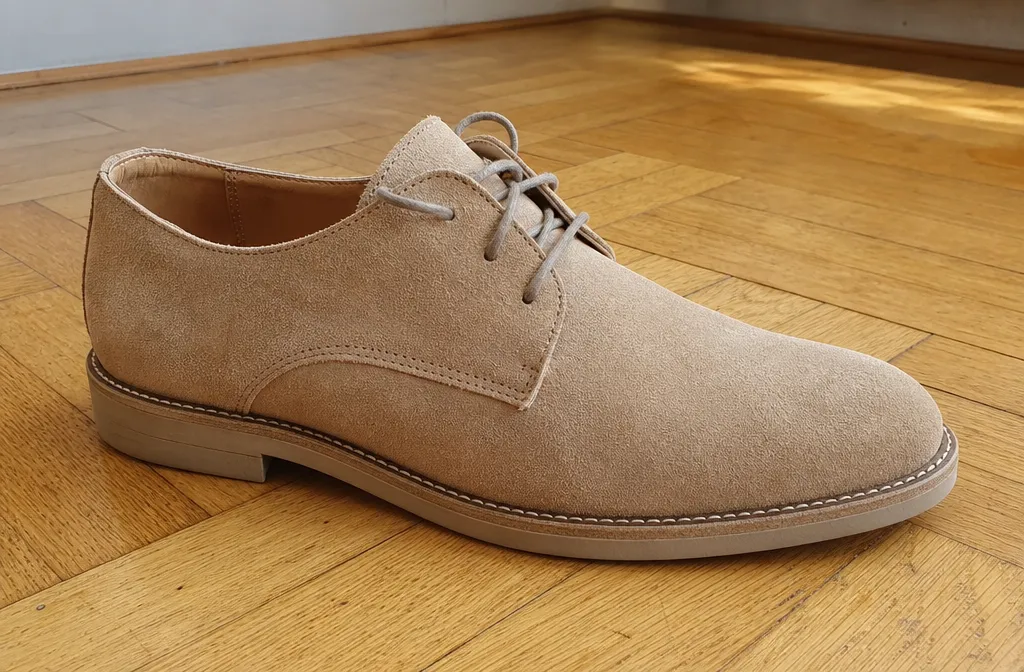
Request: Suede shoes covered with white streaks from deicers.
Done: Removed salt streaks, restored color and nap.
Cost: 14 000 ₸
Master: Aigul Nurtazina, dry cleaning master
Total: Shoes without streaks, color saturated, nap even.
 After
After
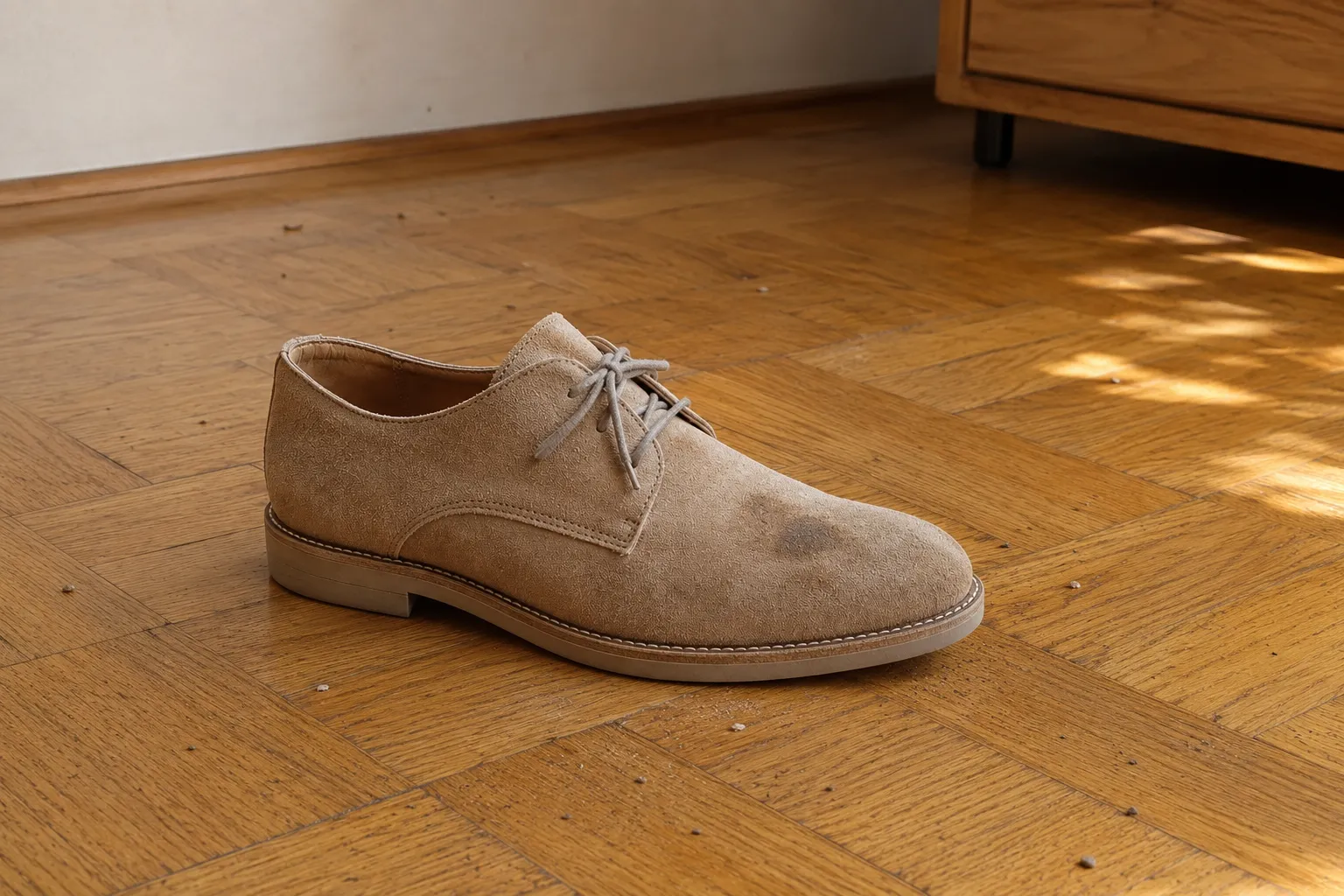
Request: Oil got on suede shoes, left a greasy stain.
Done: Removed oil stain, cleaned entire surface.
Cost: 15 000 ₸
Master: Timur Zhaksybekov, dry cleaning master
Total: Stain completely removed, shoes clean, no traces.
All cleaners are profi-clean staff with training, uniform and security check. Each order has a team leader who controls quality.
Suede is one of the most finicky shoe materials: its porous, napped structure absorbs dirt and moisture faster than smooth leather, and improper cleaning irreversibly ruins its appearance. In Almaty’s conditions — with temperature fluctuations, reagents on sidewalks, and dust — a pair of suede shoes loses its color and nap within a single season if you don’t know how to handle it.
Unlike smooth leather, suede consists of millions of microscopic fibers raised during the buffing of the hide’s flesh side. These fibers act like a sponge: a drop of water is absorbed in 2–3 seconds, pulling particles of dust and salt deep into the material. After drying, the dirt crystallizes inside the pores, and removing it with a regular brush is no longer possible — only deep dry cleaning of suede shoes can extract the grime without destroying the nap. In practice, this means that suede sneakers caught in an Almaty rain will develop stains within an hour without dry cleaning, and after complete drying, they require professional intervention.
The most common mistake is trying to wipe a stain with a damp cloth or soapy solution: water softens the protective impregnation, and friction flattens the nap, leaving bald spots. The second most frequent is using a stiff brush (e.g., a metal-bristle suede brush) against the direction of the nap: this tears out fibers, and the shoes look “worn out” after just one cleaning. The third is drying on a radiator or heater: suede stiffens from sudden heat, loses elasticity, and cracks at the creases. In our practice, after such experiments, clients bring in shoes with irreversible damage — the nap can only be restored by 30-40%, and that’s the best-case scenario. Before any home attempt, test the material’s reaction on an inconspicuous area — under the tongue of a sneaker or inside the boot shaft.
In winter, Almaty’s sidewalks are sprinkled with technical salt and sand — the mixture eats into suede within hours, leaving white stains that cannot be washed off with water, only set in. In spring and autumn, dust from construction sites and dry asphalt adds to the problem — it gets lodged between the fibers, giving the shoes a gray “film” that a dry brush cannot remove. Sharp temperature swings (morning -5°C, afternoon +10°C) cause condensation inside the shoes — moisture from the street mixes with foot sweat, and dark spots from natural skin oils appear on the suede. This is why Almaty residents should treat new suede shoes with a water-repellent spray before the first wear, and after each season, order professional dry cleaning of suede shoes in Almaty — this extends the wear life by 2–3 seasons.
Many people decide to clean suede themselves — and fall into traps that turn a new pair into “disposable” shoes. At profi-clean, we take in shoes after home experiments every month: worn-down nap, streaks, whitish stains from unsuitable products. Here are five main mistakes that are guaranteed to ruin suede — and how to avoid them.
Suede is a hydrophobic material, but not waterproof. When you soak sneakers or boots in a basin of soapy water, the nap becomes waterlogged, loses its elasticity, and after drying becomes stiff and brittle. Water penetrates the pores, washes out the dye, and lifts salt deposits from the leather, which appear as a whitish coating after drying. Our cleaners use only foam with minimal water content for wet treatment — applied with a foam sprayer, not a sponge or brush with water. If you have already wet the suede, dry it at room temperature away from radiators — but restoring the structure after soaking is only possible with a professional steam cleaner followed by nap lifting.
Laundry detergent, dish soap, and all-purpose stain removers all contain alkali and active surfactants that destroy the aniline dye of suede. After washing, the shoes can lighten unevenly by 2-3 shades, leaving blotchy stains. In October, we had a case: a client washed her beige suede ankle boots with shower gel — after drying, yellow streaks from fragrances and oils remained. Professional suede products — sprays and foams with a pH of 5.5-6.5 — do not react with the dye. We use the Collonil and Tarrago lines, which are free of phosphates and chlorine. A home alternative is a special suede eraser or a 1:5 vinegar-to-water solution, but only for dark shades and on an inconspicuous area.
Mechanical friction from a stiff brush, especially on wet suede, strips the nap — the shoes start to shine like patent leather, and bald spots become irreversible. Suede nap is held on elastic fibers that become brittle when wet. If you rub in circular motions with pressure, the fibers break at the base — only a final treatment on a sanding machine, available at professional dry cleaners, can restore them. Our technique involves movements in only one direction, along the nap, using a soft brass brush or a rubber roller. For stubborn dirt, we first apply foam, wait 30-40 seconds, then gently collect the dirt with a dry cloth — without friction.
Drying suede on a radiator, heater, or with a hot hair dryer guarantees the material will shrink, lose elasticity, and develop micro-cracks. At temperatures above 40°C, collagen fibers in the leather denature — becoming stiff and brittle, like over-dried paper. This is especially critical for the Kazakh winter: after drying on a radiator, the shoes do not regain their shape, and on the next outing in the cold, they crack at the creases. We dry shoes at 18-22°C with forced ventilation, using dehumidifiers. At home, the best option is to dry at room temperature, stuffing the shoes with newspaper (changing every 3-4 hours) and leaving them in a ventilated area for 24-36 hours. No hair dryer — even cold air stirs up dust that clogs the pores of damp suede.
In Almaty, roads are treated with technical salt and sand in winter — salt stains appear on suede after just one walk. If not removed immediately, the salt crystallizes in the pores and draws moisture from the leather, leaving whitish spots that cannot be washed off with water. Many try to wipe the stains with a damp cloth — the salt dissolves, penetrates deeper, and reappears after drying, but more prominently. The correct method is to let the salt dry, brush it off with a dry brush, then treat with a 5% vinegar solution (50 ml per liter of water) — the acid neutralizes the salt’s alkalinity. But this method only works on fresh stains. Old salt stains are only removed with a professional shampoo containing chelating agents — we use Collonil Clean & Care, which binds salt ions and removes them from the pores without residue. Before treatment, be sure to test the solution on an inconspicuous area — vinegar can lighten some suede shades.
The choice between home suede cleaning and contacting a cleaning service is rarely obvious. Let’s break down what each option really offers, where the risks lie, and in which cases professional suede shoe cleaning is not a whim but a necessity.
Home cleaning with a brush-horn and eraser removes surface dust and dry dirt — the shoes visually become neater, but the nap remains flattened and the color uneven. Professional treatment at profi-clean begins with a conditioner that lifts the nap and opens the pores, followed by wet cleaning with a pH-neutral Kiehl compound that removes dirt from deep within the fibers. Finally, a protective spray with nanoparticles is applied — it doesn’t just mask but creates a barrier against water and dust for 2-3 weeks. The difference is visible in the light: after home cleaning, the suede looks “faded”; after professional cleaning, the original shade and velvety texture return. In our experience, if shoes have been worn for more than a month without care, home methods are no longer sufficient — ingrained dirt requires machine removal and specialized chemicals.
Household products often contain alcohol, acetone, or harsh surfactants — they degrease suede, making it stiff like sandpaper. A common mistake is soaking suede boots in a basin with powder: water washes away the factory impregnation, and after drying, white streaks from extracted salts remain on the material. At profi-clean, we use only water-based Sodasan solutions with a neutral pH of 6.5–7.0 and treat each pair spot-on with a steam cleaner featuring adjustable steam output — it softens dirt without over-wetting the suede. Moreover, for colored suede (blue, burgundy, green), we use separate cloths and test dye fastness on an inconspicuous area — at home, this check is often skipped, and shoes may bleed color after the first cleaning. Our experience shows that 80% of failed home dry cleaning cases are due to color loss or greasy nap caused by harsh chemicals.
For Almaty winters with reagents on sidewalks, salt streaks are typical — at home, people try to wipe them off with vinegar, but acid damages the suede structure, leaving a light spot with “burnt” nap. profi-clean’s professional method involves treating with a water-based salt neutralizer that draws out crystals without harming fibers, followed by drying in a ventilated cabinet at 30°C. Oil stains (from hand cream, food, motor oil) are often smeared further at home — friction drives the grease deeper. For such stains, we use an absorbent cellulose-based powder: it’s applied to the stain for 6–8 hours and pulls out oil without rubbing. For set-in stains (older than 2–3 weeks), the chance of restoring the original appearance without professional cleaning is less than 40%, and the longer you wait, the more irreversible the defect becomes. So, when you spot a stain of unknown origin on suede, don’t rub it — bring it to a service immediately.
Shoes cleaned only at home with a brush and eraser lose their marketable appearance after just two seasons: the nap wears down, color fades, and scuff marks appear on creases. Regular professional dry cleaning of suede shoes (every 1–2 months) extends wear life to 4–5 seasons — thanks to impregnation that protects against moisture and gentle cleaning that doesn’t abrade the nap. At profi-clean, we note: pairs that undergo dry cleaning every 6–8 weeks look like new by the end of the second year, while those cleaned at home already have irreversible scuffs on toes and heels. Additionally, after home washing (even by hand), suede often shrinks by half a size — professional drying on lasts preserves the shoe’s shape. From our practice: if you wear suede boots daily, have them professionally dry cleaned at least once a season — it’s cheaper than buying a new pair in a year.
Professional dry cleaning restores suede’s fresh look, but the lifespan of a pair depends on what you do in the first 24–48 hours after treatment. We’ll break down techniques that lock in results and delay your next visit to the cleaners.
The main rule is to apply water- and dirt-repellent impregnation only to clean, completely dry suede. If you treat a dirty pair, the spray seals dust and oil particles inside the nap — after drying, dark spots appear that are harder to remove. At profi-clean, we use Collonil and Salamander aerosols with nano-components: they create an invisible film that repels water by 98% in a droplet test. Spray from a distance of 20–25 cm, in two thin layers with a 10–15 minute break between them. After impregnation, let the shoes dry at room temperature for 8–12 hours — do not speed up with a hairdryer or radiator, as heat destroys glue seams and deforms suede. In my opinion, impregnation after every professional cleaning extends the pair’s lifespan two to three times compared to unprotected suede.
After dry cleaning, suede is saturated with moisture not only on the outside, but also inside the lining and interlining. If you place shoes on a radiator or use a hairdryer, the top layer dries faster than the inner one — a tension difference occurs, which leads to cracking of the nap and sole detachment. In Almaty, where the heating season lasts from October to April, this mistake occurs in 70% of suede deformation cases according to our observations. Proper drying: stuff the shoes with paper (not newspaper — printing ink transfers) or wooden shoe trees, place them in a ventilated room at 18-22 °C. Change the paper every 4-6 hours when it becomes damp. Complete drying time is from 12 to 24 hours, depending on the suede thickness and air humidity. Before putting the pair on, make sure the lining feels dry to the touch — damp suede stretches under load and loses its shape irreversibly.
After drying, suede often looks flattened and matte — this is normal: wet nap fibers stick together, and without mechanical lifting, it remains stiff. At profi-clean, we use a brass brush with soft bristles: we run it over the surface in one direction, without pressure, 5-7 strokes per area. If greasy zones remain on the toe or heel after cleaning (usually from fingers when putting them on), a special suede eraser removes them — it draws out residual skin oils. For particularly delicate velour suede (calf or goat), it is better to use a lint roller instead of a brush — it lifts the nap without scratching the delicate surface. A steam iron held 15-20 cm from the shoes for 2-3 seconds straightens creases and restores volume, but you cannot hold it longer — steam softens the glue, and the sole may detach.
Suede shoes are not intended for daily wear — between uses, they need to rest for at least 24 hours so the nap regains elasticity and moisture accumulated during the day evaporates. In Almaty’s slush (March-April and October-November), I recommend wearing suede no more than twice a week, alternating with a smooth leather pair. After each outing in wet weather — mandatory drying with paper and dry brushing, without cleaning agents. Schedule professional dry cleaning with impregnation once every 2-3 months of active wear or after each thorough soaking. If the pair is stored until the next season — before putting them in the box, do a preventive cleaning and impregnation, stuff them with paper, and wrap in a breathable cover (not plastic). Due to humidity fluctuations in Almaty apartments, untreated suede can develop a white mold coating over six months of storage — impregnation and dry air in the closet solve this problem.
There are three actions that negate the effect of even the highest quality professional cleaning. First — using greasy creams and waxes for smooth leather on suede: they clog the pores, making the nap brittle and unable to breathe. Second — rubbing a fresh stain with a damp cloth or soapy water: dirt gets driven deeper, and after drying, a residue remains that can only be removed by another dry cleaning. Third — drying in the sun or under direct rays: ultraviolet light burns the suede pigment, causing it to lighten unevenly, especially at creases. In our practice, there was a case where a client placed suede loafers on the balcony under the April Almaty sun after cleaning — within two days, the pair became striped, and we had to repaint the entire upper with acrylic dye. Following these simple restrictions preserves the dry cleaning result until the next season without additional investment.
In winter and during the off-season, Almaty residents’ shoes suffer from two aggressive factors — road salt and fine dust, which become ingrained in the suede. Over 8 years of work, we have developed protocols that save pairs even after several weeks without care.
The Almaty reagent — a mixture of technical salt (NaCl) with calcium chloride and sand — leaves not just white streaks on suede, but crystalline deposits that draw moisture out of the fibers. As it dries, the salt crystallizes inside the pores and ruptures the nap from within: hard “bald patches” appear on the surface, which cannot be restored with a regular brush. In our practice, on a pair that was exposed to this salt for three consecutive weeks without cleaning, the suede lost 40% of its elasticity — after treatment with steam and a special neutralizer (pH buffer), the structure had to be restored with two cycles of impregnation. In my opinion, the key mistake is trying to wash off the salt with water: it only drives the reagent deeper into the lining. Instead of water, we use a vinegar solution (1:5 with distilled water) followed by drying at 25 °C, otherwise the salt “blooms” back within a day.
Almaty’s urban dust is not sand, but a suspension of asphalt crumb particles, exhaust fumes, and soil loam, which settles on suede as an oily film. In dry weather, this film attracts street dirt, and in rain, it turns into an abrasive paste that scratches the nap. We tested it: a suede sample after a week of wear in central Almaty (Abay Avenue area) contained 12% bitumen inclusions — a dry brush won’t remove these; treatment with a grease solvent (Orthol Z) is needed. European dust, for example in Berlin or Milan, consists of 70% quartz sand and organic matter, which can be removed with a simple damp cloth. If you wear suede boots in Almaty, we recommend cleaning them from dust after each wear — skipping even two days leads to the oil fraction being absorbed into the lining, from where it can only be removed with a professional extractor.
Almaty has three critical periods for suede: February-March (salt + meltwater), July-August (dry dust + UV), and October-November (dirt + rain). In spring, suede receives a double blow: during the day, salt melts on the asphalt, at night it freezes and expands the material’s pores — after 3-4 such cycles, the suede becomes loose and loses its water-repellent properties. In summer, UV radiation burns the pigment from the top layer of the nap: over two months of intense wear in the sun (e.g., on walks in the First President’s Park), the suede fades by 2-3 shades, and unevenly — we often see pairs where the toe and heel remain dark, but the vamp has turned grey. In autumn, the problem is dirt mixed with oils from the asphalt: it clogs the pores so that after drying, dark stains remain on the surface that cannot be washed off with water. Moreover, after rain without immediate drying, the suede “sets” and becomes stiff — softness can only be restored with a lanolin-based impregnating conditioner.
Suede wears differently for residents of different Almaty districts, and this is no exaggeration. In the center (Abaya — Dostyk), there is a maximum of salt and exhaust fumes: here, suede loses its color in 1.5 months, and salt stains appear after the first snowfall. On the outskirts (Alatau district, Kalkaman), there is more sand and ground dust, which scratches the suede but does not leave an oily film — such pairs are cleaned faster but require more frequent impregnation (every 2-3 weeks). In the foothill microdistricts (Gorny Gigant, Medeu), there is high humidity and fine construction dust that penetrates the suede within 3-4 days. We have noticed: clients from Gorny Gigant bring in shoes with a “cement” coating that cannot be washed off even with an alkaline solution — a special remover for construction dust has to be used. In practice, I advise choosing shoes based on the district: for the center — dense suede with double impregnation, for the outskirts — soft velour suede, which is easier to clean from sand.
I ordered dry cleaning for suede boots after salt stains — they restored the perfect look, I never thought they could clean them so well.
Thank you, Aigerim! Glad the result exceeded expectations.
The sneakers looked terrible after rain, stains set in. After cleaning, they look like new, the smell is gone. Great!
I had dry cleaning done for winter suede boots — reagent stains were almost completely removed, minor streaks remained, but overall good.
Thank you for your feedback! We'll try to achieve perfection next time.
I gave my favorite suede bag, afraid they would ruin it. The guys did an excellent job — refreshed the color and preserved the shape.
Suede shoe cleaning — the only thing that saved my shoes after an oil stain. Excellent result, I recommend it.
Thank you, Yerlan! Glad to help.
My daughter stained her boots with plasticine, I thought about throwing them away. After cleaning, they look like new, no traces.
I asked for suede shoe cleaning, but they also cleaned my suede jacket. Shoes are great, jacket lost a bit of color at the elbows.
We take note, we'll be more careful with different materials.
The ankle boots were in terrible condition after winter — salt, dirt. They restored their original look, I'm very satisfied.
I ordered suede shoe cleaning for moccasins — the result exceeded expectations, the nap was raised, color is even.
Thank you, Timur! Come again.
The UGGs looked greasy after wear. They cleaned them perfectly, they became fluffy and clean like on the day of purchase.
I ordered suede shoe cleaning, but one stain remained, had to redo. The second time was good.
Sorry for the inconvenience! Glad we fixed it.
Summer sandals after vacation were full of sand and cream stains. They restored their fresh look, thank you!
I brought suede gloves — the suede shoe cleaning handled them too, even though they're not shoes. Gloves are like new.
Glad we could help with a non-standard order.
The sneakers were cleaned well, but the brush slightly damaged the nap in one spot. Otherwise, excellent.
We apologize, we'll be more careful.
I've been looking for a place that does quality suede shoe cleaning for a long time. Finally found it — things look like new, smell of cleanliness.
Thank you, Saule! We'll be glad to see you again.
The pumps were in champagne and dirt after the wedding. Cleaning brought them back to life, now they can be worn again.
I ordered suede shoe cleaning for boots — they even removed old salt stains. Very satisfied.
Thank you for your feedback!
The moccasins became clean but shrank a bit in size. Probably from moisture. Overall okay.
Sorry, we'll take this into account next time.
The suede ballet flats were in terrible condition — suede shoe cleaning made them wearable again. Thanks to the masters!
I stained my suede bag with coffee. Thought it was hopeless, but after cleaning there's no trace. Very happy!
Glad to help!
Suede shoe cleaning saved my boots after construction — cement and paint came off. I recommend it.
The sneakers were dirty and wet after football. They cleaned, dried, and removed the odor. Super!
I ordered dry cleaning for suede boots — they cleaned them well, but one boot darkened a bit. I hope it dries evenly.
Sorry, let us know if anything — we'll fix it.
The shoes lost their look after the rain. Cleaning restored the color and softness. I'll come back again.
The suede jacket was cleaned together with the shoes — the dry cleaning of suede shoes did a great job with the jacket too. Items are like new.
Thank you, Kamila! Come again.
The boots were dirty and salty after autumn. After cleaning — perfect, like I just bought them.
I gave the bag for dry cleaning of suede shoes — stains were removed, but the hardware got slightly scratched. Otherwise good.
We apologize, we'll be more careful.
The boots were hopelessly ruined by salt after winter. Cleaning saved them, now I wear them with pleasure.
I order dry cleaning of suede shoes not for the first time — always high quality. The shoes became like new after vacation.
Glad to have regular customers!
The light suede sandals got stained with grass. Cleaning helped, no stains left. Great!
I ordered dry cleaning of suede shoes for sneakers — but they faded, the color became uneven. Disappointed.
We apologize, please accept our apologies and we'll offer a discount.
My favorite suede shoes look better than new after dry cleaning. Thank you for your professionalism!
Dry cleaning of suede shoes was just what my boots needed. They removed oil stains, now they look like new.
Thank you, Azamat!
The gloves were cleaned well, but stretched a bit. Overall, I'm satisfied with the result.
Sorry, next time we'll be more careful with stretching.
Excellent dry cleaning of suede shoes — after the rain, they look like they're from a store window. I'll recommend it.
I got ink on my bag — thought it was ruined. After cleaning, not a trace. Thank you to the masters!
Glad we could help!
Usually the process takes 1-2 days, including drying. Urgent cleaning is possible within 24 hours with a surcharge.
Leave a request on the website or call us. We will pick up your shoes in Almaty for free when ordering 2 pairs or more.
Yes, we use Saphir and Tarrago products that do not wash out the color. If necessary, we restore the shade with dyes.
The price for dry cleaning of suede sneakers is individual per pair. The cost includes a full cleaning cycle and impregnation.
High boots are charged individually, ankle boots are charged individually. The price depends on height and complexity.
Yes, when ordering 3 pairs or more, a 10% discount is provided. The discount applies to any type of suede footwear.
In the calculator, select the type that best matches your footwear. If unsure, call us — we'll help.
We clean sneakers, canvas shoes, dress shoes, loafers, boots, ankle boots, high boots, UGGs, puffer boots, moccasins, slip-ons, and suede bags.
Yes, we clean suede bags. The cost is individual, depending on size and soiling.
We guarantee no streaks or shrinkage. If any issues arise, repeat cleaning is free.
Tell us about your experience with profi-clean — it helps other clients and us improve.
We currently operate in Almaty. Other cities are coming soon.