Reception and labeling
We record defects, fabric type and wishes. Each item is assigned a unique number for tracking.
Professional dry cleaning of coats, down jackets, leather jackets, fur coats, wedding dresses and other delicate items in Almaty

We work with any types and materials
Delicate cleaning of wool, cashmere and drape while preserving shape.
from 8,000 ₸Special treatment to restore down filling and water-repellent properties.
from 7,000 ₸Leather cleaning with moisturizing and color restoration without damaging the coating.
from 5,000 ₸Gentle fur cleaning preserving shine and softness of the pile.
from 12,000 ₸Jewelry cleaning of lace, beads and delicate fabrics with stain removal.
from 4,000 ₸Jacket and trousers cleaning with steaming and crease restoration.
from 6,000 ₸Gentle washing and drying to prevent stretching and pilling.
from 4,000 ₸Hand cleaning preserving shape and color.
from 1,500 ₸Cleaning of leather, suede and textiles with stain removal and color restoration.
from 2,500 ₸Shoe cleaning and disinfection with appearance restoration.
from 12,000 ₸Suede and leather cleaning preserving softness and color.
from 9,000 ₸Delicate fur cleaning restoring volume and shine.
from 12,000 ₸From inspection to result with guarantee
We record defects, fabric type and wishes. Each item is assigned a unique number for tracking.
We remove dust and surface dirt using a vacuum cleaner and soft brush.
We treat stains with Kiehl and Sodasan products based on the type of stain and fabric.
Washing or dry cleaning in machine with delicate cycle. Temperature and spin speed are adjusted for the fabric.
Gentle drying with moisture control. For down jackets — special drying with tennis balls.
Professional steaming on a mannequin and ironing with a steam generator. We remove wrinkles and restore shape.
Check for stains, odors, deformations. If necessary — repeat treatment.
We pack the item in a cover and hand it over to the client. Delivery is available.
We only use certified Kiehl and Sodasan products that effectively remove dirt without damaging fibers. Kiehl provides deep cleaning, while Sodasan is safe for allergy sufferers. Each formula is selected individually for the fabric type.
The Karcher extractor removes dirt without friction, the steam cleaner disinfects, and the steam generator iron smoothes wrinkles. Thanks to professional equipment, we remove up to 99.97% of stains, including wine, grease and paint.
Each master has been trained in handling delicate fabrics and holds certificates. Average experience is 7 years. They know how to clean cashmere, silk, fur and leather without risk.
We are confident in quality: if a stain remains after cleaning, we will refund the full cost. The guarantee applies to all types of services. Meanwhile, 99% of clients are satisfied with the result.
Bring your item — we will assess its condition for free, determine the type of dirt and choose the optimal method. The consultation takes 5 minutes, no hidden fees.
Need it urgently? We clean in 24 hours at the regular price. We value your time and do not charge extra for urgency. We will deliver the item at a convenient time.
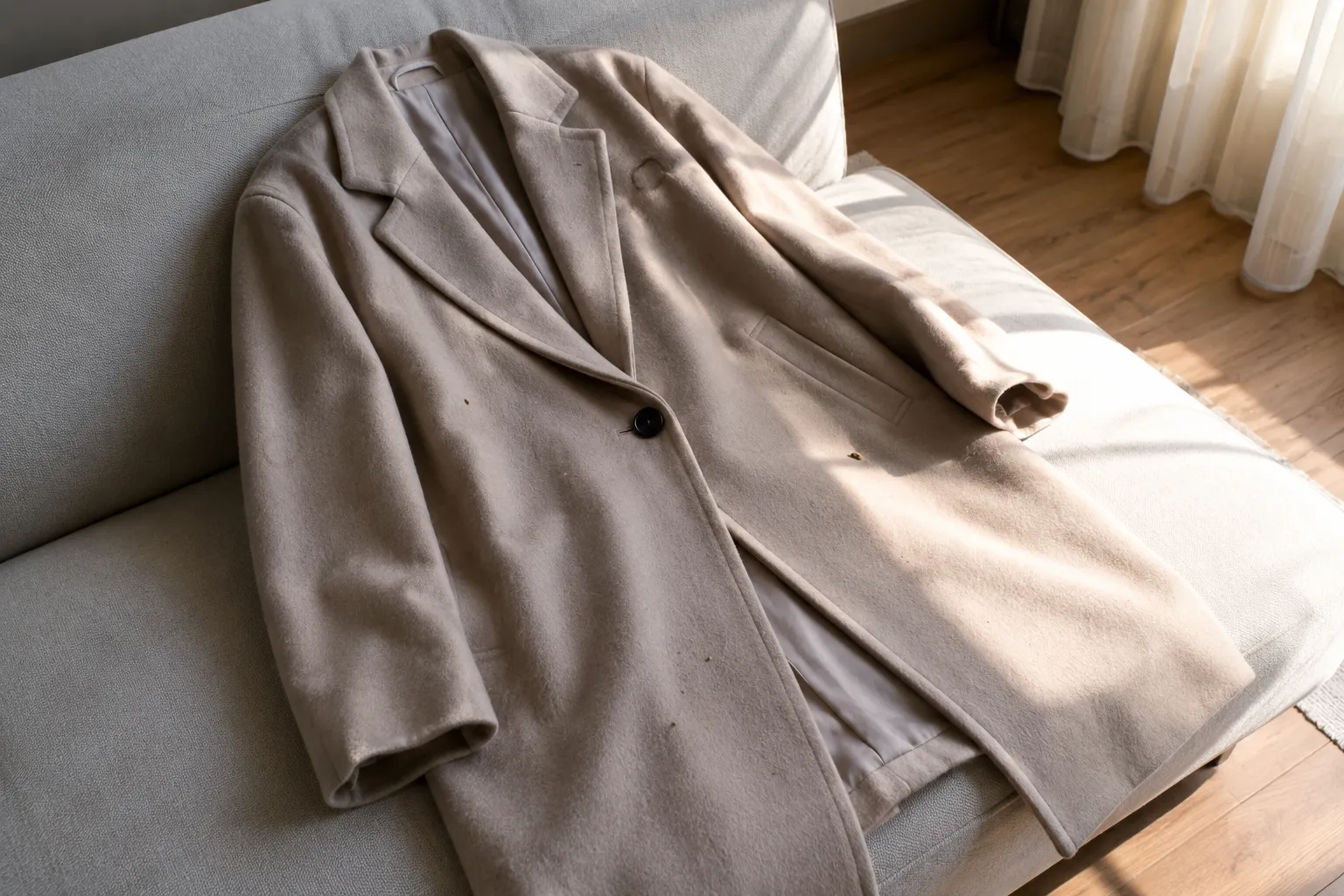
 After
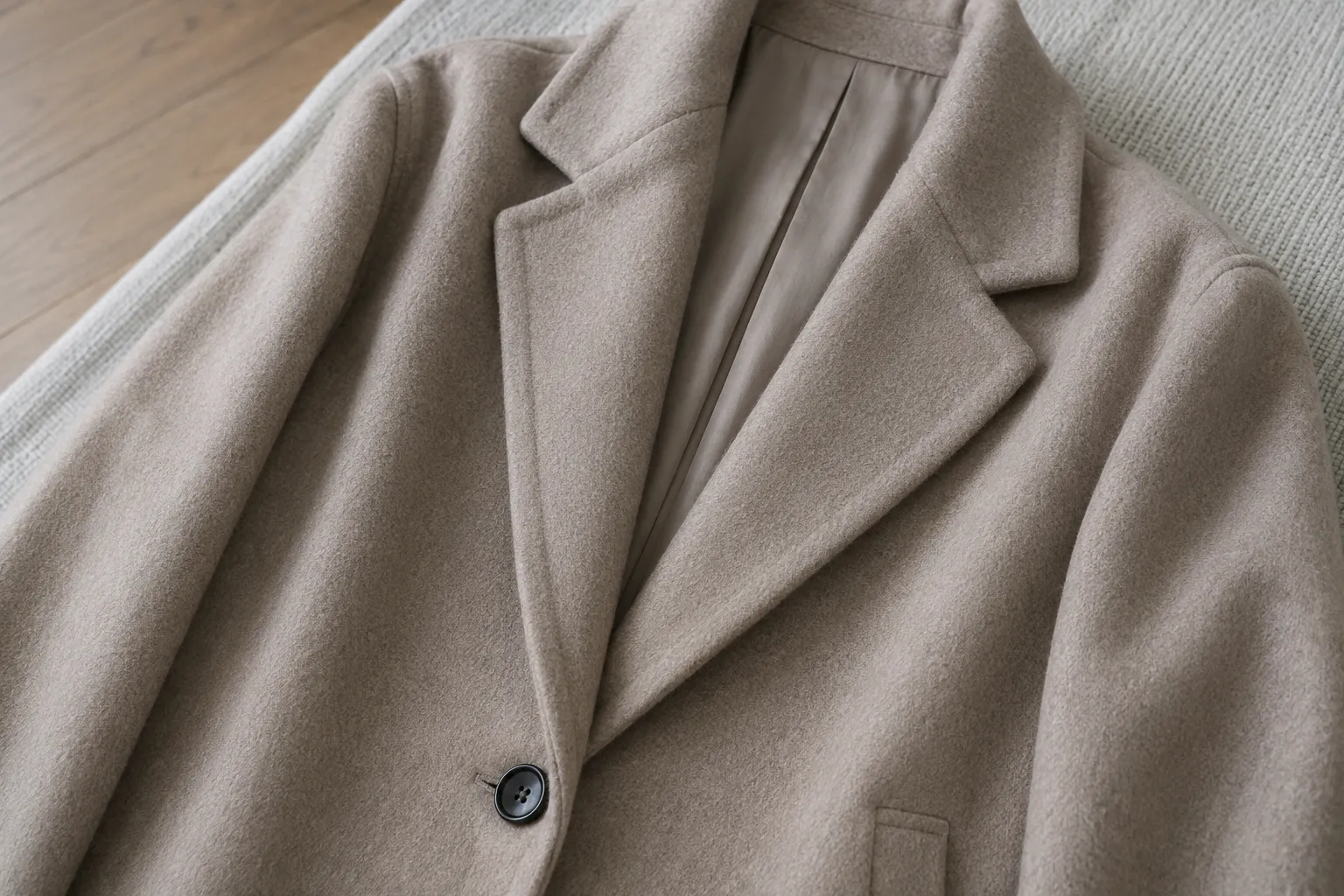
After
Request: A wool coat with a coffee stain on the sleeve and dust on the collar.
Done: Professional dry cleaning using gentle solvents and stain removers for wool.
Cost: 8 000 ₸
Master: Aigul Nurgaliyeva, dry cleaning master
Total: The coat is completely free of stains, restored to its original appearance and softness.
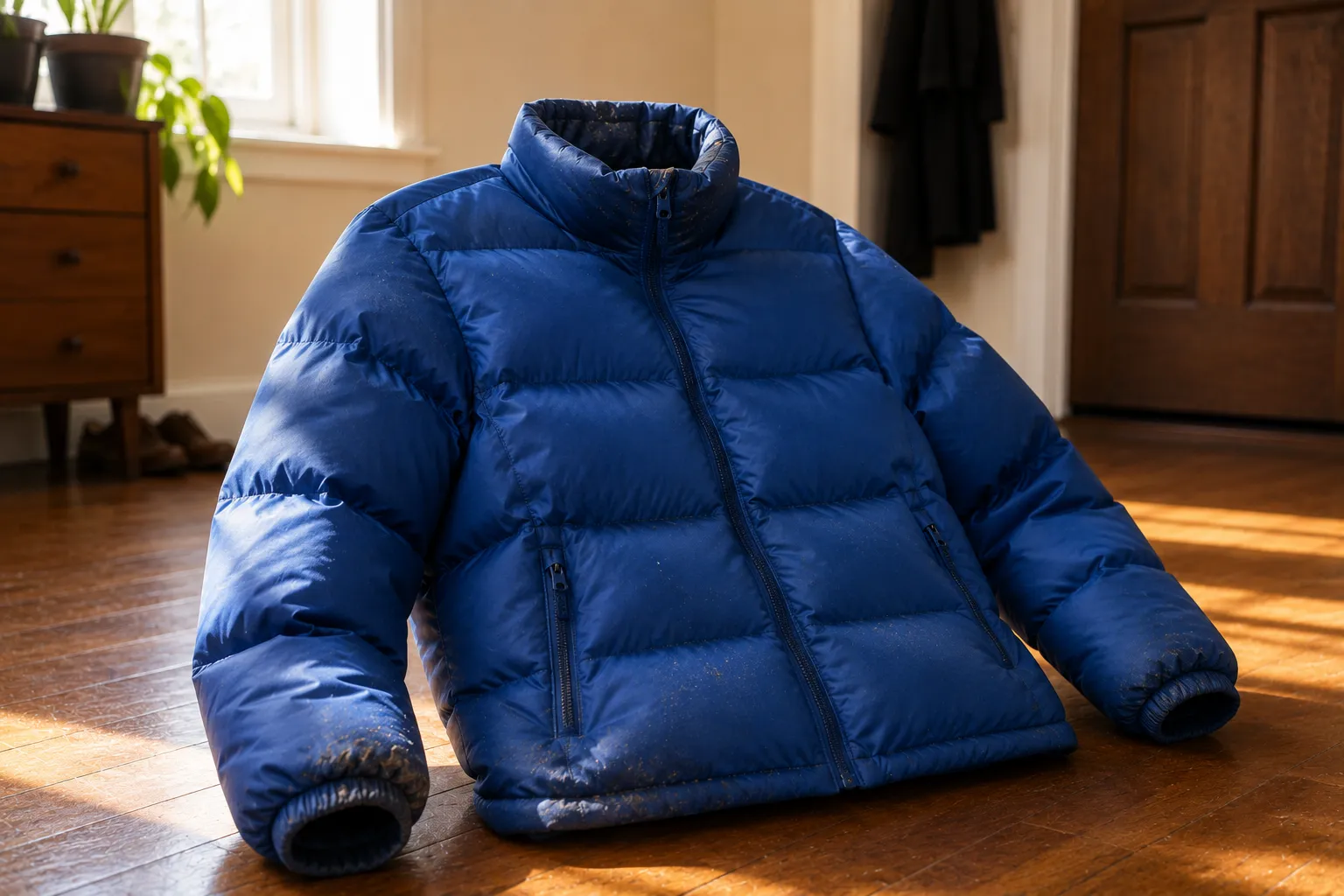
 After
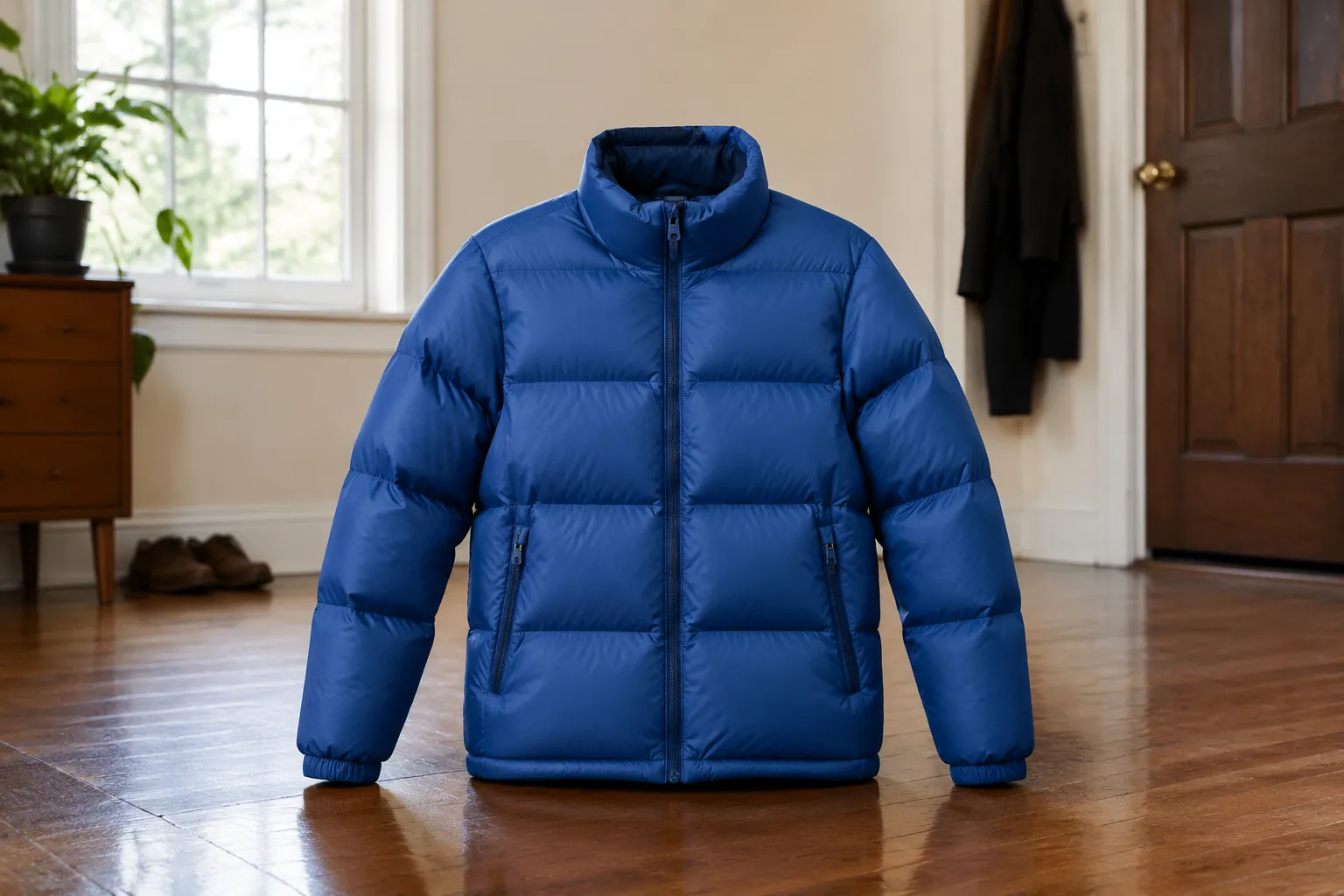
After
Request: A white down jacket with grease stains on the chest and general soiling.
Done: Dry cleaning performed with pre-treatment of stains and gentle drying.
Cost: 7 000 ₸
Master: Marat Askarov, dry cleaning master
Total: The down jacket is snow-white, the down has regained its volume, no stains.
 After
After
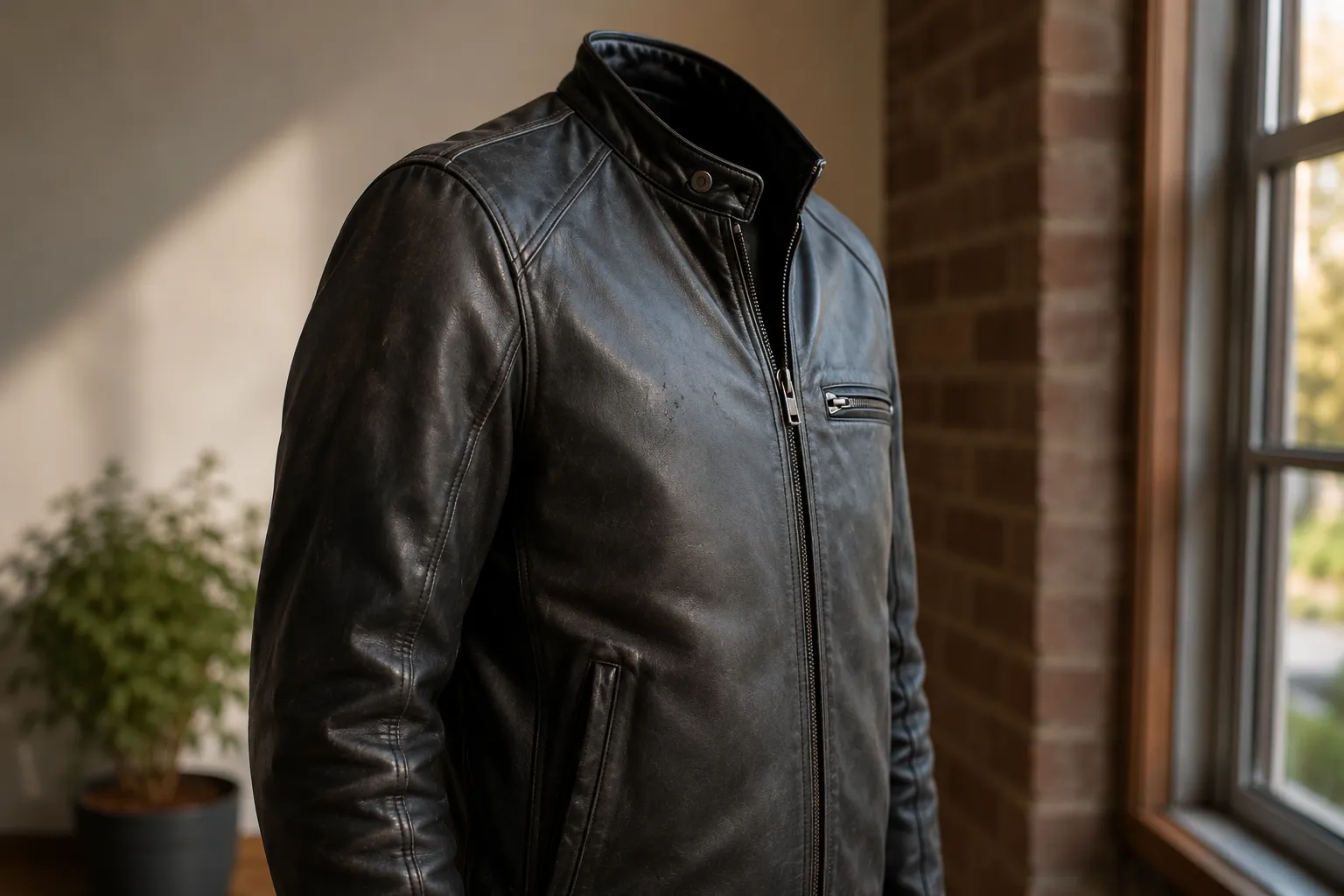
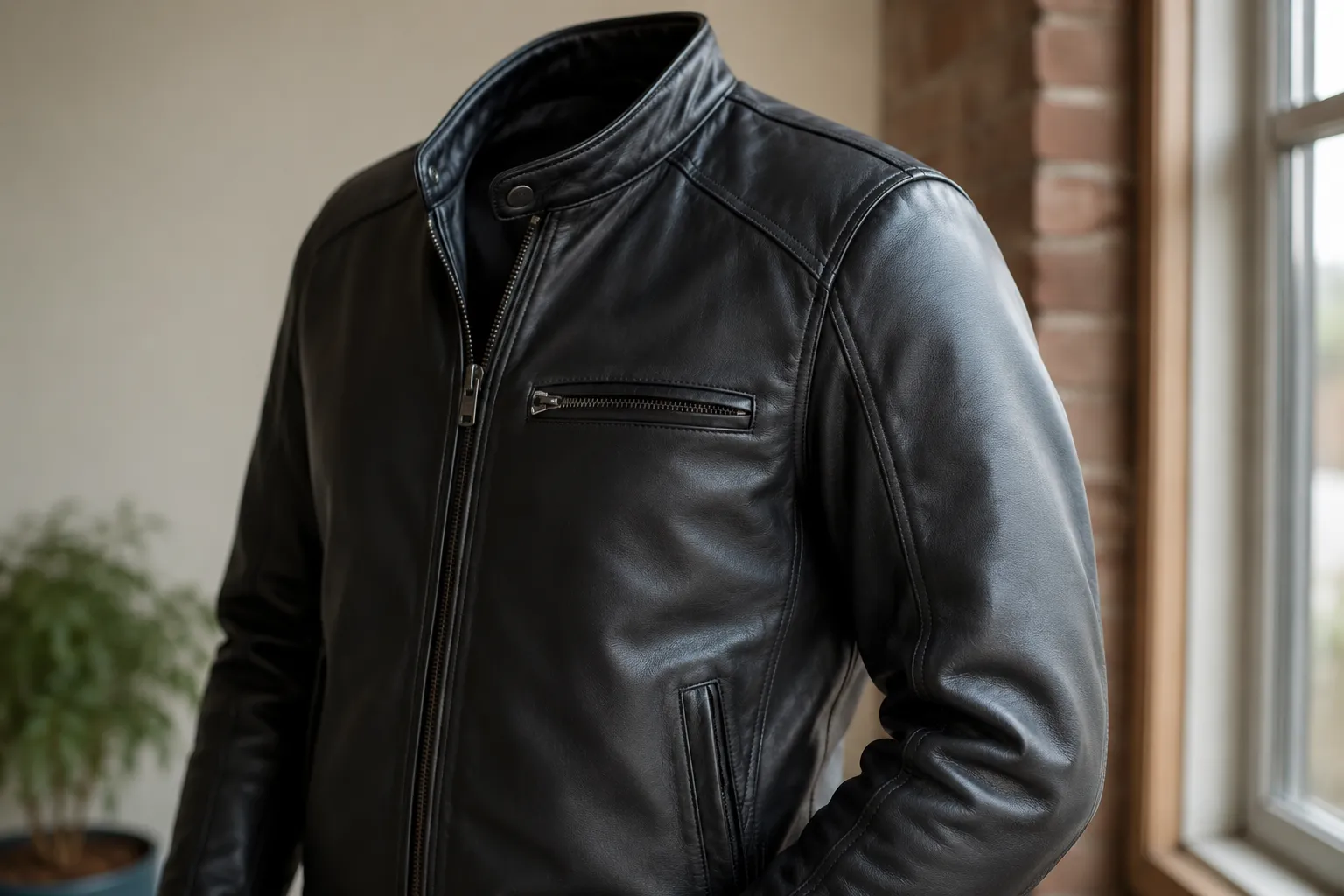
Request: A leather jacket with scuffs on the sleeves and an oil stain.
Done: Professional leather cleaning using conditioner and color restoration.
Cost: 5 000 ₸
Master: Aizhan Beketova, dry cleaning master
Total: The jacket is refreshed: stains removed, leather soft and supple.
 After
After
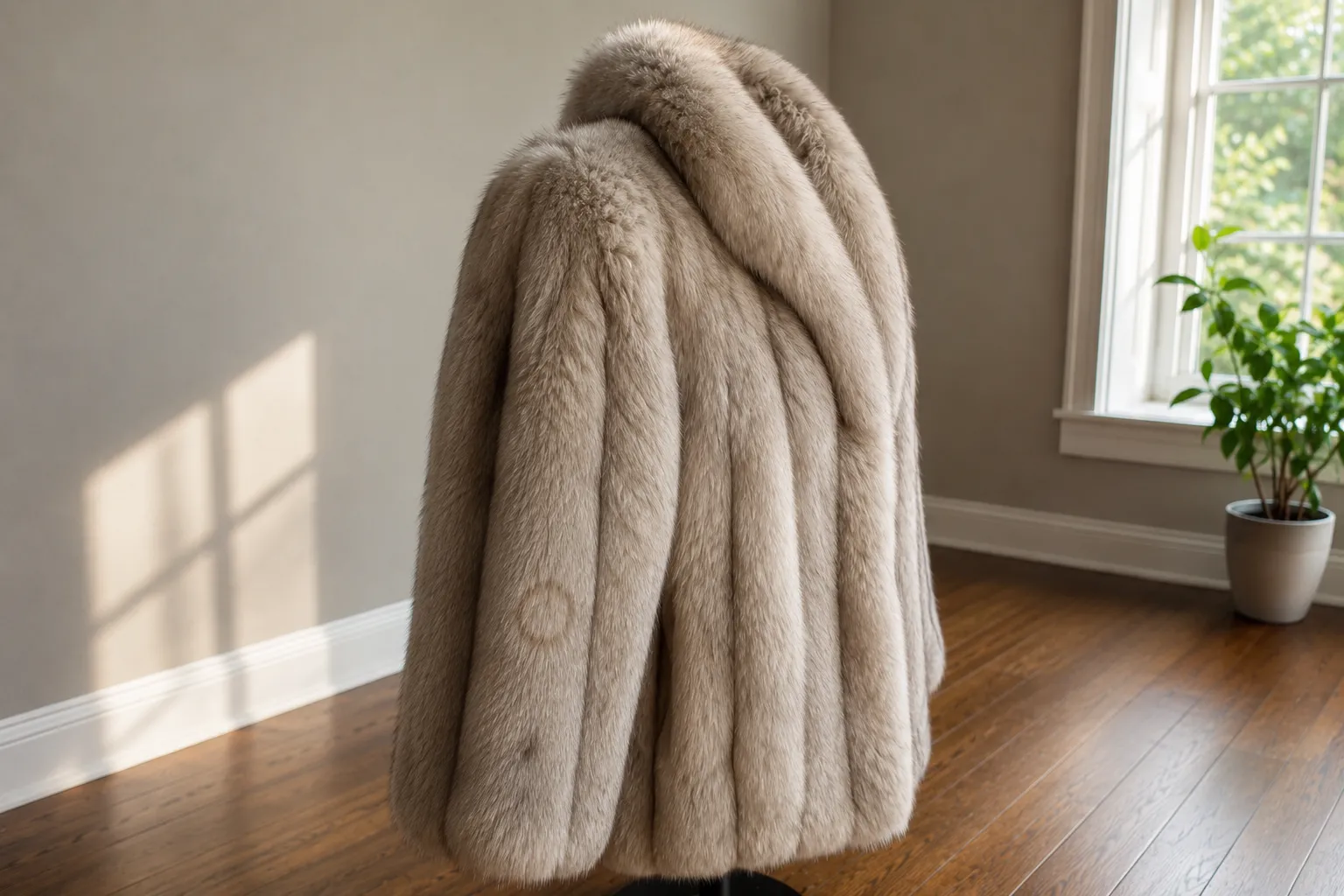
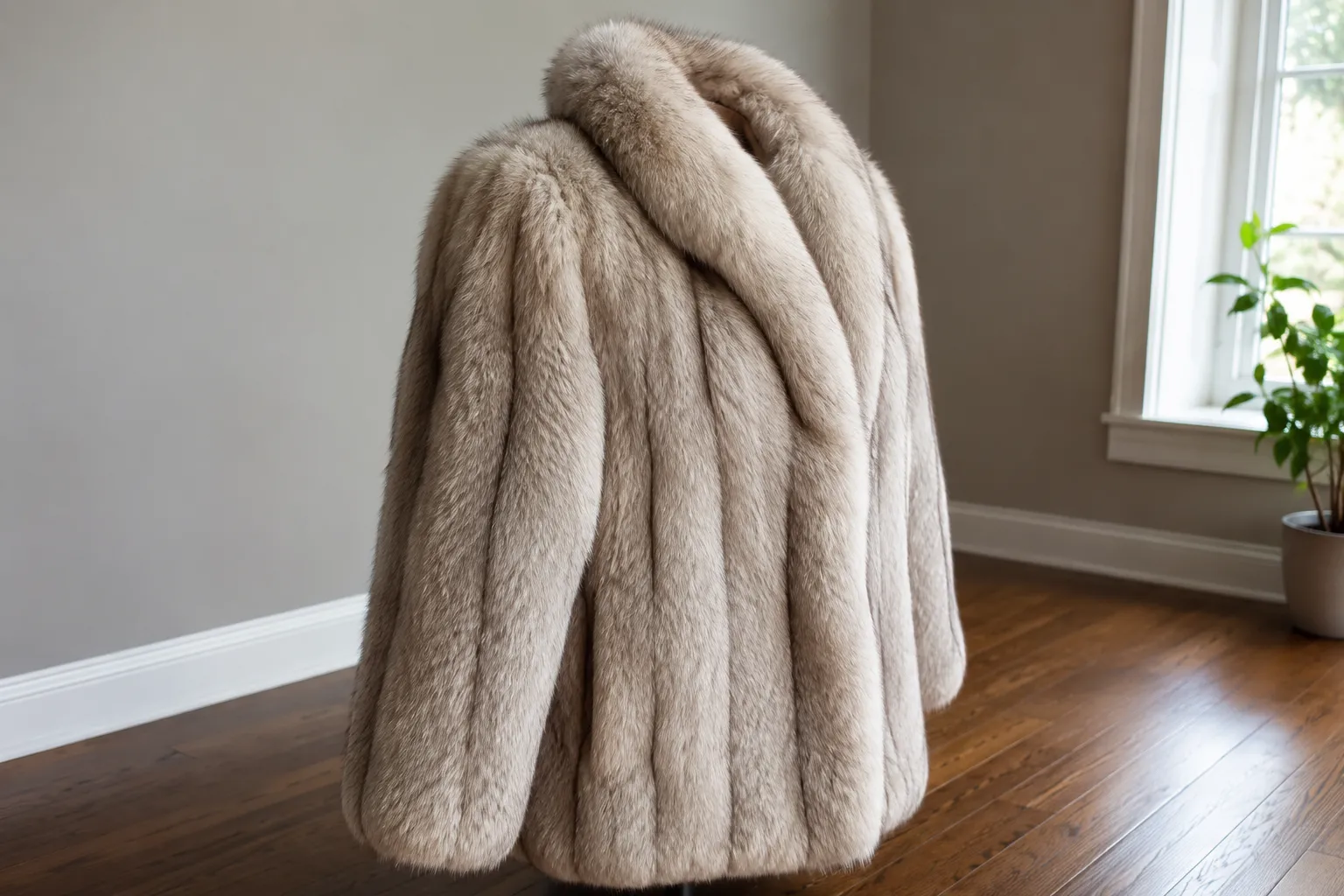
Request: A mink fur coat with yellowing on the collar and general dustiness.
Done: Gentle dry cleaning of fur using special shampoos and conditioners.
Cost: 12 000 ₸
Master: Gulnara Sagintayeva, dry cleaning master
Total: The fur coat has regained its original shine, the fur is fluffy and clean.
 After
After
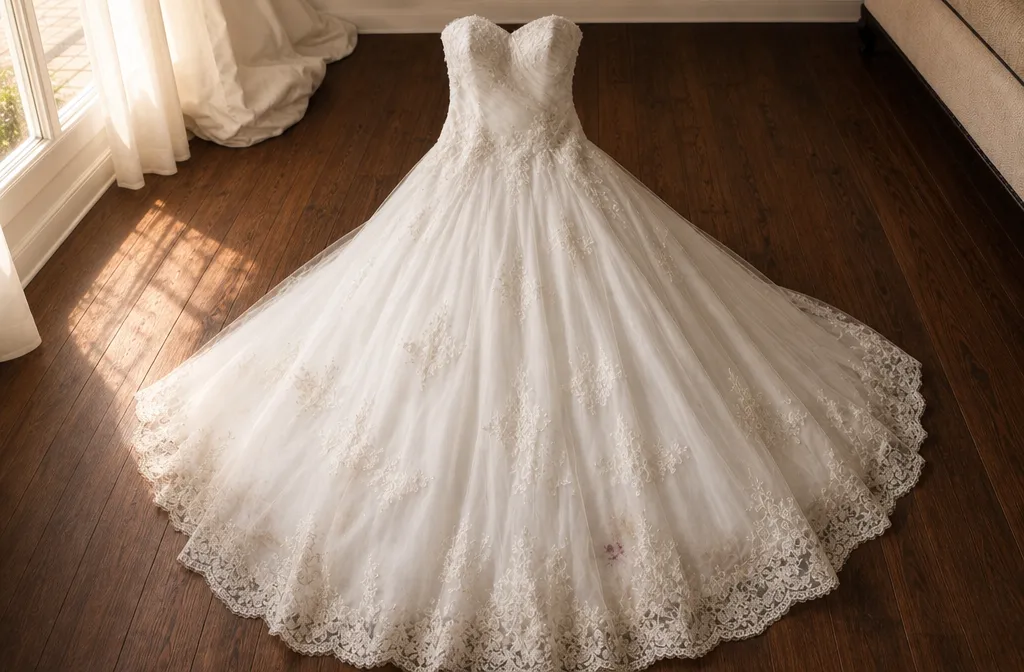
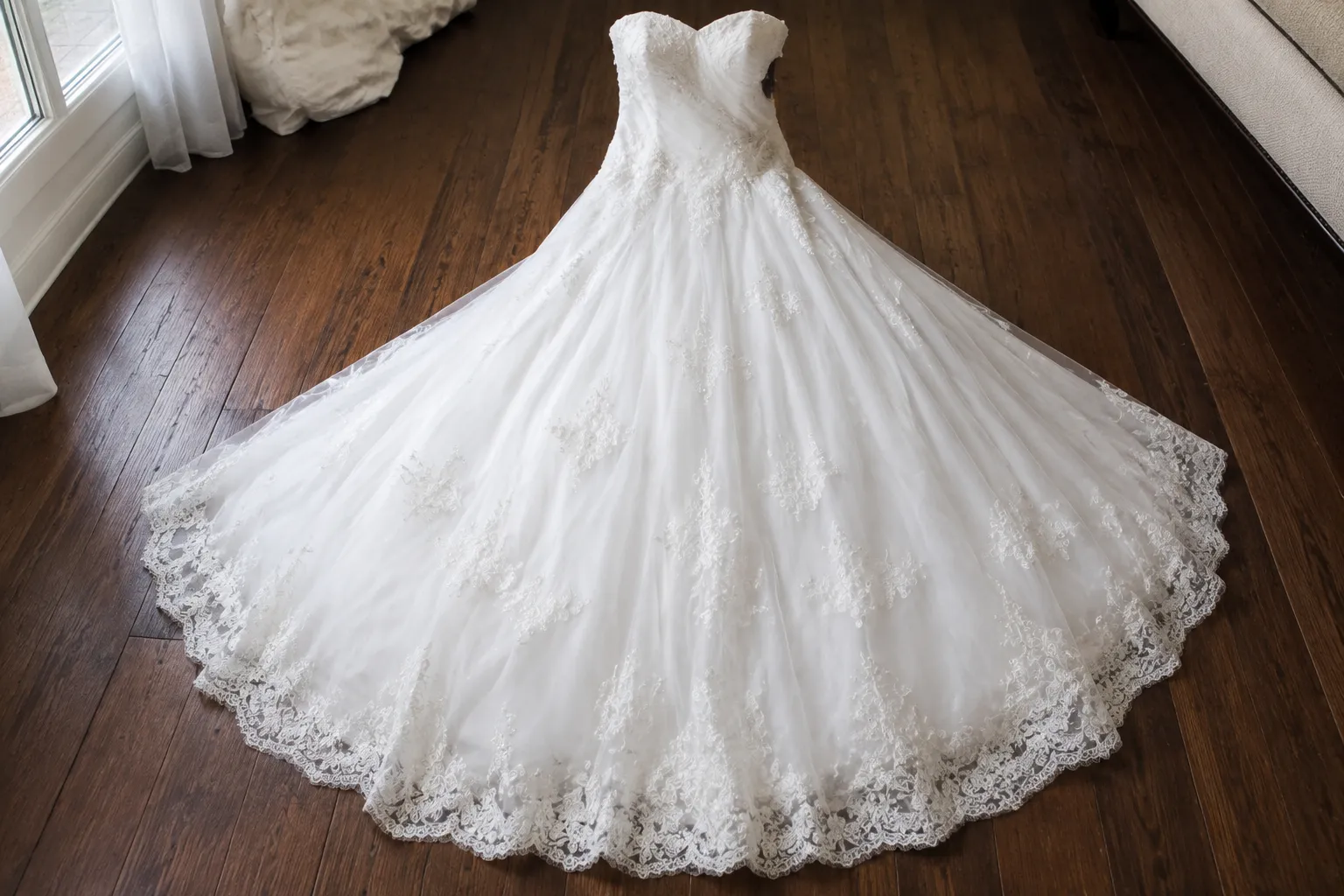
Request: A wedding dress with grass and wine stains on the hem.
Done: Hand cleaning using stain removers and bleaches for delicate fabrics.
Cost: 4 000 ₸
Master: Lyazzat Aliyeva, dry cleaning master
Total: The dress is impeccably clean, lace undamaged, hem without stains.
 After
After
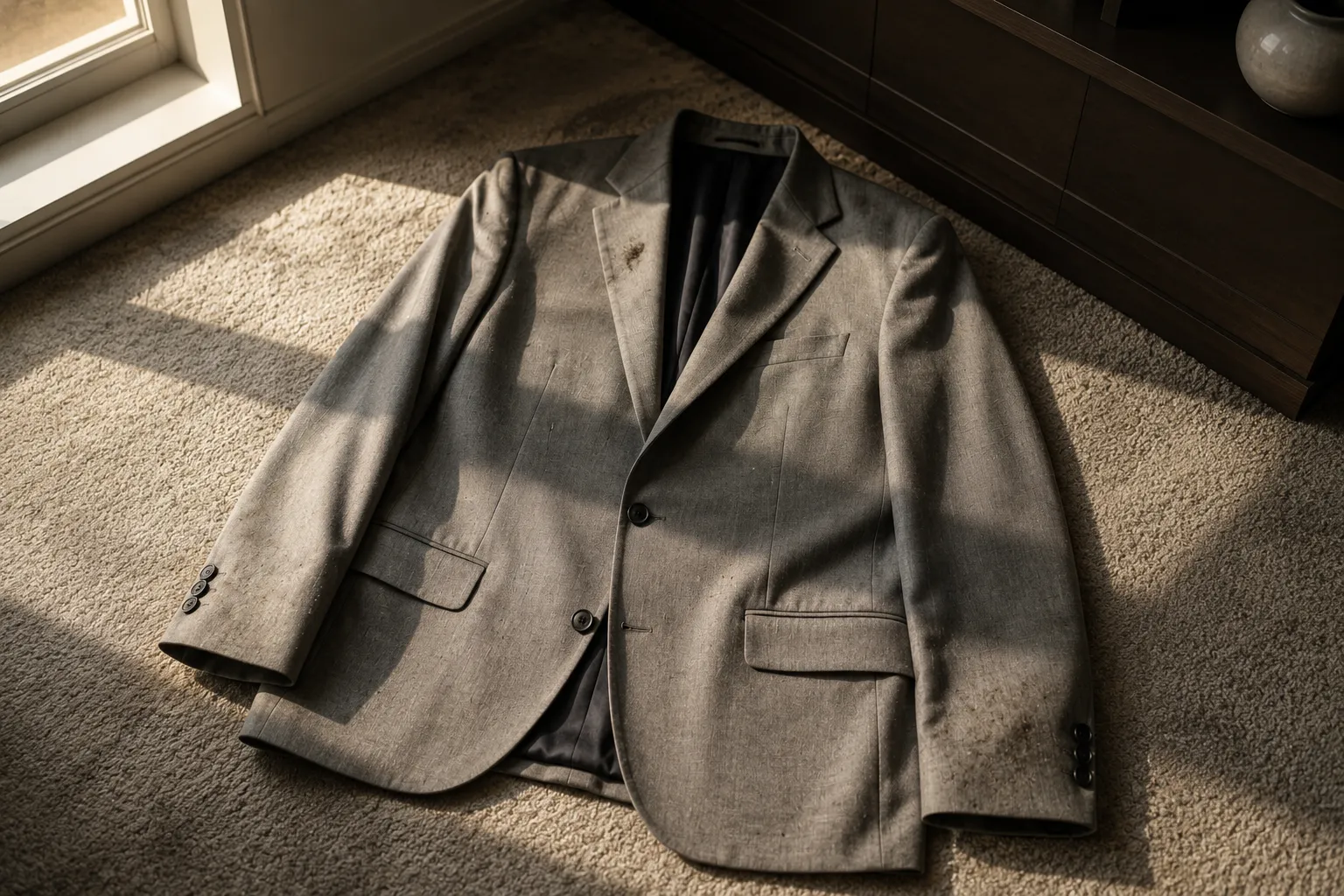
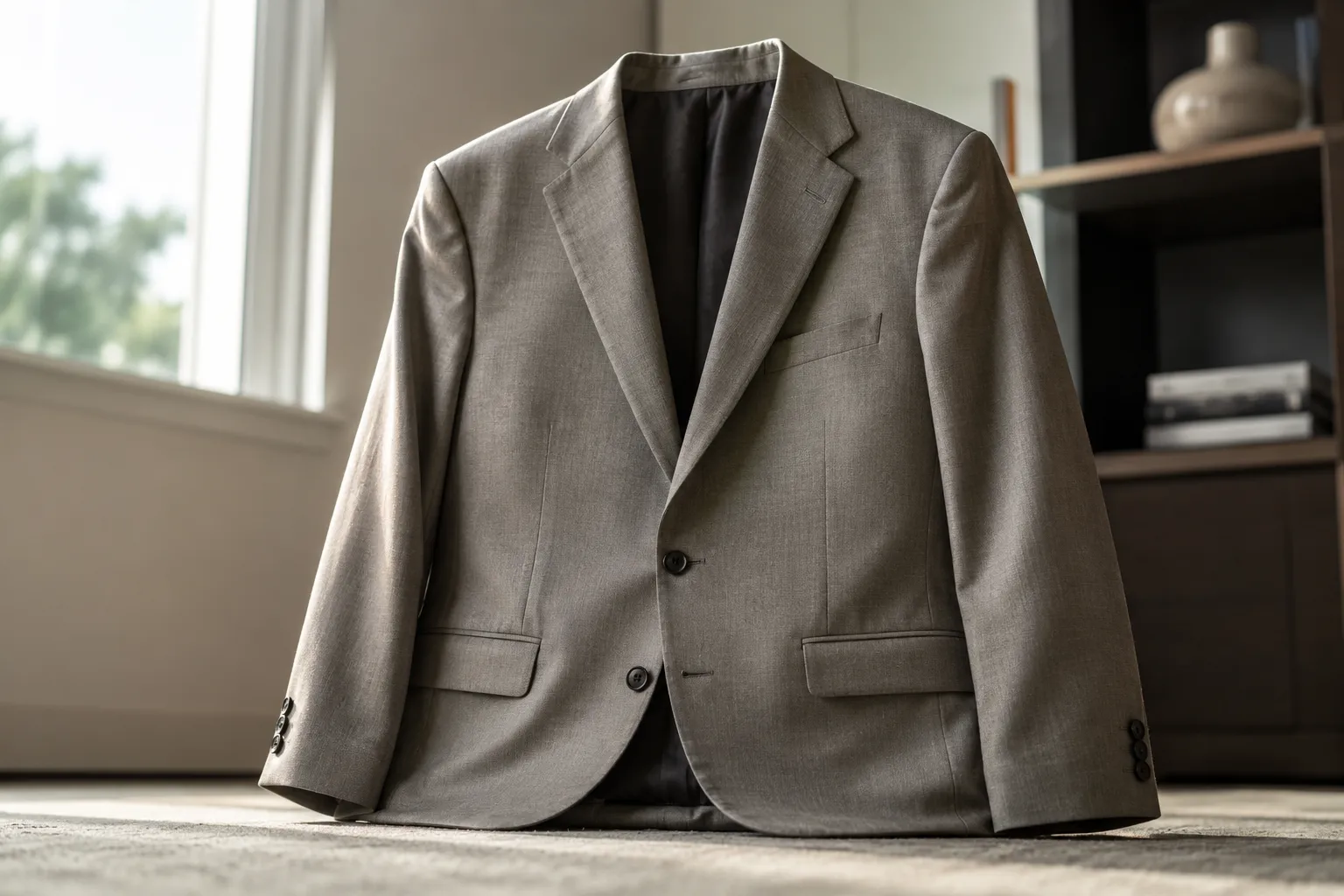
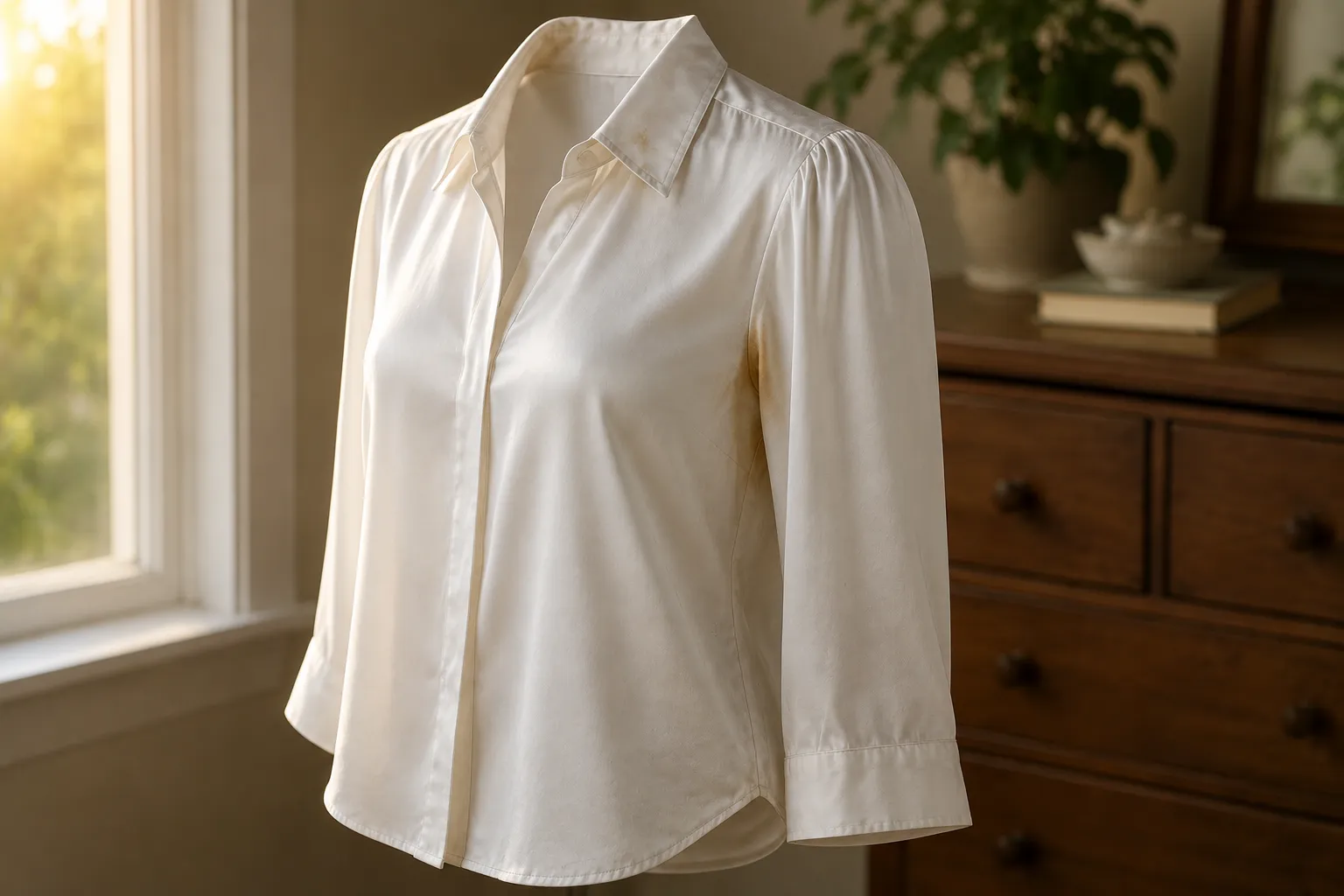
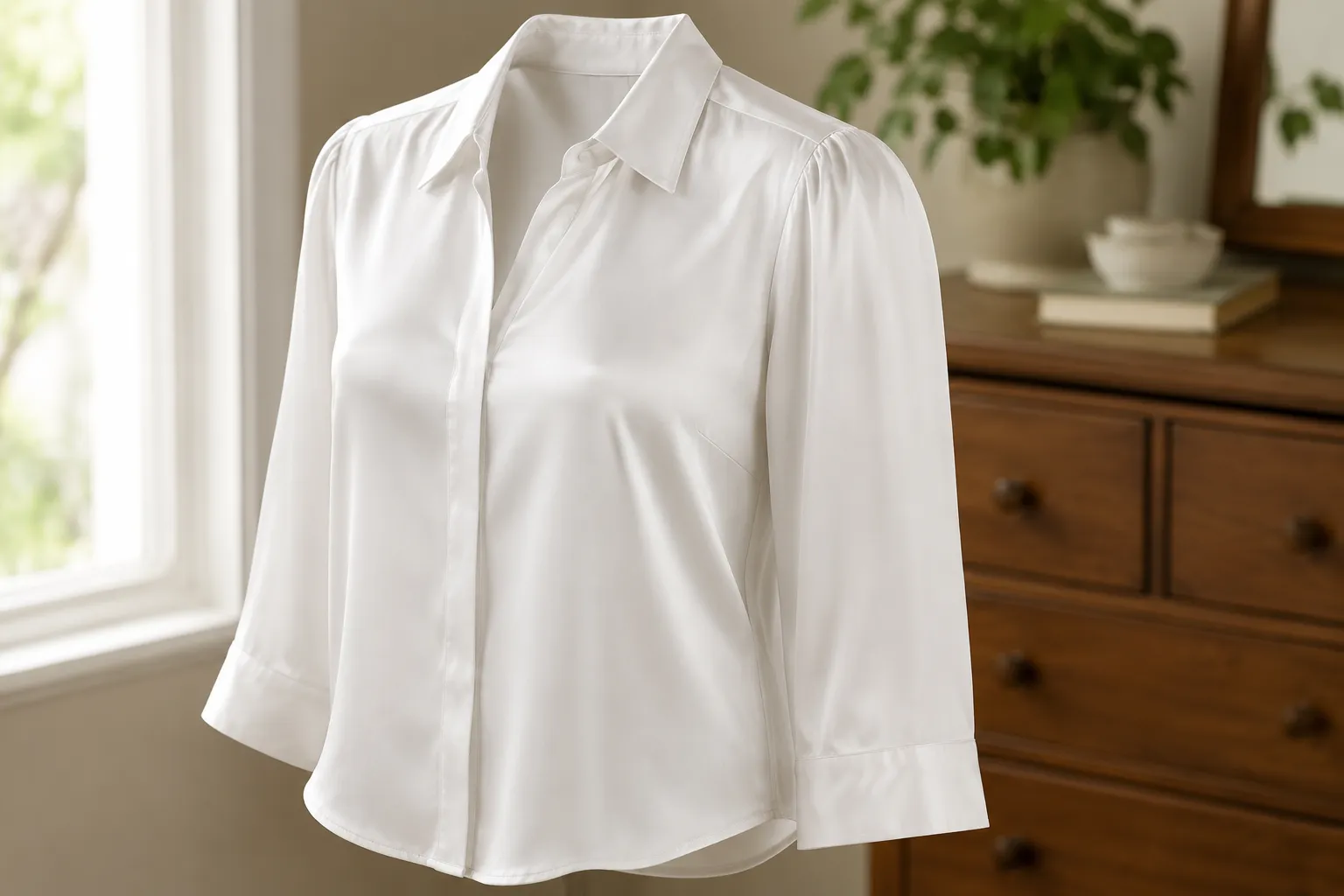
Request: Suit with sauce stain on jacket and scuffs on trousers.
Done: Dry cleaning of suit with stain removal and steaming to restore shape.
Cost: 6 000 ₸
Master: Yerlan Karimov, dry cleaning master
Total: The suit looks like new, all stains removed, fabric refreshed.
 After
After
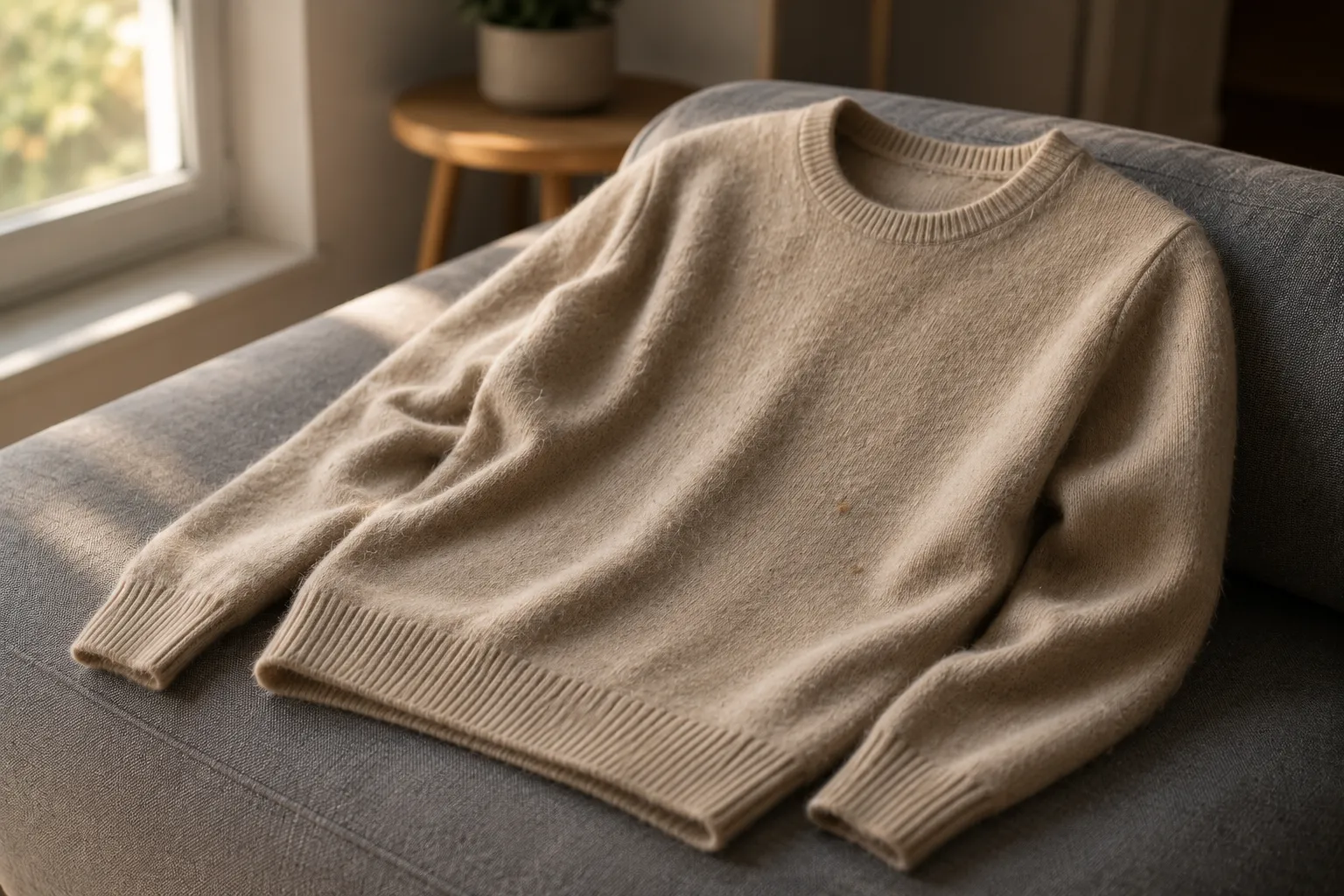
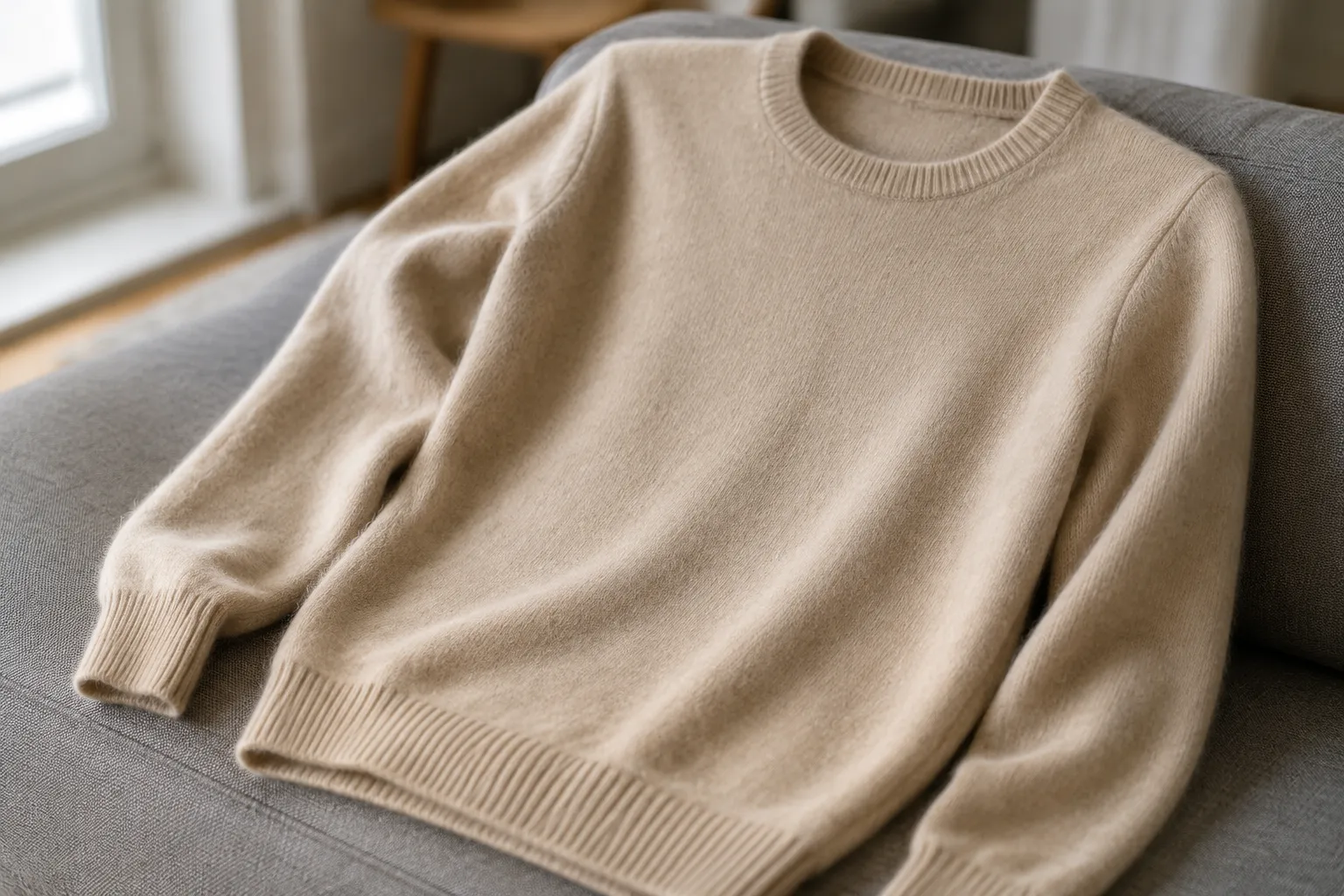
Request: Knitted dress with pills and red wine stain.
Done: Delicate dry cleaning with pill removal and stain treatment.
Cost: 4 000 ₸
Master: Aliya Seitkazina, dry cleaning master
Total: Dress without pills or stains, knitwear soft and smooth.
 After
After
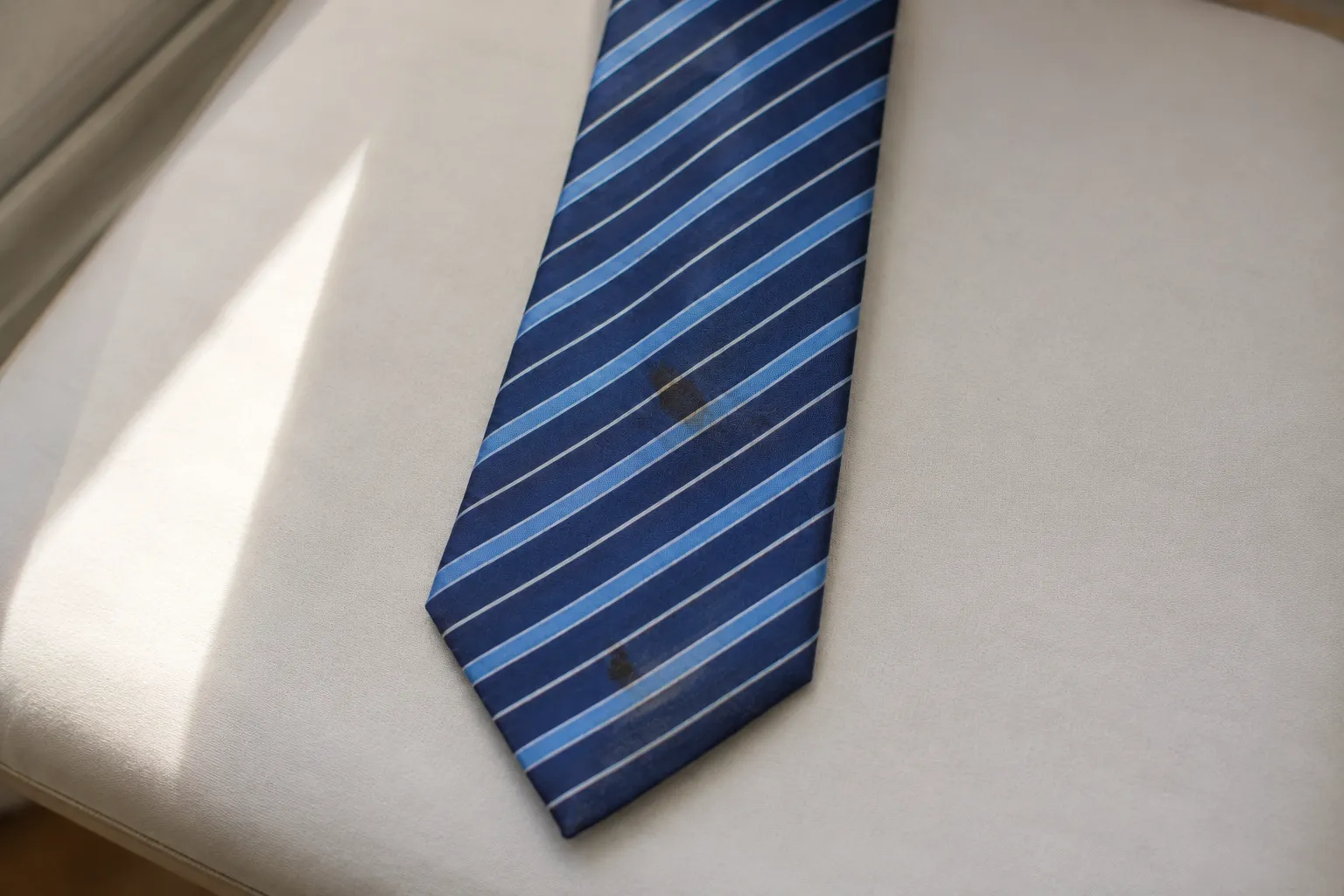
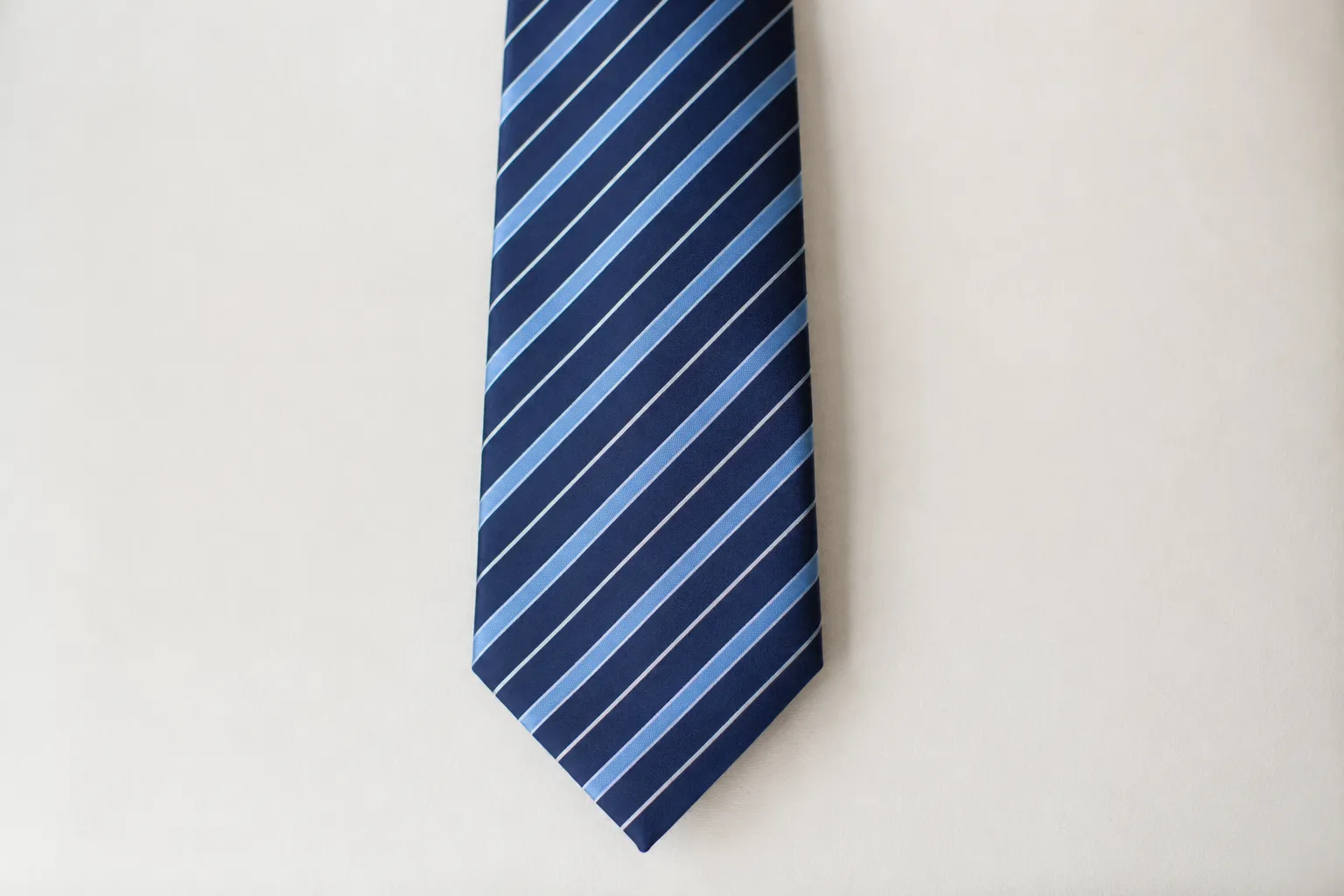
Request: Silk tie with coffee stain and general soiling.
Done: Hand cleaning of tie using gentle solvents.
Cost: 1 500 ₸
Master: Dinara Zhumabayeva, dry cleaning master
Total: Tie perfectly clean, color bright, fabric undamaged.
 After
After
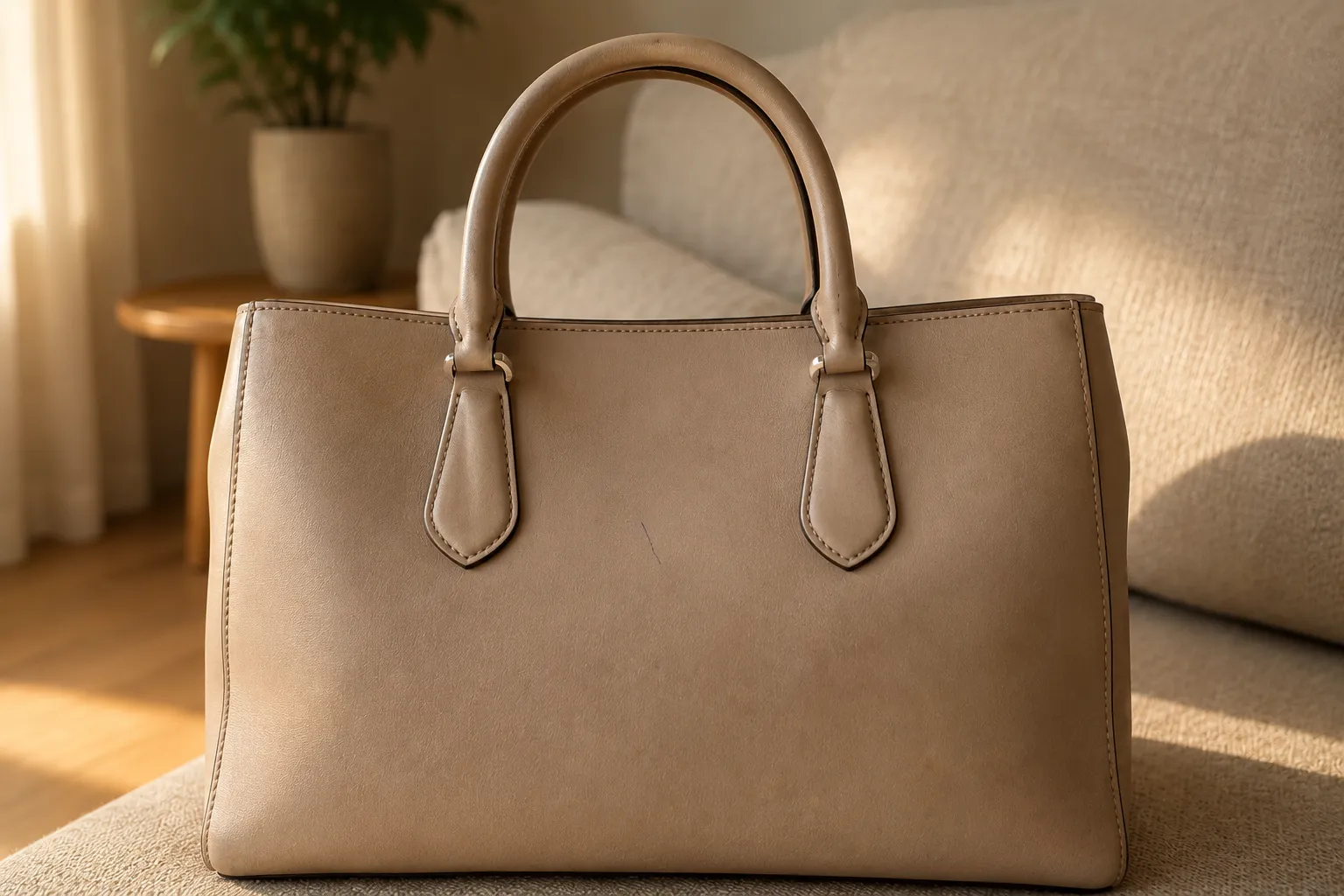
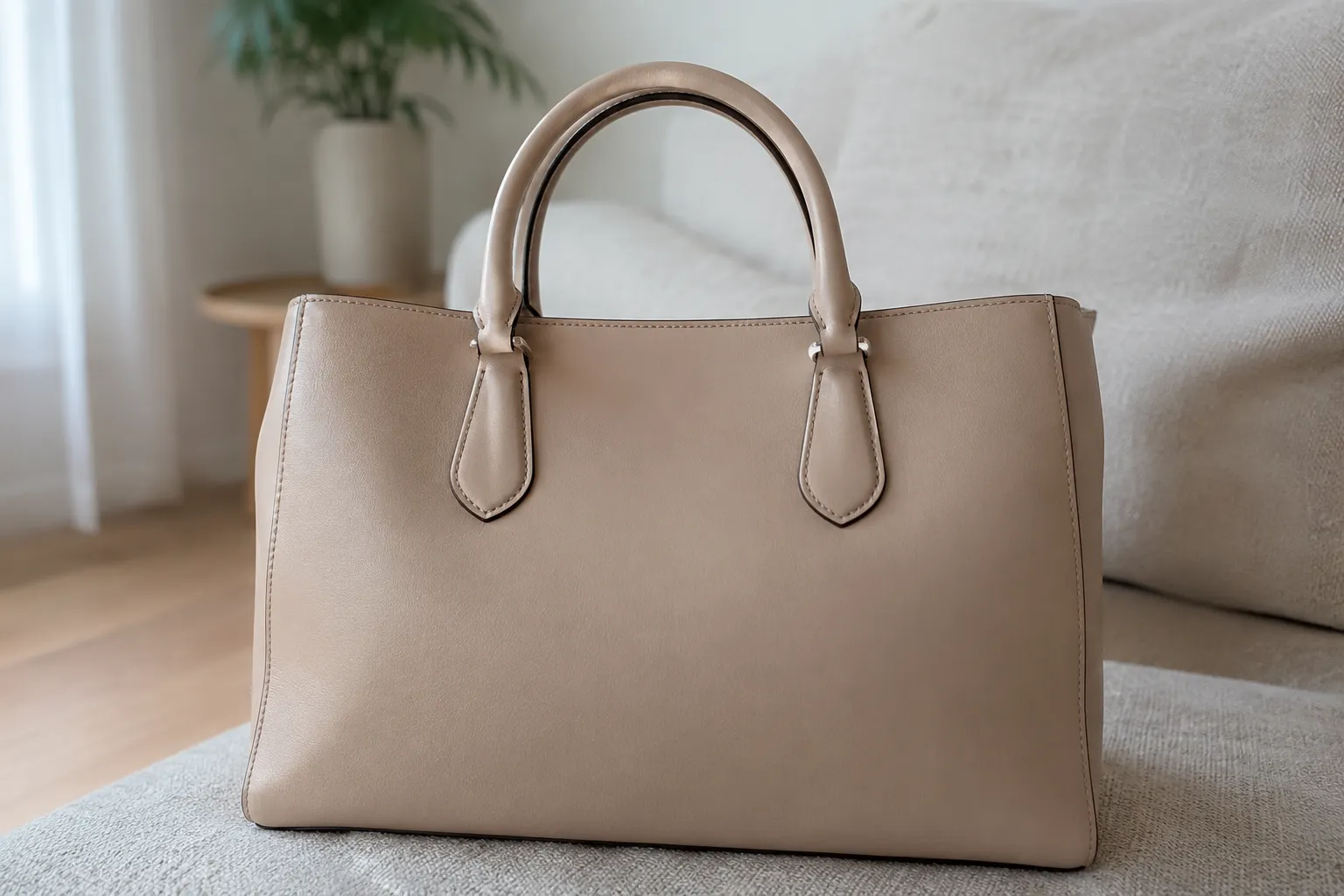
Request: Leather handbag with scuffs on corners and ink stains.
Done: Leather cleaning with ink stain removal and protective cream application.
Cost: 14 000 ₸
Master: Saule Mukanova, dry cleaning master
Total: Bag restored: no stains, leather moisturized and shiny.
 After
After
Request: Leather shoes with scratches and water stains.
Done: Leather cleaning, water stain removal, and shoe cream application.
Cost: 13 000 ₸
Master: Nurlan Abdrakhmanov, dry cleaning master
Total: Shoes shine, scratches polished, leather soft.
All cleaners are profi-clean staff with training, uniform and security check. Each order has a team leader who controls quality.
In the dry cleaning of expensive garments, the difficulty of a stain is determined not so much by its “aggressiveness” but by the chemical compatibility of the fiber and the contaminant. Our practice in Almaty shows that three types of stains consistently require an individual selection of solvent and dwell time — aged oily-grease stains, tannin stains (wine, tea, berries), and protein stains (blood, dairy, sweat). Each behaves differently on wool, silk, and synthetics, and a mistake in the solvent ruins the item faster than the stain itself.
Grease penetrates the fiber structure within the first 15–20 minutes, and on silk and cashmere — almost instantly, forming a strong bond with the fabric’s molecules. We use a stepwise dissolution method: on an aged oil stain on a coat or suit, we apply a degreasing pre-spotter based on limonene (Kiehl), followed by a neutral enzyme solution for the residual layer. If the stain is older than two weeks and has already been subjected to home treatment with soap or oil — the grease becomes “sealed” within the fiber, and it has to be removed over 2–3 cycles with intermediate drying. On wool and silk, a grease stain must not be rubbed — the pile deforms, leaving a light mark. In our practice, there was a case with a silk blouse: the oil had been there for a month, wet treatment caused a halo — we had to dry it, apply an absorbent (talc + starch) for 6 hours, and only then start the second cycle. Before sending an aged grease stain to the dry cleaner — do not rub it, wet it, or sprinkle it with salt: this fixes the contamination deeper.
Tannins are natural dyes that oxidize in the air and become “imprinted” into the fiber, especially in cotton, linen, and viscose. The challenge is to prevent the stain from being set by heat: hot water or an iron turns it into an indelible yellow-brown ring. We treat tannin stains with a cold solution of hydrogen peroxide (3–5%) with the addition of a neutral surfactant — it lifts the dye to the surface without breaking the fiber. On white cotton, this works in 10–15 minutes; on colored silk, it takes longer, with pH control every 5 minutes. In Almaty, tea stains are a frequent problem on tablecloths and shirts due to the local habit of drinking tea with milk: milk protein + tannin create a double bond, and without an enzyme pre-spotter, the stain remains. A fresh red wine stain is the only one that can be attempted to be doused with cold sparkling mineral water (the gases push the dye out), but on silk and wool, it’s better not to touch it at all and bring it straight to the dry cleaner.
Protein coagulates at temperatures above 40 °C — hot water “cooks” it inside the fiber, making such a stain impossible to remove. Therefore, we treat blood stains only with cold water and a neutral enzyme solution (protease breaks down the protein into amino acids). On wool and cashmere — especially cautiously: protease can also damage the fiber itself (keratin is also a protein), so the dwell time is strictly 3–5 minutes. Sweat stains are a common problem on the underarms of expensive jackets and blouses: they contain not only protein but also salts, which crystallize and leave a white residue after regular washing. We use a combination of an enzyme pre-spotter + an acetic acid buffer (pH 5.5) to dissolve the salts. In Almaty, due to the hot summer and sharp humidity fluctuations, sweat stains on silk blouses and cotton shirts are one of the most frequent requests in our practice, and the main mistake clients make is trying to wipe them off with a wet wipe, which only spreads the salts over a larger area. For a fresh protein stain — apply a cold, damp cloth (do not rub) and bring it to the dry cleaner within 2–3 hours.
The frequency of dry cleaning depends not on the calendar, but on the intensity of wear, the type of fabric, and storage conditions — there is no universal schedule, and recommendations differ for wool, leather, and delicate knitwear.
For outerwear made of wool, cashmere, or drape fabric, the optimal regimen is one professional cleaning at the end of the season before storing it in the closet. In my opinion, this is sufficient if the item hasn’t come into contact with strong contaminants: rain streaks, greasy food stains, or makeup marks on the collar. In Almaty, with its sharp temperature fluctuations and dusty winds in spring and autumn, a down jacket can get dirty faster — in that case, an intermediate cleaning mid-season extends the lifespan of the filling. After each wash or dry cleaning, down loses some of its water-repellent coating, and too frequent treatment (more than twice during winter) destroys the feather structure. Here at profi-clean, we recommend clients assess not the time but the condition of cuffs, collars, and elbows — if visible grime appears on these areas, it’s time to bring the item in without waiting for the end of the season. The exception is stains from oil or red wine: these need to be removed within the first 24 hours, otherwise, set-in contamination embeds permanently into the fibers.
Jackets, trench coats, and bags made of genuine leather require dry cleaning no more than once a year if there are no mechanical stains. Frequent exposure to chemical compounds, even professional ones, dries out the leather and wears away the factory dye — this is especially noticeable on light shades (beige, powder, milky). Suede is even more finicky: it is cleaned only when visibly soiled, and overly active care (more than twice a year) wears down the nap and leaves bald spots. In our orders, we’ve encountered cases where a client brought in a leather jacket every three months “just to freshen it up” — after the third time, micro-cracks appeared on the elbows, which had to be masked with paint. Practical advice: between professional cleanings, use only dry cleaning with a soft brush and a damp microfiber cloth, and for greasy stains on leather, dust them with talc for an hour — it absorbs the oil without contact with harsh chemicals.
Knit dresses, sweaters, and blouses made of expensive fabrics (cashmere, angora, natural silk) are cleaned after 3–4 wears, not by season. Silk absorbs sweat and perfume instantly, and if you miss the moment, ingrained odor and yellowing at the underarms cannot be removed even with professional stain removers — the fabric loses color irreversibly. Cashmere, on the other hand, suffers from frequent wet treatment: after each dry cleaning, it loses 3–5% of its nap, and after 6–7 cycles, the item becomes thin and translucent. The optimal rhythm is cleaning after 3–4 wears or immediately if a stain appears. In Almaty, due to the dry air, knitwear becomes statically charged and attracts dust more than in humid climates — so between cleanings, it’s worth treating items with an antistatic spray for delicate fabrics (alcohol-free spray) and storing them in breathable garment bags, not plastic.
Fur (mink, arctic fox, sable, muton) is cleaned once a year — at the end of winter, before storing it in a refrigerated unit or fabric garment bag. More often is only necessary if there are visible stains (lipstick marks on the collar, champagne spots). The reason is that the leather base (the skin side of the fur coat) loses elasticity with each wetting, and after 3–4 dry cleaning cycles, it can crack at the folds — this is especially critical for mink with its thin leather base. At profi-clean, we test every fur coat for nap shedding before and after treatment: if the loss exceeds 10 hairs per test, we postpone cleaning and recommend only dry steam and UV treatment. Another nuance: in Almaty, where winter often brings wet snow with de-icing reagents, the fur on the hem and sleeves can yellow from salt — such areas need to be cleaned locally, without touching the entire coat, to avoid drying out the rest of the surface.
Decorations on clothing are not a problem for dry cleaning if you know how they are attached and what they are made of. In our practice, every third item with embellishments arrives at the service with damage after home washing. We’ve broken down three types of decor so you understand the risks and can preserve the item for years.
Glued sequins fall off upon contact with any solvent or water above 30 °C — the adhesive loses elasticity, and the decoration sheds already in the machine drum. Sewn-on sequins are held by nylon thread, which withstands up to 60 °C and chemical reagents, but only if the thread is not frayed or damaged. At profi-clean, we inspect each sequin under a magnifying glass: if even one thread has snapped, the item goes for hand cleaning with spot treatment — machine drying or spinning at 800 rpm will complete the destruction. On items with glued decoration, we apply a protective gel barrier before loading into the drum — it fixes the sequins for the cycle duration and prevents them from detaching from the fabric. After dry cleaning, we recommend checking all sequins manually: if the decoration is curling or lifting, ask the technician to secure it with hot-melt adhesive — it costs next to nothing but extends the item’s life by 2–3 seasons.
Sewn-on rhinestones are attached with a metal base featuring four holes — such decoration withstands up to 10 dry cleaning cycles without loss, if mechanical spinning is not used. Pressed rhinestones are held only by glue, which softens at temperatures above 40 °C and in acidic environments — and most stain removers have a pH of 4–6. In one of our orders, we had an evening blouse with pressed Swarovski rhinestones: the client tried to remove a wine stain with vinegar at home, and 12 stones fell off even before contact with chemicals. We replaced them with similar sewn-on rhinestones of the same cut — this took 2 hours of manual work, but the item received a decoration guarantee, and the client got a memo: “do not wet, do not steam, do not rub.” For items with pressed rhinestones, we use only cold chemistry (water temperature up to 25 °C) and drying on a horizontal surface without heat — this is the only way to keep the stones intact. If rhinestones have already started falling out, do not try to glue them with superglue — cyanoacrylate destroys polyester and nylon, leaving a white residue on the stone’s spot that cannot be washed off.
Embroidery with thick threads (floss, wool, lurex) shrinks up to 10% upon contact with water — this means folds form around the embroidery, and the fabric “gathers” like an accordion. In our practice, there was a case with a cashmere cardigan embroidered with wool satin stitch: after home washing in warm water, the embroidery shrank by 1.5 cm, and the cashmere in the decoration area deformed — we had to resew the fragment onto new fabric. For embroidery, we use only dry cleaning with chemical reagents (perchloroethylene or hydrocarbon solvents) — they do not cause thread shrinkage and do not wash out dyes from lurex. Before loading, we cover the embroidery with a special mesh cover with 1 mm cells: it protects voluminous threads from snags but allows solvent vapors to pass through for stain removal. For items with lurex embroidery, the rule is: the thinner the thread, the fewer dry cleaning cycles it withstands — micro-lurex (0.2 mm) disintegrates after 3–4 treatments, so such items should only be cleaned for heavy soiling, not on a schedule.
Dry cleaning restores an item’s cleanliness, but it is what you do afterward that determines how many seasons it will last. Let’s break down how to consolidate the result and avoid common mistakes that negate the technician’s work.
Immediately after dry cleaning, we return the item in a plastic protective bag — this is not storage packaging but transport protection against dust during delivery. The bag should be removed within the first hour, otherwise condensation forms inside: the temperature change from the car to the apartment creates a humid environment that provokes a musty smell and bacterial growth on the not-yet-cooled fabric. After removing the bag, hang the item on hangers with wide “shoulders” (metal or thin plastic ones leave dents on wool and cashmere) in a well-ventilated room — a bathroom or kitchen with steam is not suitable. The optimal “rest” time is 4–6 hours to allow residual solvent vapors to fully dissipate and fibers to restore their natural shape after treatment. Room humidity should not exceed 60%, otherwise the damp fabric will not dry completely and will eventually shrink.
Rule one: dry cleaning of expensive items in Almaty ends when you choose the right storage conditions. For coats and fur coats, use only wide wooden or plastic hangers with rounded edges — wire hangers press into the fabric on the shoulders, and after a month, irreversible creases remain on the wool. Store knitwear and cashmere folded on a shelf, not on a hanger: under their own weight, they stretch, especially after dry cleaning when the fibers are still pliable. Choose a breathable storage bag — cotton or non-woven, not polyethylene. In plastic, the item “suffocates,” accumulates static, and attracts dust that embeds into the microfibers. In the closet, our recommendation is to leave a gap of 3–5 cm between hangers so air circulates and no stagnant odor forms. In Almaty, where humidity during the heating season drops to 25–30%, you can additionally hang a humidifier or a container of water in the closet — too dry air makes natural fibers brittle.
No, and here’s why: after solvent treatment and final steaming, the fabric fibers are in a state of “relaxation” — they have temporarily lost some stiffness, and a hot iron can permanently deform them, especially on silk, viscose, and fine wool. At profi-clean, we always warn: wait at least 12–24 hours for the item to fully cool down and the fibers to regain their structure. If the item is still wrinkled after storage, use a steamer at a distance of 15–20 cm from the fabric — steam gently smooths out creases without contact. You can only iron with an iron from the wrong side, through a cotton sheet, at the temperature recommended on the label (usually 150 °C for wool, 110 °C for silk). But there is a nuance: after dry cleaning, micro-particles of solvent may remain on the fabric, which, when in contact with the hot iron soleplate, can cause yellowing — we treat items with a final conditioner that neutralizes these risks, but if you are unsure, test on an inconspicuous area.
The first week after dry cleaning is the most vulnerable period for the fabric. Do not wear the item the very next day under any circumstances: the fibers have not yet stabilized, they easily absorb new dirt and deform during active wear. In our practice, we advise waiting 2–3 days in a ventilated room. The second taboo is contact with perfumes and deodorants: the alcohol base of these products reacts with residual solvent components, and difficult-to-remove stains may appear on the fabric. Third, avoid friction: a bag on the shoulder or a car seatbelt leaves pills and shiny areas on freshly cleaned wool and cashmere, which can only be removed by repeated dry cleaning. And lastly, do not wash the item in a machine after dry cleaning, even if the label indicates hand washing: the solvent has altered the surface tension of the fibers, and water can clump them together, especially on down jackets and coats with membranes. Before the first wear, check the item in the light — if you notice a residual odor or minor defects, return it to us within the guaranteed 24 hours: we will re-treat it free of charge.
There are two opposing camps regarding dry cleaning of expensive items: some are sure that any cleaning “kills” the fabric, others that without it, the item quickly loses its appearance. The truth, as usual, lies in the middle — and depends on who you trust with the item and what solvents are used.
The main myth is that solvents “dry out” the fibers. In reality, professional perchloroethylene and hydrocarbon solvents (K4, K5) do not interact with cellulose, wool, or silk at the molecular level. They only dissolve fatty contaminants, which over time oxidize and destroy the thread from the inside. If unsightly skin oil remains on a coat or suit in the collar and cuff areas, after 2-3 seasons, micro-cracks and irreversible wear will form in these areas. At profi-clean, we use equipment with a closed loop: the solvent passes through a distiller, returns clean, and the dirt settles into waste — no contact of the fabric with a dirty composition. The paradox: an item that is cleaned once a season lasts longer than one that is never cleaned — simply because dirt does not have time to set into the thread structure.
The real danger comes not from professional solvents, but from incorrectly chosen technology. The most common mistake is water-based cleaning (aqua cleaning) for wool, cashmere, and viscose. Water penetrates the core of the wool fiber, causing shrinkage and matting of the scales — the item shrinks in size and becomes stiff. The second risk is mechanical impact in the drum. If a coat has large decorative elements (glass beads, metal rivets), they can press through the fabric or leave creases during spinning. At profi-clean, we always use manual stain removal and a delicate cycle with reduced spin speed for such cases. The third hidden enemy is “neighboring” stains: if an item with an oil stain is loaded into the machine along with white silk, the grease can transfer and set on the adjacent area. That’s why we sort every batch by hand, rather than using a “load and start” approach.
There are three markers by which you can evaluate the level of service before you hand over your item. The first is the type of equipment. Professional laundries use machines with a closed-loop distillation cycle (Bowe, Firbimatic, Union). If you’re told that “everything is cleaned in a regular washing machine on the delicate cycle” — that’s not dry cleaning, it’s aqua cleaning without a guarantee. The second is the availability of solvent certificates. In Kazakhstan, only compounds with a safety class of GHS 2-3, free of chlorine and phenol, are legally used. The third is how the company receives the item. At profi-clean, we inspect each item under a UV lamp to identify hidden defects, test colorfastness on an inconspicuous area, and only then decide on the cycle. If you weren’t asked about the fabric type and the label wasn’t checked during drop-off, the item risks ending up in the wrong cycle.
Based on our observations over 8 years of work, a wool coat with regular cleaning once a season lasts 5-7 years, while with a complete lack of care — 2-3 years before irreversible wear and pilling appear. A wool-synthetic blend suit (Super 100–120) with professional cleaning every 10-15 wears lasts 4-5 seasons without losing its shape. A silk blouse cleaned after every second wear retains its color and shine 3 times longer than one hand-washed with powder. These figures only work if the cleaning is done on the right equipment and with the right solvent. If you entrust an item to a non-professional who uses an aggressive composition or overheats the solvent, the service life is reduced to 1-2 seasons. In my opinion, the key point is not the frequency of cleaning, but its quality: one high-quality cleaning extends the life of an item more than ten cheap ones.
I ordered dry cleaning for luxury items — a Gucci silk dress. The coffee stain was removed perfectly, fabric unharmed.
Thank you, Aigerim! Glad we could help.
Great suit cleaning, returned like new. Even the lining wasn't damaged.
I dropped off my Moncler down jacket for luxury dry cleaning. Returned without streaks, down not clumped. Super!
Thank you, Daniyar! We treated your item with care.
The coat became cleaner, but a couple of lint remained. Overall good.
Did dry cleaning of expensive items — a wool blazer. Removed sweat odor, color is fresh.
Max Mara coat looks like from a boutique after cleaning. Thank you!
Assel, glad you are satisfied!
Ordered dry cleaning of expensive items — a leather jacket. Oil stain removed, but slight wear appeared on the folds.
Kuanysh, we apologize. We will redo it for free.
The sequin dress sparkles again. Not a single sequin fell off.
Gave my shearling coat for dry cleaning of expensive items. Greasy spots cleaned, leather is soft.
Timur, thank you for your trust!
Velvet became softer after cleaning, but lost a bit of shine. Overall okay.
Dry cleaning of expensive items — my wife's wedding dress. Traces of grass and wine disappeared. Excellent.
Congratulations! Glad we preserved the memory.
Camel wool coat looks like new. The pile did not mat.
Gave my Canada Goose jacket for dry cleaning of expensive items. Filling did not clump, water-repellent coating restored.
The sweater was cleaned of pills but shrank a bit. Had to steam it.
Saule, thank you for the review. We'll be more careful.
Dry cleaning of expensive items — down jacket. Dirty sleeves were cleaned, down was evenly distributed.
Chanel jacket without a single stain. Tweed didn't deform. Thank you!
Madina, we tried our best!
Ordered dry cleaning of expensive items — leather gloves. They became like new, no cracks.
Mink vest became a bit stiff after cleaning. Fur is flattened in places.
Zukhra, we apologize. Come by, we'll fix it.
Excellent dry cleaning of expensive items — wool trousers. Creases were pressed, coffee stains removed.
Thank you, Kanat!
Chiffon dress didn't fade or tear after cleaning. Gentle.
Sent Armani tracksuit for dry cleaning of expensive items. Logos didn't wear off, fabric like new.
Dauren, thanks for the review!
Satin became matte, although we asked not to change the shine. But clean.
Gaukhar, we'll take your wish into account for the future.
I gave my suede jacket to the premium dry cleaning service. The nap was lifted, the color is even.
Coat with fur collar — the fur didn't shed, the coat is clean. Thank you!
Aliya, we're glad to help!
The Balenciaga t-shirt was cleaned as part of the premium dry cleaning service. The print is undamaged.
The silk robe faded after cleaning. But the stains were removed.
Svetlana, we apologize. Please contact us for compensation.
Armani blazer — premium dry cleaning. The wine stain disappeared, buttons intact.
Thank you, Bekzat!
Dress with hand embroidery — threads didn't fade, beads are in place.
I gave my leather bomber jacket to the premium dry cleaning service. The oil stain was removed, the leather didn't stiffen.
Temirlan, thank you!
The scarf became softer but shortened a bit in length. It turned out well.
I gave my sheepskin vest to the premium dry cleaning service. The leather is soft, the fur is fluffy.
The lace dress is not torn after cleaning. Perfect.
Assel, we're glad you're satisfied!
The nylon jacket was sent for expensive dry cleaning. Dirt was removed from the white color, no yellowness.
The mohair coat became fluffy and clean. Thank you!
Standard dry cleaning takes 2-3 days. Express service is 24 hours with no extra charge.
Call us or leave a request on the website. We will accept your item at our location or arrange free courier pickup.
Check pockets, zip up zippers and button buttons. Inform us about stains and fabric specifics.
We guarantee gentle cleaning. In rare cases of damage, we will refund your money or compensate for the loss.
Yes, within 24 hours with no extra charge. Just specify when ordering.
Yes, we accept Kaspi, Halyk, and cash. Payment upon receipt is possible.
No, we will perform a full cleaning ourselves. Pre-washing may damage the fabric.
We guarantee quality: if a stain is not removed, we refund your money. We also guarantee the preservation of shape and color.
After cleaning, the item is completely dry. If additional drying is needed, it takes up to 1 hour.
Yes, free delivery within Almaty when ordering under an individual tariff. The courier will come at a convenient time.
Tell us about your experience with profi-clean — it helps other clients and us improve.
We currently operate in Almaty. Other cities are coming soon.