Inspection and diagnosis
The master determines the type of fabric, depth and age of urine contamination. Checks the filler and presence of mold.
Professional removal of urine stains and odors from sofas of any upholstery in Almaty
We work with any types and materials
Straight sofas of any length — thorough treatment of all seats and backs.
from 11,000 ₸Corner models with deep joints — special attention to corner areas.
from 18,000 ₸Folding mechanisms — cleaning of the sleeping area and linen drawers.
from 11,000 ₸Single and double armchairs — compact treatment with on-site service.
from 3,500 ₸Office chairs with fabric upholstery — urine removal from seat and armrests.
from 3,500 ₸Rocking chairs — gentle cleaning considering shape and material.
from 3,500 ₸Mattresses of all sizes — deep enzyme penetration to the spring block.
from 7,000 ₸Carpets and rugs — enzyme cleaning from urine with subsequent extraction.
from 11,000 ₸Dining and computer chairs — quick cleaning of seat and back.
from 1,500 ₸Small poufs — full treatment with drying in 1 hour.
from 2,500 ₸Hallway benches — removal of old urine stains.
from 2,500 ₸Soft headboards — spot cleaning without disassembly.
from 2,500 ₸From inspection to result with guarantee
The master determines the type of fabric, depth and age of urine contamination. Checks the filler and presence of mold.
HEPA-filter vacuum removes dry urine particles, dust, pet hair, and allergens from the surface and folds.
Nature's Miracle enzyme product is applied to urine stains and left for 15 minutes to break down urea.
Karcher SE 4001 extractor flushes the upholstery with hot water under pressure, washing away dissolved contaminants.
Steam cleaner with 140°C steam disinfects the fabric, kills bacteria, and removes urine residues.
Upholstery is rinsed with clean water, then the extractor removes moisture, leaving the fabric nearly dry.
OdorXit is applied—a water-based odor neutralizer that penetrates the padding and destroys ammonia molecules.
Industrial fans are turned on to speed up drying. The technician checks humidity and ensures no odor remains.
We use professional enzyme products Nature's Miracle (USA) and OdorXit — they break down urea and ammonia at the molecular level, completely eliminating odor. The products are hypoallergenic, approved for children's rooms, and safe for pets. Unlike household chemicals, enzymes work even on old stains.
The Karcher SE 4001 extractor supplies hot water under pressure and simultaneously pumps out dirty liquid, removing up to 95% of moisture. This allows the sofa to dry in 2-4 hours instead of a day. The equipment is professional, with water heating up to 80°C for disinfection.
Before wet cleaning, we use a vacuum cleaner with a fine HEPA filter (captures 99.97% of particles). This removes dry urine particles, dust, and allergens without spreading them around the room. Recommended for allergy and asthma sufferers.
We offer a 30-day guarantee: if the urine odor returns, we will perform a repeat treatment for free. This is possible thanks to a comprehensive approach: enzymes + extraction + OdorXit neutralizer. We document the result with photo evidence.
Each order follows a strict protocol: inspection, dry cleaning with HEPA vacuum, enzyme application, Karcher extraction, steam treatment, rinsing, OdorXit application, drying with fans. No stage is skipped.
We have over 40 certified specialists on staff. We visit on the day of the call in Almaty, working without days off from 8:00 am to 10:00 pm. Average arrival time is 1.5 hours. Payment by cash, Kaspi, Halyk.
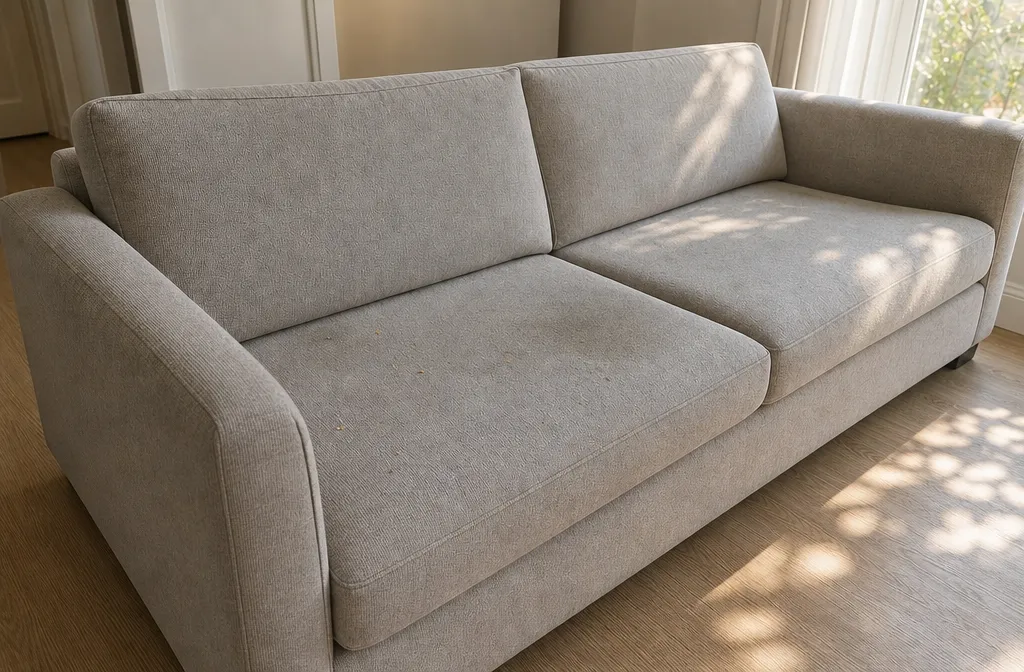
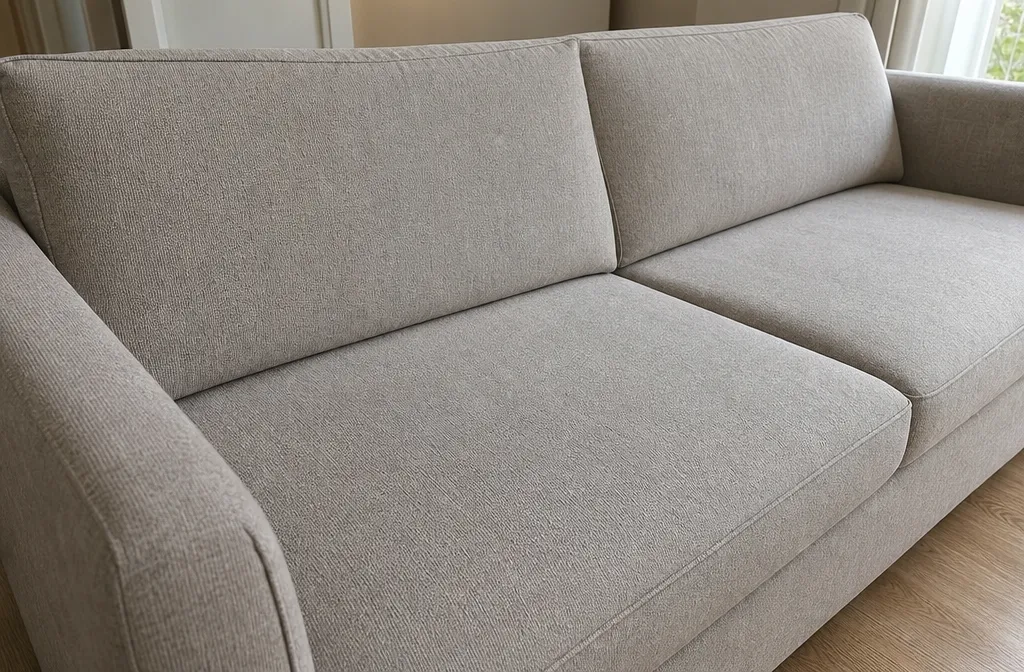 After
After
Request: Cat urine stains on a fabric sofa, needs deep cleaning.
Done: Applied enzyme cleaner and performed extraction cleaning of the sofa.
Cost: 11 000 ₸
Master: Aizhan Nurgaliyeva, cleaning master
Total: Stains and odor completely removed, sofa looks like new.
 After
After
Request: Armchair smells of urine after a dog, needs cleaning.
Done: Performed enzyme treatment and deep chemical cleaning of the armchair.
Cost: 3 500 ₸
Master: Yerzhan Aliyev, cleaning master
Total: Odor and stains gone, armchair fresh and clean.
 After
After
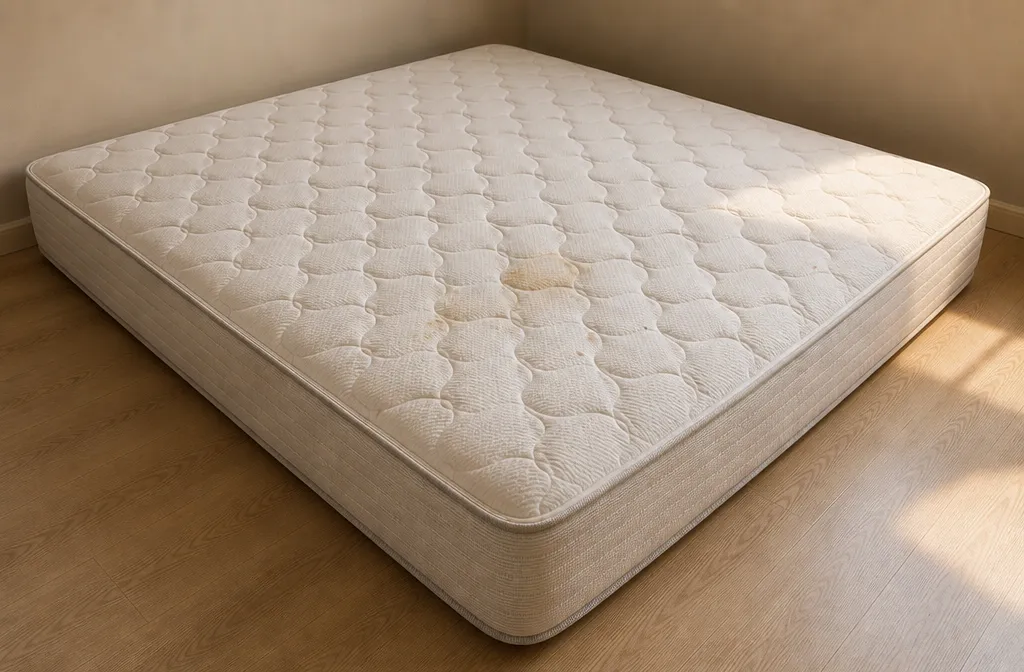
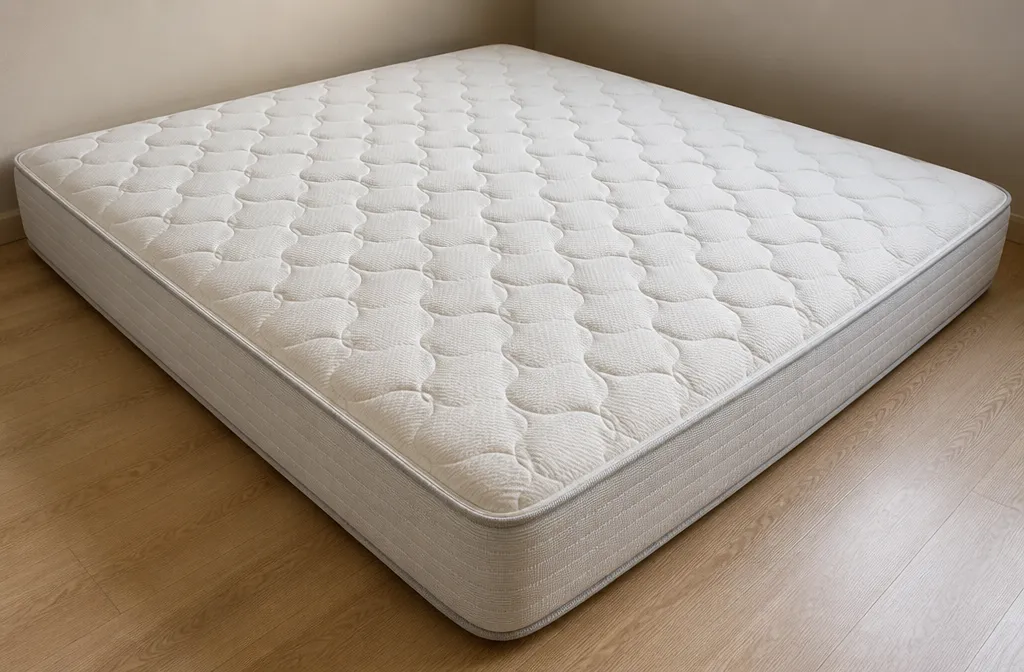
Request: Mattress has urine stains, needs dry cleaning and deodorization.
Done: Treated the mattress with an enzyme solution and performed extraction cleaning.
Cost: 7 000 ₸
Master: Daniyar Sagindykov, cleaning master
Total: Mattress is clean, no stains or odor, pleasant to sleep on.
 After
After
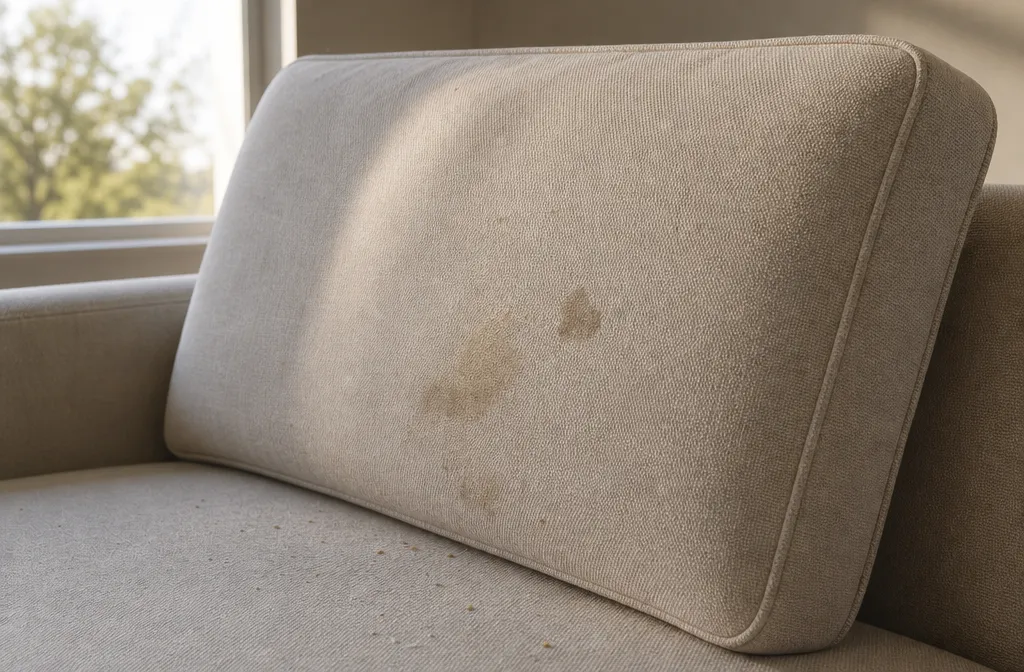
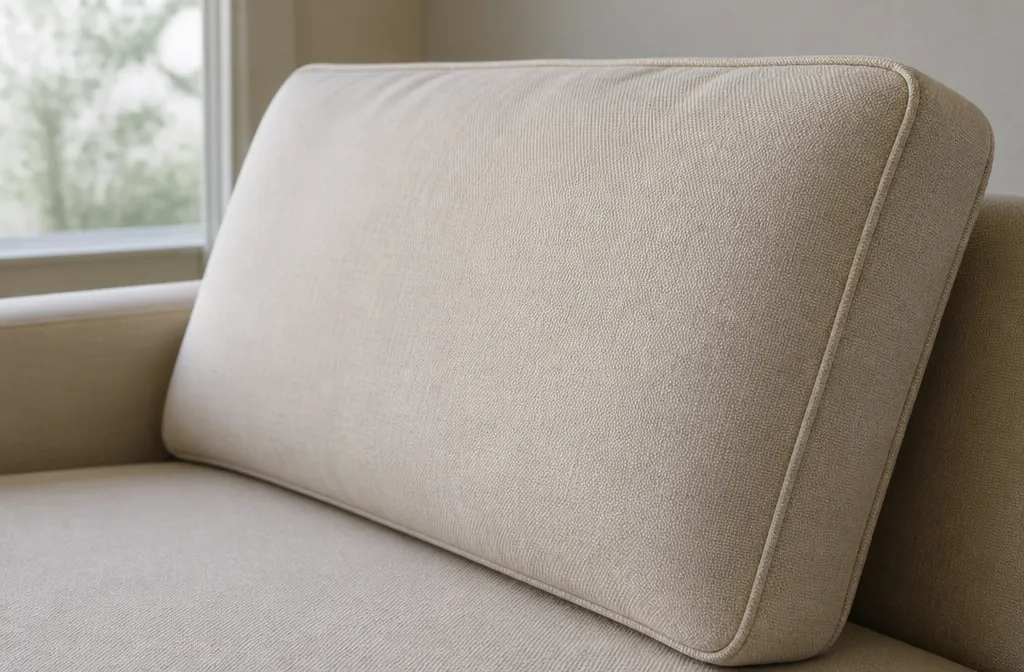
Request: Removable sofa cushion is soiled with urine, needs cleaning.
Done: Removed the cushion, treated with enzymes and cleaned with an extractor.
Cost: 11 000 ₸
Master: Aigerim Bekzhanova, cleaning master
Total: Cushion is clean, no stains or odor, like new.
 After
After
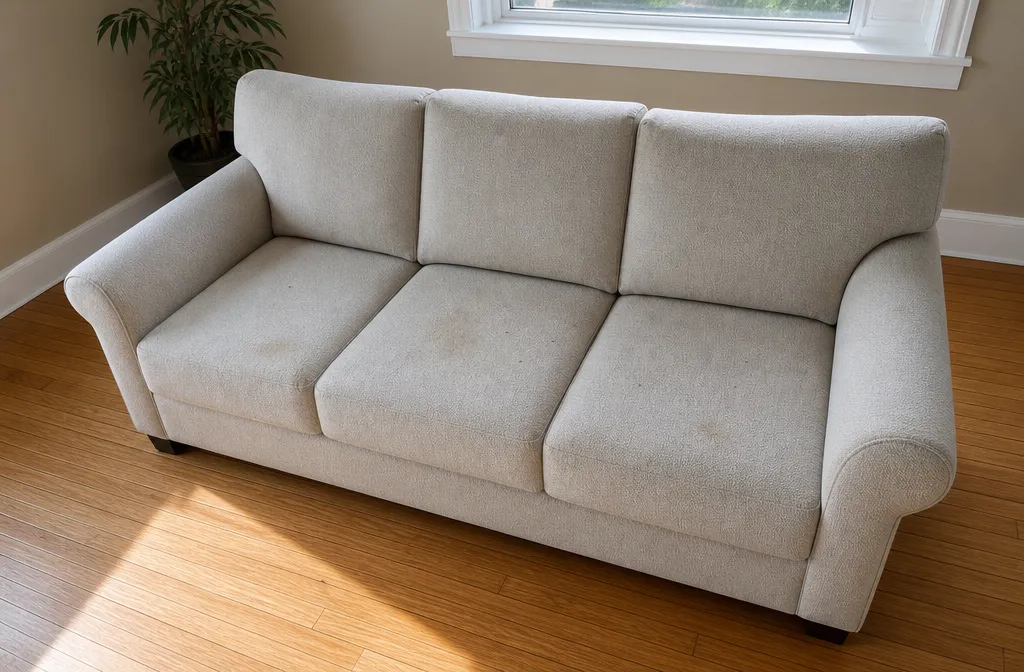
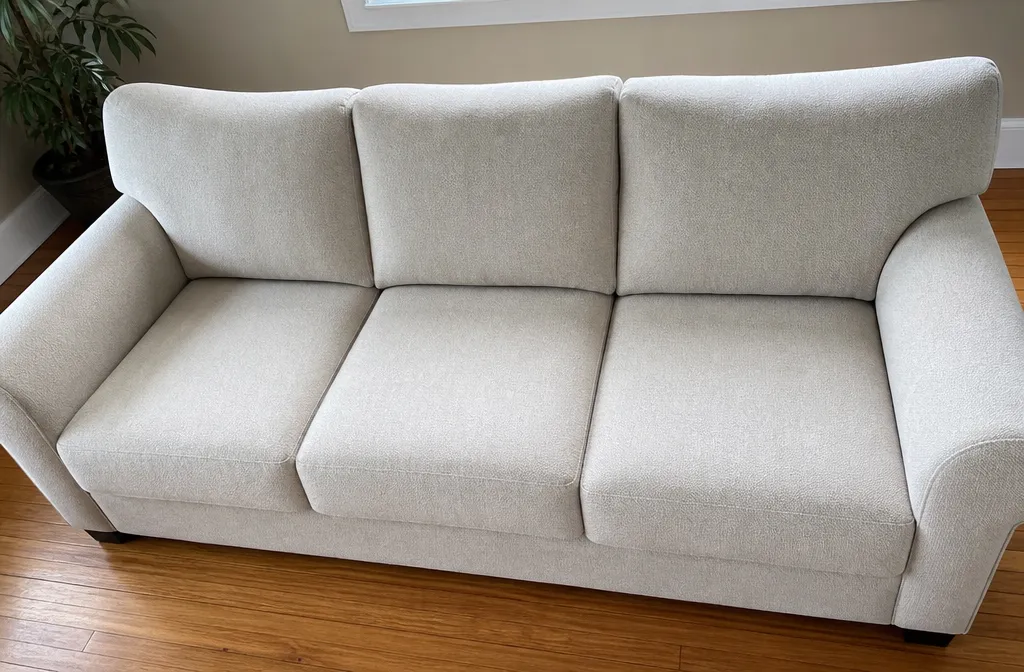
Request: Fabric sofa in the living room needs general dry cleaning.
Done: Performed extraction cleaning of the entire sofa with enzymes.
Cost: 11 000 ₸
Master: Nurlan Kassymov, cleaning master
Total: Sofa completely cleaned, color refreshed, no odor.
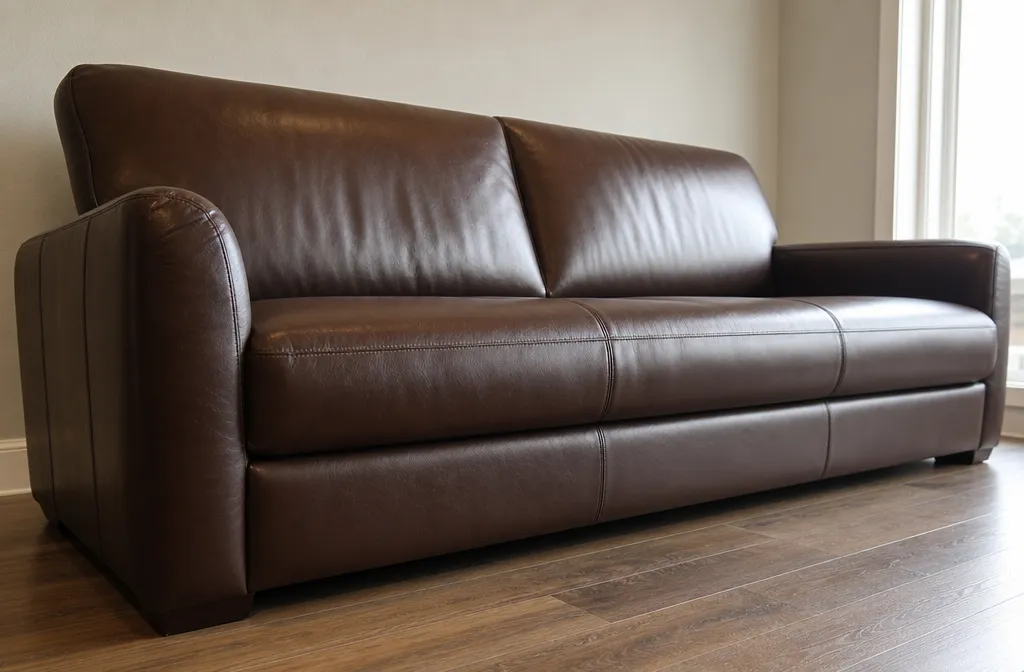 After
After
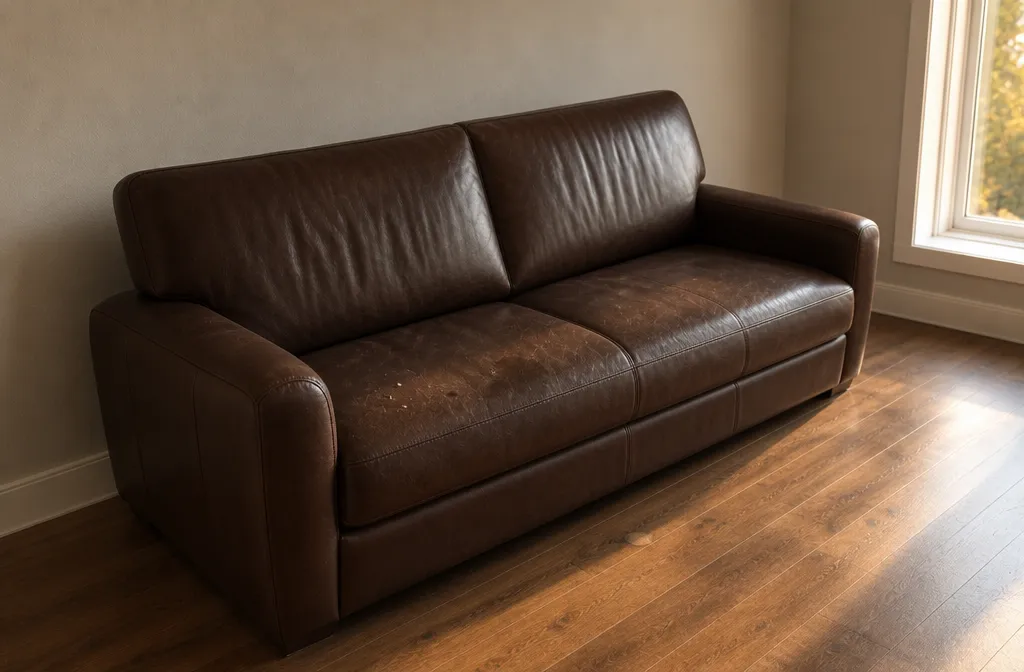
Request: Urine stains on leather sofa, needs delicate cleaning.
Done: Applied special leather cleaner and enzyme treatment.
Cost: 11 000 ₸
Master: Marat Zhangaliev, dry cleaning master
Total: Leather clean, no stains or odor, structure preserved.
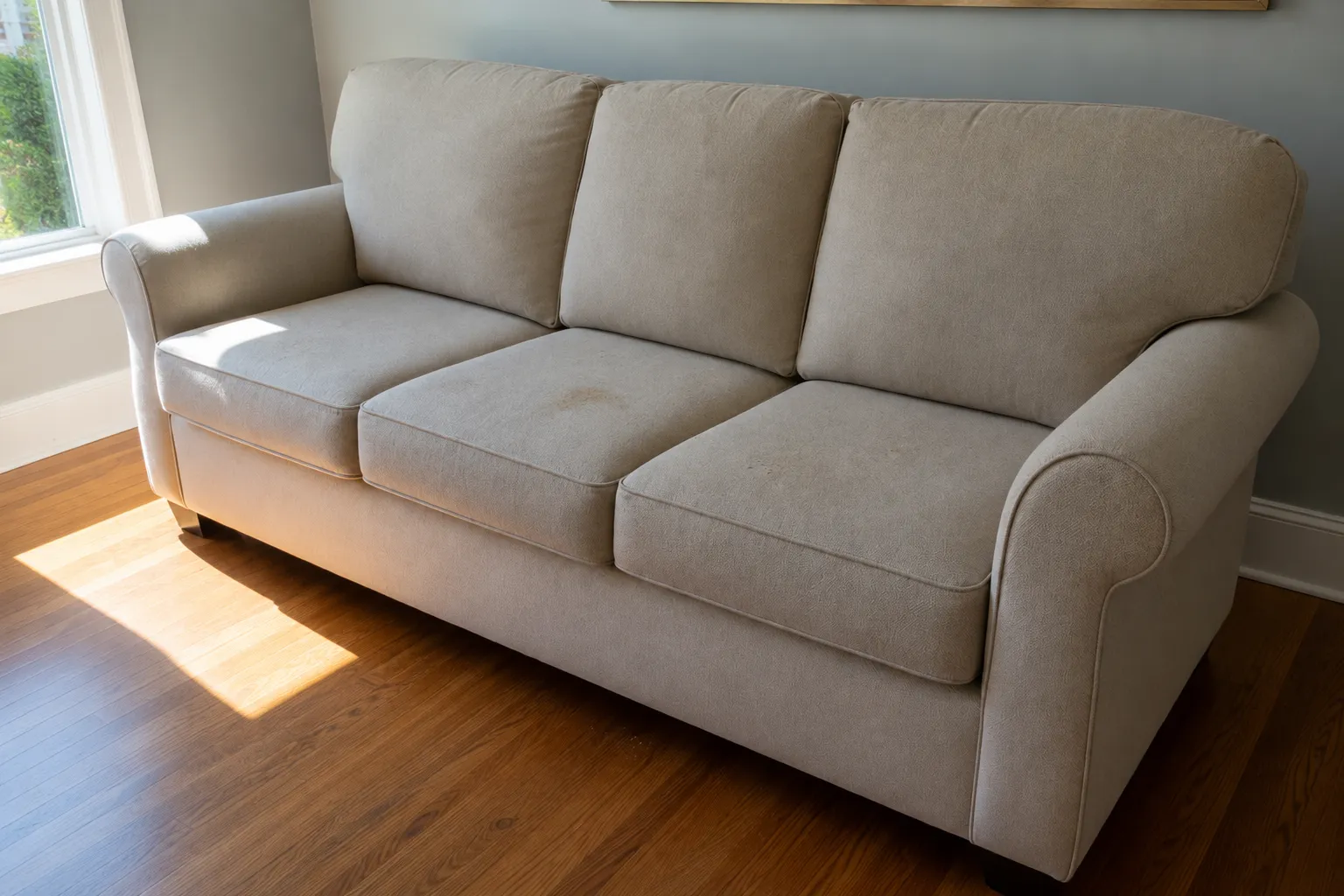
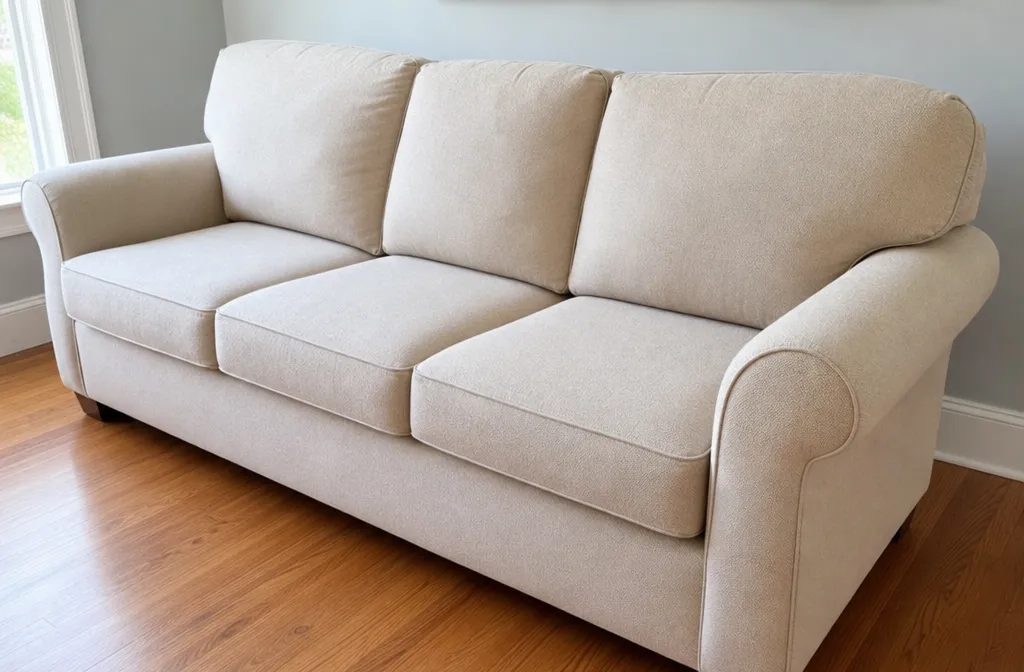 After
After
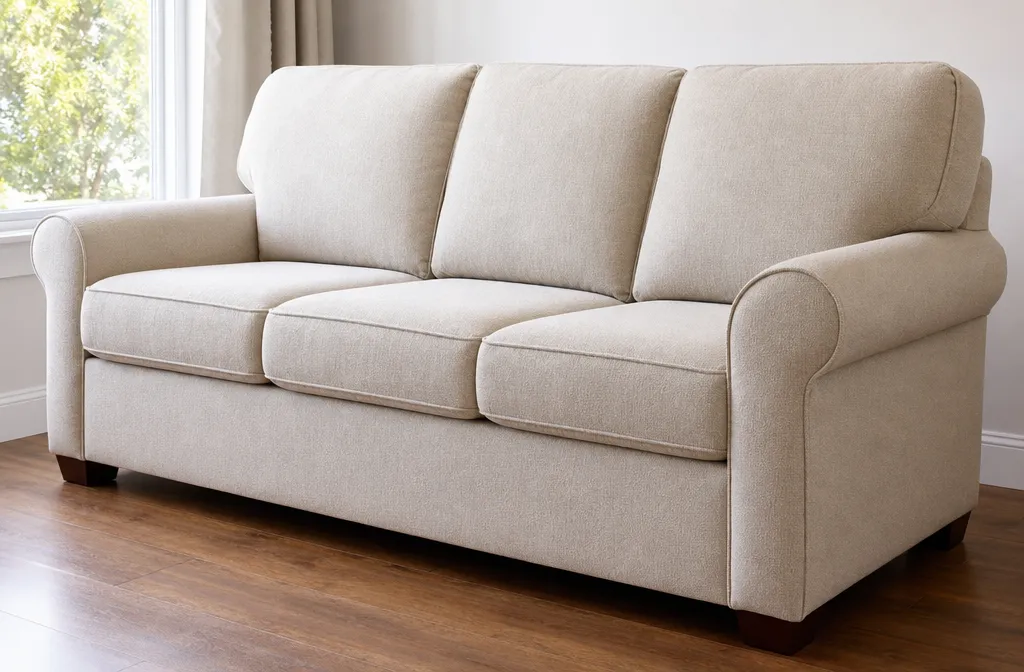
Request: Old urine stains on sofa, needs deep dry cleaning.
Done: Used enzyme concentrate and extraction cleaning with heat.
Cost: 11 000 ₸
Master: Gulnara Sadvakasova, dry cleaning master
Total: Even old stains removed, sofa fresh and clean.
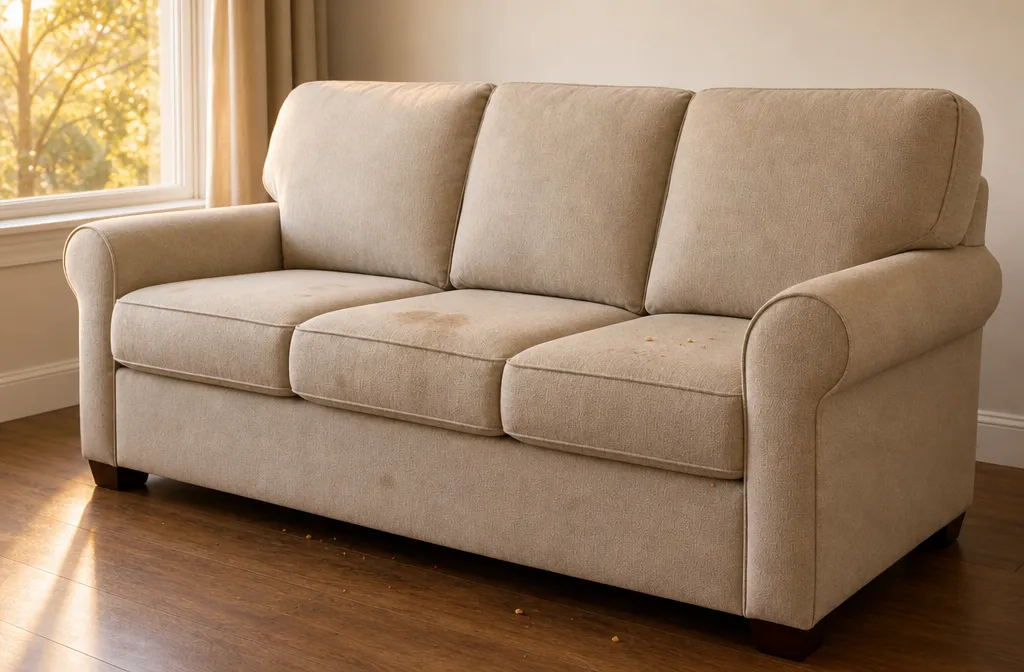
 After
After
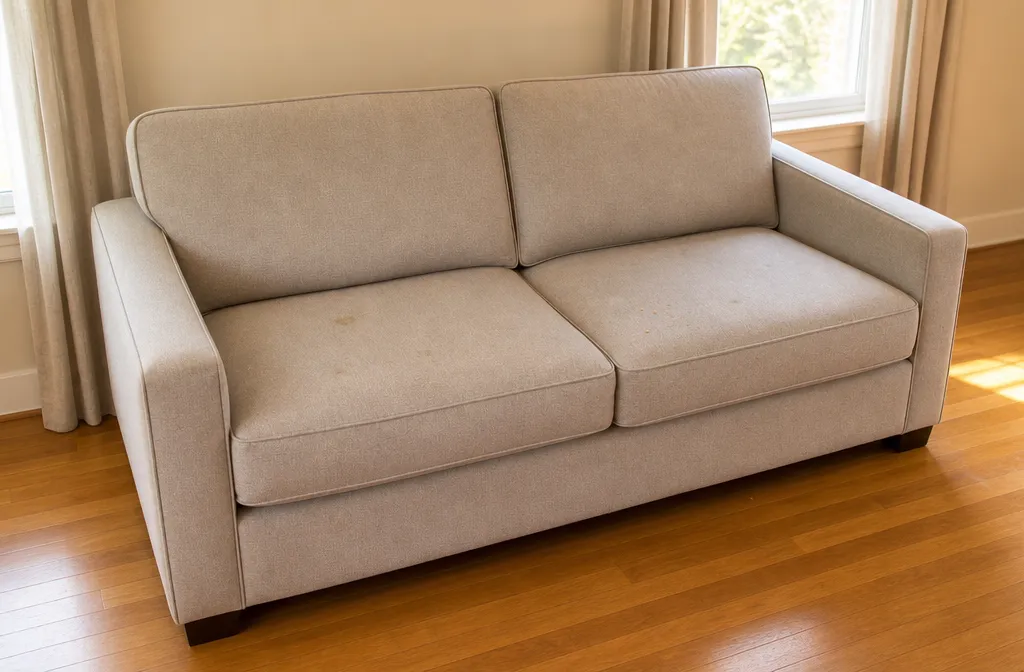
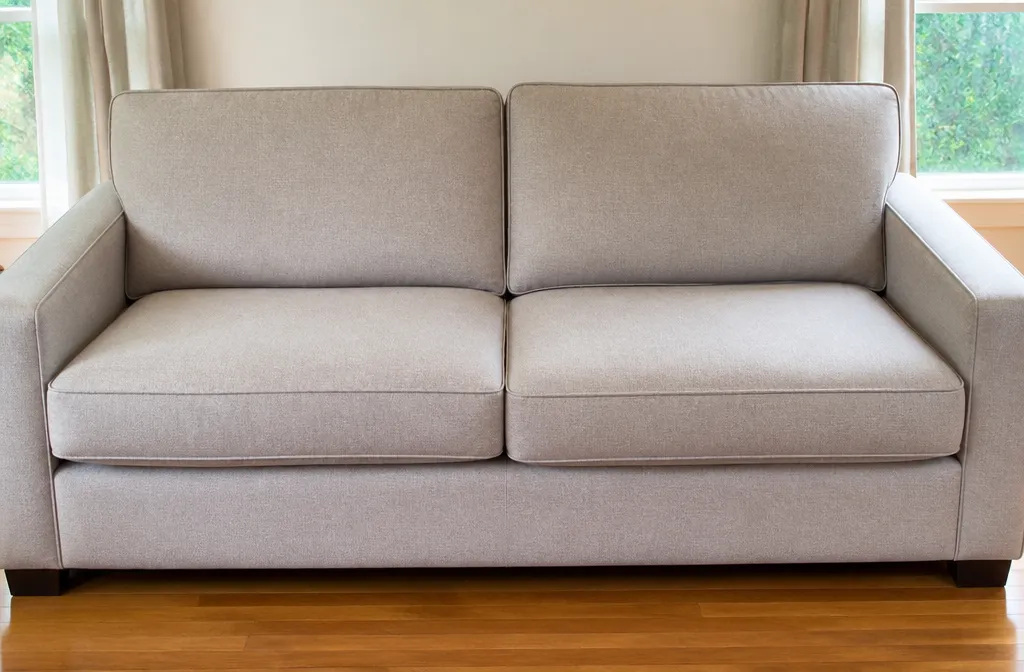
Request: Sofa with urine odor, needs enzyme treatment.
Done: Performed enzyme treatment and extraction dry cleaning of the sofa.
Cost: 11 000 ₸
Master: Aliya Serikbayeva, dry cleaning master
Total: Urine odor completely eliminated, sofa clean and fresh.
 After
After
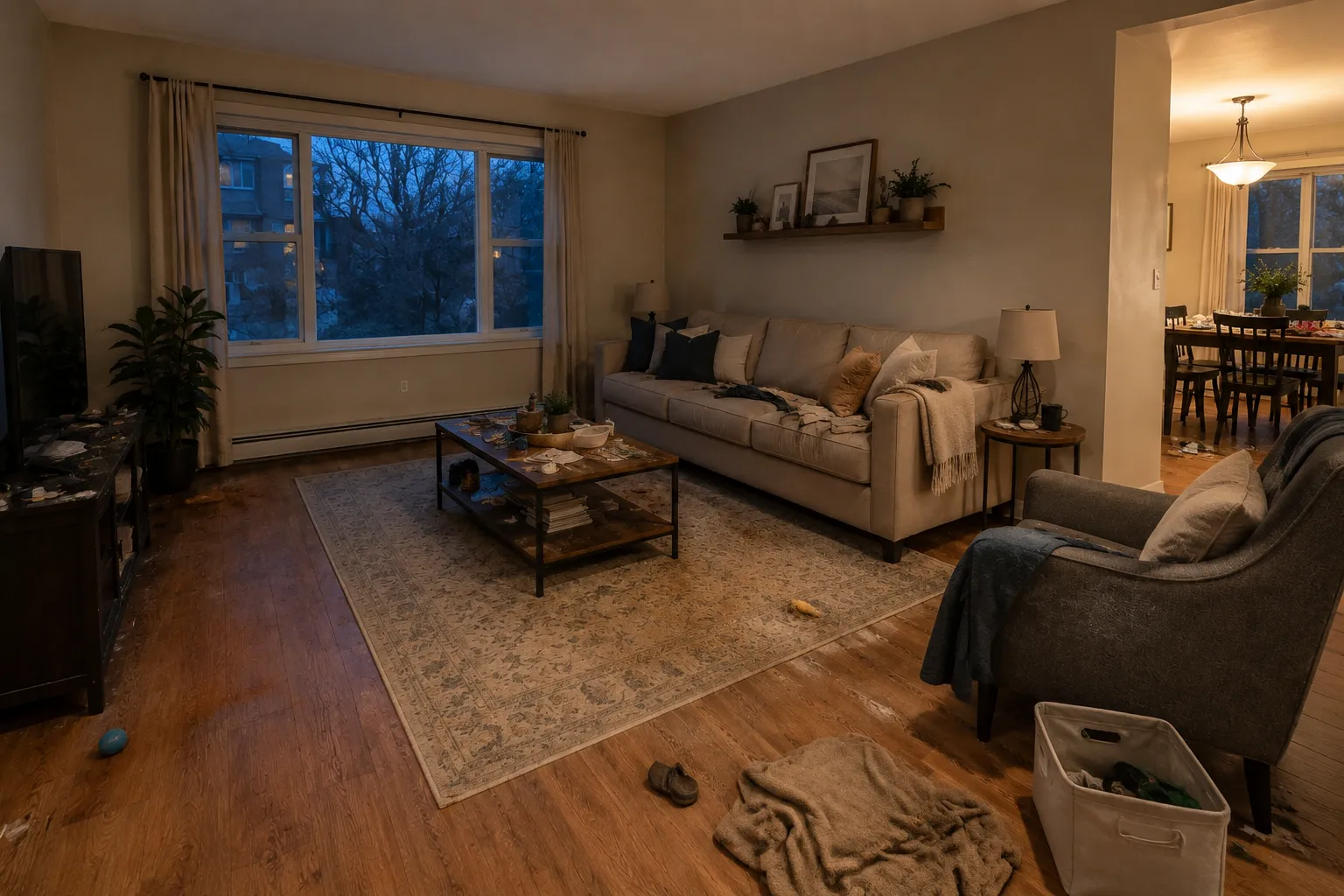
Request: Sofa smells strongly of urine, needs deodorization and cleaning.
Done: Treated with enzymes, cleaned with extractor, and applied deodorant.
Cost: 11 000 ₸
Master: Bakhtiyar Yermekov, dry cleaning master
Total: Odor completely gone, sofa clean and smells nice.
 After
After
Request: Entire sofa set with urine stains, needs dry cleaning.
Done: Cleaned all elements of the set with enzymes and extractor.
Cost: 11 000 ₸
Master: Aidar Muratov, dry cleaning master
Total: Set completely clean, no stains or urine odor.
All cleaners are profi-clean staff with training, uniform and security check. Each order has a team leader who controls quality.
Urine stains on sofas are one of the most common problems our clients face, and almost always they’ve tried something themselves first. Everything gets used: from home remedies to supermarket cleaning products. The issue is that urine isn’t just dirt—it’s a complex biochemical compound, and cheap products don’t break it down; they only mask it.
Urine consists of three components, each requiring a separate approach: urea, uric acid, and urobilin (the pigment that gives it a yellow color). Regular laundry detergent or all-purpose cleaner works as a surfactant—it wets the fibers and washes away some of the urea (which is water-soluble), but uric acid crystallizes and bonds firmly to the fabric. In dry form, these crystals don’t smell, but with the slightest moisture—from sweat, fabric softener, or even high air humidity—they dissolve again and trigger a reaction with bacteria. In our practice, there was a case: a client washed her sofa three times with detergent and fabric softener; the smell disappeared for a day or two but returned stronger each time—precisely because the fabric softener, coating the fibers, created a film under which the uric acid continued to “work.” Until the crystals are removed from deep within the padding and upholstery, the smell will return with any wetting.
Chlorine-based bleaches (like “Belizna”) react with the ammonia in urine to form toxic chloramines—those “sharp” fumes that irritate the respiratory tract and eyes, leaving yellow streaks on light fabrics that can’t be removed. Acetic acid, often recommended online, provides a short-term effect: it neutralizes ammonia but doesn’t touch uric acid. Moreover, vinegar destroys the latex impregnation of foam rubber—the padding in cheaper sofas starts to crumble after just 2-3 treatments. In Almaty, with its dry climate and sharp humidity fluctuations from air conditioners, foam rubber already loses elasticity; vinegar accelerates this process two to three times. On microfiber and velvet furniture, vinegar tightens the pile—after such “help,” the sofa looks worn out and requires reupholstering, not just cleaning.
Most “stain removers” from mass-market brands contain enzymes (protease, amylase) that only work on water-soluble protein stains—blood, milk, grass. Uric acid is not a protein; enzymes don’t break it down. Plus, enzyme-based products require 30-40 minutes of contact with water—during that time, the liquid part of the urine absorbs even deeper into the padding, and the stain “spreads” over a larger area. Hydrogen peroxide-based bleaches (oxygen bleaches) decolorize urobilin—the yellow stain becomes invisible, but neither urea nor uric acid disappears. After a week or two, when the peroxide evaporates, the yellow pigment returns, and the sofa looks dirty again. On colored fabrics, oxygen bleaches burn out the dye—leaving a white stain that can’t be fixed. On velvet and chenille, such “lightening” is irreversible: the dye is eaten away deep into the pile, and the only solution is replacing the upholstery.
profi-clean uses professional-grade enzyme cleaners—they contain not just protease, but urease and uricase, which break down uric acid into carbon dioxide and water. This isn’t masking; it’s complete neutralization at the molecular level. The difference is clear: after our treatment, you can wet the sofa as much as you want—the smell won’t return because there are no uric acid crystals left in the padding. That’s why we strongly advise against experimenting with home remedies before calling a technician—each failed layer of reagent complicates the task: chlorine, vinegar, and bleaches must be neutralized with special compounds, increasing work time and chemical usage. If the stain is fresh (up to 2-3 hours), professional treatment takes 40-50 minutes; if the client has already tried “Belizna” or vinegar—up to 2.5 hours due to the need to remove reaction byproducts.
The most common mistake is rubbing the stain. When an owner rubs fresh urine with a cloth, they press the liquid into the foam and spread it across the fibers, increasing the stain area by 3-5 times. In Almaty, where sofas often sit on heated floors, the liquid absorbs faster and penetrates deeper into the filling. The second mistake is using hot water: it “cooks” the protein compounds in urine, making them insoluble even for professional chemicals. The third is drying with a hairdryer or heater: heat fixes the urobilin pigment, and the yellow stain becomes permanent. In our practice, there was a case where a client dried a fresh stain with a construction hairdryer — after that, dry cleaning removed the smell, but the yellowness had to be removed with spot bleaching, risking the upholstery dye. The correct algorithm for fresh contamination is to only blot with a dry napkin without pressure, do not rub, do not heat, and immediately call a specialist.
Enzymatic cleaners are fundamentally different from household chemicals: they do not mask, but destroy the urea molecule itself, and do so at different depths — from the surface to the foam filling. Let’s break down exactly how these compounds work and why the smell cannot be removed without them.
Urine is an aqueous solution of urea (2–5%), creatinine, uric acid, and salts. When the liquid dries, the water evaporates, and the urea crystals embed themselves into the fibers of the fabric and filling. A regular detergent (even with active foam) only dissolves surface dirt: it cannot penetrate deep into the crystal lattice of urea. Moreover, alkaline compounds (soda, laundry detergent) often react with urea, forming ammonia — that same pungent smell that seems “stronger” after the first cleaning. In our practice, there was a case where a client washed a sofa three times with Karcher foam — the smell returned after two days because the crystals in the foam remained untouched. Enzymes, however, work as biodegradable catalysts: they “eat” the urea crystals, turning them into carbon dioxide and water — safe compounds that simply evaporate. Therefore, dry cleaning a sofa from urine with enzymes provides a lasting result, not a temporary mask.
Enzymatic compounds (protease, urease, and amylase in combination) are applied as a spray or foam with low surface tension — this allows the liquid to seep through layers of fabric, padding, and foam faster than regular water. Urease breaks down urea into ammonia and carbon dioxide, while protease destroys the protein compounds that “glue” the crystals to the fibers. The depth of penetration depends on the dwell time: 5–7 minutes is enough for a surface stain, 15–20 minutes with subsequent vacuum extraction for deeply embedded urine. On a sofa model with foam density of 25 kg/m³, we tested the enzymatic compound Kiehl: it penetrated 4 cm deep and completely neutralized the smell after one cycle. If the filling is thicker (sofas with 35–40 kg/m³ foam), a two-cycle treatment with intermediate drying using a hairdryer may be required. The main thing is not to rush the process: enzymes work at a temperature of 30–40°C; hot water above 60°C kills them, and the entire effect is lost.
One of the most common mistakes is trying to “disinfect” a stain with a chlorine-containing bleach or pouring vinegar on it before calling the cleaners. Chlorine reacts with urea, forming toxic chloramines that not only smell sharper but also fix the yellow pigment in the fabric — such a stain can then only be removed mechanically (by buffing the pile). Vinegar (acetic acid) lowers the pH of the environment to 3–4, while most enzymes are only active in a neutral or slightly alkaline range (pH 6–8). After vinegar, the enzymatic compound simply will not work. On one of our service calls in Almaty, we encountered a sofa that the owner had treated with “Belizna” bleach — after chlorine, the enzymes yielded no result, and we had to remove the cover and soak it in a special neutralizer. If you have already used chlorine or vinegar, inform the technician before starting work — this will change the technology: preliminary neutralization and possibly replacing the filling in the affected area will be necessary. Without this, dry cleaning a sofa from urine may not remove either the smell or the stain, but only spread it deeper.
On velour (cotton pile 2–3 mm), enzymes work quickly — urea crystals remain in the top layer of the pile, they just need to be moistened and removed with an extractor after 5–7 minutes. But there is a nuance: velour cannot be rubbed with a brush — the pile mats, and after drying, the stain looks like a greasy area. On microfiber (100% polyester), enzymes penetrate more slowly due to the smooth fiber structure: it requires a 10–12 minute dwell time and pressure washing to rinse away breakdown products. On leather (genuine or eco-leather), urea damages the coating — enzymes are applied spot-wise and rinsed off immediately, without a long dwell time, otherwise they can damage the dye. In our large-scale orders, we often encounter leather sofas that have been cleaned with alcohol — alcohol dries out the leather, and cracks remain after enzyme treatment. For leather, we use an enzyme solution at half the concentration with a mandatory conditioner after treatment. If the fabric is delicate (silk, viscose), enzymes are applied to an inconspicuous area 24 hours before the main cleaning — this is the only way to check the reaction without risking damage to the upholstery.
The type of sofa filler dictates how deeply urine penetrates, how much is absorbed, and which removal methods will work without damaging the structure. At profi-clean, we select the mode for each material to avoid leaving moisture inside, which later causes mold.
Foam rubber (polyurethane foam) is the most hygroscopic filler: it absorbs urine like a sponge, penetrating the entire thickness of the block — up to 10–15 cm. If you simply wash the upholstery, moisture remains inside, the foam rubber begins to crumble, and after 2–3 weeks, a persistent musty smell appears. In practice, this means that standard vacuum extraction removes no more than 30–40% of the liquid from the depth — the rest must be dried with a professional air blower for 4–6 hours. Our protocol: we apply the enzyme solution by injection (a needle injector introduces the agent 5–7 cm into the thickness), leave it for 40 minutes to break down urea, then rinse with an extractor using water heated to 70°C and finish with drying using a fan with a HEPA filter. If the foam rubber has already lost its elasticity (depresses with a finger), we recommend replacing the block — cleaning will not restore the structure, and the urine is already inside.
Synthetic padding is a voluminous polyester fiber; it hardly absorbs liquid, but urine gets trapped between the fibers in capillary gaps. Due to low thermal conductivity, synthetic padding dries slowly: if after dry cleaning the sofa is in an Almaty apartment with 60–70% humidity, complete drying takes up to 12 hours. During this period, an ideal environment is created inside for bacteria that decompose residual protein and produce a new odor. We solve this as follows: after rinsing, we add an antibacterial component based on lactic acid (Kiehl) to the final rinse, which suppresses microflora growth. It is important not to over-moisten the synthetic padding — the extractor operates at a minimum water flow rate (0.5 l/m² versus the usual 1.2 l/m²). On synthetic padding models with non-removable upholstery, we use dry chemical foam instead of wet — it penetrates the fibers without soaking, and the residue is collected with a vacuum cleaner in 20 minutes. Check your sofa: if the filler springs back when pressed and returns to shape within 2–3 seconds after release — it is synthetic padding, and it is better not to wet it more than necessary.
In sofas with independent springs (Pocket Spring), urine seeps through the upholstery and filling (usually felt or coconut coir) and lands directly on the steel springs. If the liquid is not removed within 48 hours, corrosion begins — the springs lose their elasticity, and the sofa starts to squeak and sag. In Almaty, where humidity fluctuates from 30% in winter to 80% in spring, rust develops faster. We clean spring sofas strictly using a low-moisture method: we use a rotary extractor with water supplied at a pressure of 2 bar (instead of 6 bar for foam) to avoid driving moisture through to the springs. If urine has already reached the metal, the only solution is to remove the upholstery and treat the springs with a rust converter, followed by drying with a heat gun. On sofas with a transformation mechanism (eurobook, dolphin), we additionally check the metal frame: moisture often accumulates in the grooves of the folding mechanism. Before ordering, please check if your sofa has a removable bottom — this makes accessing the springs twice as cheap as ripping open the lining.
| Characteristic | Foam | Polyester Fiberfill | Spring Block |
|---|---|---|---|
| Urine absorption depth | 5–15 cm (entire block) | 2–4 cm (between fibers) | 0.5–1 cm (felt, down to springs) |
| Time to complete drying after cleaning | 6–8 hours with an air blower | 10–12 hours at 60% humidity | 3–4 hours (low moisture) |
| Risk of over-wetting | Foam crumbling, mold | Musty smell, bacteria | Spring rust, squeaking |
| Cleaning method | Injection + extraction | Dry foam or low moisture | Extraction at 2 bar, no penetration |
| Sign that filler needs replacement | Finger depression >1 cm | Clumps, loss of volume | Sagging, squeaking under load |
If you are unsure about the type of filler, fold back a corner of the upholstery from the underside of the sofa — foam is uniform and elastic, polyester fiberfill is fibrous and looser, and springs are immediately visible. At profi-clean, we always conduct a preliminary inspection before cleaning and warn you if the filler requires replacement rather than just cleaning.
Leather and eco-leather are the least absorbent upholstery materials, but precisely because of this, owners of sofas with such covering most often make a critical mistake: they rub the stain. I’ll explain why this only worsens the problem and how to act smartly.
Rubbing drives urine deeper through the grain and seams, rather than removing it. Natural leather is a porous material: its top layer is covered with micro-cracks and a natural pattern (grain). Eco-leather — a polyurethane film on a fabric base — does not allow liquid to pass through itself, but urine instantly flows into the gaps between cushions, stitching, and hardware attachment points. If you rub the stain with a cloth or sponge, you create excessive pressure — the liquid fraction seeps into the seams, while the solid urea salts remain on the surface and crystallize. On natural leather, this results in whitish streaks (urochrome crystals) that cannot be washed off with water, and on eco-leather, the film may delaminate from the base due to mechanical abrasion. In our practice, there was a case: a client rubbed a urine stain on an Italian leather sofa with a stiff brush — within two weeks, a network of cracks appeared at the stain site, and the sofa had to be reupholstered. The first rule: blot (do not rub!) with a dry microfiber cloth, then immediately treat with an enzyme spray — it will break down the salts without damaging the coating.
Enzymes on leather work longer and require a lower concentration than on fabric. Natural and eco-leather are hydrophobic materials: they repel water, so an aqueous enzyme solution beads up into droplets and doesn’t stay on the surface. To give the enzymes time to work, we apply the solution using a fine mist sprayer (mist, not stream) and leave it for 15–20 minutes — twice as long as on fabric. We reduce the enzyme concentrate concentration to 1:20 instead of the standard 1:10: a high dose on leather can cause slight matting (loss of shine) on the polyurethane film of eco-leather. For natural leather, after enzyme treatment, a neutralization step is mandatory — wiping with a mild soap solution (pH 5.5) and applying a conditioner wax to restore the fat layer. Eco-leather does not require conditioning, but it needs to be wiped dry with a microfiber cloth after neutralization; otherwise, residual moisture will leave a whitish film upon drying. On models with aniline leather (dyed through, without a protective lacquer), do not use the enzyme spray — it penetrates deeper and can alter the shade; for such leather, use only a steam cleaner with a neutral pH gel.
Vinegar and alcohol destroy the polyurethane coating of eco-leather, making it sticky and brittle. Online, a “home remedy” is often recommended: mix vinegar with water and wipe the urine stain. On eco-leather, acetic acid (pH 2–3) reacts with the polyurethane — the top layer softens, loses elasticity, and within 3–6 months begins to crack even without stress. Alcohol (ethanol, isopropanol) dissolves the plasticizers in the PU film — eco-leather becomes stiff, creases appear at folds that do not smooth out. In one of our jobs, we visited a client with an eco-leather sofa that the owner had treated with vodka on advice from social media: after a month, an “orange peel” texture formed on the seat — micro-cracks across the entire contact area. The only safe method for eco-leather is an alcohol-free enzyme spray (check the label: it should not contain Alcohol Denat, Isopropyl Alcohol), followed by rinsing with water from a spray bottle and drying with a fan.
Water on leather does not wash away urine; it spreads it into the seams and expands the stain area. Natural leather absorbs moisture extremely slowly (water absorption coefficient 0.2–0.5% by weight), so water does not penetrate inside but runs off the surface into seams and joints. If you poured water on the stain, you simply transferred the urine from the middle of the cushion to its edge and the side of the sofa. After drying, a “halo” remains on the leather — a concentric ring of urea salts at the boundary of the spread. Removing such a halo is more difficult than the original stain: the salts have already crystallized in the leather grain, and the enzyme needs more time to reach them. Act as follows: immediately blot the urine with a dry cloth (without pressing), then apply the enzyme spray strictly to the stain area (no wider than 5 cm from the edge) — this localizes the reaction and prevents the halo from expanding.
After enzyme treatment, the leather loses part of its factory protective layer, so it needs to be strengthened with a wax compound. Natural leather on sofas is usually coated with lacquer or a semi-aniline finish — enzymes can partially wash away this protection, making the material more vulnerable to new stains. After cleaning, we apply a wax conditioner based on beeswax or carnauba wax to the leather — it fills micro-cracks, creates a water-repellent barrier for 2–3 months, and restores shine. For eco-leather, wax is not needed (the film itself is waterproof), but it is useful to wipe it with a silicone spray for furniture — it reduces the adhesion of future stains. In Almaty’s climate (dry air, temperature fluctuations), leather on sofas dries out faster — condition it every 3 months, and urine stains will wash off with plain water without enzymes.
Urine odor on a sofa does not appear instantly — it accumulates from microscopic residues invisible to the eye, and prevention here works more effectively than any subsequent cleaning. Let’s break down how to prevent urea from absorbing into the filling and upholstery at the stage when the stain is not yet noticeable.
A removable cover made of dense fabric (polycotton or microfiber with a water-repellent impregnation) takes the brunt of the impact and goes into the wash at 40°C with an enzyme powder — without risk to the filling. Owners of sofas with velour or flock, who are afraid of water, often use silicone seat covers: they don’t slip, are easily wiped clean with a soapy solution, and block liquid penetration for 6-8 hours. In our preventative maintenance orders, we’ve noticed that sofas covered with covers year-round require a sofa urine cleaning two to three times less often — simply because stains stay on the fabric and don’t soak into the foam.
In Almaty apartments with central heating in winter, humidity drops to 20-25%, and any liquid dries faster — that’s a plus. But in spring and autumn, when the city is damp and rainy, humidity rises to 60-70%, and urine on the sofa dries not in an hour, but in 3-4 hours. During this time, urea manages to penetrate 2-3 layers of upholstery and begin crystallizing inside the synthetic padding. Tip: during the rainy season, after each cover wash or wet cleaning of the sofa, turn on a dehumidifier or at least open the windows for 20 minutes — this reduces the risk that urine residues become “encapsulated” in the filling and start to smell a week later.
Even if you’ve washed the stain with soapy water and there’s no smell, after 2-3 days the urea still breaks down via ammonia bacteria — and the characteristic “cat” odor appears, which can no longer be removed with household chemicals. Our rule: after any contact with urine (even if it seems clean), apply an enzyme spray from a spray bottle to the stain — 2-3 squirts per 20 cm², let it dry naturally. Enzymes prevent the urea from crystallizing, and you don’t give the smell a chance to set in. In our practice, clients who keep such a spray on hand call for sofa urine cleaning Almaty no more than once a year — and that’s for prevention, not emergency rescue.
We ordered dry cleaning of the sofa from urine after the child spilled on it. No stains or smell left, the sofa is like new.
Thank you, Aigerim! Glad we could help.
The cat messed on the leather sofa, I thought it couldn't be cleaned. The technician came, treated it with a special compound – now no trace.
We had dry cleaning of the sofa from urine, stains were old, but almost all were removed. One area is slightly visible, but overall great.
Daniyar, thanks for the review! Try repeating the treatment under warranty – we'll remove residual marks.
Corner sofa after a puppy – the smell was unbearable. After cleaning it smells fresh, no stains. Very satisfied.
Upholstery cleaning for urine was needed for an old ottoman that a cat had claimed. The result exceeded expectations — no smell, no stains.
Yerlan, thank you! We're glad the ottoman got a second life.
Urine got on the mattress from a child, I thought I'd have to replace it. The technician removed both the stain and the smell. Very high quality.
I ordered upholstery cleaning for urine, but a faint smell remained. Had to air it out for several days. Expected better.
Kuanysh, we apologize. Please contact us, we will do a repeat treatment for free.
The sofa cushions smelled of urine from an old dog. After cleaning — perfect, like we bought a new one.
A cat peed on the armchair, I ordered upholstery cleaning for urine — the technician finished in an hour. No stains, no smell. Thank you!
Timur, thank you! Come back again.
The living room sofa suffered from guests with a small child. The cleaning removed all traces, even old ones. Very happy.
Upholstery cleaning for urine was done for a sofa with a mechanism — the smell is gone, but a small stain remains. Overall good.
Alexey, thanks for the review. Call us, we'll find a product to remove the residual stain.
The daybed after tenants — the urine smell was terrible. The technician removed it completely. Now we can live in peace.
I ordered upholstery cleaning for urine — I was afraid to ruin the velvet, but everything is fine. Color unchanged, no stains.
Sergey, thank you! We work carefully with any fabrics.
Children's sofa after nighttime accidents — cleaning saved it. No smell, no stains. Child sleeps peacefully.
Dry cleaning of sofa from urine — done quickly, smell removed. But there are slight streaks on the upholstery. Overall not bad.
Nurzhan, thank you for your feedback. We'll give a discount on your next order.
Washing the removable covers didn't help — the urine smell remained. The master treated them on-site, now they're fresh.
Urine stain on the leather sofa — thought it couldn't be cleaned. Dry cleaning of sofa from urine handled it perfectly. I recommend it.
Ruslan, glad to help! Leather requires a special approach.
Sofa bed soaked with child's urine, smell lingered for a week. After cleaning — clean and fresh, super!
Ordered dry cleaning of sofa from urine, old stains barely came off. Disappointed, but smell was removed.
Bakhyt, we apologize. Old stains require deeper treatment. Contact us for a repeat cleaning at a discount.
Foam absorbed the urine smell — thought I'd have to throw the sofa away. Cleaning saved it, no smell.
A cat peed on the sofa at the office. Called profi-clean for dry cleaning of sofa from urine — everything fast and high quality. Employees are happy.
Vadim, thank you! We work with any objects.
There was a urine stain on the sofa with embroidery — I was afraid they'd ruin the pattern. The master carefully removed it, everything intact.
Dry cleaning of sofa from urine — the smell was removed well, but a small stain remained. Perhaps I should have called earlier.
Ilyas, thank you! Call us, we will try to remove the residue additionally.
The cat constantly marked the sofa, the smell became unbearable. After cleaning — not a trace. The litter box is now in a different place.
On average, 1.5–2 hours depending on size and soiling. Includes all 8 stages: from inspection to drying.
Thanks to the Karcher extractor, the sofa dries in 2–4 hours. We use fans to speed up the process.
Yes, Nature's Miracle and OdorXit are hypoallergenic and safe. They are phosphate- and chlorine-free, approved for children's rooms.
Remove cushions and small items. Ensure access to the sofa from all sides. If there are removable covers, take them off.
Prices are individual: for a straight 2-seater sofa up to 15000, for a corner sofa up to 25000. The exact cost depends on size and complexity.
Yes, for orders of 2 items a 10% discount, for 3 or more — 15%. For example, cleaning a sofa and an armchair will be cheaper.
We use fixed prices for standard models. For non-standard sizes, call — a master will assess on site.
Any: straight, corner, sofa beds, fold-out. We also clean armchairs, mattresses, poufs, and headboards.
Yes, we work with all fabrics: velvet, microfiber, jacquard, leather, eco-leather. We select the mode for each type.
Professional enzyme products Nature's Miracle (USA) and OdorXit neutralizer. They break down urine at the molecular level.
Tell us about your experience with profi-clean — it helps other clients and us improve.
We currently operate in Almaty. Other cities are coming soon.