Inspection and fabric test
The master checks the upholstery type, identifies stubborn stains, and tests compatibility with chemicals on an inconspicuous area.
Deep dry cleaning of sofas in Almaty: remove stains, odors, and allergens professionally
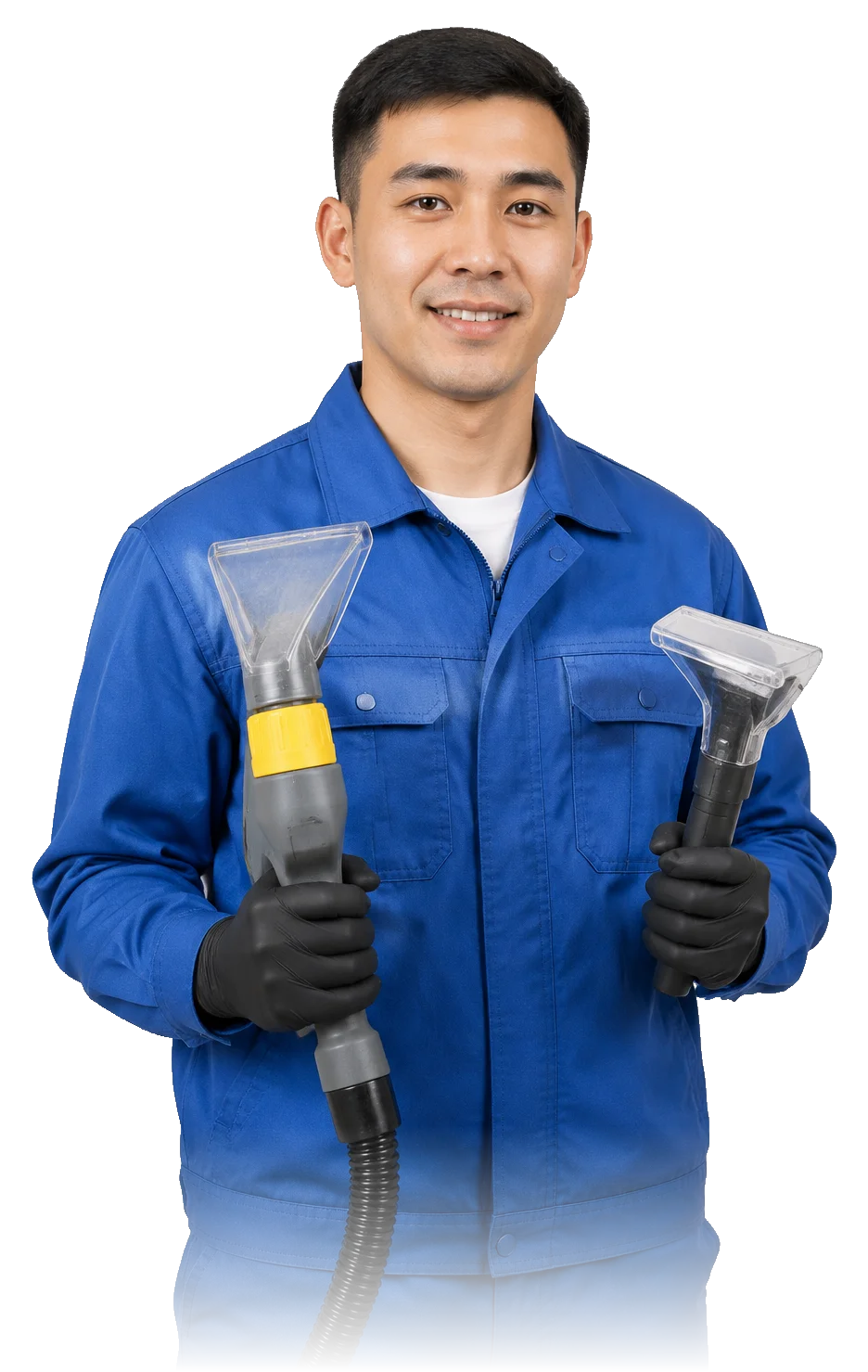
We work with any types and materials
Deep cleaning of straight sofas with dust and stain removal from upholstery and filling.
from 11,000 ₸Thorough dry cleaning of corner sofas with treatment of joints and hard-to-reach places.
from 18,000 ₸Cleaning of sofa beds with folding mechanism, including the sleeping area.
from 11,000 ₸Professional dry cleaning of armchairs with removal of dirt from upholstery and armrests.
from 3,500 ₸Cleaning of office chairs on wheels, including seat, backrest, and armrests.
from 3,500 ₸Dry cleaning of rocking chairs with careful treatment of curved elements.
from 3,500 ₸Deep cleaning of mattresses to remove dust mites, stains, and odors.
from 7,000 ₸Dry cleaning of carpets using extraction technology for deep dirt removal.
from 11,000 ₸Cleaning of upholstered chairs, including seat and backrest.
from 1,500 ₸Compact dry cleaning of poufs with soft upholstery.
from 2,500 ₸Cleaning of upholstered benches, including decorative elements.
from 2,500 ₸Dry cleaning of bed headboards with dust and stain removal from upholstery.
from 11,000 ₸From inspection to result with guarantee
The master checks the upholstery type, identifies stubborn stains, and tests compatibility with chemicals on an inconspicuous area.
We remove surface dust, crumbs, and pet hair with a HEPA vacuum to prevent spreading dirt.
We apply professional Kiehl stain remover to local stains, which breaks down grease, coffee, wine, and marker stains.
Steam at 140°C softens dirt, kills bacteria and dust mites, and opens fabric pores for subsequent extraction.
Karcher extractor injects Sodasan detergent and immediately extracts dirty water, removing deep soiling.
We manually treat crevices, armrests, seams, and folds where dirt accumulates.
We rinse the upholstery with clean water to remove detergent residue and prevent streaks.
We speed up drying with fans, then fluff the pile with a brush to restore volume.
The powerful Karcher SE 4001 injects detergent under pressure and immediately extracts dirty water, removing up to 99% of dirt. Combined with steam at 140°C, bacteria and dust mites are destroyed. Upholstery becomes deeply clean, without chemical residues.
Sodasan products have Ecogarantie certification, confirming biodegradability and safety for allergy sufferers. They effectively remove stains and odors without leaving harmful residues. Suitable for children's rooms and people with sensitive skin.
The steam cleaner with steam temperature of 140°C penetrates deep into the fabric, destroying bacteria, fungi, and dust mites. This is especially important for sofas where allergens accumulate. Steam treatment also softens old stains before extraction.
After complete drying (usually 6-12 hours), there are no streaks or foreign odors on the upholstery. We use a final rinse with clean water and accelerated drying with fans. If traces remain, we come back for free within 24 hours.
Master visit for preliminary assessment of dirt and fabric type is free. He will select the optimal technology and products, calculate the exact cost. We visit all districts of Almaty, including suburbs.
For each fabric type, we use appropriate attachments and modes. Velour and microfiber require delicate cleaning, jacquard and tapestry more intensive. Experienced profi-clean masters know the specifics of each material and guarantee safety.
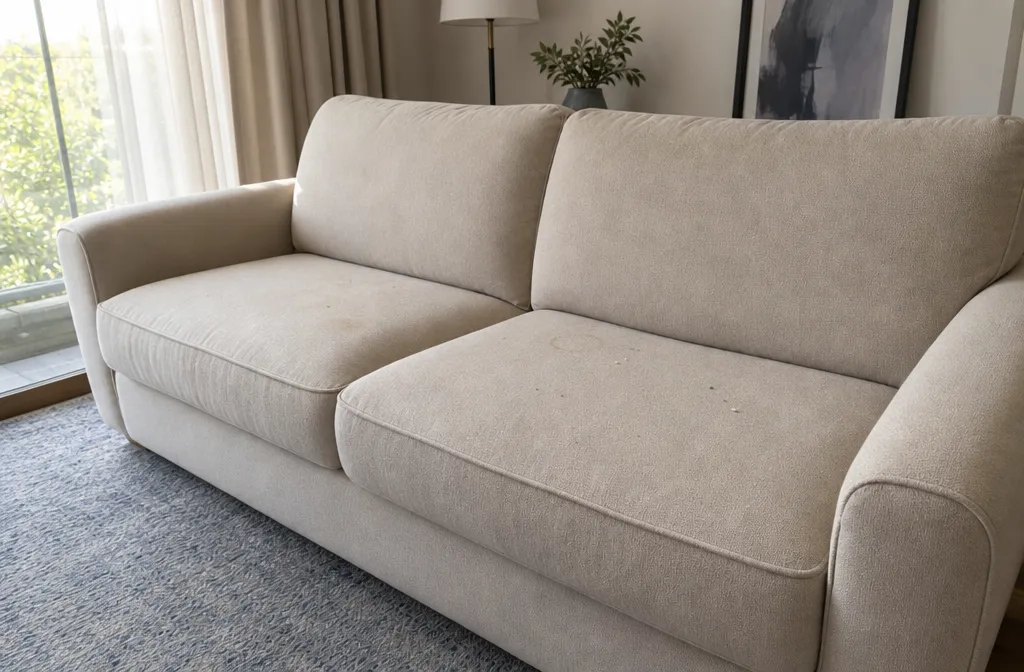
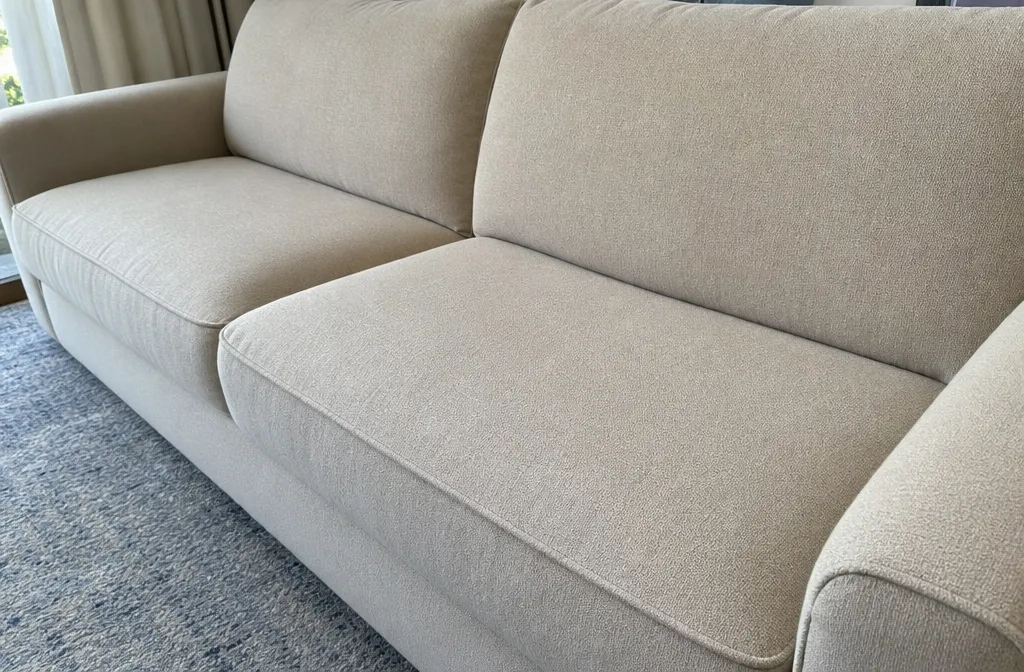 After
After
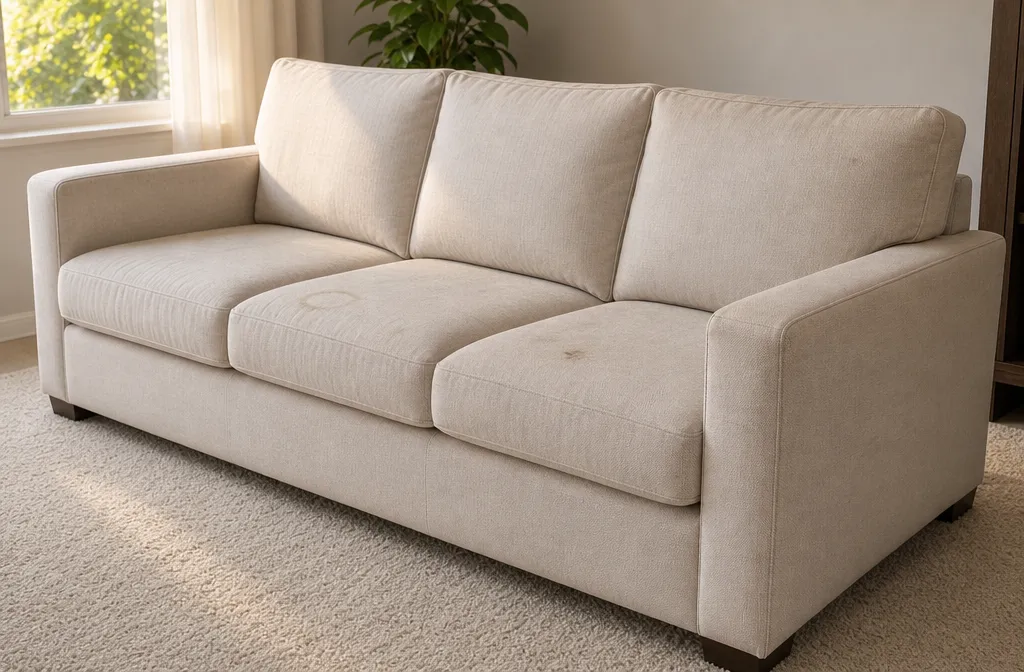
Request: Required removal of old stains from light fabric upholstery.
Done: Deep dry cleaning performed using Karcher extractor and Chemspec stain remover.
Cost: 11 000 ₸
Master: Aigul Serikova, dry cleaning master
Total: The sofa is completely cleaned of stains, the upholstery color is uniform and fresh.
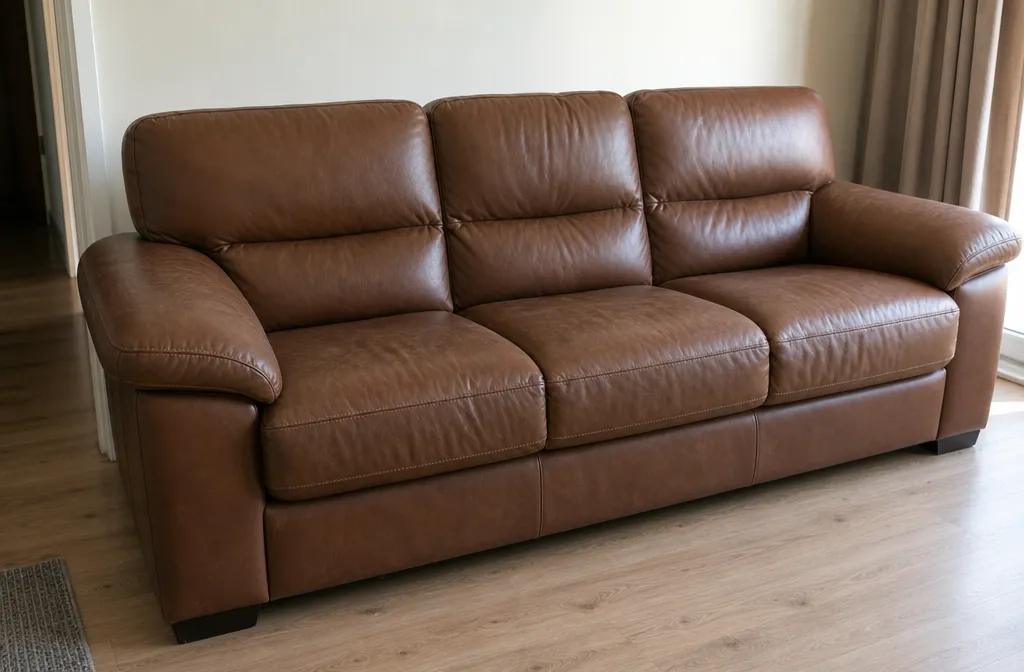
 After
After
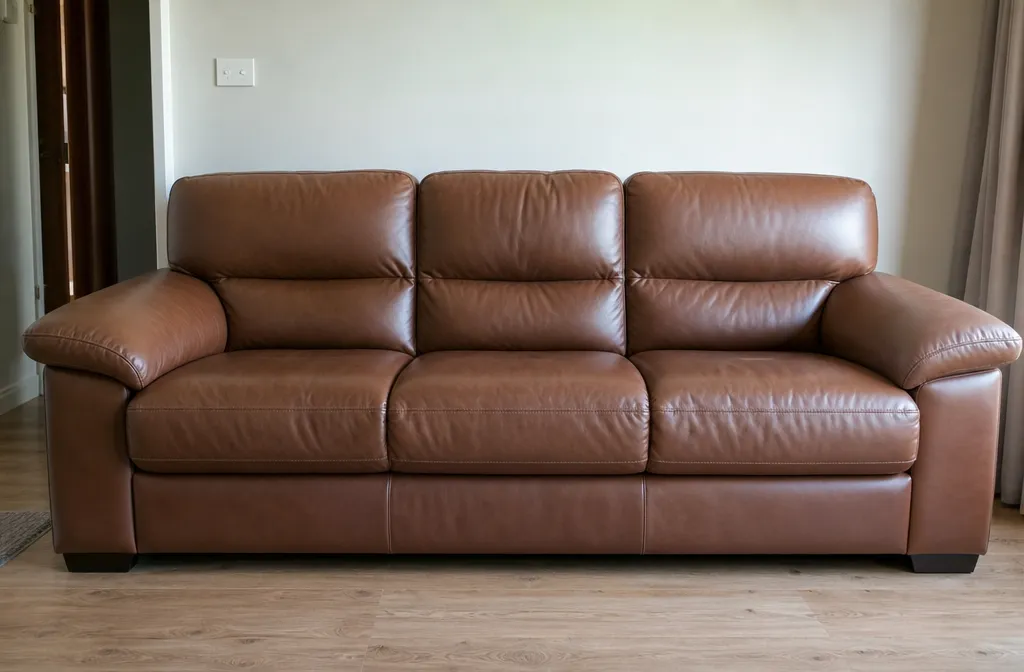
Request: Needed to remove scuffs and dirt from a leather sofa.
Done: Leather cleaning with a special compound and application of protective conditioner.
Cost: 11 000 ₸
Master: Timur Zhaksybekov, dry cleaning master
Total: The leather has restored color and elasticity, scuffs eliminated.
 After
After
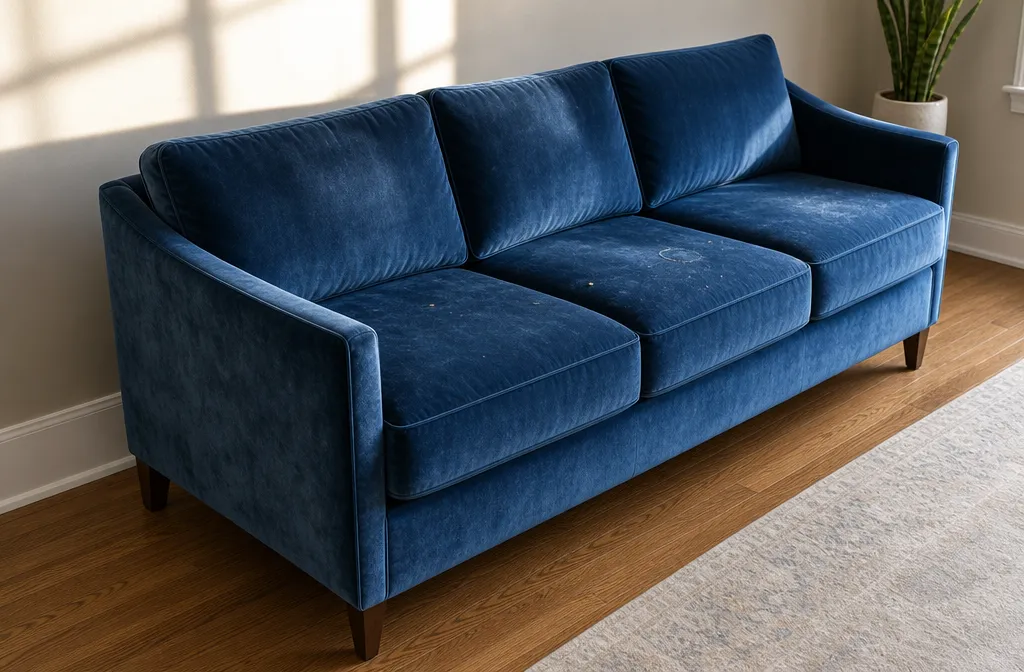
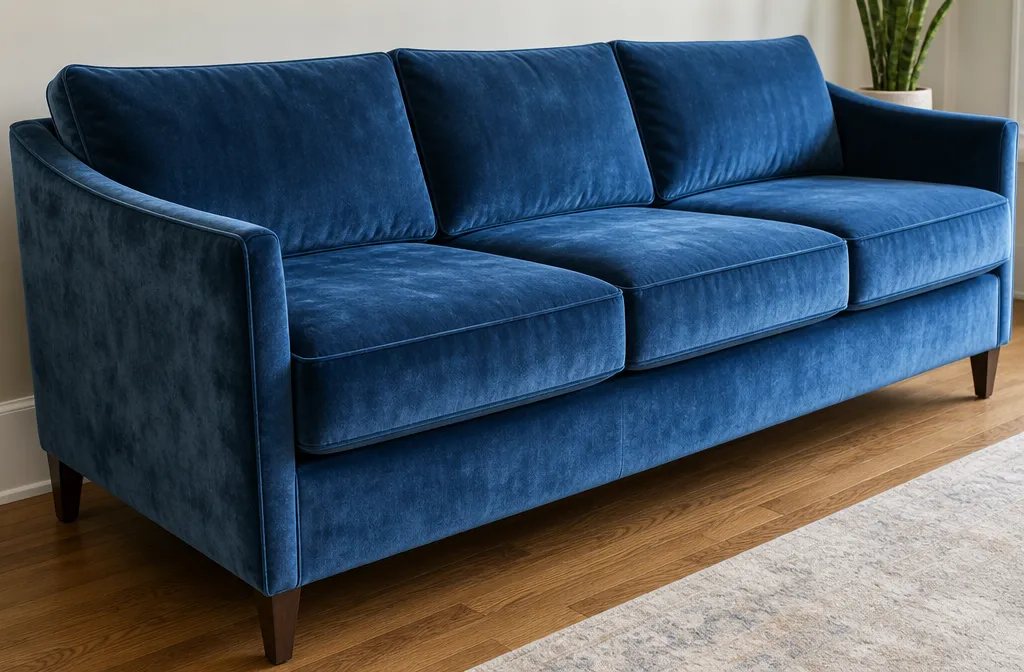
Request: Required cleaning a velvet sofa from dust and stains.
Done: Dry cleaning applied followed by steam treatment and gentle shampoo.
Cost: 11 000 ₸
Master: Dinara Nurgaliyeva, dry cleaning master
Total: The velvet is soft, the pile is lifted, stains completely removed.
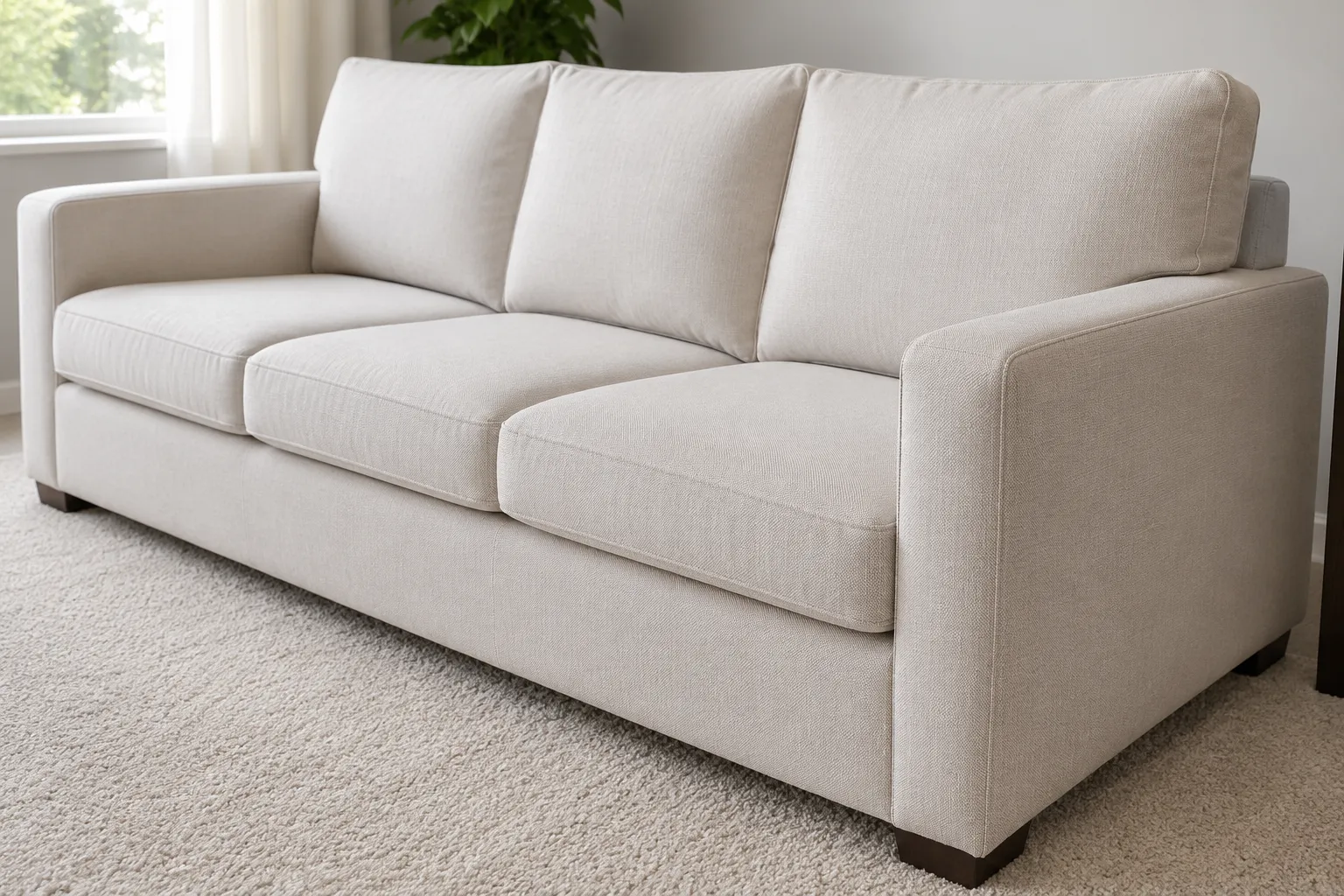 After
After
Request: Needed to remove tough coffee and grease stains on the sofa.
Done: Local stain treatment with enzyme cleaner and overall cleaning with extractor.
Cost: 11 000 ₸
Master: Aidar Bekzhanov, dry cleaning master
Total: All stains removed, the sofa looks like new.
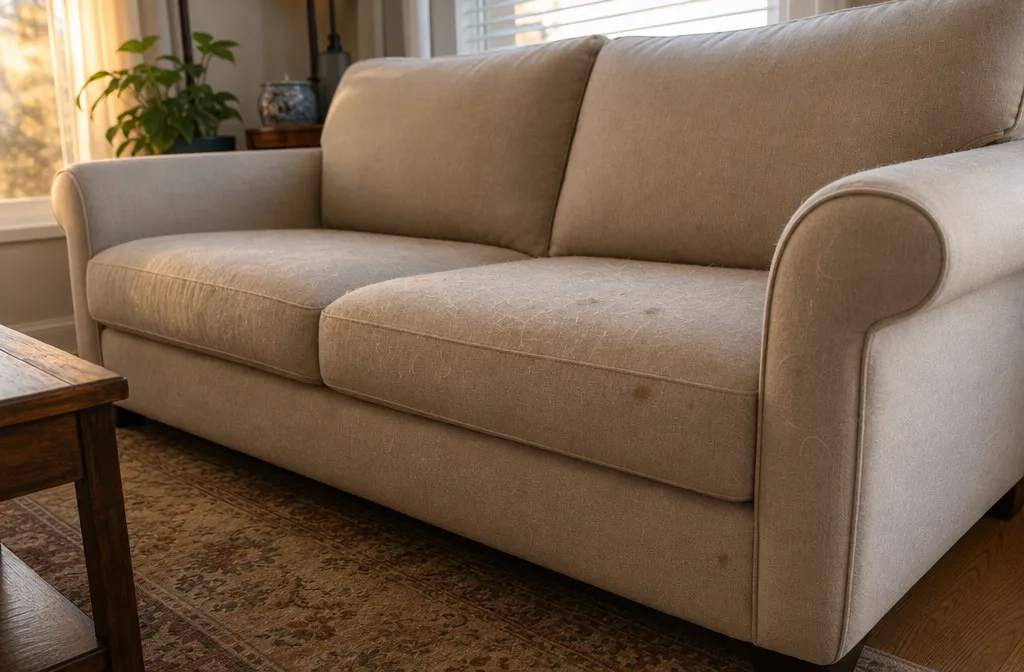
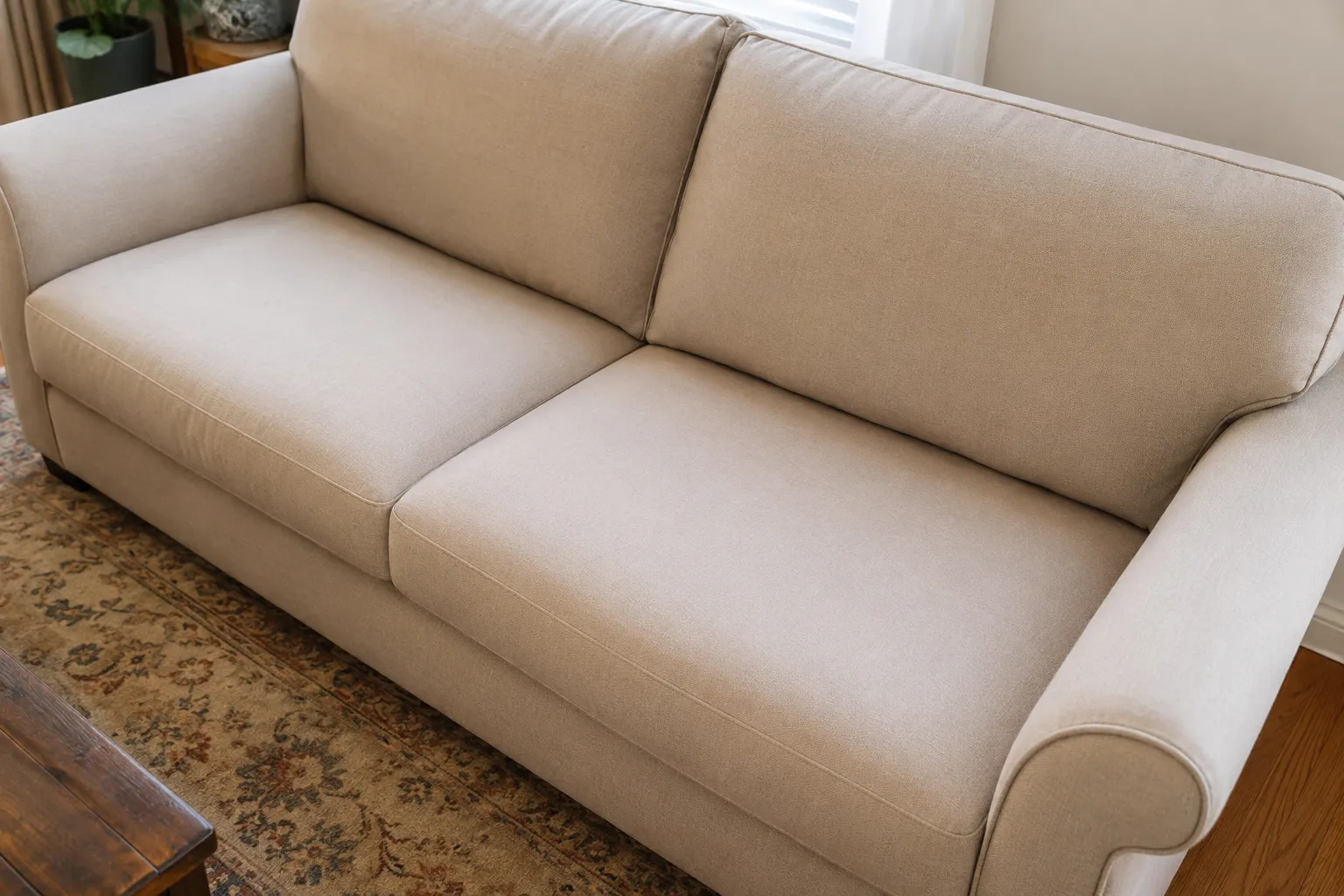 After
After
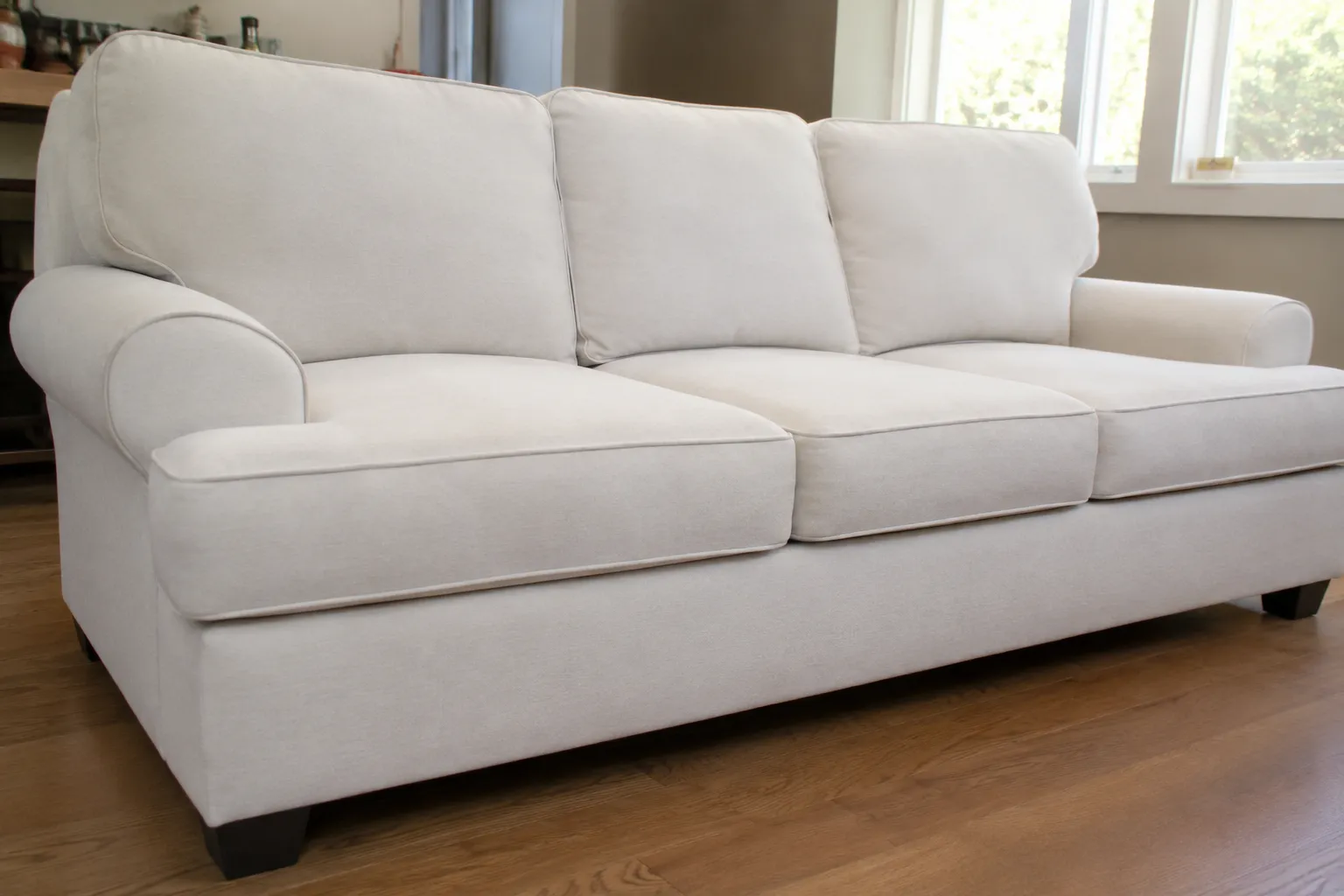
Request: Required removal of cat hair and odor from the sofa.
Done: Deep cleaning performed using rubber scraper and deodorizing agent.
Cost: 11 000 ₸
Master: Gulnaz Sabitova, dry cleaning master
Total: All hair removed, sofa deodorized, no odor.
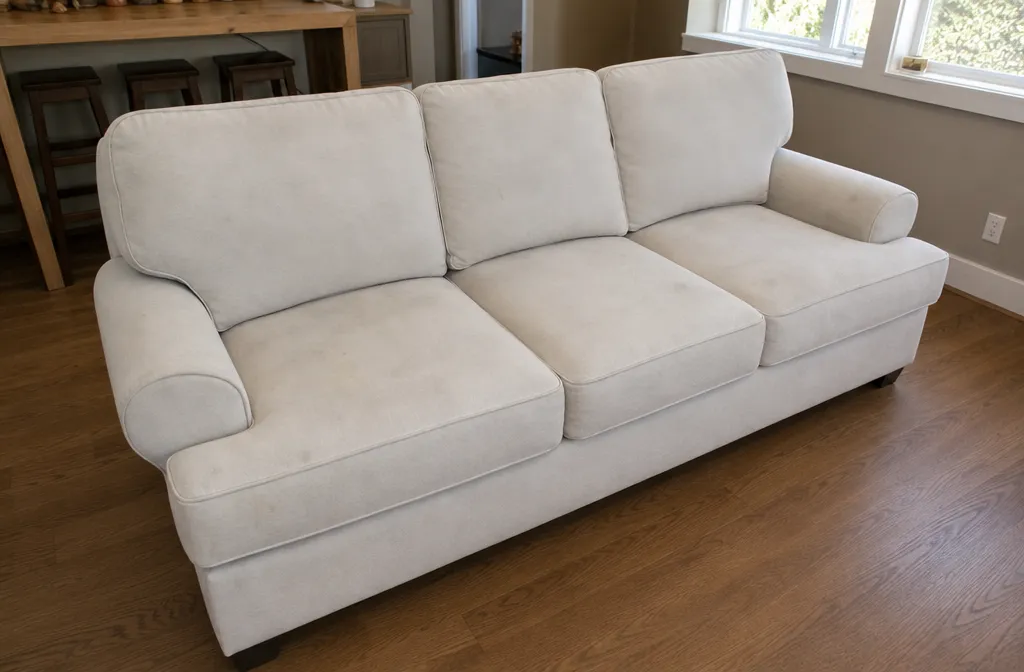
 After
After
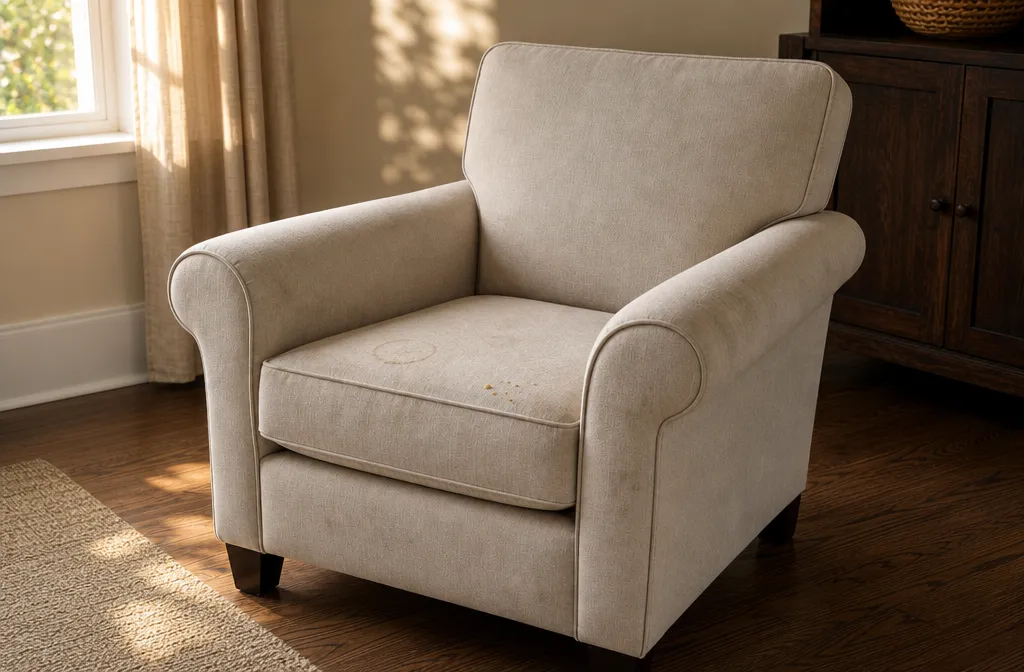
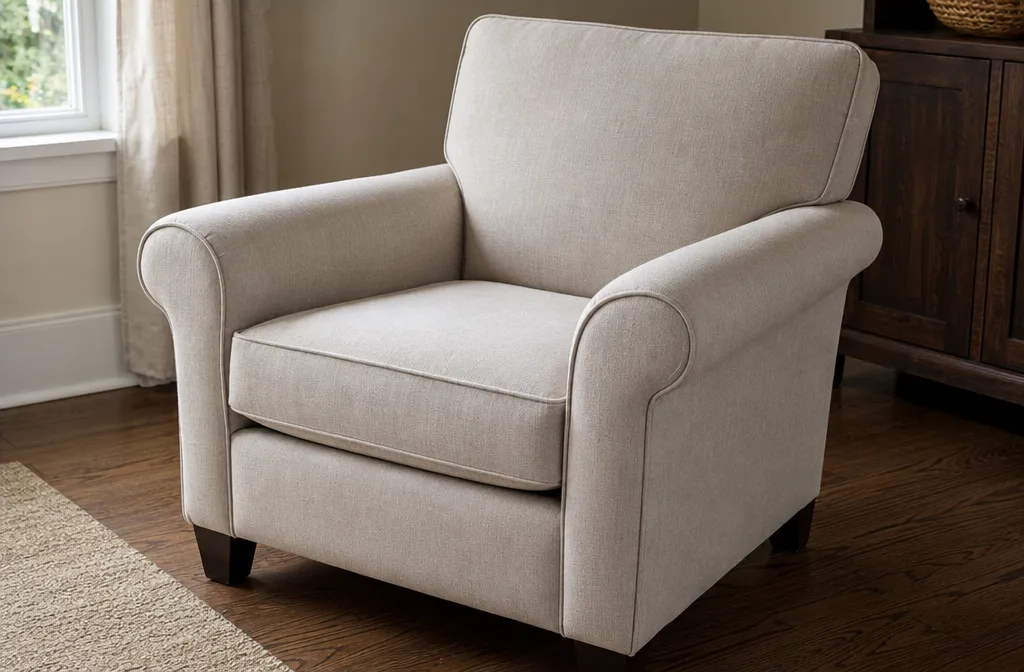
Request: Needed to remove smoke odor and residue from the sofa.
Done: Ozonation and deep cleaning with odor neutralizer were applied.
Cost: 11 000 ₸
Master: Ruslan Kassymov, cleaning master
Total: Smoke odor completely eliminated, upholstery clean and fresh.
 After
After
Request: Needed to clean fabric armchair from stains and dust.
Done: Steam cleaning and extraction with stain remover were performed.
Cost: 3 500 ₸
Master: Aliya Muratova, cleaning master
Total: Armchair clean, no stains, color brighter.
 After
After
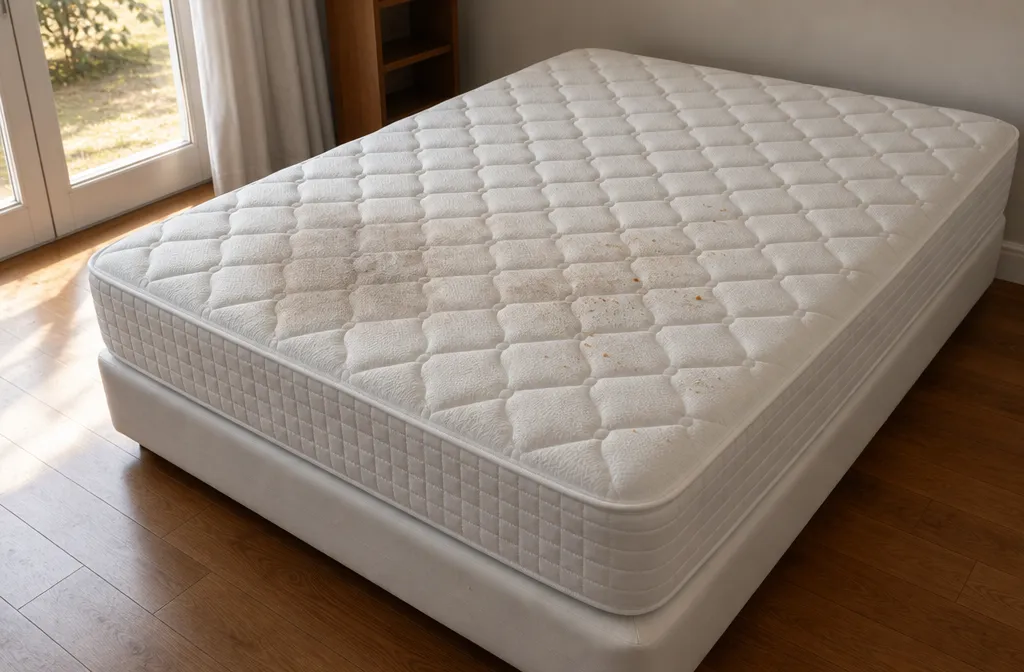
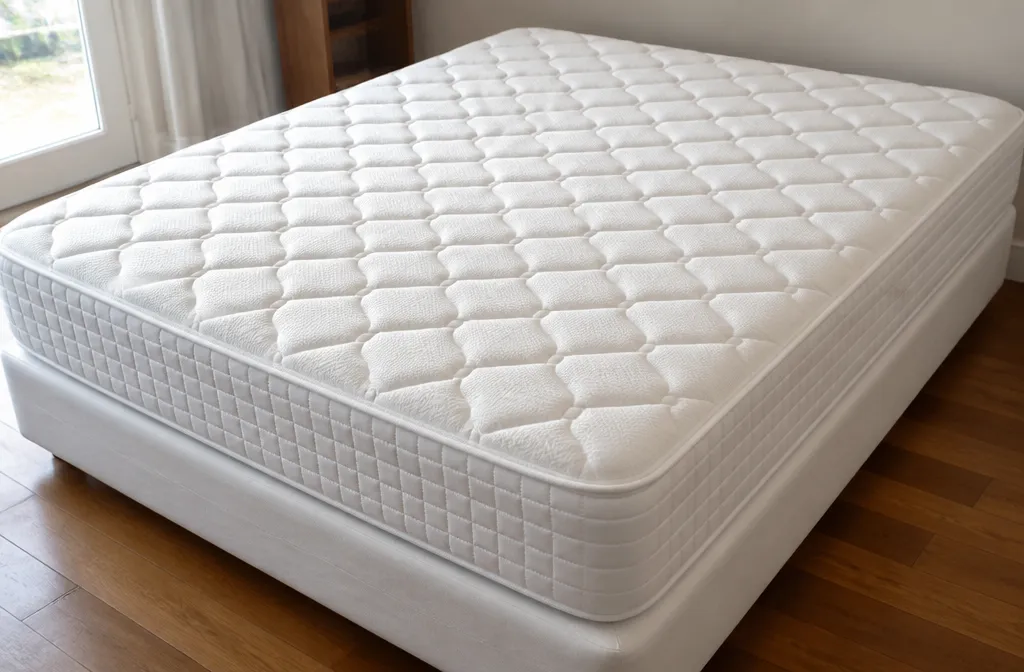
Request: Needed to remove stains and refresh the mattress.
Done: Deep cleaning with enzyme cleaner and extraction was performed.
Cost: 7 000 ₸
Master: Yerlan Nurpeissov, cleaning master
Total: Mattress clean, no stains, fresh smell.
 After
After
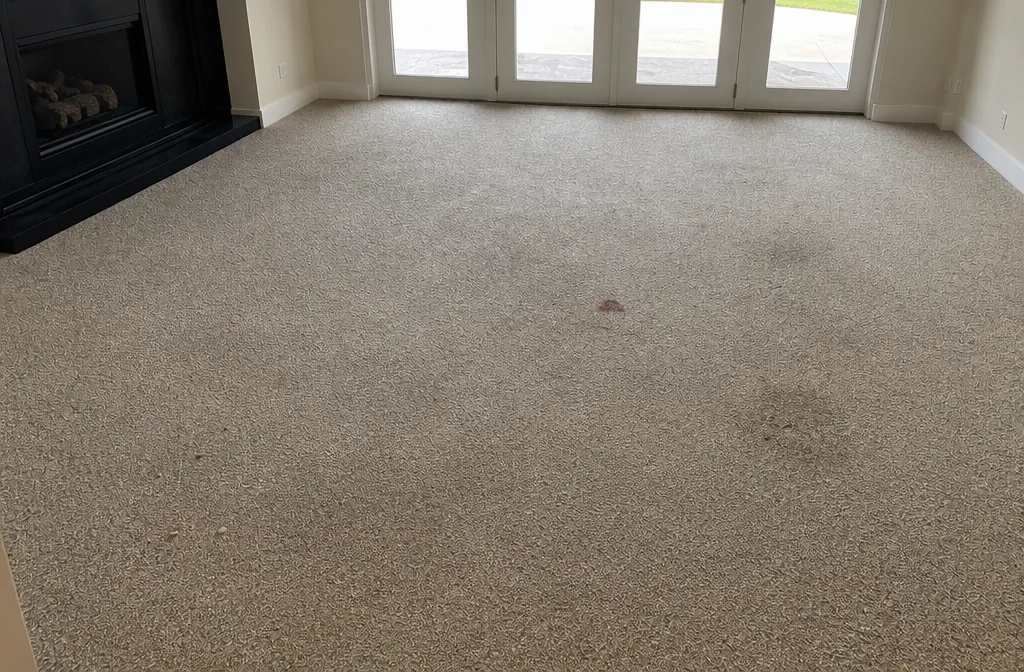
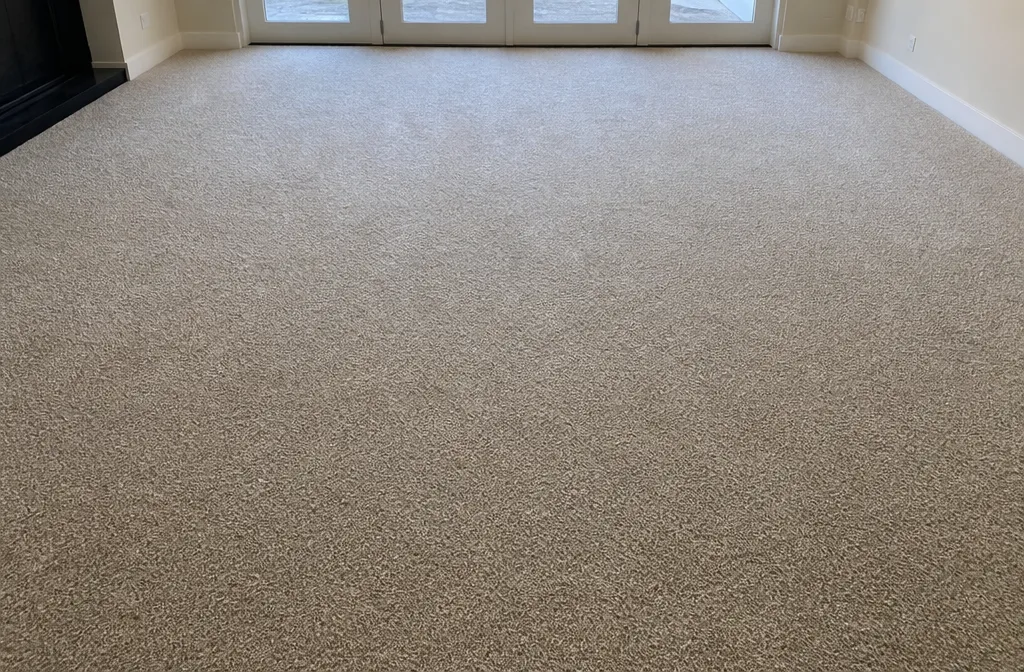
Request: Needed to remove stains and restore carpet color.
Done: Deep cleaning with shampoo and extraction, stain removal applied.
Cost: 13 000 ₸
Master: Saule Zhangazina, cleaning master
Total: Carpet clean, colors bright, pile lifted.
 After
After
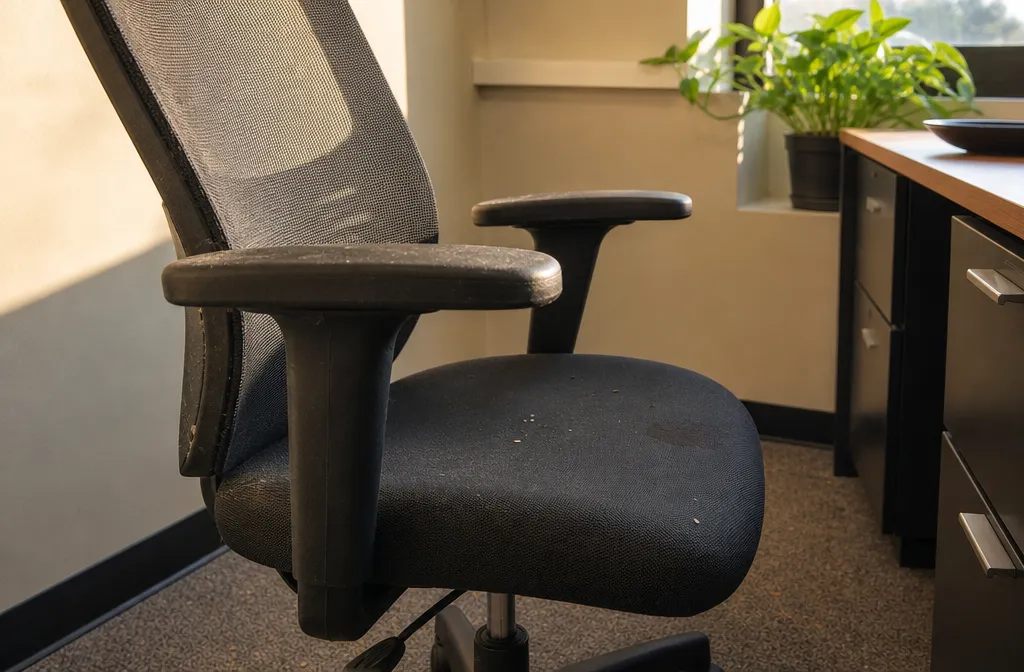
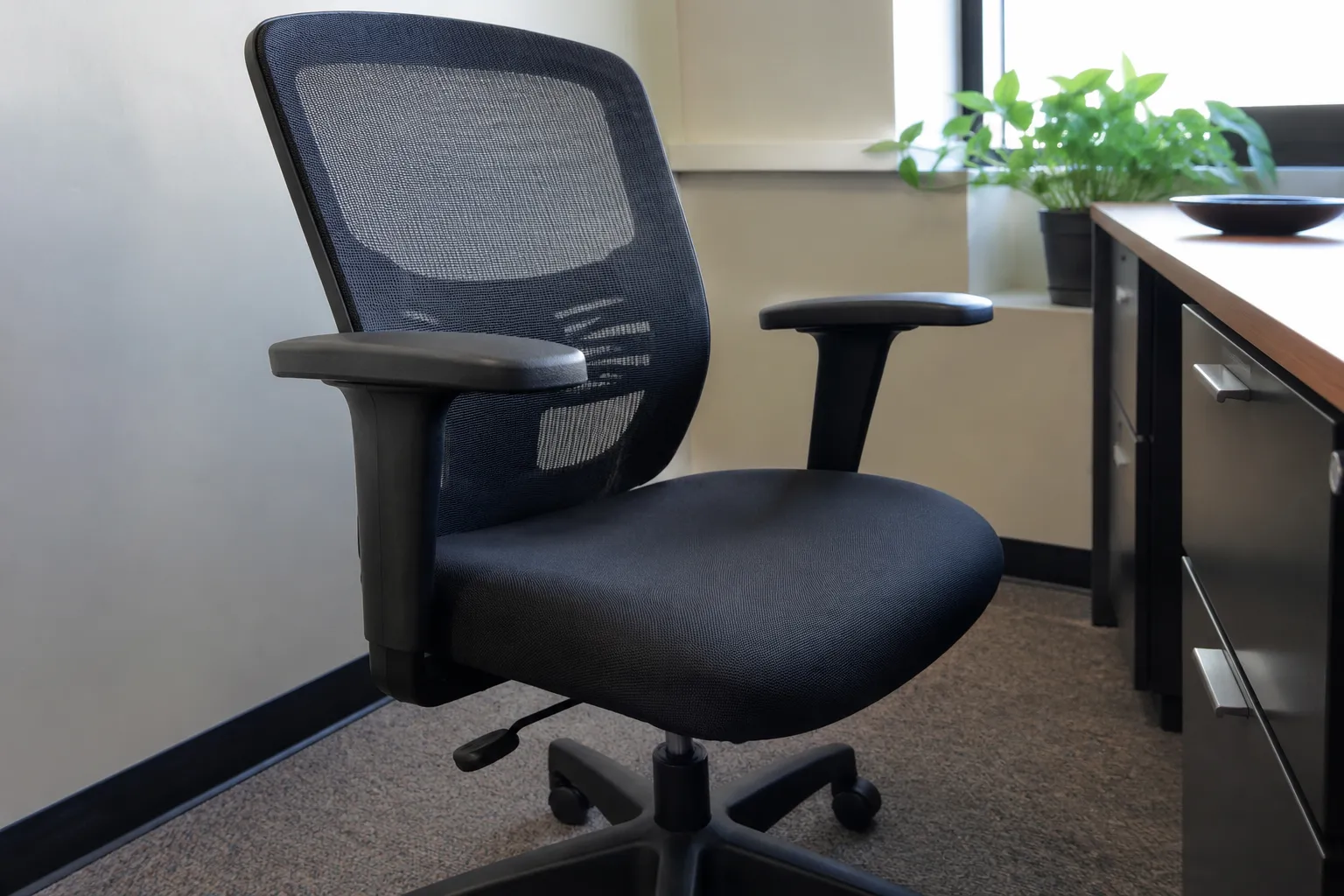
Request: Needed to clean office chair from stains and dust.
Done: Steam cleaning and extraction, stain removal performed.
Cost: 3 500 ₸
Master: Marat Alimzhanov, cleaning master
Total: Chair clean, upholstery fresh, no stains.
All cleaners are profi-clean staff with training, uniform and security check. Each order has a team leader who controls quality.
The frequency of deep sofa cleaning depends on three factors: intensity of use, presence of allergy sufferers or pets, and the microclimate in your home. In Almaty, where a lot of dust mixed with smog is brought in from the street during spring and autumn, standard recommendations shift towards more frequent treatments. Let’s break down the scenarios step by step.
In such an environment, the sofa daily contacts particles of fur, saliva, dead skin cells, and accidental spills. Over a quarter, up to 200–300 grams of microparticles accumulate in the filling, invisible to the eye but becoming a breeding ground for dust mites. In our practice, there was a case: a young family with a Labrador cleaned their sofa once a year, and after a year and a half, their child developed allergic rhinitis — after deep cleaning with extraction and UV treatment, the symptoms disappeared within a week. If you have a pet or a child under 6 at home, deep sofa cleaning every three months is not a luxury but a prevention of respiratory issues. Additionally, once a month, a surface cleaning with a vacuum cleaner equipped with a HEPA filter is advisable — this extends the interval between deep treatments by 1–2 months.
If the sofa is used by two adults who don’t eat on it and don’t allow pets, the standard cycle is six months. However, this rule has an important caveat: in Almaty, the concentration of PM2.5 particulate matter during the heating season (October–March) is 2–3 times higher than in summer. These particles settle on the upholstery, penetrate the filling, and with high humidity (in autumn, humidity in homes without dehumidifiers reaches 70–75%), they trigger the growth of mold fungi. Therefore, for Almaty apartments, we recommend shifting the cleaning to the end of the heating season — April–May — and repeating it in October, before turning on the radiators. This way, the sofa undergoes two treatments per year but remains clean during the peak dusty months. If you notice that 3–4 months after cleaning, a gray coating appears on the upholstery when wiped with a damp cloth, reduce the interval to 5 months — this is a sign that microparticles are accumulating faster than average.
For a sofa mainly used for 1–2 hours in the evenings, without food or pets, an annual deep cleaning is sufficient. However, there is a nuance: even with infrequent use, the pile gets clogged with dust, which oxidizes and over time gives a yellow tint to light-colored fabrics (flock, velvet, chenille). If you want to preserve the upholstery color without chemical bleaching, deep sofa cleaning once a year is the minimum threshold. Additionally, every 2–3 months, it’s beneficial to treat the upholstery with a steam cleaner with a brush attachment: steam softens ingrained dust, so the cleaner will need less time and reagents for stain removal during the next deep cleaning. In our orders from clients in Almaty’s “new” residential complexes (Almaly, Bostandyk districts), we often see sofas that haven’t been cleaned for 2–3 years, requiring an intensive cycle with pre-soaking and double extraction — which is more expensive and time-consuming than annual scheduled treatment.
A bedroom sofa is a high-risk area: during sleep, a person releases sweat, skin particles, and sebum, which are absorbed into the fabric and filling. In one month, up to 1.5–2 grams of organic matter per square meter accumulates on the sleeping surface. In Almaty, with its dry winter air (humidity drops to 25–30%), these secretions don’t evaporate but crystallize, forming a hard crust on the upholstery that a regular vacuum cleaner can’t handle. If children or people with asthma sleep on the sofa, the interval is reduced to 3 months. Moreover, deep sofa cleaning in the bedroom must include antibacterial treatment — in our protocols, we use the hypoallergenic composition Sodasan with bactericidal action, which is safe even for infants. Tip: put a removable zippered mattress protector on the bedroom sofa and wash it once a month — this reduces the load on the sofa and allows you to postpone deep cleaning to 5–6 months instead of 4.
In daily or long-term rentals, a sofa passes through different people: someone eats on it, someone sleeps on it, someone brings in dirt from the street. In a month, 10–15 people can use such a sofa, and over a quarter, upholstery wear accelerates by 3–4 times compared to normal home use. In Almaty, apartments in the center (Zheltoksan, Gogol, Baiseitova streets) are especially problematic, where tenants often come in after walks — with shoes that bring road reagents inside. If you rent out an apartment, budget for a deep sofa dry cleaning every 2–3 months as part of your property maintenance costs. This is cheaper than replacing the upholstery or filling after a year: the cost of replacing foam in a click-clack sofa is several times higher than two or three cleanings. At profi-clean, we partner with real estate agencies and offer a discount on regular treatments — when signing a contract for 4 cleanings per year, the price per cleaning is reduced by 15–20%.
Even if you follow the recommended schedule, there are objective signals that a deep sofa dry cleaning is needed earlier. The first is a visible gray or yellow coating on armrests and bolsters: this is oxidized dust that has already embedded into the fibers. The second is odor: if after airing out the room still smells like an “old sofa,” the decomposition of organic matter has begun in the filling. The third is allergic reactions in household members: sneezing, itchy eyes, nasal congestion without apparent cause. The fourth is the appearance of dark stains on the upholstery from sweat or grease that cannot be removed with soapy water. The fifth is lingering dampness in the room after wet cleaning: the sofa has absorbed moisture from the air, creating an environment for mold inside the filling. If you notice at least two of these signs, don’t wait for the scheduled time — call a cleaner within the next 1–2 weeks, before the contamination penetrates into the deep layers. In our orders from Almaty residents, we see that sofas cleaned based on such signals are restored in one visit, while neglected cases require a two-stage treatment with a 24-hour interval.
For Almaty, the seasonal factor is one of the key ones. In spring (March–April), the air contains a lot of pollen and poplar fluff, which settles on the upholstery and clogs the fabric pores. In summer — dust from construction work (the city is actively being built up) and sand from desert winds. In autumn — humidity and street dirt. In winter — reagents and soot from exhaust fumes in traffic jams, which settle on the sofa if the windows face a busy street (for example, Abay, Al-Farabi, Dostyk avenues). Therefore, the optimal schedule for an Almaty resident: first deep dry cleaning — end of April (after flowering and before summer dust), second — end of September (after summer and before the heating season). If the sofa is in a bedroom or a home with pets, add a third one — in January, when the air in the apartment is driest and dust from radiators is at its maximum. This three-cycle schedule extends the sofa’s lifespan to 8–10 years instead of 5–6 with annual cleaning.
Many people think that vacuuming the sofa once a month is enough. In reality, a vacuum cleaner only removes surface debris, while deep sofa dry cleaning penetrates the filling and washes out what remains invisible for years. Let’s break down the key differences in mechanics, results, and effects on the material.
A vacuum cleaner removes crumbs, hair, and dust from the top layer of upholstery — up to 1–2 mm deep, without a turbo brush. We, however, use an extractor machine with a rotating brush and a cleaning solution feed at a pressure of 3–5 bar: it forces the solution through the entire thickness of the upholstery and foam, washing out pollen, mites, old stains, and urine odors at depths of up to 10–15 cm. In practice: after a regular vacuum cleaning, a sofa cushion weighs the same; after ours, it is 200–400 grams lighter due to the washed-out dust from the filling. This volume of dirt is invisible to the eye, but it is precisely what triggers allergies and rapid fabric wear. On memory foam models (latex filling), deep cleaning restores elasticity — a vacuum cleaner cannot do this.
The vacuum cleaner collects dry debris but lets through fats, sweat, saliva, and urine — these soak into the fibers and crystallize, causing yellow stains and a sour smell when humidity rises. Deep sofa dry cleaning breaks down these compounds at the molecular level using enzyme pre-sprays and alkaline extractors: we apply the solution, wait 10–15 minutes for the reaction, then rinse it off under pressure with a vacuum extraction. For example, urea — the main component of stains from children and pets — only dissolves at a pH above 10, which an enzyme shampoo provides, unlike a regular vacuum cleaner. From our orders: in 7 out of 10 sofas, an ammonia smell remains on bio-stains after vacuuming, which only disappears after extraction. On silk and viscose upholstery (e.g., on Italian sofas), it is crucial to use a neutral pH of 7–8 to avoid damaging the thread — we have test strips for each fabric type.
Regular vacuum cleaning involves mechanical friction of a brush on dry fabric: over 5–10 minutes, the pile wears down, and pilling and creases appear on velvet and microfiber. We, on the other hand, moisten the fibers before treatment — they become more elastic, and dirt is removed without tearing. After drying (warm air blowing + dehumidifier), the pile is restored, and the sofa looks like new. In practice: on flock and chenille, dry vacuum cleaning leaves light streaks from friction, while wet extraction restores uniform color. On leather and eco-leather, a vacuum scratches the coating with micro-particles of sand — we only use microfiber cloths and steam at 120°C, which softens dirt without abrasive contact. In our cases: after 3–4 cycles of dry cleaning, a leather sofa in Almaty loses 15–20% of its factory shine — it is only restored by polishing with conditioner, which we include in the service.
A vacuum cleaner does not remove odors — it only collects particles, while odor molecules remain in the pores of the filling and return when heated (e.g., by the sun or a radiator). Deep sofa dry cleaning includes an ozonation stage or treatment with an enzyme neutralizer: we introduce a solution with destructor bacteria into the foam, which consume organic residues and release carbon dioxide — odor-free. The effect lasts 6–12 months, whereas airing or fragrances mask the smell for 2–3 days. In practice: in Almaty apartments with high humidity (due to the proximity of the mountains), the musty smell on a sofa after vacuuming returns within a week — after our dry cleaning, it disappears permanently, provided there is normal ventilation. For smokers: nicotine resin is not washed off with water — we use an alcohol-based pre-spray that dissolves the resins, followed by extraction — a vacuum cleaner cannot handle this task.
Different types of stains require different approaches — what alkali removes, a solvent may not, and vice versa. Let’s break down which contaminants professional deep sofa dry cleaning handles and which remain inaccessible to household stain removers.
Protein-based contaminants (blood, milk, urine, sweat) are the most insidious: when in contact with hot water above 40°C, the protein coagulates and becomes permanently embedded in the fabric fibers. At profi-clean, we first determine the nature of the stain with a cold water test rinse, then apply an enzyme-based Sodasan solution that breaks down the protein into amino acids. Grease stains (vegetable oil, hand cream, food residue) are removed with alkaline solutions at pH 9–11 — they saponify the fat into soap, which is easily rinsed off by the extractor. Sugar-based marks (juice, compote, sweet tea) — on the contrary, they are sensitive to alkali and are removed by neutral surfactants with an acidic balance. In our practice, there was a case: a client tried to remove a cherry compote stain with vinegar — the acid fixed the anthocyanins, requiring three passes with an oxygen bleach. Therefore, never rub a fresh stain — you will only push the pigment deeper into the filling; blot it with a napkin and immediately call a specialist.
Tea, coffee, red wine, blueberries, markers — these are tannins and synthetic dyes that penetrate fibers within seconds. Household stain removers like Vanish are powerless here — they work on the surface, but the pigment is already inside. We use an oxygen bleach based on sodium percarbonate (activated at 60°C), which releases active oxygen and breaks the chromophoric bonds of the dye. For old coffee stains on light microfiber, we apply a three-component system: alcohol (dissolves coffee resins), hydrogen peroxide (oxidizes the pigment), and a neutralizer. In Almaty, where many drink coffee with cinnamon and cardamom, stains from Earl Grey tea also contain essential oils — these can only be removed by limonene-based solvents. On velvet sofas, such contamination often leaves a “halo” — this is removed with a final 140°C steam treatment that evens out the pile. An important nuance: tannins interact with metal salts in hard water, forming insoluble complexes — therefore, before dry cleaning, we always test the water hardness and add chelating agents if necessary.
Synthetics (polyester, microfiber, flock) have low wettability — oil is not absorbed but spreads over the surface, creating a greasy film. Household surfactants slide over this, failing to penetrate the structure. We apply an absorbent (cornstarch or diatomite) to the dry fabric, which draws the oil out of the micropores in 10–15 minutes, then remove it with a HEPA-filter vacuum cleaner. Residues are removed with a solution of isopropyl alcohol and water (30:70) — the alcohol reduces surface tension and washes out the oil. On sofas with a water-repellent coating (Scotchgard), oil cannot be removed with water at all — only a hydrocarbon solvent (white spirit or Stoddard) without water works. In Almaty, sofas made of faux leather with oil stains from shoe cream are common — these are removed with a special composition based on cyclomethicone, which does not damage the polyurethane coating. Attempting to wipe off such a stain with acetone will dissolve the film, leaving an unsightly matte mark.
The most difficult are stains of mixed nature: for example, spilled coffee with milk (tannins + fat + protein) or baby puree (starch + fat + pigment). Each component requires its own reagent, and the order of application is critical. We start with enzymes (break down protein), then alkali (saponifies fat), then an acidic neutralizer (removes tannins). Set-in stains older than a month are a separate story: during this time, the contamination oxidizes, polymerizes, and cross-links with the fabric fibers. Our tests show that a month-old stain requires 3–4 times more reagent and dwell time than a fresh one. In such cases, we use pre-soaking in an ultrasonic bath (for removable covers) or multi-layer compresses with a gel stain remover for 20–30 minutes. A non-obvious example: deodorant marks on armrests are a combination of aluminum salts and perfume oils; only a weak citric acid solution (2%) followed by soda neutralization can remove them.
Deep cleaning removes not only visible stains but also the cause of unpleasant odors — the bacterial biofilm inside the filling. Animal urine, mold, set-in sweat — these are waste products of microorganisms living in foam rubber and synthetic padding. Regular foam cleaning only washes the surface layer, and the odor returns in 2–3 days when the bacteria rebuild their colony. We use water ozonation (an ozone generator at the extractor output) — ozone kills 99.9% of bacteria and fungi within 30 seconds of contact. For cat urine odor, we use an enzyme neutralizer with bacteriophages, which breaks down uric acid into carbon dioxide and ammonia (ammonia evaporates during drying). In Almaty, with its humid climate in spring and autumn, moldy odors on sofas are a common problem; we treat such areas with 3% hydrogen peroxide with the addition of a quaternary ammonium compound, which suppresses spores up to a depth of 5 cm. Without such treatment, mold regrows within 2–3 weeks, especially in corner sofas placed against walls.
Dust mites, pet dander, mold spores, pollen particles — these aren’t stains in the usual sense, but they are what cause allergies and asthma. Deep dry cleaning with extraction washes out up to 97% of allergens from the filling because water with surfactants penetrates the entire depth of the sofa, and the extractor sucks out the suspension. For sofas in homes with allergy sufferers, we additionally use a rinse with a tannin solution (binds protein-based allergens) and a final treatment with a HEPA filter class H13 — it captures particles as small as 0.3 microns. In Almaty, where during the poplar flowering season fluff gets clogged into the fabric, we pre-treat the sofa with an antistatic agent — it reduces pollen adhesion by 60–70%. Regular dry cleaning with shampoo without extraction only pushes allergens deeper into the cushion, creating a “time bomb” for an allergy sufferer.
The geography and climate of Almaty create unique conditions for upholstered furniture soiling — dry air, frequent dust from the mountains, and sharp humidity fluctuations require a special approach to cleaning, different from standard protocols.
Almaty dust is not just household dirt, but a fine mixture of soil particles, road rubber, and exhaust fumes that settles on fabrics even with closed windows. In our orders, we see that in a month, a sofa in a bedroom accumulates up to 200–300 grams of such dust — it embeds into the microfibers and over time wears away the dye, making the upholstery dull. Meanwhile, a standard vacuum cleaner removes no more than 30–40% of these particles, leaving the rest deep in the filling. Therefore, during deep dry cleaning, we always use an extractor with a HEPA filter and a pre-treatment with an enzymatic compound — this is the only way to wash dust out of the fabric’s pores without damaging the structure.
Air humidity in Almaty apartments drops to 15–20% in winter, making fabrics and fillings brittle — micro-cracks in leather and dried-out polyester fibers lose elasticity. In October, we had a case: a flock sofa that had spent winter near a radiator began to crumble during the first cleaning — we stopped the process and applied a moisturizing fabric conditioner with lanolin, which restored fiber flexibility. Our recommendation: before ordering a deep dry cleaning during the heating season, inform the technician about the dry air — we add a softener to the solution to prevent cracking, and this extends the life of the upholstery by 1–2 years.
In spring and autumn, Almaty typically experiences daily fluctuations from +5°C at night to +25°C during the day — condensation on windows and cold walls creates areas of high humidity, especially in corner apartments and on the first floors. In such conditions, the foam rubber of a sofa placed flush against an exterior wall absorbs moisture within 2–3 weeks, and a colony of Aspergillus niger — black mold, visible only when the cover is opened — forms inside. In our practice, we cleaned a sofa from the Medeu district, where we found continuous fungus under the cushions due to a leaking air conditioner — standard extraction didn’t work, so we had to perform a three-stage treatment: first, bactericidal steam at 120°C, then impregnation with an antifungal compound based on benzalkonium chloride, and final drying with an industrial fan for 6 hours. If the sofa is against a cold wall, order a preventive steam treatment every six months — this kills spores before they grow into the filling.
Due to basement ventilation and proximity to roads, Almaty sofas absorb the smells of smog and smoke from courtyard barbecues — these molecules bind to fatty deposits on the fabric, and regular foam doesn’t wash them out. We use ozonation at the final stage: an ozone generator with a concentration of 3 g/h for 40 minutes breaks down volatile compounds into carbon dioxide and water, removing even stale tobacco and smoke odors. On kitchen sofas, we additionally use an enzymatic compound that breaks down oil films from frying — without it, the smell of belyashi or samsa returns a week after cleaning.
After we remove all contaminants from the upholstery, you naturally want to keep the result as long as possible. In profi-clean’s practice, a clean sofa stays tidy for 6–8 weeks with minimal maintenance, but without it, dust and grease return within two weeks. Here’s what actually works.
Upholstery acts like a sponge for microparticles. Almaty’s dry air lifts dust from the floor with every step, and it settles on the sofa — faster on textured fabrics (flock, velvet, microvelvet) and slightly slower on smooth ones (burlap, microsatin). The difference in soiling speed between unprotected and impregnated fabric is up to three times. We apply a fluoropolymer barrier after every dry cleaning: it envelops each fiber in a nanometer-thin film. Liquid beads up into droplets, dust doesn’t embed, and grease from hands stays on the surface, easily removed with a damp cloth. In practice, the protection lasts 3–4 months — longer on synthetics (polyester, acrylic) and shorter on natural fabrics (linen, cotton), which absorb more actively. I recommend renewing the impregnation every six months: it’s cheaper than scheduling an extra dry cleaning.
The first is using harsh household chemicals. Stain removers with chlorine or alkali destroy that protective film and fade the dye, leaving streaks visible under a lamp. The second is wet vacuuming with a water filter. Water left in the fibers after such cleaning doesn’t evaporate within an hour — it mixes with dust and creates a gray film in a day or two. The third is moving the sofa near a radiator. In Almaty apartments with central heating in winter, the temperature difference near the window can reach 15°C, and air dryness up to 15–18%. The fabric dries out, micro-cracks in the impregnation open up, and dirt penetrates deeper. In our practice, there was a case: a client placed the sofa right next to the radiator, and after a month, the upholstery darkened by three shades on the backrest — we had to clean it again.
If stubborn marks appear on the upholstery — from ballpoint pens, wine, urine, or oil-based cosmetics — home remedies won’t remove them. Red wine stains, for example, set into the fibers within 20–30 minutes: tannin bonds with the fabric protein, and without a professional stain remover (oxygen bleach with pH 7–8), it remains forever. A second sign is odor: if the sofa smells “old” even after airing, bacteria have accumulated in the foam. We use an extractor with hot water at 90°C and a disinfecting solution — it kills microflora inside, while surface vacuuming is useless. A third is color loss on the seat: if the fabric has become 2–3 shades lighter compared to the backrest, it’s not dirt but wear of the protective layer — the impregnation no longer holds, and deep dry cleaning with color restoration is needed. In my experience, sofas cleaned every 8–10 months last 7–8 years without reupholstering, while those ignored fade and become soiled in 3–4 years.
More myths have formed around dry cleaning upholstered furniture than around any other type of cleaning. Let’s break down the most persistent misconceptions — from “after cleaning, the sofa gets dirtier faster” to “professional dry cleaning is just like a vacuum.”
This fear arises when a client sees that the upholstery darkens again after a month. In reality, the problem isn’t the cleaning, but the residual effect of the cleaning agent. If the technician hasn’t completely removed the chemicals through extraction, they attract dust like a magnet. At profi-clean, we rinse the upholstery with a minimum of three cycles of clean water, monitoring the pH at the output: a final reading of 6.5–7.0 means no reagents remain. Another cause of rapid soiling is an incorrectly chosen concentration for the fabric type. Chenille and velvet require different amounts of shampoo, and our senior technician on-site selects the dosage based on a test in an inconspicuous area. Before ordering, ask the technician how many rinses they perform — with fewer than three cycles, the risk of residual soiling is over 30%.
A steam generator is excellent for softening old dirt and killing bacteria, but it doesn’t mechanically remove grime. If you treat a sofa with steam only, without extraction, grease and dust remain inside the fibers, simply becoming invisible for a couple of days. In our Almaty practice, we often see the consequences of such cleaning: after a week, the damp dust oxidizes and appears as yellow streaks on light-colored upholstery. Steam is just the first stage: it must be followed by applying active foam, mechanical treatment with a turbo brush, and vacuum extraction. On sofas with latex or polyurethane foam filling, steam without subsequent drying is even dangerous — moisture remains inside and starts the rotting process of the base.
Attempts to scrub off coffee or wine with household chemicals from the supermarket are the main reason a sofa arrives at our facility with an “unremovable” stain. Most universal stain removers contain chlorine or alkali, which fix protein: a blood or milk stain becomes almost permanent after such treatment. We have a case from the “Akbulak” residential complex — a client spilled red wine and treated it with “Vanish”; a month later, the stain darkened to brown and could only be removed with an acidic Kiehl compound over three applications. Each type of soiling requires its own enzyme: protease for protein, lipase for fats, amylase for starch. Before the technician arrives, it’s best not to apply anything at all — just blot the stain with a dry napkin.
Yearly frequency is only suitable for bedrooms without children or pets. In Almaty apartments with panoramic windows and dry air, dust settles on upholstery 1.5–2 times faster than in cities with humid climates. We recommend deep dry cleaning every 6–8 months, with monthly dry vacuum treatments using a HEPA filter in between. This is especially important for sofas in living rooms: kitchen furniture accumulates greasy aerosol from cooking, which binds dust and forms a sticky film. If you notice that the upholstery loses its color again 3–4 months after cleaning, it means the interval needs to be shortened, not that you should look for another service.
A drying time of more than 8–10 hours is a sign that the technician over-wetted the upholstery or didn’t use an extractor with sufficient power. A professional machine with a vacuum suction leaves fabric moisture at 15–20%, and the sofa dries in 2–4 hours with room ventilation. If you’re told “leave it overnight,” it’s a signal that the equipment is weak or the cleaner is saving time on extraction. Damp filling (foam rubber, holofiber) is an ideal environment for mold: after 2–3 such “overnight dryings,” a musty smell appears inside the sofa, which cannot be removed without replacing the padding. Before signing the completion certificate, check the upholstery by touch: it should be slightly damp, not wet.
I ordered deep dry cleaning of the sofa — cat urine stains and fur were completely removed, no smell. Very satisfied.
Thank you, Aigerim! Glad we handled such tough stains.
The sofa looked terrible after a year of use. After cleaning, it looked like new. The only thing is I waited longer than promised.
Marat, we apologize for the delay. We'll try to be more punctual next time.
They did deep dry cleaning of the sofa — removed coffee and red wine stains. Excellent result, colors became brighter.
Two kids and a sofa stained with markers and food. After cleaning, everything was washed out, I couldn't believe it. Huge thanks!
Zhanna, thank you for your review! Always ready to help with kids' 'surprises'.
I ordered a deep chemical cleaning for a leather sofa. The stains were removed, but streaks remained on the surface. I had to wipe it myself.
Yerlan, sorry for the incomplete job. We will review the mistakes and offer a free retreatment.
After the New Year party, the sofa had stains from champagne and sauces. The team cleaned everything, even old marks. I recommend it.
The sofa I sleep on was very greasy. They did a deep chemical cleaning — now it's fresh and soft, like new.
Kuanysh, great! Glad you're sleeping well on a clean sofa.
The sofa had a lot of dust buildup, and I suffered from allergies. After cleaning, breathing became easier. Downside: a faint chemical smell remained but dissipated in a day.
Dinara, thanks for the review! We use hypoallergenic products, but sometimes the smell lingers. Ventilation helps.
We had a deep chemical cleaning of grandma's old sofa — it transformed, tea stains disappeared. Now it's presentable for guests.
We moved the sofa and it got dirty in the car. profi-clean cleaned everything: dirt and an oil stain. Fast and high quality.
Gulnara, thank you! Glad we helped after the move.
I ordered a deep chemical cleaning for a sofa due to mold on the fabric. The mold was removed, but a faint smell remained. It disappeared after a week of airing.
Alexey, thank you for the review. We treated it with an antifungal agent; the smell should completely dissipate.
The husky fur was embedded in the upholstery. After cleaning, the sofa is clean, not a single hair. Amazing, thank you!
My child spilled ink on the sofa — I thought it was ruined. They did a deep chemical cleaning — no stain! Magicians.
Aizhan, glad we could help! Ink is a tough stain, but we handled it.
After renovation, the sofa was covered in cement dust and paint. Everything was cleaned carefully, without damaging the fabric.
The sofa smelled of tobacco from the previous owners. I ordered a deep sofa cleaning — the smell is almost gone, just a faint trace remains, but it's tolerable. Maybe it needs more time.
Nurgul, thank you! Tobacco smell is hard to remove completely, but we used neutralizers. We recommend repeating the treatment in a month.
Spilled red wine on a white sofa. They arrived within an hour — the stain disappeared. Professionals!
The sofa bed had ingrained sweat and makeup stains. They did a deep sofa cleaning — everything was washed out, the mattress part is also clean.
Sveta, thank you for your review! Glad we also put the sleeping area in order.
An oil stain from pizza had been sitting for a month. profi-clean removed it without a trace. The sofa looks like it's from a showroom.
I ordered a deep sofa cleaning to remove blood stains. The stains became paler but didn't disappear completely. I expected better.
Leila, we apologize. Blood stains are among the most difficult. We will invite you for a free repeat treatment.
The kids drew on the sofa with markers. I thought I'd have to throw it away. After cleaning, not a trace — they saved the sofa.
On the kitchen sofa, there were greasy food stains. They did a deep sofa cleaning — everything was cleaned, the fabric wasn't damaged.
Aliya, thank you! Our specialists remove grease stains excellently.
Hair dye got on the sofa. profi-clean removed almost everything, but a slight pink tint remains. Overall, not bad.
Damir, thank you for your feedback. Hair dye is a persistent pigment; we did our best. We recommend using protective covers.
After renovation, the sofa was covered in dust and plaster. I ordered a deep chemical cleaning of the sofa—the result is perfect, they even cleaned the seams.
I spilled pomegranate juice on a light-colored sofa. The stain was removed in one visit, the color didn't change. Thank you!
On average, the process takes 2-3 hours depending on size and degree of soiling. After cleaning, 6-12 hours are needed for complete drying.
Leave a request on the website or call us. A master will come for a free assessment, then we agree on a convenient time and perform the cleaning.
Yes, we use hypoallergenic Sodasan products certified by Ecogarantie. After drying, the upholstery is safe for children and pets.
Clients note high quality, no streaks or odor, and polite masters. Average rating is 4.9 according to Kaspi.
It is recommended every 6-12 months for prevention. With active use or if there are allergy sufferers, every 3-4 months.
A vacuum cleaner removes only surface dust, while steam extraction cleaning penetrates deep into the fabric, removing dirt, bacteria, and allergens.
Cash, Kaspi Gold, Halyk Bank, card transfer. We work with legal entities with VAT.
Yes, we guarantee no streaks or odor after drying. If any issues arise, we come out free of charge within 24 hours.
Just remove cushions and small items. The master arrives with all equipment and products. If there are removable covers, they can be cleaned separately.
Yes, we work in Almaty and within a 30 km radius from the city. For remote areas, there may be a small surcharge for travel.
Tell us about your experience with profi-clean — it helps other clients and us improve.
We currently operate in Almaty. Other cities are coming soon.