Inspection and assessment
The master evaluates the fabric type, filler, and degree of soiling. Selects optimal products and cleaning mode.
Professional dry cleaning of sofa cushions with removal of stubborn stains and odors. Service available in Almaty.

We work with any types and materials
Cleaned separately from the sofa, access to all sides
from 11,000 ₸Cleaned on-site with frame protection
from 11,000 ₸Gentle cleaning considering decorative elements
from 11,000 ₸Cleaning cylindrical shapes with hand seam treatment
from 11,000 ₸Careful cleaning without filler deformation
from 11,000 ₸Special mode to preserve shape
from 11,000 ₸Cleaning with delicate pile without streaks
from 11,000 ₸Removing dirt from textured weaves
from 11,000 ₸Deep extraction for synthetic fabrics
from 11,000 ₸Special products for leather, without overdrying
from 11,000 ₸Hand cleaning of embroidered areas
from 11,000 ₸Cleaning with gentle drying for filler
from 11,000 ₸From inspection to result with guarantee
The master evaluates the fabric type, filler, and degree of soiling. Selects optimal products and cleaning mode.
Remove dust, crumbs, and pet hair with a HEPA vacuum. The filter captures 99.97% of particles.
Apply Kiehl or Sodasan stain remover to stubborn stains. Leave for 10-15 minutes for reaction.
Karcher Puzzi 10.8 extractor applies cleaning solution and removes dirt. Process repeated until clean.
Hard-to-reach areas and seams are manually scrubbed with a brush. Removes set-in grime.
Rinse the cushion with clean water to remove chemical residues. Prevents stickiness.
Extract with extractor and blow with warm air. Moisture reduced to 20%.
We inspect the cushion, shape it, apply deodorizer. Provide recommendations.
Our Karcher Puzzi 10.8 extractor applies cleaning solution under pressure and immediately extracts dirt. This guarantees no streaks or soap residue. We treat each cushion in 8 steps.
All Sodasan products are ECOCERT certified, phosphate-free and chlorine-free. They are safe for children and allergy sufferers. No chemical odor remains after cleaning.
Extraction cleaning with water temperature up to 60°C eliminates dust mites. We give test strips for verification. Results confirmed by lab tests.
For orders of 3 or more cushions, master visit in Almaty is free. We travel to any district of the city. We bring all equipment and products with us.
We guarantee removal of most stains. If a stain remains after cleaning, we refund the full cost. We have been working since 2015, with over 5000 satisfied customers.
Over 9 years of experience in dry cleaning. Served over 5000 clients in Almaty. We constantly update equipment and products.
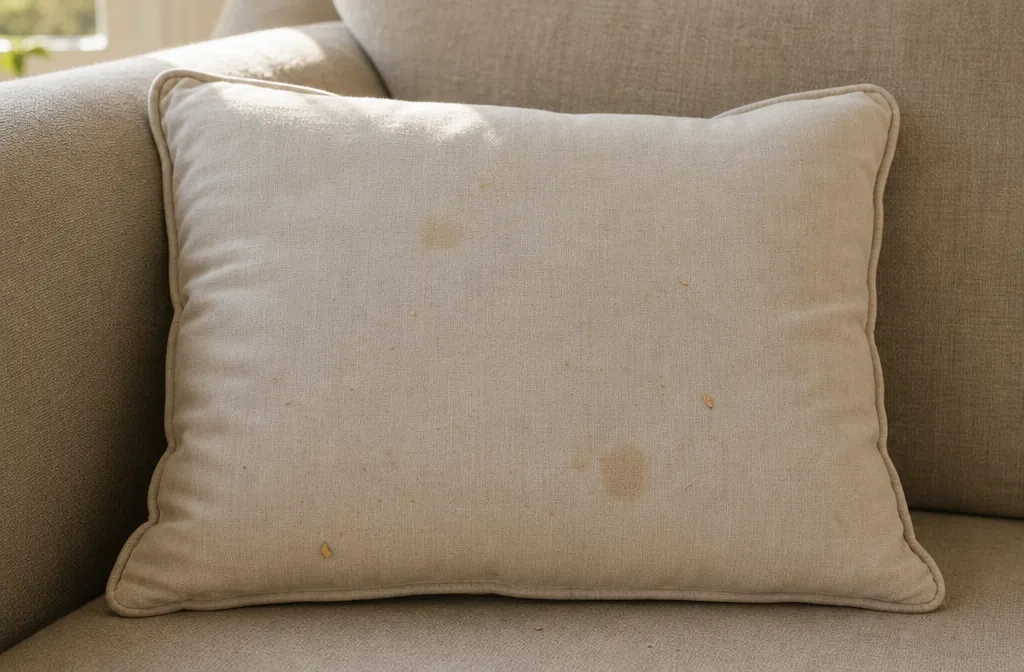
 After
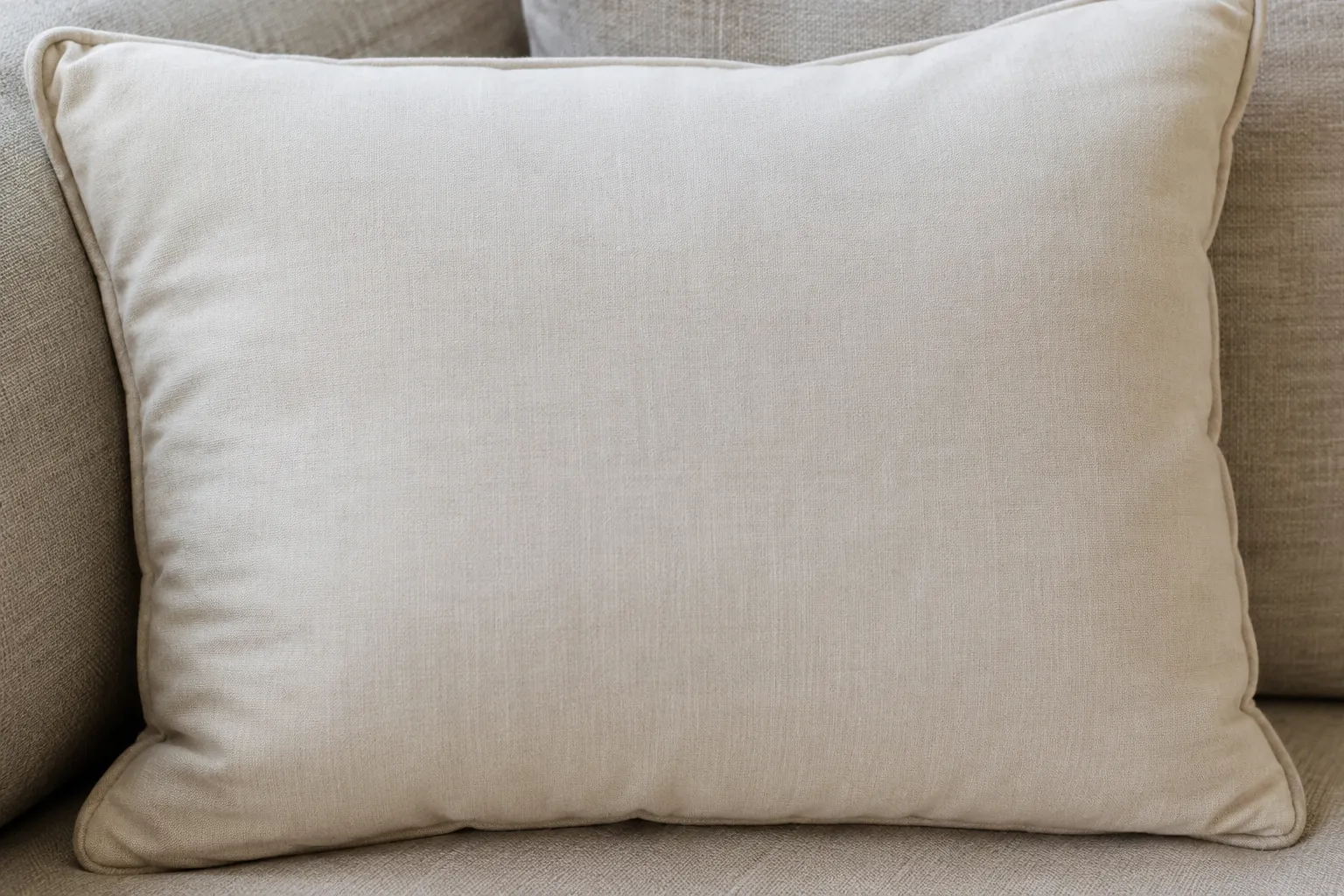
After
Request: Light-colored cushion, coffee stain, needs dry cleaning.
Done: Coffee stain removal, deep fabric cleaning, color restoration.
Cost: 11 000 ₸
Master: Aigul Smagulova, dry cleaning master
Total: Stain completely removed, cushion fresh and clean.
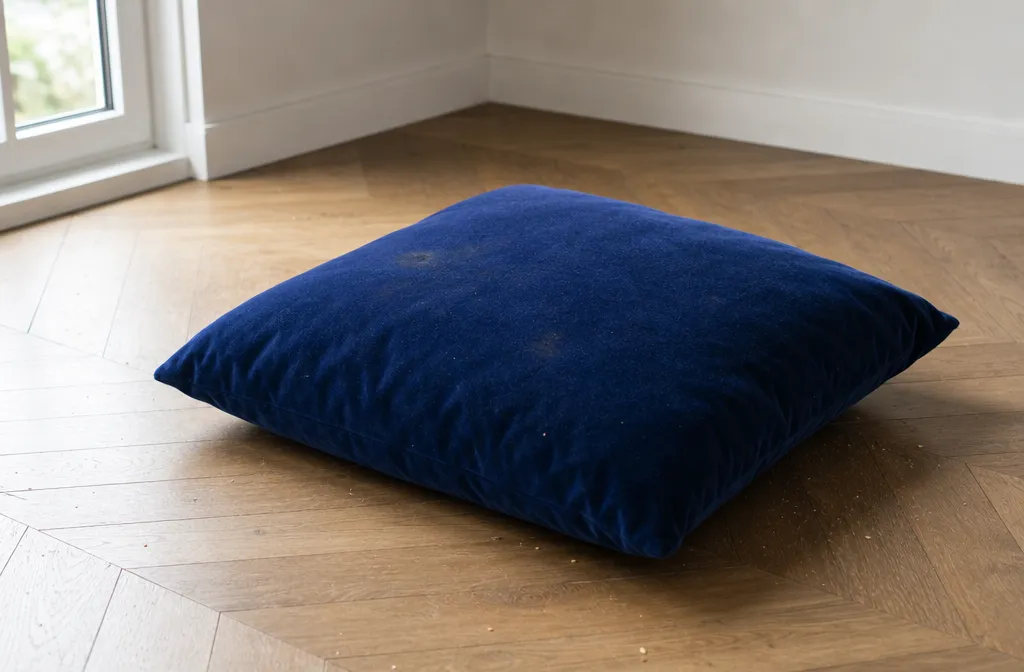
 After
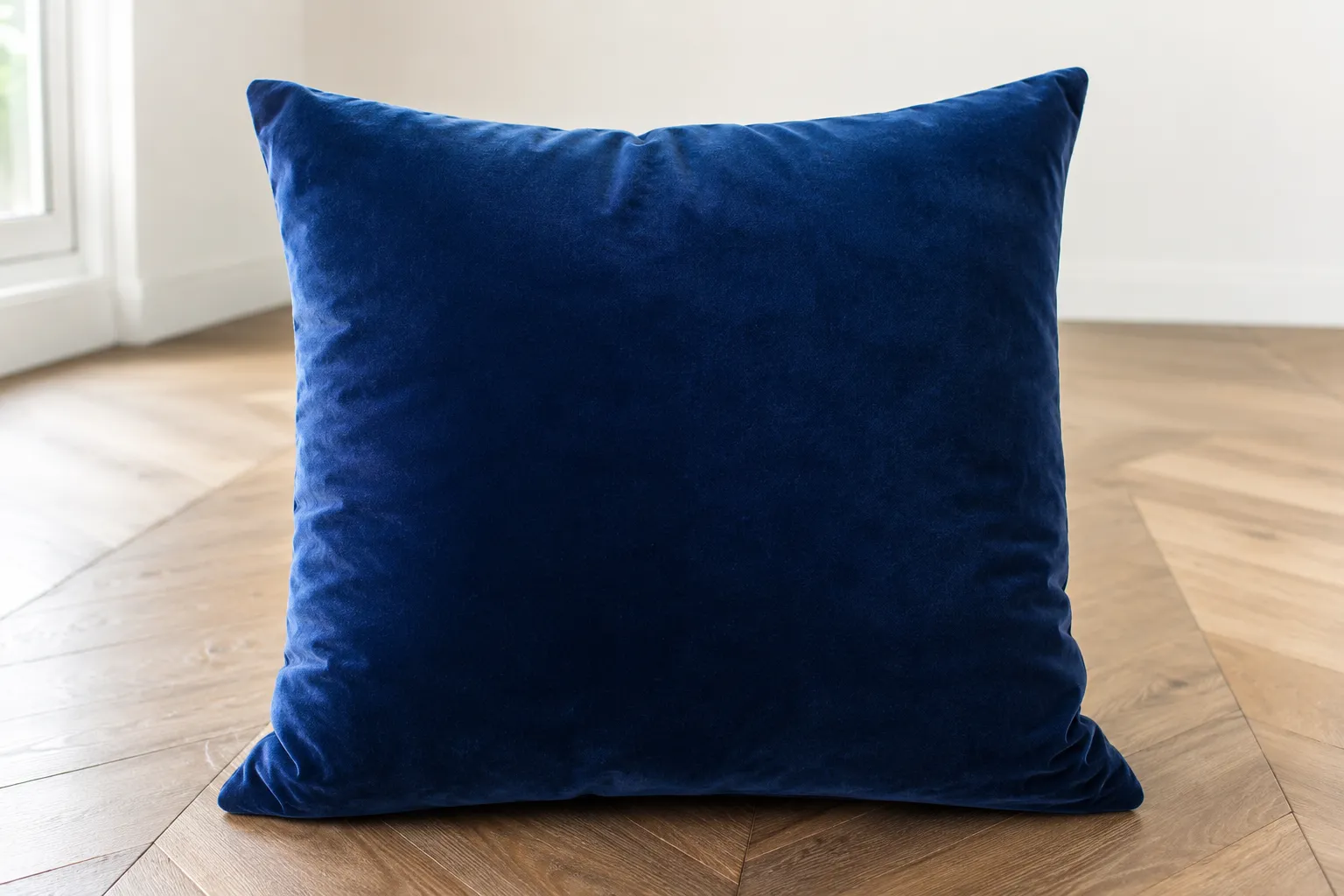
After
Request: Velvet cushion lost its appearance, needs dry cleaning.
Done: Velvet cleaning, dust and stain removal, nap restoration.
Cost: 12 000 ₸
Master: Timur Zhaksybekov, dry cleaning master
Total: Cushion restored to original appearance, nap raised.
 After
After
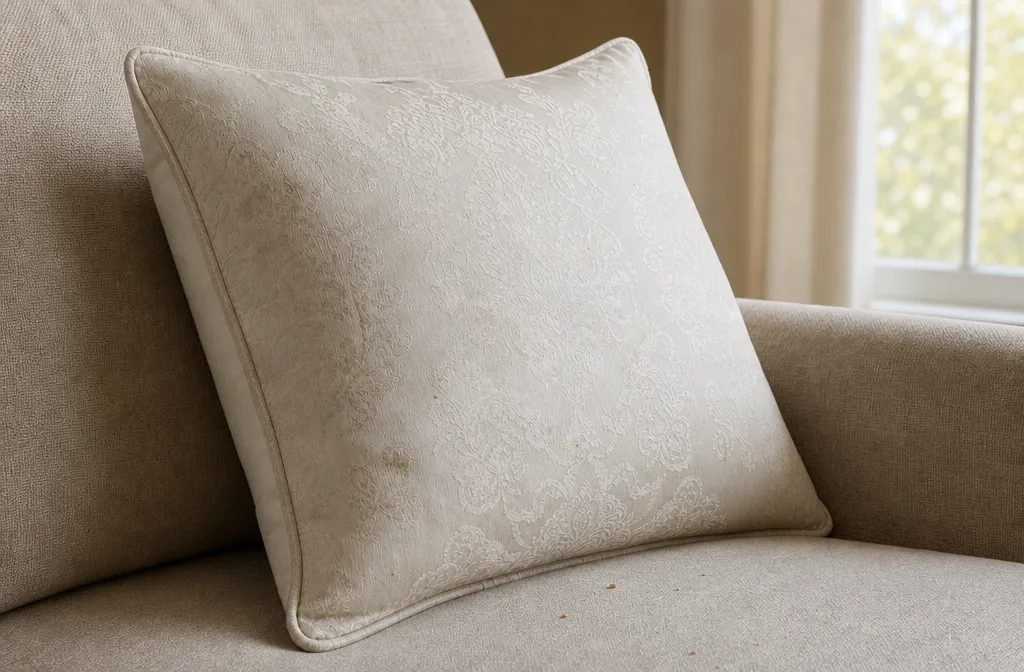
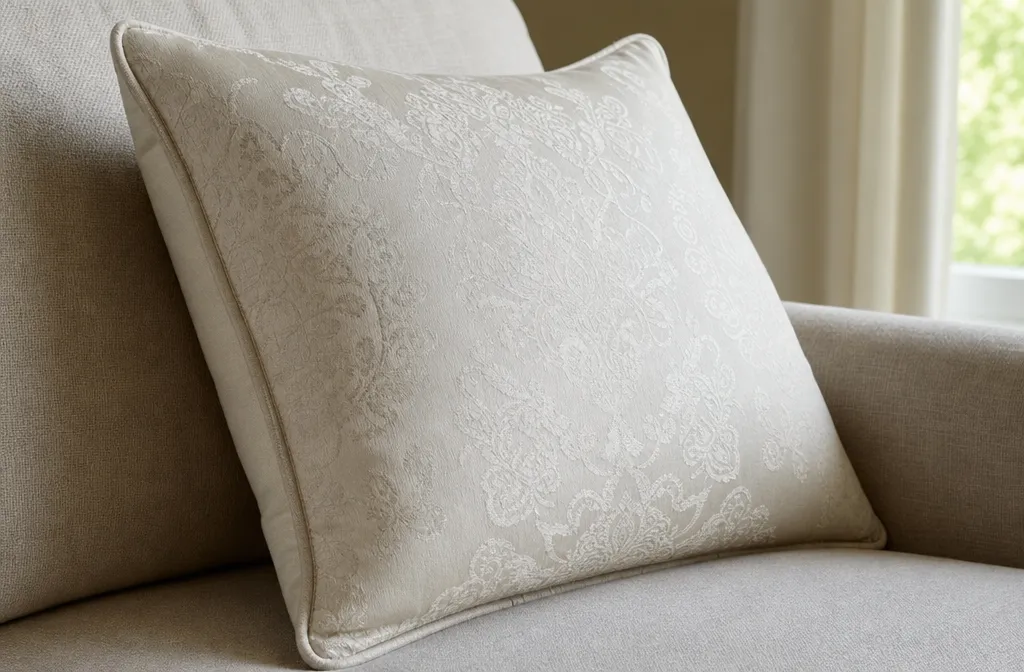
Request: Jacquard cushion with grease stain, needs dry cleaning.
Done: Grease stain removal, fabric cleaning, color refresh.
Cost: 15 000 ₸
Master: Nurzhan Akhmetov, dry cleaning master
Total: Grease stain completely removed, cushion clean.
 After
After
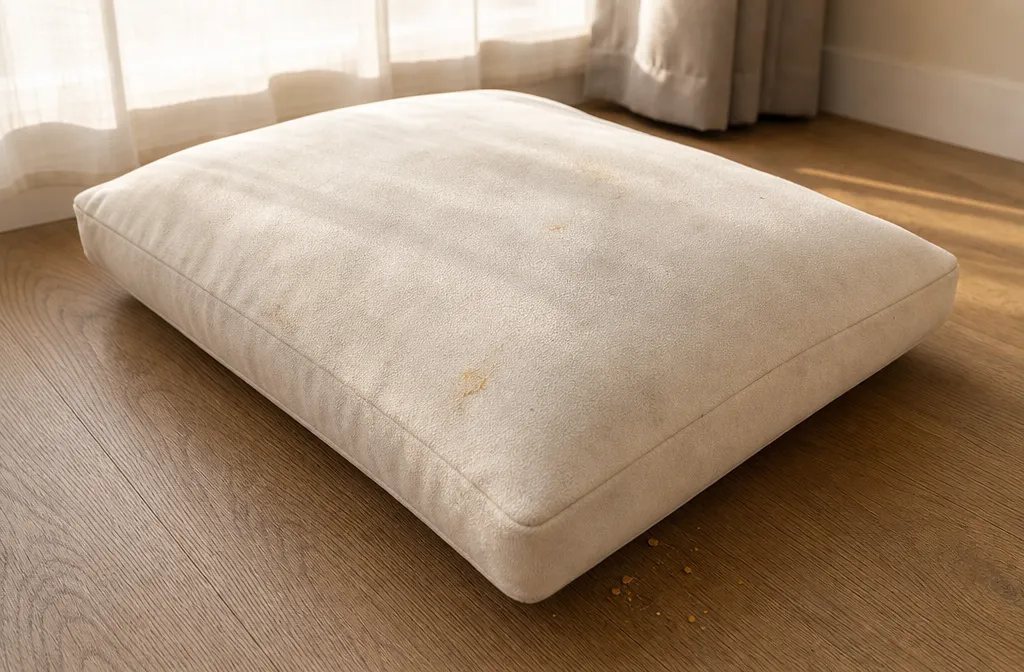
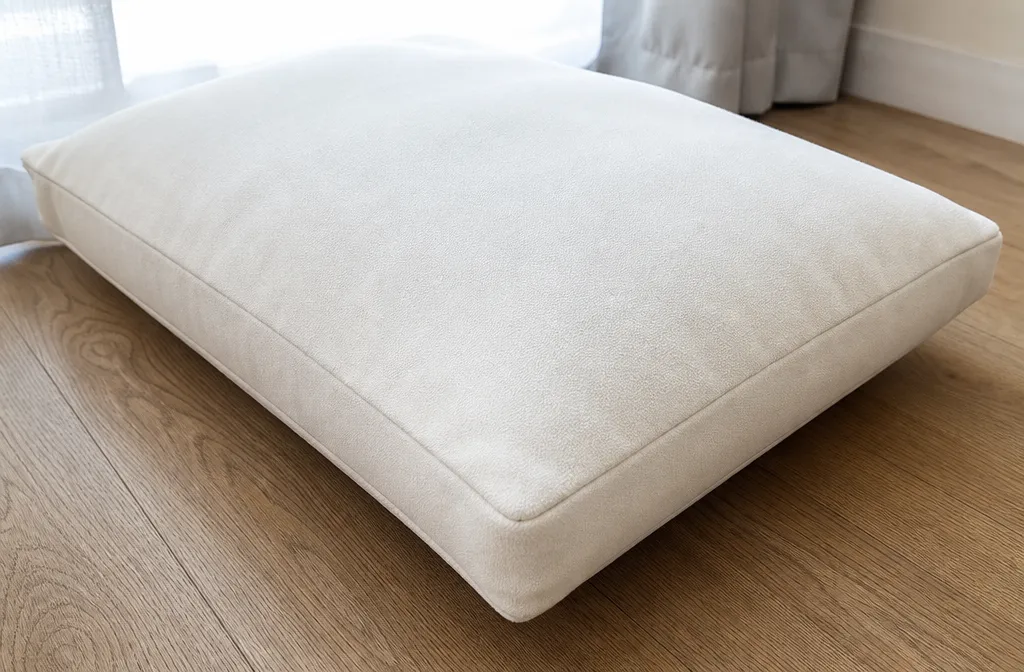
Request: Microfiber cushion with dog stain, needs dry cleaning.
Done: Stain and odor removal, deep microfiber cleaning.
Cost: 12 000 ₸
Master: Aigul Smagulova, dry cleaning master
Total: Stain and odor eliminated, cushion fresh.
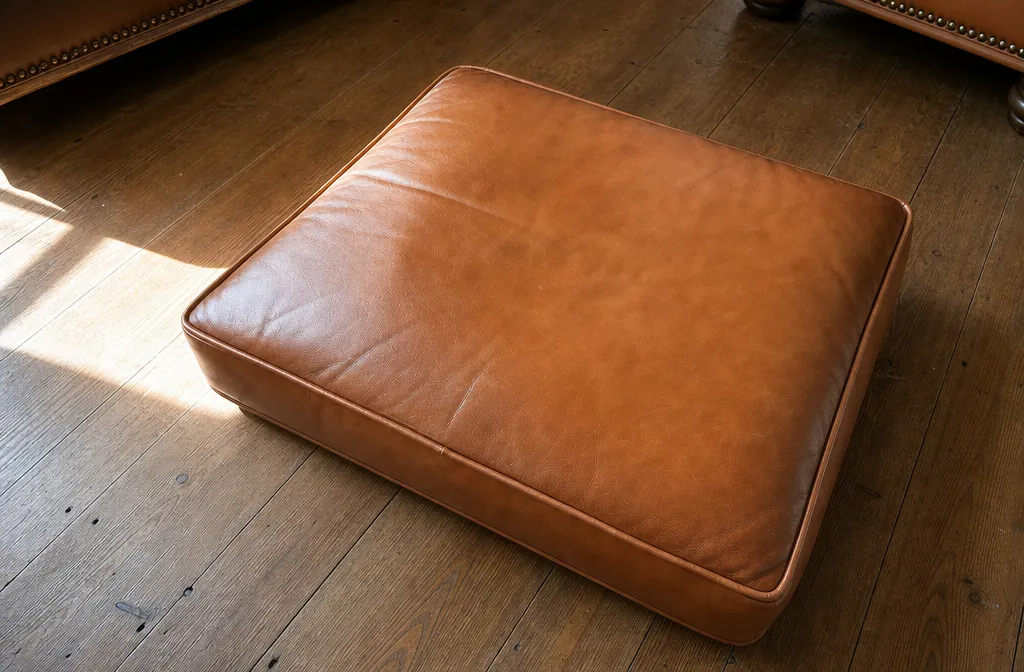
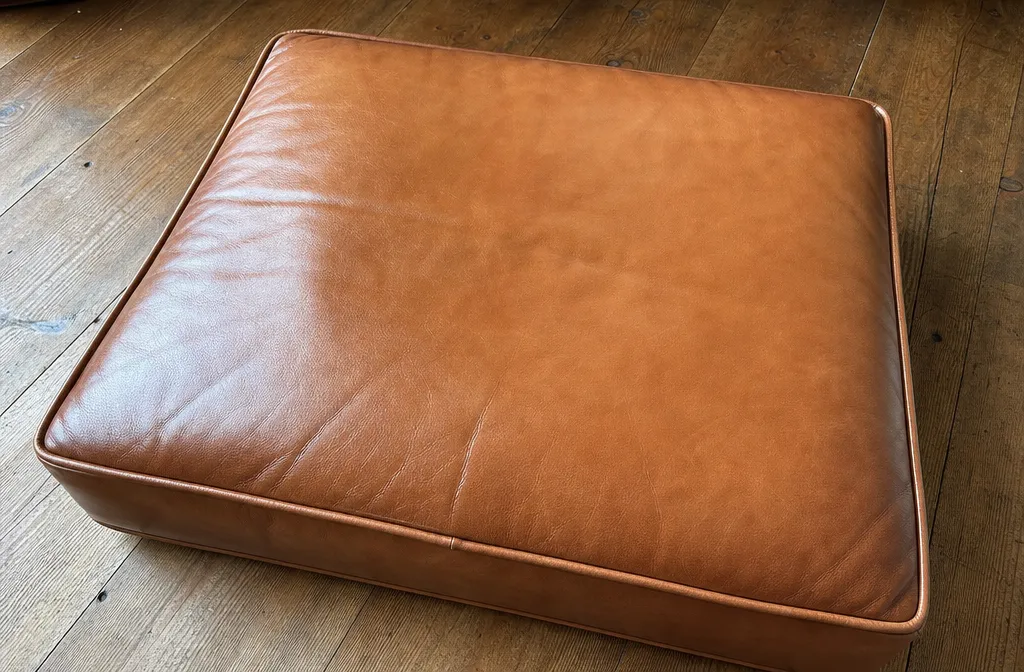 After
After
Request: Leather cushion with scuffs, needs restoration.
Done: Leather cleaning, conditioning, color and texture restoration.
Cost: 11 000 ₸
Master: Timur Zhaksybekov, dry cleaning master
Total: Leather restored, cushion looks like new.
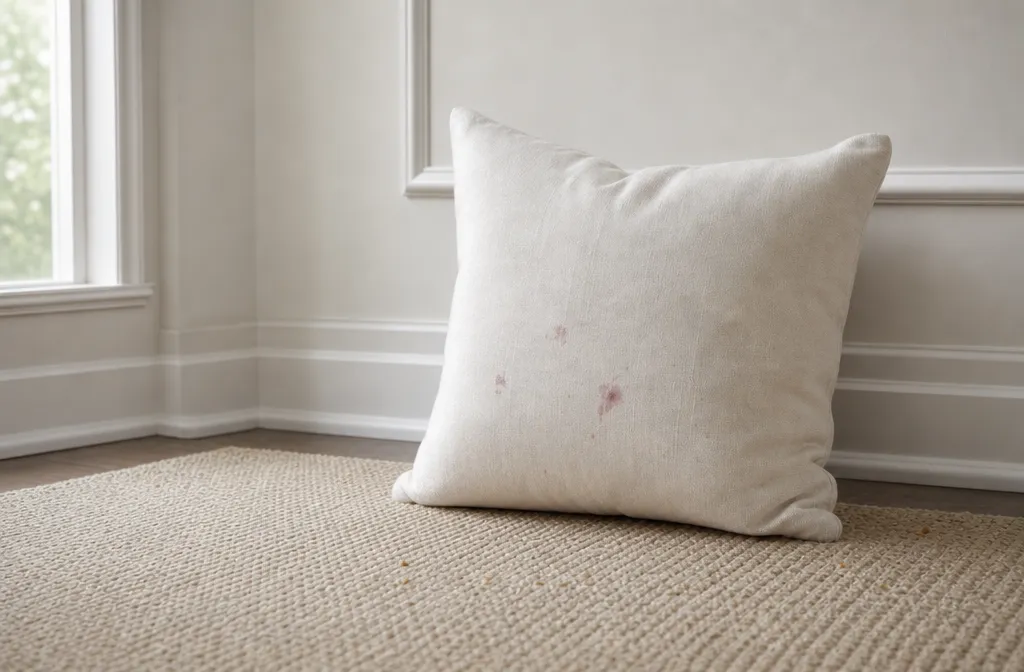
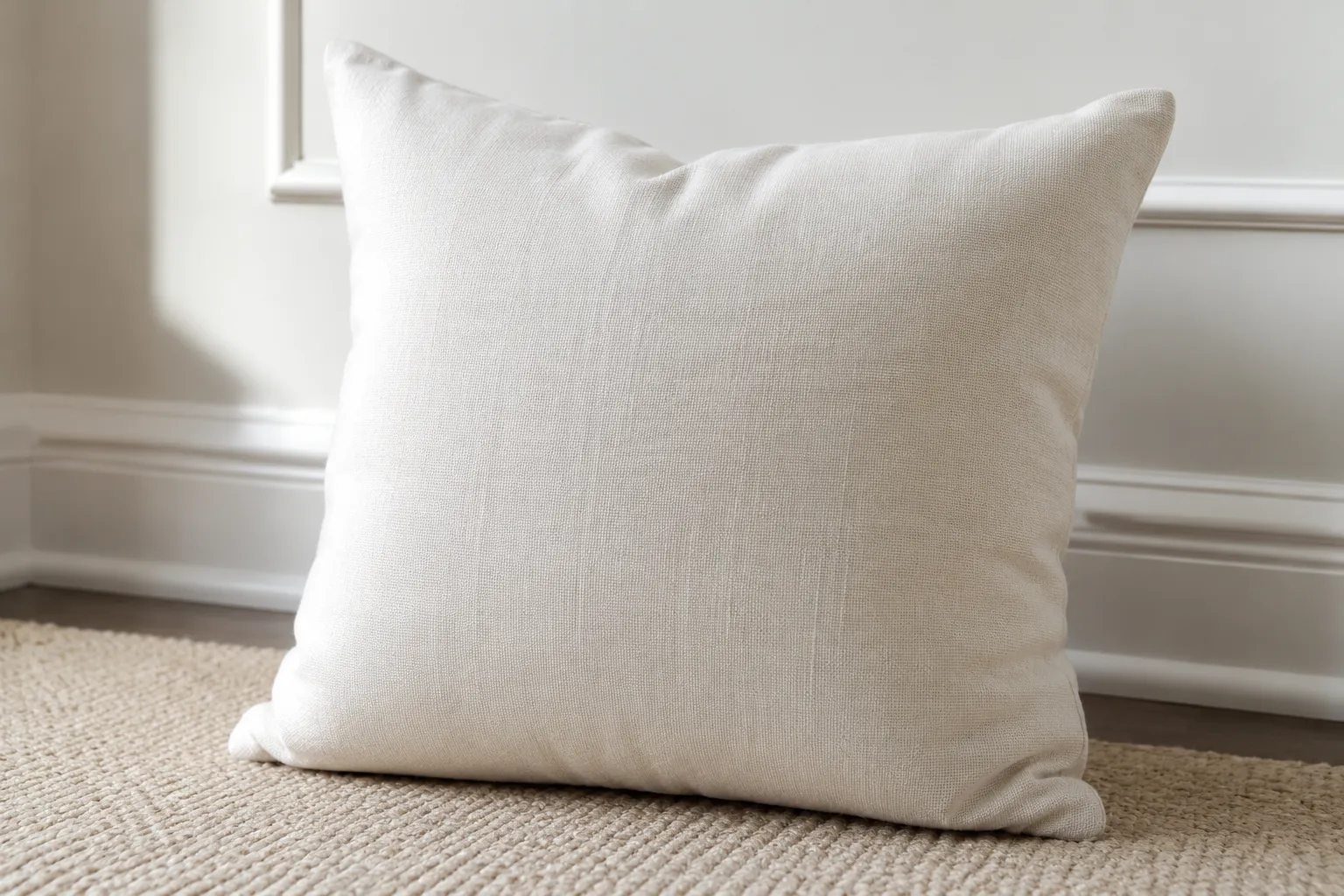 After
After
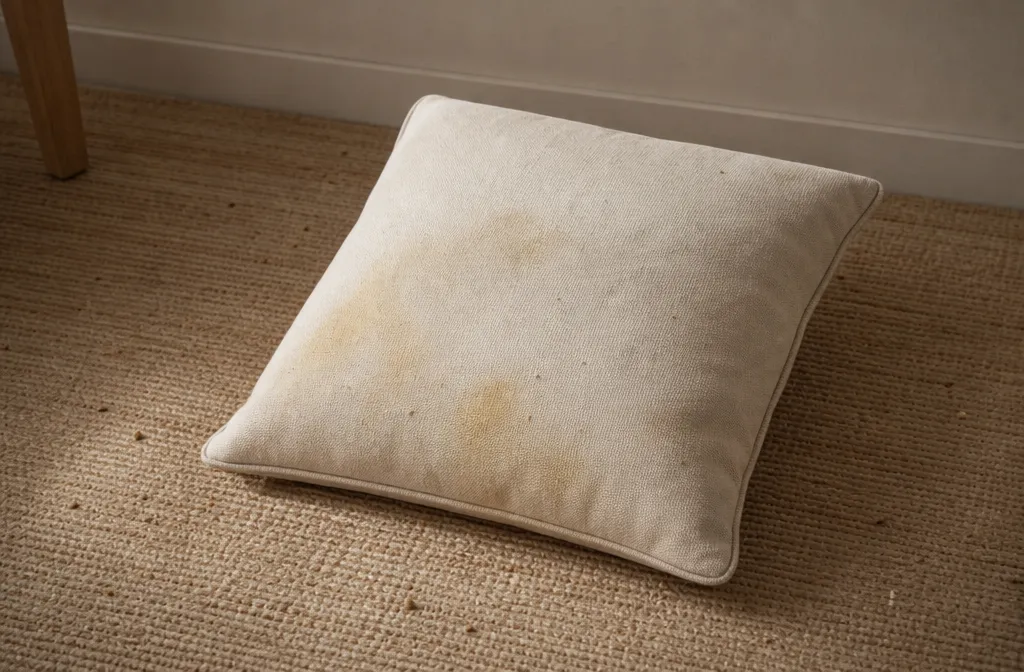
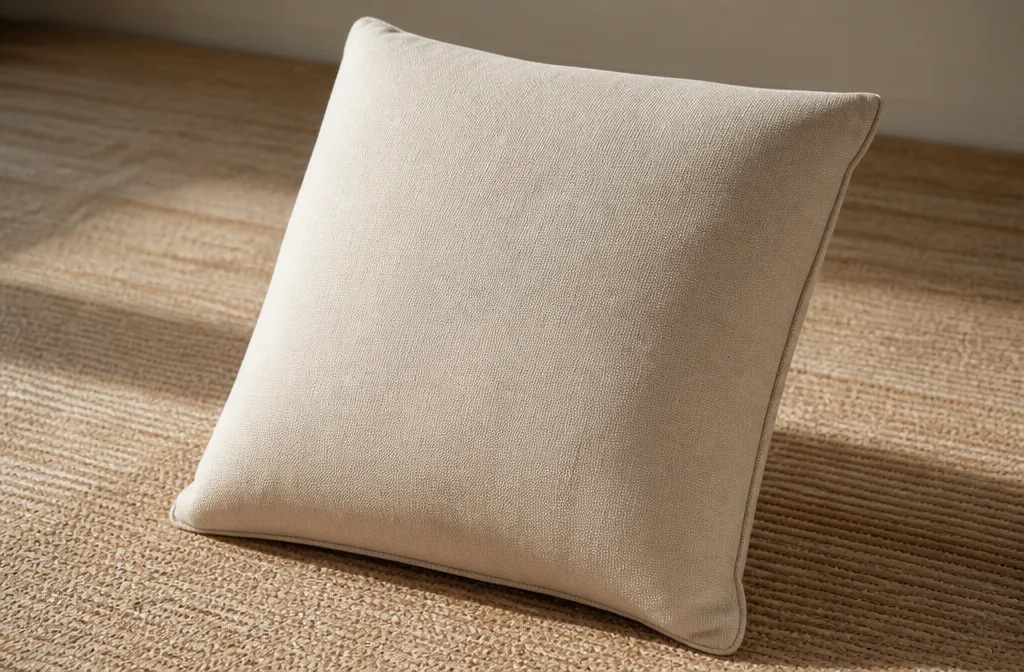
Request: Decorative cushion with red wine stain.
Done: Wine stain removal, fabric cleaning, refreshing.
Cost: 13 000 ₸
Master: Nurzhan Akhmetov, dry cleaning master
Total: Wine stain completely removed, cushion is clean.
 After
After
Request: Cushion with urine stain and odor, needs dry cleaning.
Done: Stain and odor removal, deep cleaning, disinfection.
Cost: 12 000 ₸
Master: Aigul Smagulova, dry cleaning master
Total: Stain and odor eliminated, cushion disinfected.
 After
After
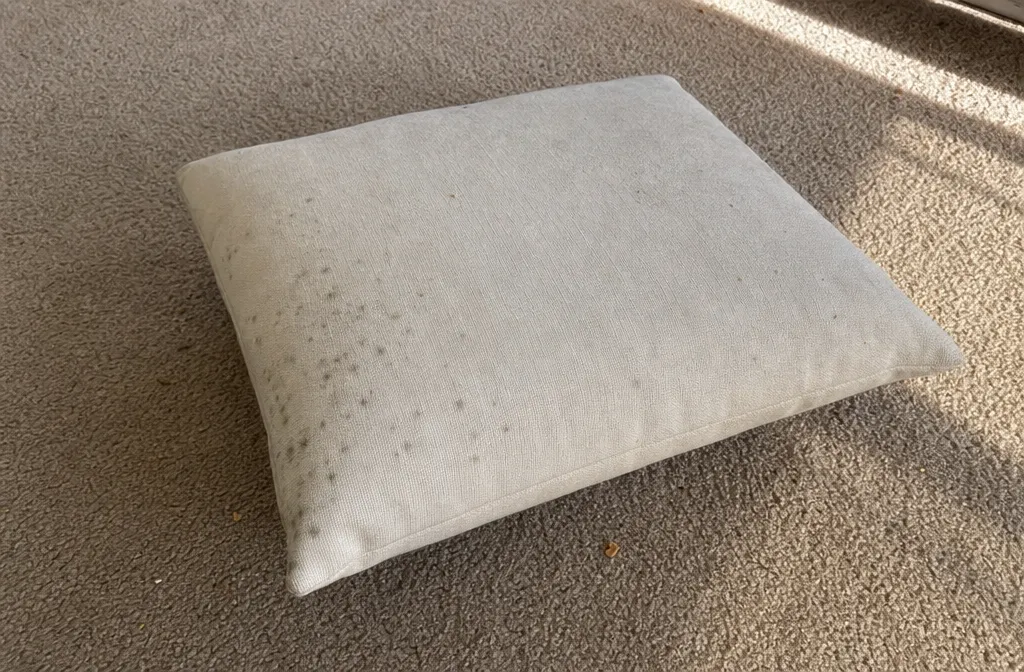
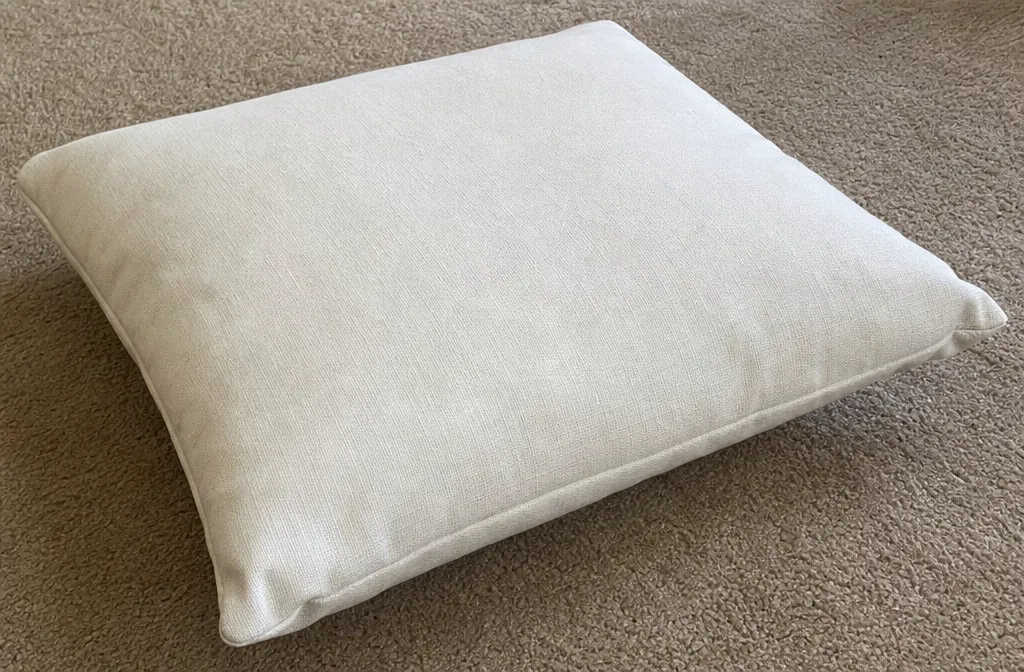
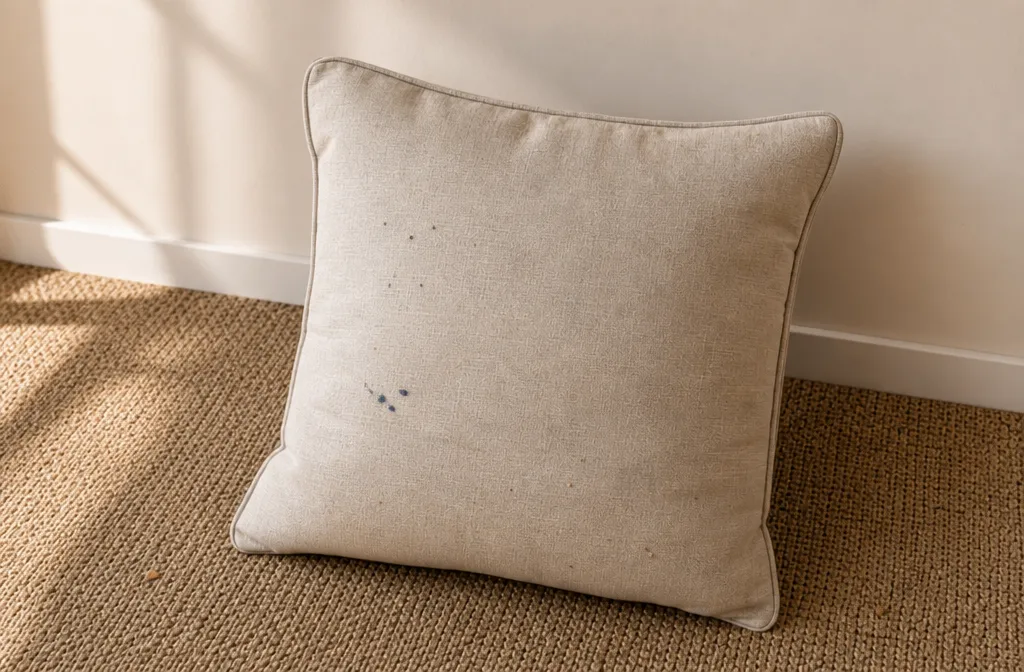
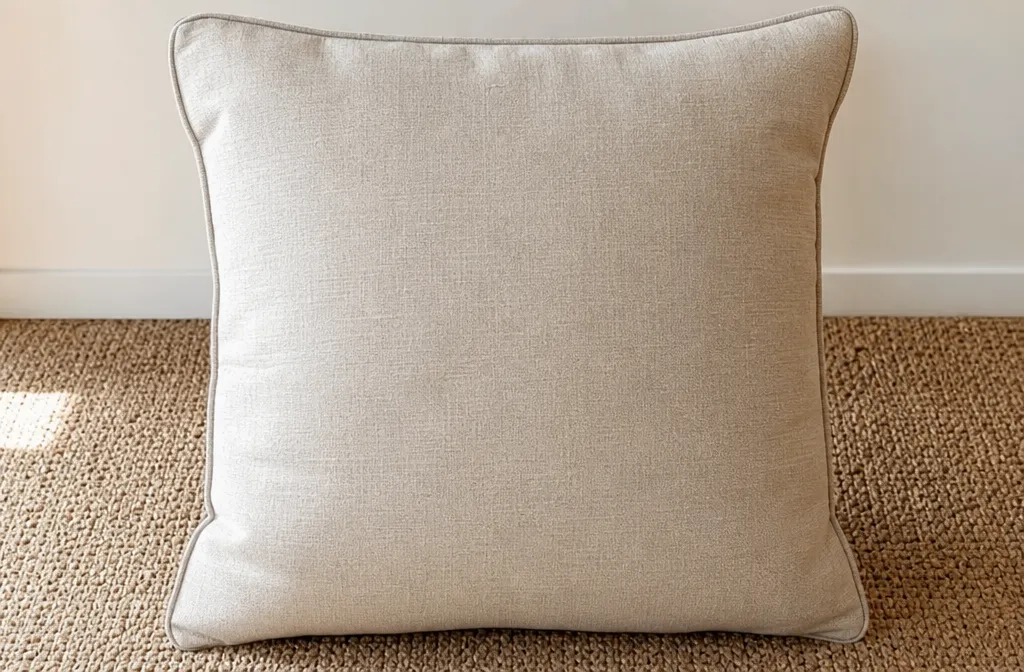
Request: Cushion with mold stains, needs dry cleaning and treatment.
Done: Mold removal, cleaning, antibacterial treatment.
Cost: 13 000 ₸
Master: Timur Zhaksybekov, dry cleaning master
Total: Mold removed, cushion treated with antiseptic.
 After
After
Request: Cushion with ink stain, needs dry cleaning.
Done: Ink stain removal, fabric cleaning, refreshing.
Cost: 13 000 ₸
Master: Nurzhan Akhmetov, dry cleaning master
Total: Ink stain completely removed, cushion is clean.
 After
After
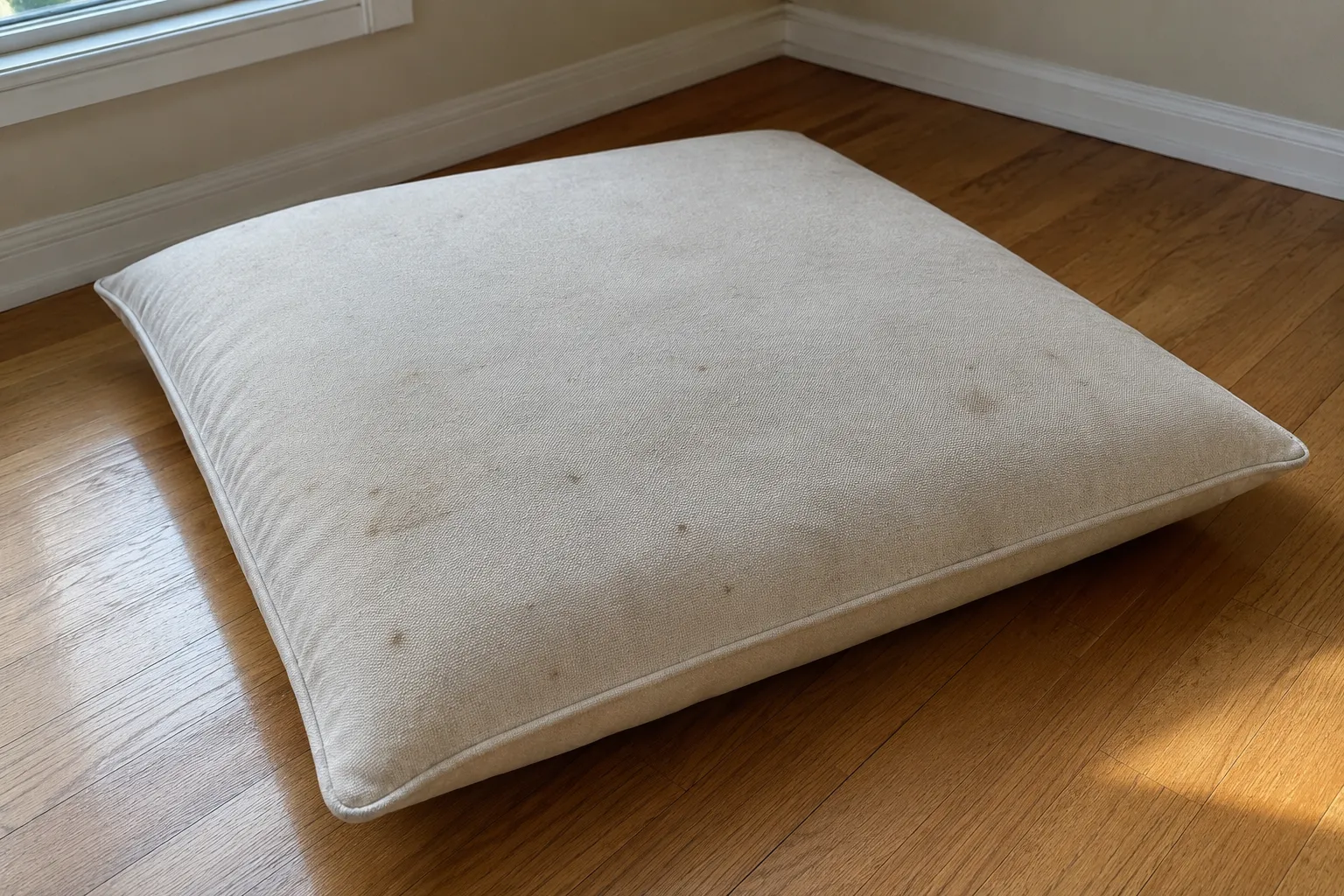
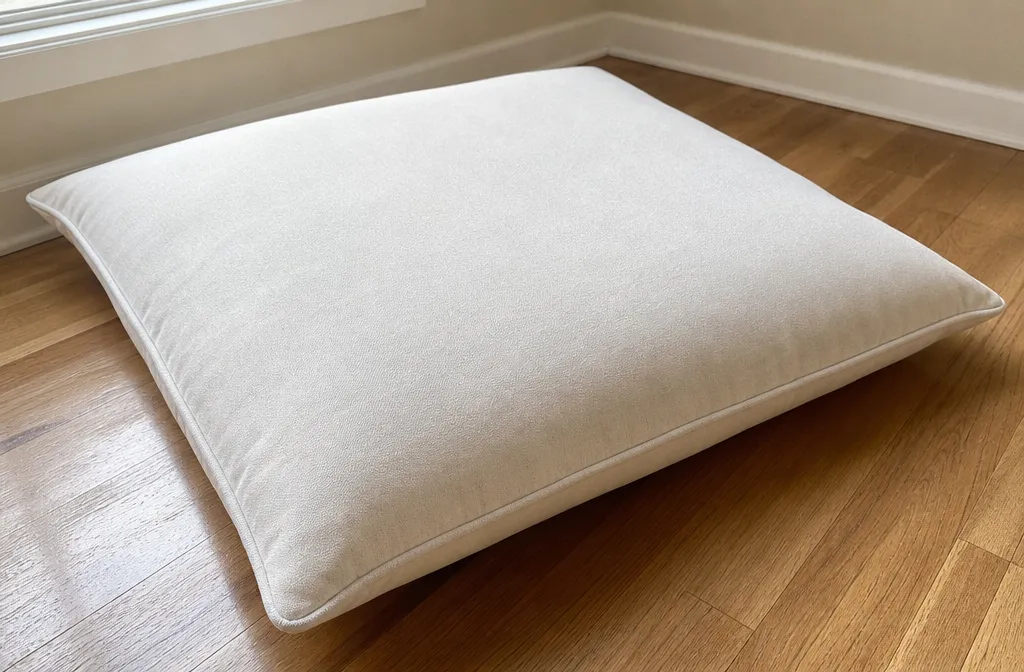
Request: Cushion is heavily dusty and yellowed, needs dry cleaning.
Done: Deep cleaning, dust and yellowing removal, refreshing.
Cost: 14 000 ₸
Master: Aigul Smagulova, dry cleaning master
Total: Cushion became clean, white and fresh.
All cleaners are profi-clean staff with training, uniform and security check. Each order has a team leader who controls quality.
The frequency of dry cleaning sofa cushions depends on the intensity of use, the type of upholstery, and the lifestyle of the household. At profi-clean, we follow a simple rule: preventive deep cleaning is needed at least once every 6–12 months, and with active use, every 3–4 months. Our experience shows that most Almaty residents wait until a stain becomes ingrained, instead of scheduling cleaning into their annual routine.
A cushion that looks clean does not guarantee the absence of dust mites, sebum, and bacteria. Over six months, up to 10–15% of a cushion’s weight can accumulate in the upholstery fibers as foreign particles — dead skin, pollen, pet hair, and street dirt from clothing. This is not just about aesthetics: for allergy sufferers and asthmatics, such an environment can trigger attacks even on a visually clean surface. We recommend scheduling dry cleaning for sofa cushions in spring and autumn — before the pollen season and after the summer period of active ventilation. In Almaty, with its variable ecology and frequent winds, dust settles on upholstery faster than in more humid regions.
The cleaning schedule is directly related to the number of people and their habits. Here are the guidelines we use in our work:
Even with an ideal schedule, situations arise that require unscheduled cleaning. If wine, coffee, or urine is spilled on a cushion, you need to act within the first 1–2 hours, before the liquid penetrates the filling. In our practice, there was a case where ingrained red wine on white velour was only completely removed thanks to an emergency visit — after 24 hours, the stain would not have yielded to home remedies. Another indicator: if you smell a musty odor when pressing on the cushion, bacteria are already multiplying inside. In Almaty, with its humidity fluctuations in spring and autumn, this happens especially quickly, so if an odor appears, do not wait for the scheduled time — schedule a cleaning within a week.
The most common mistake is cleaning only the removable covers without treating the filling. The cover can be removed and washed in a machine, but the foam or hollow fiber inside remains dirty: it absorbs sweat, grease, and odors through the lining. As a result, the cover smells fresh, but the cushion smells musty, and within a month the odor returns to the fabric. We always clean the entire cushion: the extraction machine with a hypoallergenic Kiehl solution treats both the cover and the filling in one cycle. If you only wash the cover, consider that you are simply masking the problem for a couple of weeks.
The belief that orthopedic cushions cannot be cleaned is a myth worth debunking. Latex, memory foam, and polyurethane are different materials, and each requires its own approach to avoid damaging the filling’s structure.
Natural and synthetic latex fear direct sunlight and high temperatures but can safely handle wet treatment with low-pressure foam. We use an extractor with a HEPA filter, applying a Kiehl solution for delicate fabrics — it does not penetrate deep into the latex mass but removes dirt from the cover’s surface and the top layer of the filling. Never soak the cushion in a bathtub: latex absorbs water like a sponge, and drying it would take weeks, leading to mold growth inside. In practice, in Almaty, we most often encounter latex cushions from IKEA and local orthopedic stores — they have non-removable covers, and the only safe option is steam convection drying at 40°C immediately after cleaning to prevent moisture from stagnating.
Polyurethane foam with memory effect (memory foam) must absolutely not be soaked — it consists of open cells that collapse when wet, and the pillow permanently loses its orthopedic properties. For such pillows, we use a dry chemical foam based on Sodasan: apply, wait 15 minutes, collect with a vacuum cleaner with a turbo brush. The moisture content is no more than 5% of the filler weight, which is safe for the cellular structure. If an oil stain appears on memory foam — do not rub it: rubbing will spread the grease deeper, making it impossible to remove, even for us. It is better to immediately sprinkle the stain with cornstarch for an hour; it will absorb the oil, and we will remove the residue with foam during our visit.
Granulated polyurethane and holofiber balls are the most low-maintenance: they can be machine washed at 30°C on a delicate cycle, but only if the cover is removable and the filler is inside a bag-liner. Without a liner, the granules spill into the drum and clog the drain. At profi-clean, when dry-cleaning sofa cushions with such filler, we use the “dry mist” method: we spray a Kiehl solution through a 0.3 mm nozzle, which settles on the granules without wetting them to a damp state. Drying is done in a centrifuge at 800 rpm, then 4 hours in a chamber with an air dehumidifier. The moisture content after this treatment is 8-10%, which is safe for the filler, but if you dry the pillow on a radiator in an Almaty apartment, the granules will fuse into a lump within 2 hours.
The difference between professional dry cleaning of sofa cushions and home washing in a washing machine is not in the price, but in preserving the filler and the shape of the product after drying.
Polyester wadding, holofiber, polyurethane foam, and orthopedic foam lose up to 30% of their volume when wet and mechanically spun. In a washing machine, the filler clumps and crumples — after drying, the pillow becomes lumpy and unevenly elastic. At profi-clean, we had a case: a client washed removable sofa cushions in an automatic machine at 60°C — the filler fused into one dense layer, and the only way to fix it was a complete replacement. Plus, water washes out the factory impregnation of the fabric, and after three or four washes, the upholstery starts absorbing dirt faster than new. Our practical advice: just because a cushion is removable does not mean it can be washed. Always check the label: a tub icon without a cross allows hand washing at 30°C, any other designation means dry clean only.
The profi-clean method is treatment with a Kiehl water extraction solution followed by vacuum drying with an industrial extractor. Moisture penetrates the fibers to a depth of up to 5 mm, without saturating the filler completely, and is immediately extracted by an airflow through a HEPA filter. The pressure in the nozzle is 3.5 bar, which removes dust and bacteria from the inter-fiber space without deforming the structure. After this treatment, the pillow dries in 2-4 hours on a stand with forced ventilation, rather than 6-12 hours as after washing. Fabric shrinkage is less than 2%, and the filler does not lose its elasticity. On orthopedic pillows with memory foam, we use a reduced pressure of 2 bar to avoid damaging the cellular structure of the foam. Conclusion: on-site dry cleaning is the only way to preserve the factory properties of the pillow without dismantling the upholstery and without the risk of shrinkage.
| Parameter | Machine washing (home) | profi-clean dry cleaning (on-site) |
|---|---|---|
| Fabric shrinkage | 5-10% per cycle, especially velvet and jacquard | Less than 2%, impregnation is not washed out |
| Filler condition | Clumps, loses 20-30% of volume | Remains uniform, elasticity is restored |
| Total drying time | 10-24 hours laid flat | 2-4 hours with industrial drying |
| Mold risk | High when drying in a room without ventilation | None — moisture extraction up to 98% |
| Cleaning depth | Surface, up to 2 mm | 5 mm with vacuum removal of dust mites |
The most common mistake is choosing the wrong temperature. Washing at 60 °C on synthetic filling causes holofiber to shrink by up to 15% in volume and deforms microfiber upholstery. The second is spinning at 800–1000 rpm: polyurethane foam does not recover its shape after such spinning, leaving the cushion flat. The third is drying on a radiator or in a tumble dryer: localized overheating melts the synthetic padding, making it feel stiff like felt. The fourth is washing velvet or jacquard cushions with powder containing enzymes: they eat away the colored print on the fabric, and after two or three washes, the pattern fades. Almaty’s hard water (up to 7 mg-eq/L) amplifies the effect—calcium salts settle in the fibers, making the fabric brittle. Our expert recommendation: if a cushion has already been washed and lost its shape, do not try to restore it by fluffing—order professional restoration with filler replacement, which is cheaper than buying a new sofa.
You can hand wash at 30 °C cushions with a zippered cotton cover and removable holofiber filling—provided you dry the filling separately, breaking up clumps by hand. But if the cushion is non-removable, with foam or latex filling, or has a fabric cover without a zipper—machine washing will definitely ruin the item. The same applies to cushions with decorative quilting: water seeps inside the quilted squares, the filling there does not dry out, and after a month a musty smell appears. In our orders, 70% of cushions that clients bring in after unsuccessful washing require a complete filler replacement—this is twice as expensive as planned dry cleaning of the same cushion. Moreover, on cheap sofa models, filler replacement is often structurally impossible—the upholstery is sewn on tightly, and then the only option is to buy a new sofa. Conclusion: wash only what the label allows, and only by hand; everything else requires professional on-site dry cleaning.
Old stains, protein compounds, and deep-set impregnations require not just intensive cleaning, but precise selection of chemicals and methods. In our practice, problems most often arise with three categories: biological fluids, oily ingrained stains, and pigment dyes. A mistake at the stage of identifying the stain type turns the cushion into a mess of streaks or damages the fabric—which is why at profi-clean, every stain is tested on an inconspicuous area before work begins.
Protein compounds do not dissolve when in contact with hot water; instead, they “cook” and become permanently fixed in the fibers. We use enzyme preparations (proteases) at temperatures no higher than 30 °C—they break down organic matter into soluble fragments, which are then extracted with an extractor equipped with a HEPA filter. Urine is the most difficult: uric acid crystallizes deep within the foam or synthetic padding, and regular foam cleaning only removes the smell, not the salt. In practice, this means that after enzyme treatment, the cushion needs to be rinsed under pressure of 4-5 bar with a neutralizer; otherwise, the crystals will reactivate from air humidity within a month, and the smell will return. Moreover, on orthopedic memory foam cushions, the depth of impregnation can reach 5-7 cm—we treat them using the injection-extraction method in 2 cm increments to reach the center of the filling.
Grease does not dissolve in water; it only emulsifies with surfactants that have a specific hydrophilic-lipophilic balance. We use a pre-spotter based on isopropyl alcohol and anionic surfactants—it breaks down the oily film within 5-7 minutes of contact. The problem is that on velvet and flock, grease absorbs unevenly: a thin layer remains on the fibers, which becomes a matte spot after drying. Therefore, after the spotter, we treat the area with hot steam (120 °C)—it brings the remaining grease to the surface, and it is absorbed by a microfiber cloth. Cosmetic fats (lipids, squalene) are a separate case: they polymerize on the fabric, forming a film that neither alkali nor acid can tackle. The only working method is a silicone-based solvent followed by an enzyme wash.
Tannins and natural pigments stain fibers at a molecular level — they cannot simply be “washed off”; they need to be bleached or converted into a soluble form. We use an oxygen bleach (3-6% hydrogen peroxide) in combination with a UV lamp — light activation accelerates the reaction by 2-3 times without risking the fabric’s color. The most challenging stains are red wine and berry juices on silk or viscose: the acidic environment breaks down the dye, but also damages the fabric itself. Here, we reduce the peroxide concentration to 1.5% and add a buffer solution (pH 5.5) to avoid damaging the structure. Pen ink is a pigment with a polymer binder; it can only be removed by organic solvents (acetone, ethyl acetate), but on synthetic fabrics, these can also dissolve the fabric itself. In such cases, it’s easier to spot-treat the stain with hydrogen peroxide and a catalyst (Fe²⁺) — the Fenton reaction breaks down the pigment without a solvent, but requires precise timing: a 10-second overexposure creates a yellow halo.
Dry cleaning sofa pillows in Almaty has its own specifics: dry and humid climates, pollen and poplar fluff in spring, high humidity in the off-season — all of this influences the choice of cleaning method and drying time. Our practice shows that there is no universal approach — each type of filler and upholstery requires its own scenario.
Air humidity in Almaty ranges from 40% in summer to 75% in autumn, which is critical for pillow drying time after wet cleaning. We use extraction cleaning with minimal moisture — water is supplied at a pressure of 3–5 bar with immediate vacuum suction of the dirty solution back into the vacuum tank. During the flowering season (April–June), pollen and fluff are airborne and settle on the upholstery; with standard dry brushing, they get rubbed deeper into the fibers. Therefore, during this period, we prefer a combined method: first, extraction with a hypoallergenic Kiehl solution, then treatment with a steam cleaner at 120°C — this kills pollen allergens on the surface. Moreover, in rainy weather, drying time increases from 4 to 8 hours — we recommend ordering cleaning in the first half of the day so the pillows are dry by evening.
The most common mistake is using household stain removers for upholstery without a preliminary test on an inconspicuous area. In our practice, there was a case: a client treated a red wine stain on a velvet pillow with a chlorine-based bleach — a yellow discoloration spot remained on the fabric, which cannot be removed by any professional chemicals. The second typical mistake is excessive wetting of non-removable pillows: water seeps through the foam filler into the sofa’s interior, causing mold in the frame. On synthetic and hollow fiber pillows, machine washing in a home washer causes the filler to clump — the lumps cannot be restored, and the pillow loses its shape after 2–3 cycles. The third mistake is drying on a radiator or in direct sunlight: polyurethane foam (PUF) degrades when heated above 45°C, loses its elasticity, and starts to crumble. We use professional drying machines with temperature control at 35°C — this preserves the filler’s structure for 5–7 years longer.
Criterion | Professional Dry Cleaning | Amateur (DIY) — | — | — Products | Industrial enzyme formulations (Kiehl, Sodasan) with pH 7–9 | Household chemicals (Vanish, Amway) with aggressive surfactants Equipment | Extractor (supply+suction), steam cleaner 120°C, dryer 35°C | Vacuum with attachment, hand sprayer, hairdryer Drying | Forced ventilation with humidity control | Natural — 12–24 hours, risk of mold Guarantee | 24 hours for no streaks or odor | None — stains may appear after drying
At the professional dry cleaning facility profi-clean, we use the Karcher Puzzi 10.8 extractor — it applies solution at a pressure of 4 bar and vacuums it from a depth of up to 3 mm without soaking the filling through. A household carpet cleaner creates excessive moisture: water penetrates the polyurethane foam (PPU) but cannot evaporate — a musty smell appears after 2–3 days. Our cleaners are certified in fabric type identification and chemical selection: for example, we use neutral pH 7 for microfiber and alkaline pH 9 with enzymes for velvet. Before ordering dry cleaning for sofa cushions in Almaty, check if the company has chemical certificates and a result guarantee — this is the only way to avoid damaged upholstery.
Upholstery Type | Important Details — | — Velvet | Requires dry foam cleaning — water leaves streaks; the pile gets crushed by friction Microfiber | Absorbs grease instantly — needs enzyme treatment before the stain sets Jacquard | Cannot withstand high temperatures (>40°C) — only cold extraction Flock | Sensitive to alcohol-based solvents — they destroy the pile coating
On velvet cushions, careless cleaning leaves “bald spots” — areas with flattened pile that cannot be restored. We use a “velvet” attachment with soft bristles and a rotation speed of 600 rpm — it lifts the pile instead of flattening it. On microfiber, a greasy fingerprint, if not treated within an hour, sets permanently — the enzyme compound only breaks it down in the first 60 minutes. In Almaty, where it’s hot in summer and hands sweat, such stains are a common problem on living room cushions. If the upholstery is flock, never use ammonia or alcohol — flock peels off in layers, leaving a bare base.
I ordered dry cleaning of sofa cushions — coffee stains disappeared, the down became fluffy.
Glad the cushions are like new again!
The cushions on the leather sofa look great after cleaning, only one corner remained slightly yellowish.
We had dry cleaning of bed cushions — old stains were removed, the smell disappeared.
Thank you for your trust!
The white cushions became snow-white after cleaning, no tea stains left.
Dry cleaning of sofa cushions removed even old wine stains — excellent result.
Very nice to hear!
Velvet pillows became clean, but the pile is slightly flattened after cleaning.
Thank you for your feedback, we will take note of the wishes regarding velvet.
Dry cleaning of sofa cushions saved the old sofa — now it's like new.
Feather pillows became light and smell pleasant after cleaning.
Glad you are satisfied!
I ordered dry cleaning of sofa cushions — the smell is almost gone, but the red wine stain remains.
We apologize, we invite you for a repeat treatment.
After cleaning, the cushions became fluffy and fresh, juice stains disappeared.
Dry cleaning of sofa cushions from the kitchen corner removed grease and odors — excellent.
Thank you for choosing us!
The embroidered pillows were cleaned carefully, only one thread came off a bit.
We had dry cleaning of sofa cushions from the daybed — now it's pleasant to sit on.
Glad you liked everything!
Wool pillows became soft and lint-free after cleaning.
Ordered dry cleaning of sofa cushions at the dacha — removed mold and dust.
Great that you handled the mold!
Pillows with zippers were cleaned well, but the cover shrank a bit.
We apologize, we'll take it into account next time.
Dry cleaning of sofa cushions for the guest room — now you can safely invite guests.
Pillow covers after cleaning look like new, colors are bright.
Thank you for your feedback!
Tried dry cleaning of sofa cushions — coffee stains didn't fully come off, unfortunately.
We apologize, we are ready to redo it.
The filling in the pillows became even, without lumps.
Dry cleaning of sofa cushions helped get rid of allergies — no dust.
Glad your health is fine!
Lace pillows were cleaned carefully, but one ruffle tore a little.
We apologize, next time we'll be more careful.
We did dry cleaning of sofa cushions in the children's room — marker stains were removed.
Great, glad to help!
The tobacco smell from the pillows is completely gone, now the room is fresh.
On average, 2-4 hours at room temperature. Accelerated drying reduces time to 1 hour. Complete drying of the filling may take up to 12 hours.
Yes, we travel within Almaty. For orders of 3 or more pillows, travel is free. The technician brings equipment and supplies.
We use hypoallergenic Sodasan products with ECOCERT certification. They are free of phosphates and chlorine, safe for children and allergy sufferers.
Yes, we guarantee removal of most stains. If a stain is not removed, we refund your money.
The price depends on size and type. Small removable cushion — individual rate, medium — 7000, large — 9000. Non-removable and leather cushions cost more.
Yes, for orders of 3 or more pillows, travel is free. Discounts also apply for orders of 5 or more pillows — check with the manager.
Each pillow is priced individually by size. Total cost = sum of prices of all pillows. Discounts may apply for large volumes.
We clean removable and non-removable cushions, decorative pillows, bolsters, with fillings of hollow fiber, orthopedic, feather. Any fabrics.
Yes, we clean all fabrics: velvet, jacquard, microfiber, leather, eco-leather. We select a mode for each type.
We remove stains from coffee, tea, grease, wine, urine, blood, ink, grass. We also eliminate odors and dust mites.
Tell us about your experience with profi-clean — it helps other clients and us improve.
We currently operate in Almaty. Other cities are coming soon.