Inspection and diagnostics
The technician assesses the fabric type, degree of soiling, identifies stains, and determines the optimal cleaning technology.
Restore freshness and cleanliness to your chair in 2-3 hours

We work with any types and materials
Deep cleaning with Karcher extractor to remove dust and stains.
from 3,500 ₸Gentle cleaning with Kiehl products followed by conditioning.
from 3,500 ₸Cleaning considering moving parts and hard-to-reach areas.
from 3,500 ₸Effective removal of dirt from work and coffee.
from 3,500 ₸Gentle cleaning without damaging the coating.
from 3,500 ₸Cleaning without removing the cover, using vacuum and steam.
from 3,500 ₸Special attention to armrests and joints.
from 3,500 ₸Cleaning all surfaces, including the transformation mechanism.
from 3,500 ₸Hypoallergenic cleaning, safe for children.
from 3,500 ₸Cleaning of backrest, seat, and armrests.
from 3,500 ₸Cleaning with on-site service at your car.
from 3,500 ₸Cleaning considering mechanism and upholstery.
from 3,500 ₸From inspection to result with guarantee
The technician assesses the fabric type, degree of soiling, identifies stains, and determines the optimal cleaning technology.
Removal of surface dust, pet hair, and allergens using a vacuum cleaner with HEPA filter.
Pre-treatment stain remover is applied to problem areas to soften and dissolve dirt.
Karcher SE 4001 extractor applies hot water with detergent under pressure, then vacuums dirty water.
Steam cleaner disinfects surfaces, kills bacteria, and removes odors without chemicals.
For leather chairs, we use special Kiehl products that clean and nourish the leather.
Accelerated drying with a professional fan or naturally within 2-3 hours.
Quality check of cleaning, if necessary — application of protective impregnation.
The Karcher SE 4001 extractor ensures deep penetration of detergent into fabric fibers and removes up to 99.97% of dirt and allergens. This guarantees cleanliness even in the hardest-to-reach places.
All Sodasan products used have the Ecogarantie certificate, confirming their eco-friendliness and hypoallergenic properties. They are safe for children, animals, and people with sensitive skin.
Our technicians are trained to work with various materials: microfiber, velvet, jacquard, leather, eco-leather. For each type of fabric, an individual technology and products are selected.
We control the drying process using professional fans. After drying, there are no streaks, stains, or unpleasant odors left on the chair. We guarantee the result.
Our technicians are ready to travel to any district of Almaty daily, including weekends and holidays. Minimum waiting time is 1 hour.
You pay only after you are satisfied with the cleaning quality. We accept Kaspi, Halyk, bank cards, and cash.
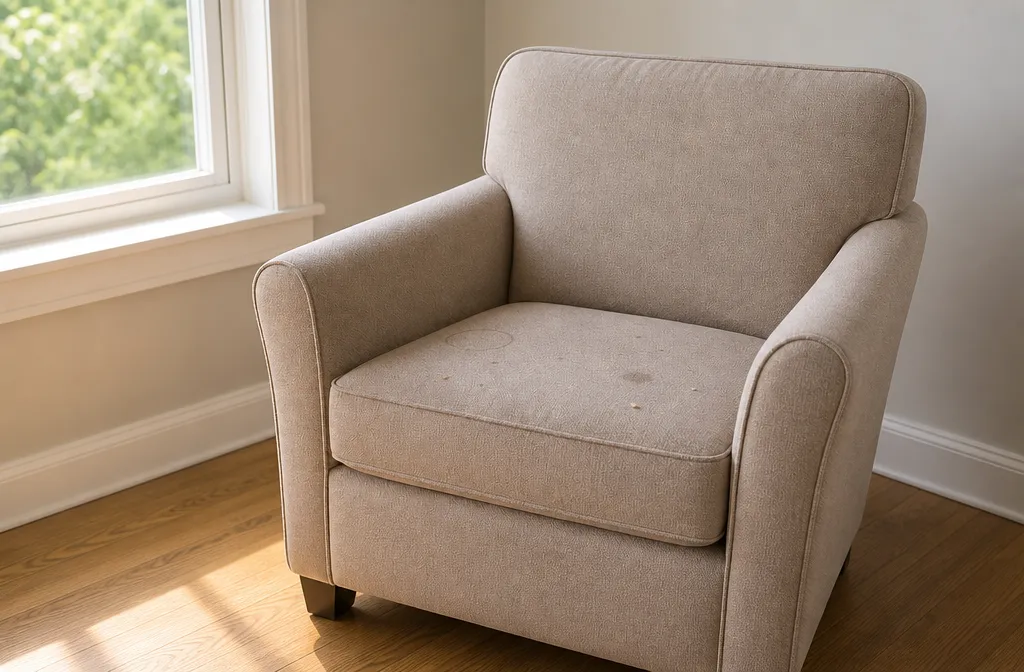
 After
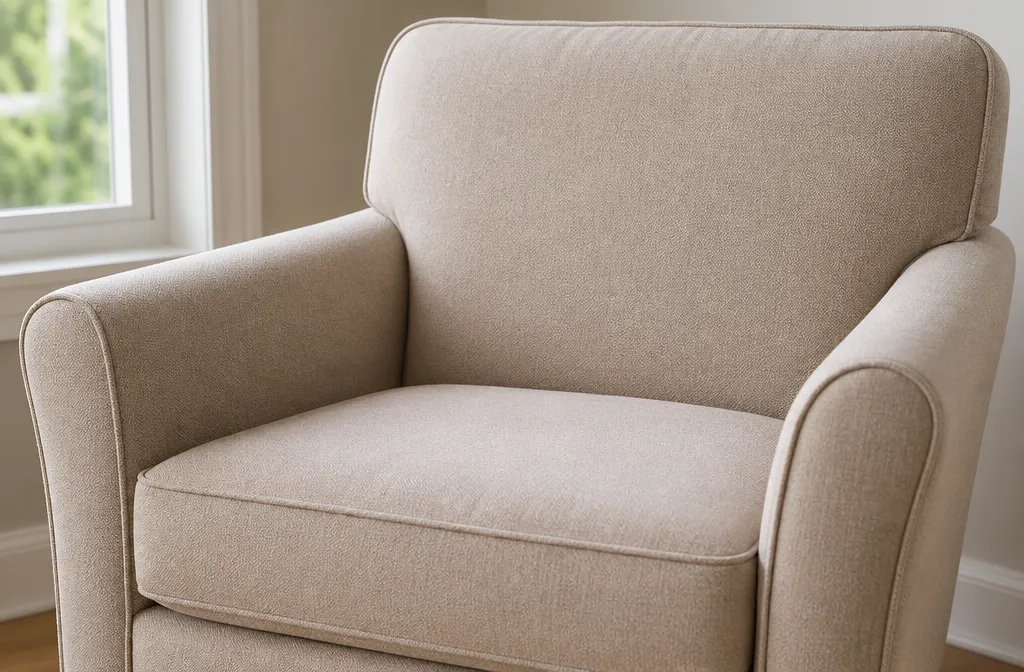
After
Request: Remove old coffee stains and refresh the upholstery of a light-colored armchair.
Done: Deep chemical cleaning of fabric using Karcher extractor and stain remover.
Cost: 3 500 ₸
Master: Aigul Serikova, cleaning master
Total: Stains completely removed, upholstery color evened out, pile raised.
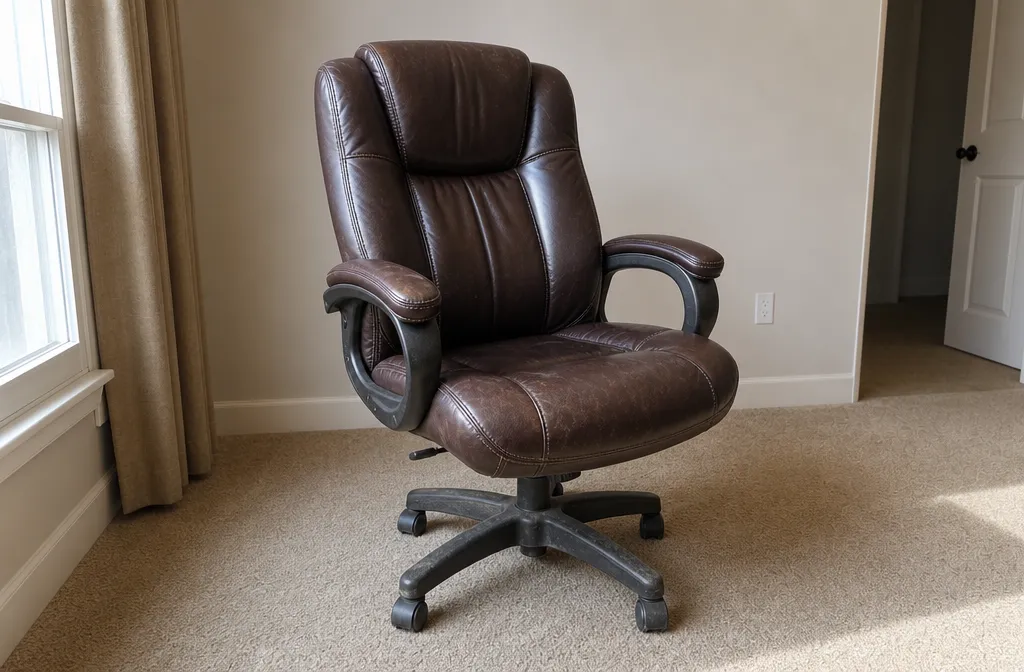
 After
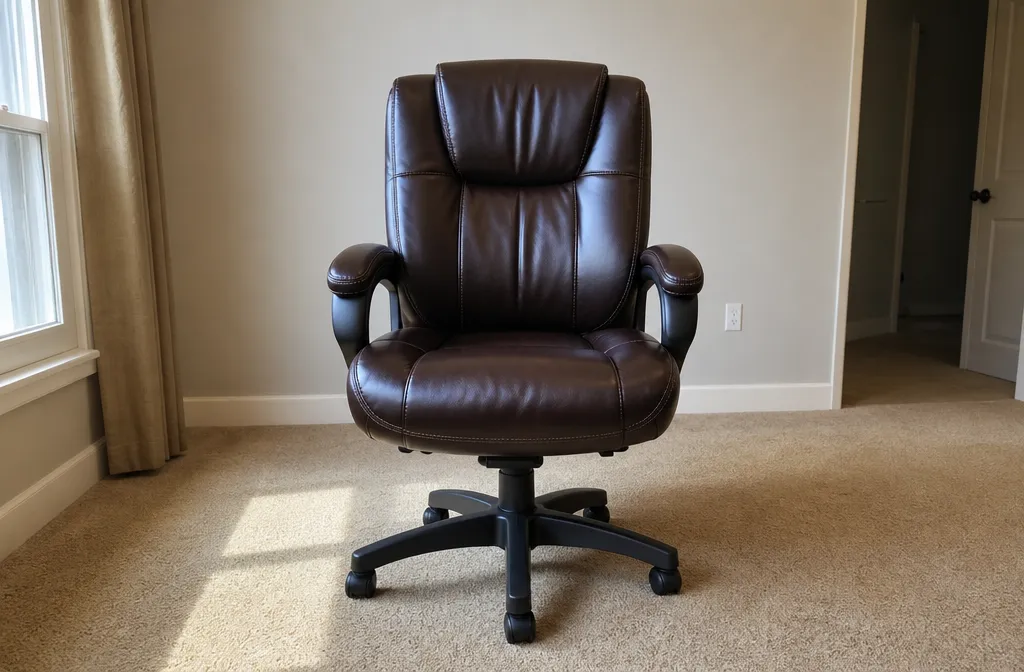
After
Request: Restore shine and remove scuffs from a leather chair in the office.
Done: Cleaning leather with a special compound, conditioning with conditioner, polishing.
Cost: 4 500 ₸
Master: Timur Zhaksybekov, cleaning master
Total: Leather restored, scuffs gone, chair looks like new.
 After
After
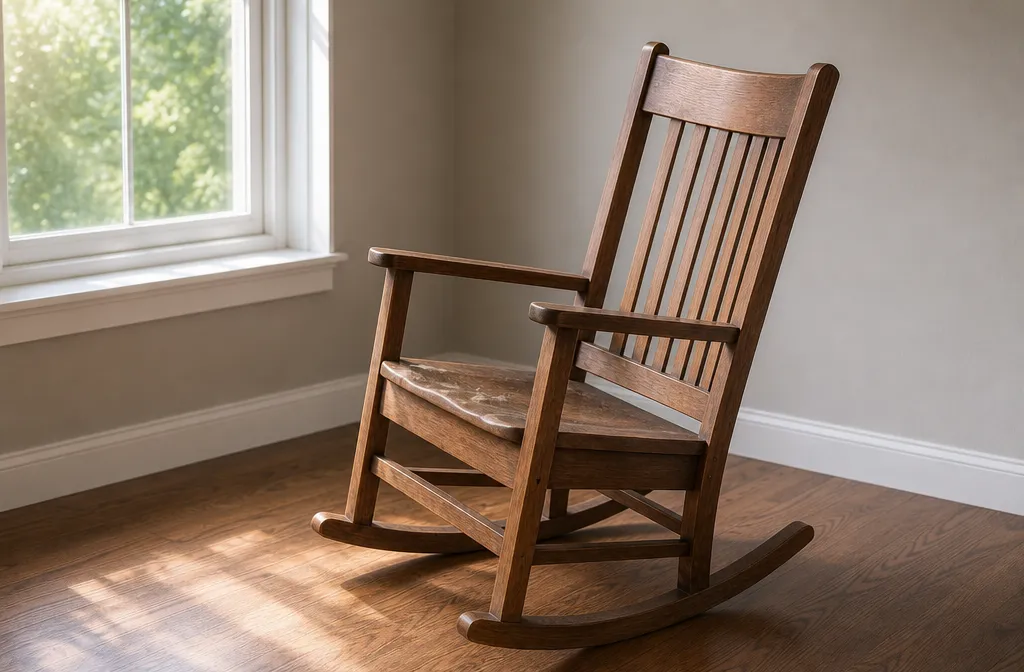
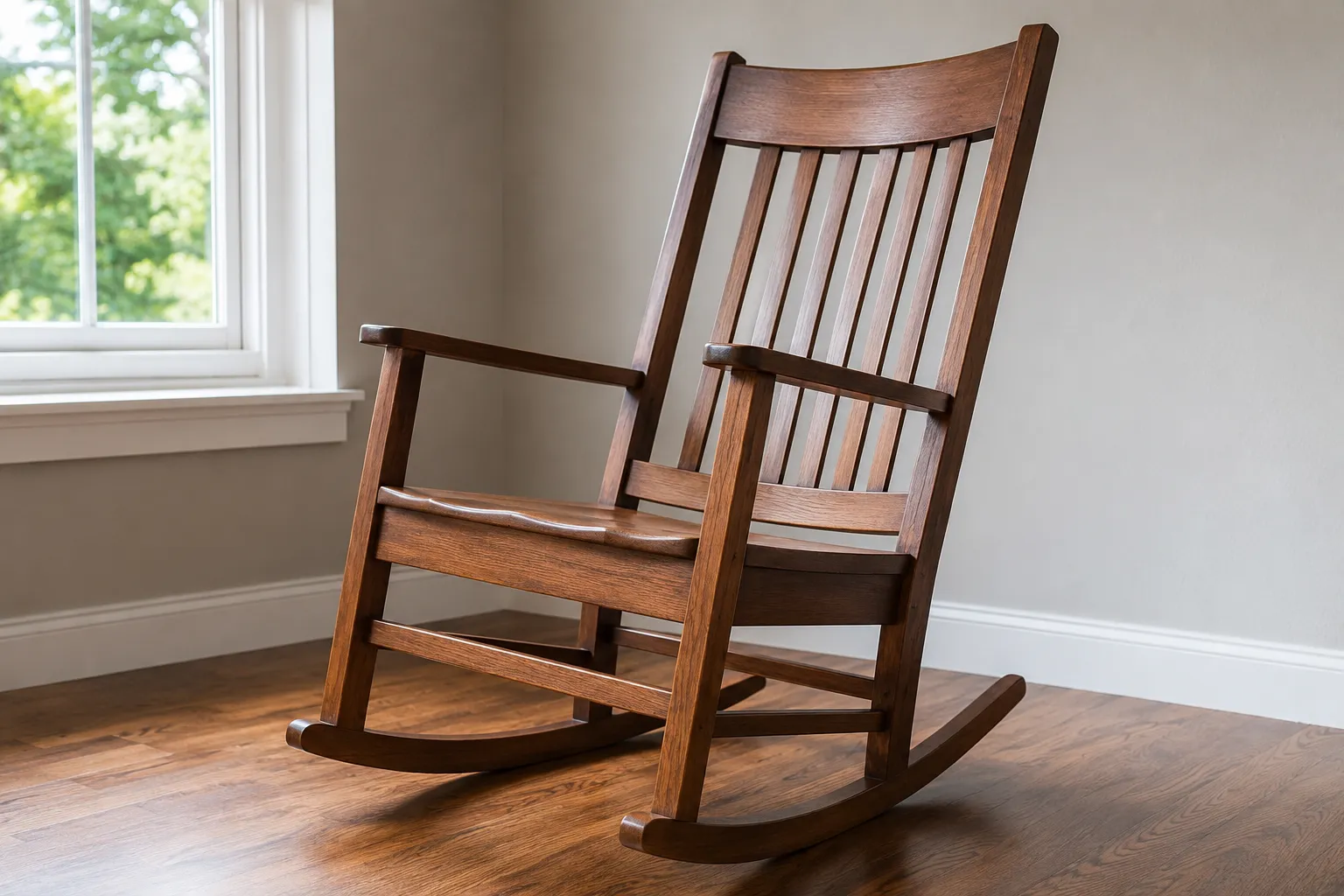
Request: Clean the fabric upholstery of a rocking chair after long use.
Done: Soaking with cleaning solution, vacuum extraction, fan drying.
Cost: 3 500 ₸
Master: Gulnara Akhmetova, cleaning master
Total: Upholstery clean, fresh, without streaks, wooden runners polished.
 After
After
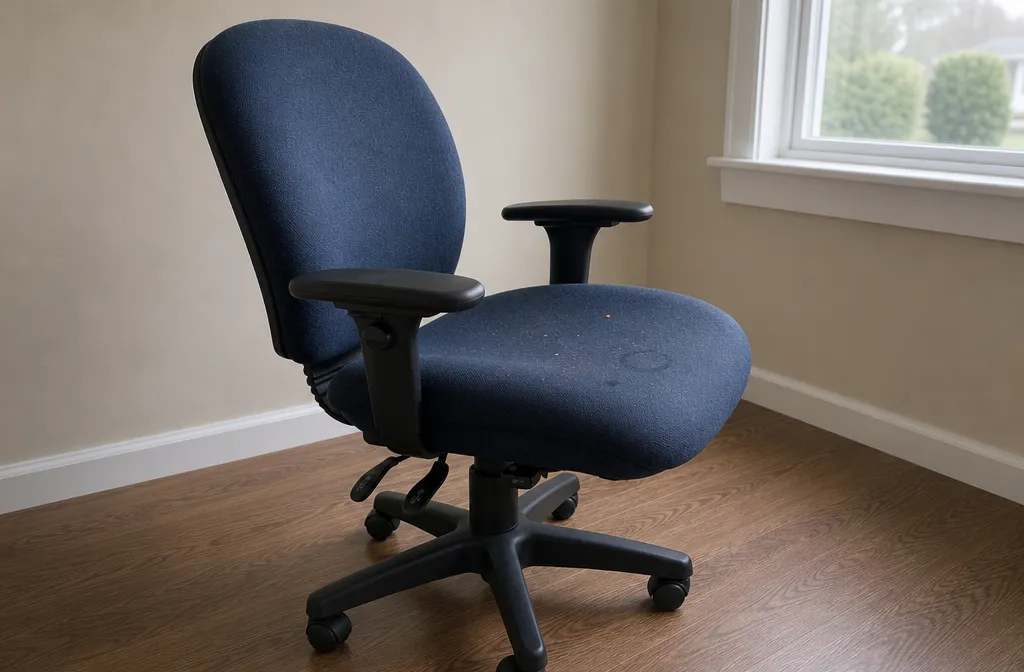
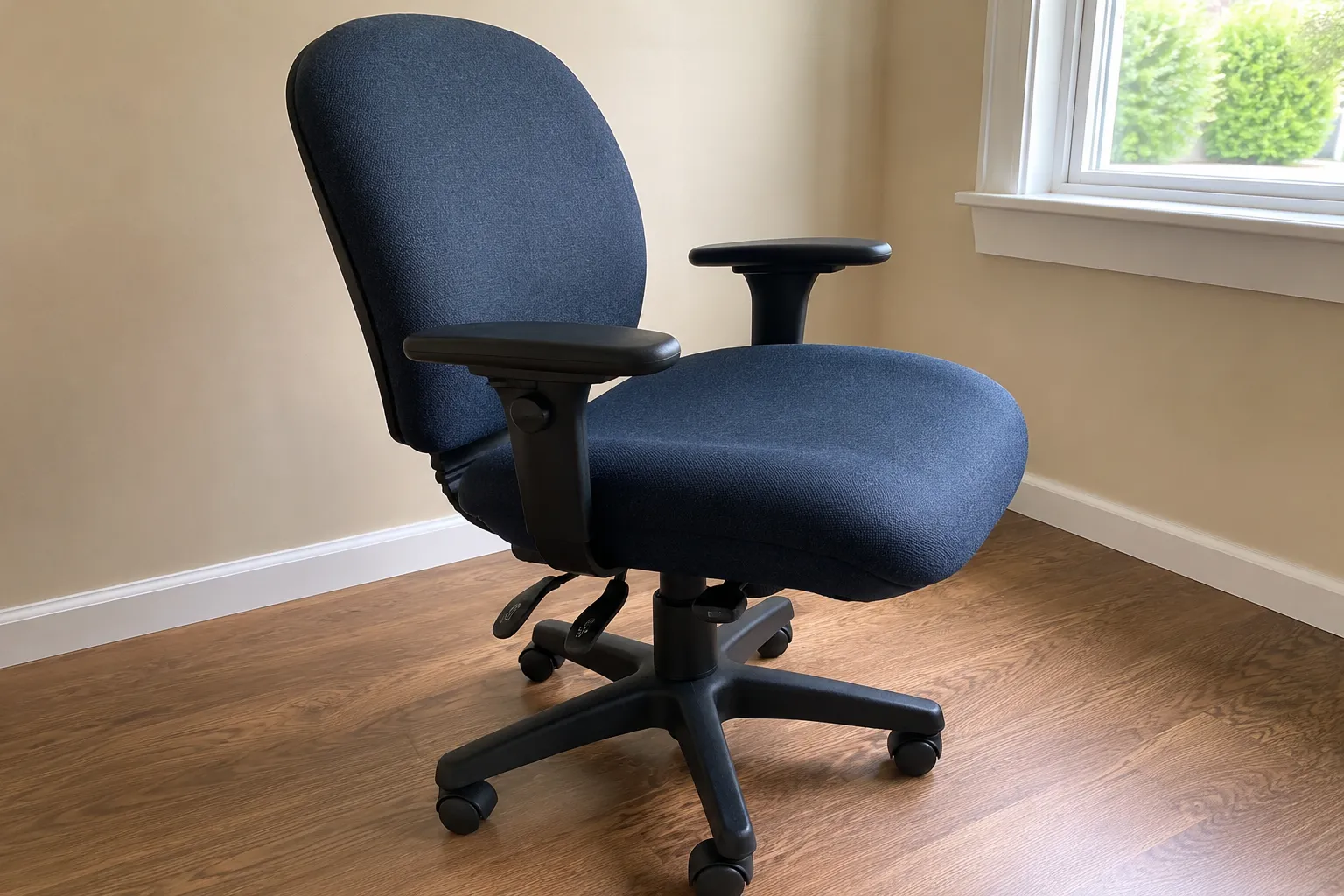
Request: Remove unpleasant odor and stains from the upholstery of a work chair.
Done: Treatment with enzyme cleaner, deep extraction, ozonation.
Cost: 4 500 ₸
Master: Marat Iskakov, cleaning master
Total: Odor gone, stains removed, upholstery dry and fresh.
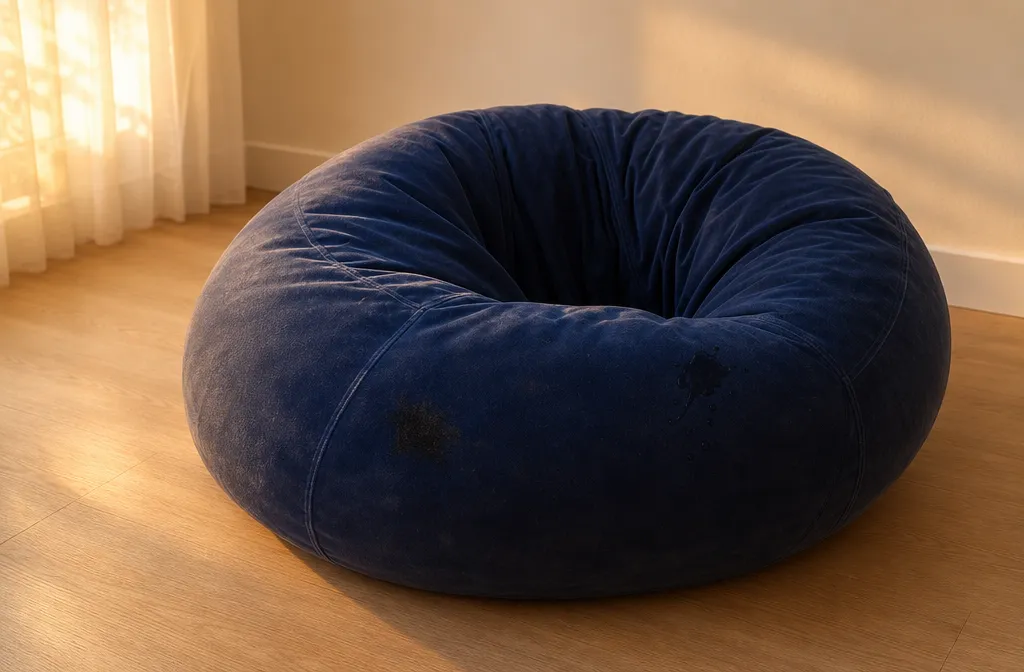
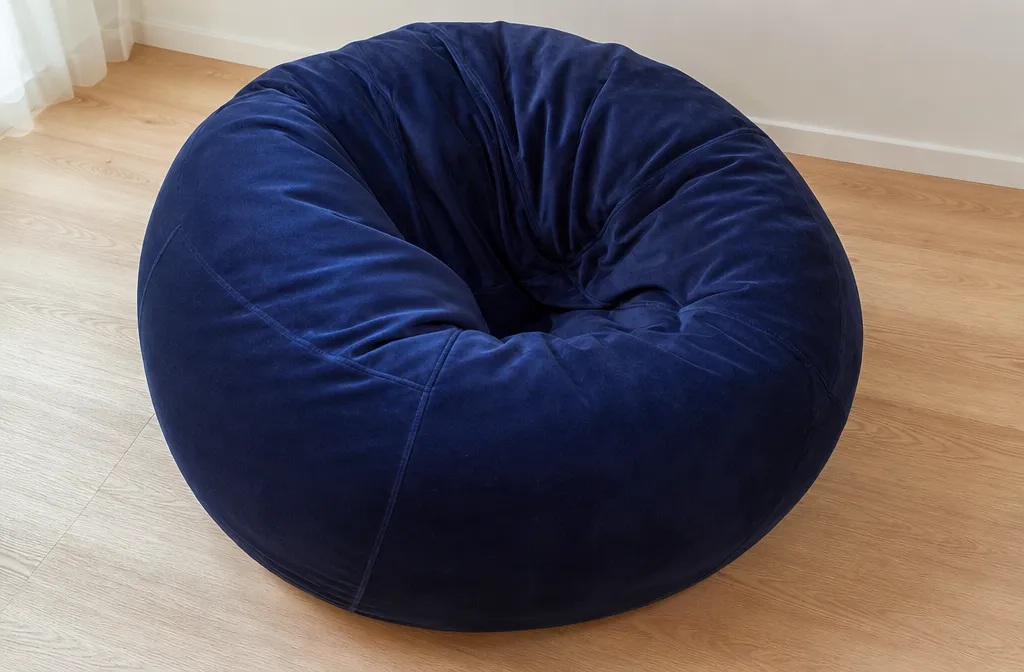 After
After
Request: Clean juice stains and refresh the appearance of a bean bag chair.
Done: Local treatment with stain remover, foam cleaning of the entire surface.
Cost: 3 500 ₸
Master: Aizhan Nurpeisova, cleaning master
Total: Stains removed, filling fluffed, chair became voluminous.
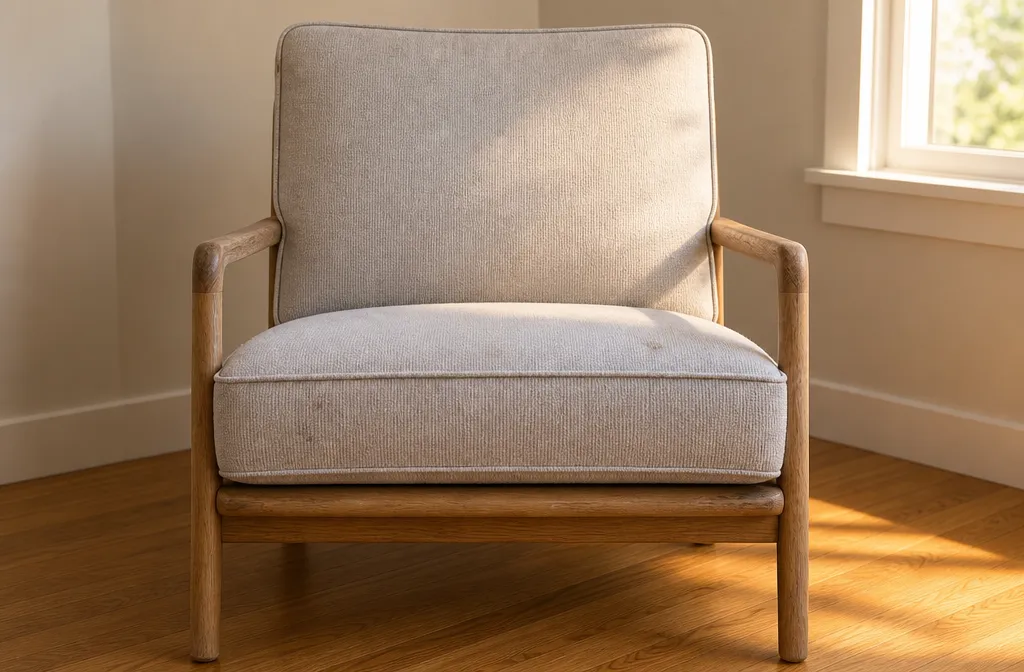
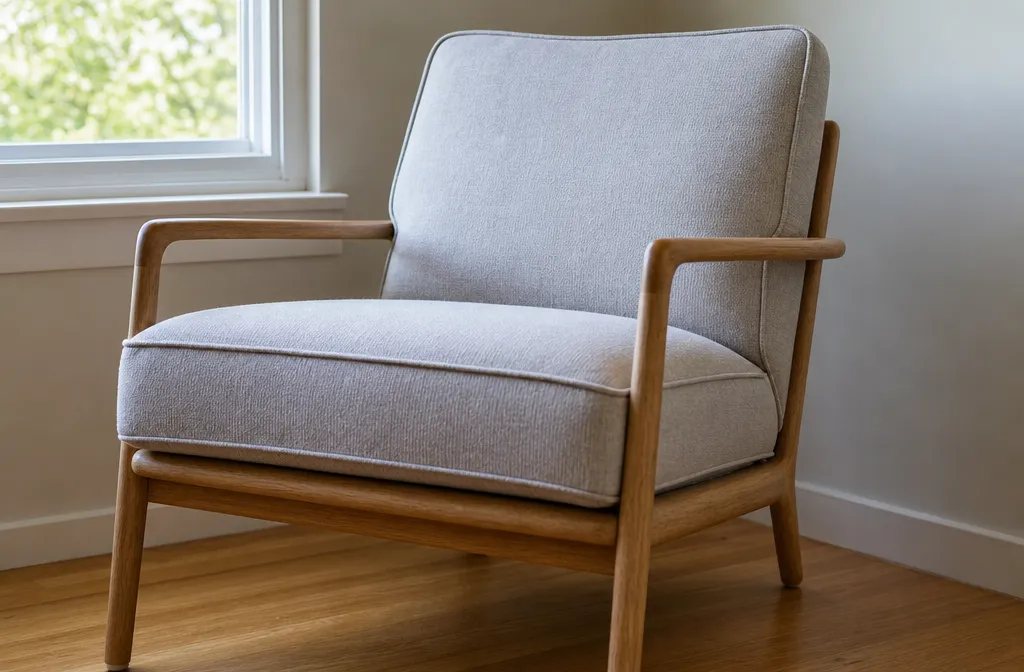 After
After
Request: Clean fabric upholstery and polish wooden armrests.
Done: Fabric dry cleaning with extraction, wood polishing with wax.
Cost: 3 500 ₸
Master: Timur Zhaksybekov, dry cleaning master
Total: Upholstery is clean, wood shines, overall look refreshed.
 After
After
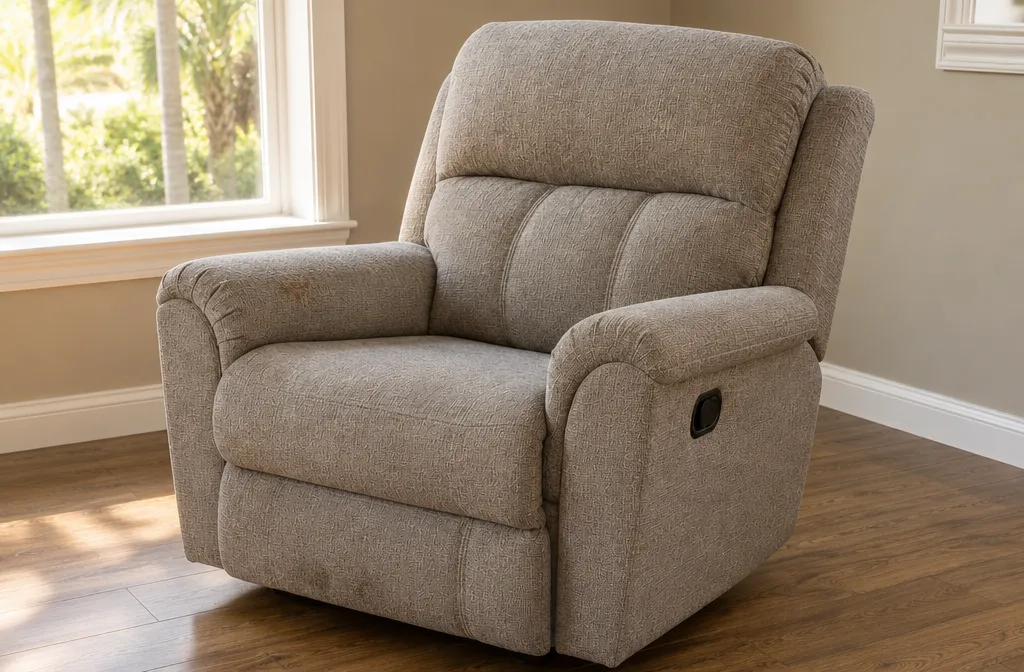
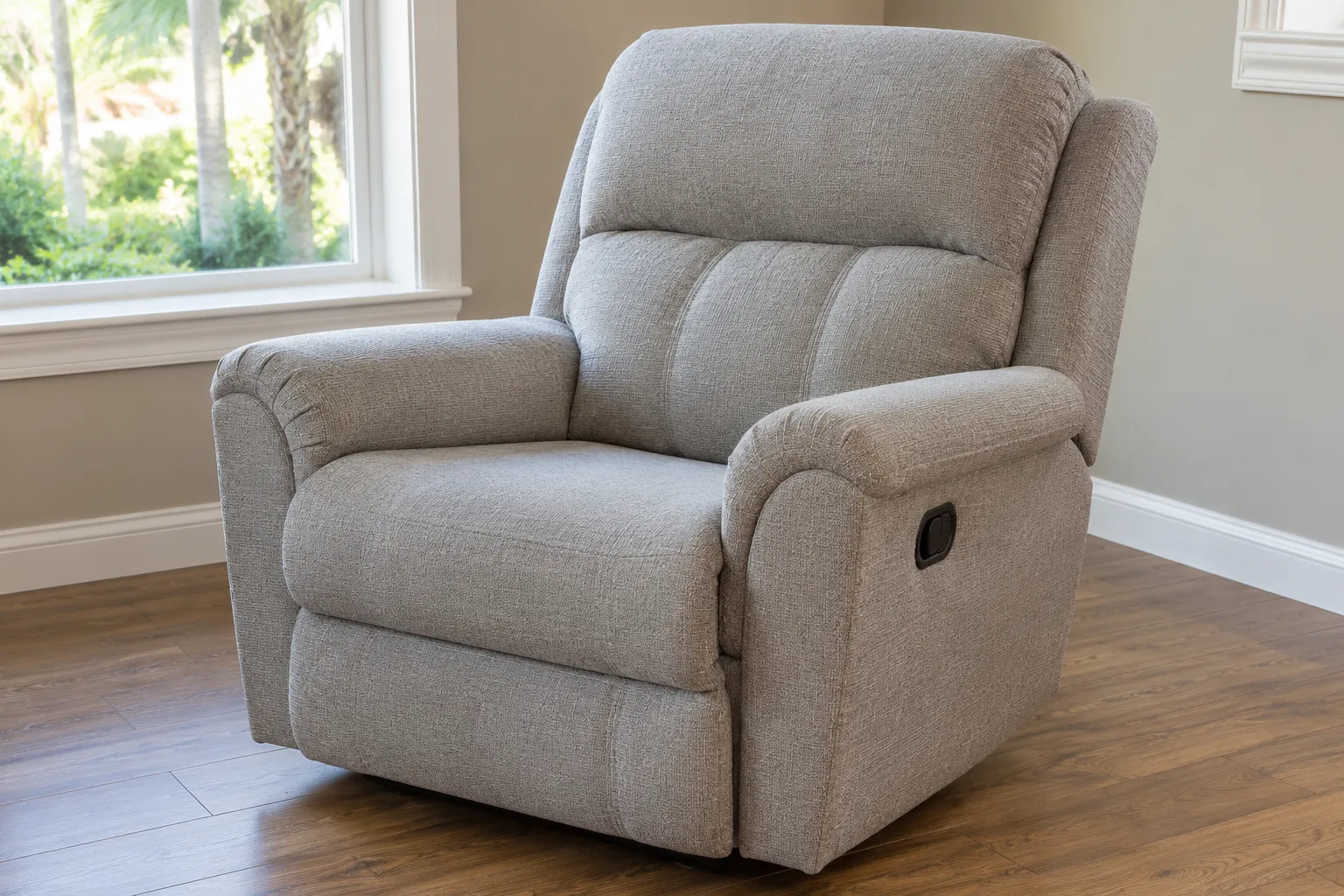
Request: Clean upholstery and hard-to-reach areas of the recliner.
Done: All surfaces cleaned with mechanism disassembly, protective impregnation.
Cost: 3 500 ₸
Master: Marat Iskakov, dry cleaning master
Total: Upholstery perfectly clean, mechanism works smoothly, no squeaking.
 After
After
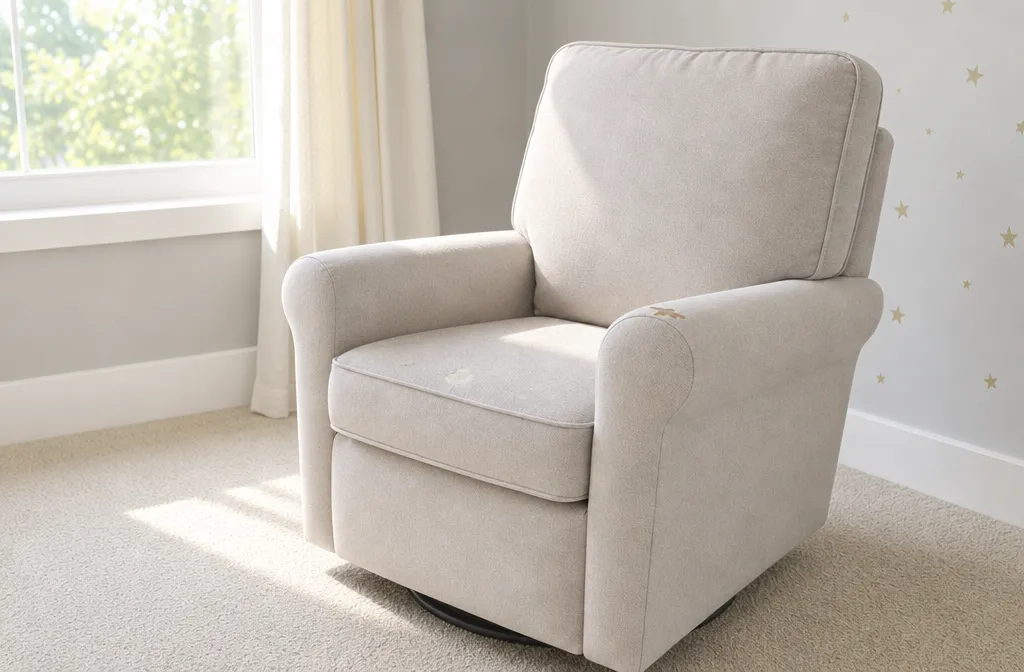
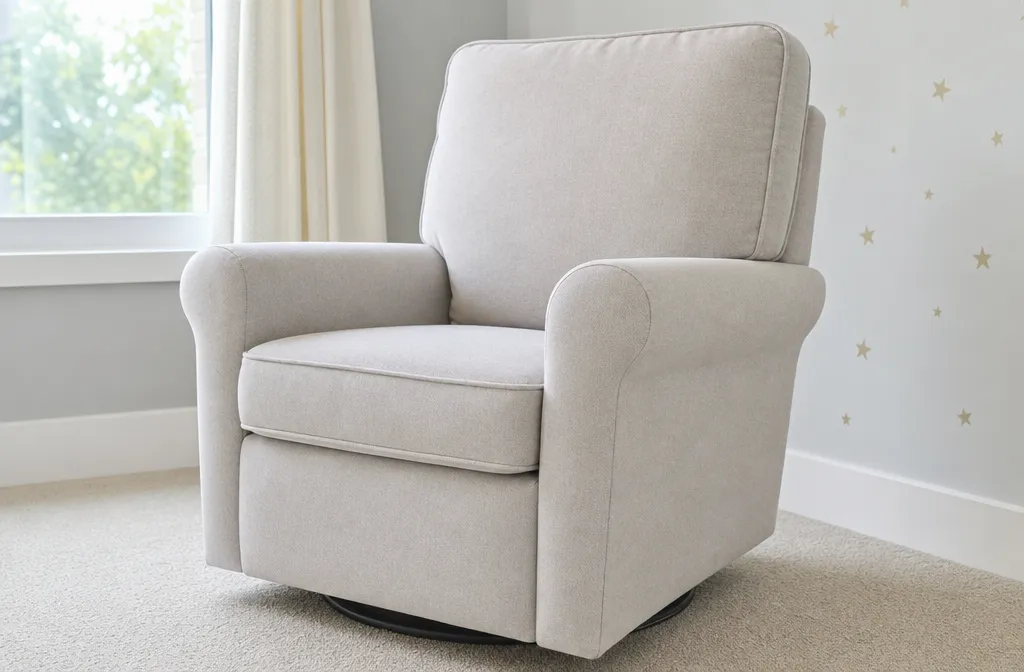
Request: Remove baby food stains and refresh chair upholstery.
Done: Gentle cleaning with hypoallergenic products, odor removal.
Cost: 3 500 ₸
Master: Gulnara Akhmetova, dry cleaning master
Total: Stains removed, upholstery soft and safe for baby.
 After
After
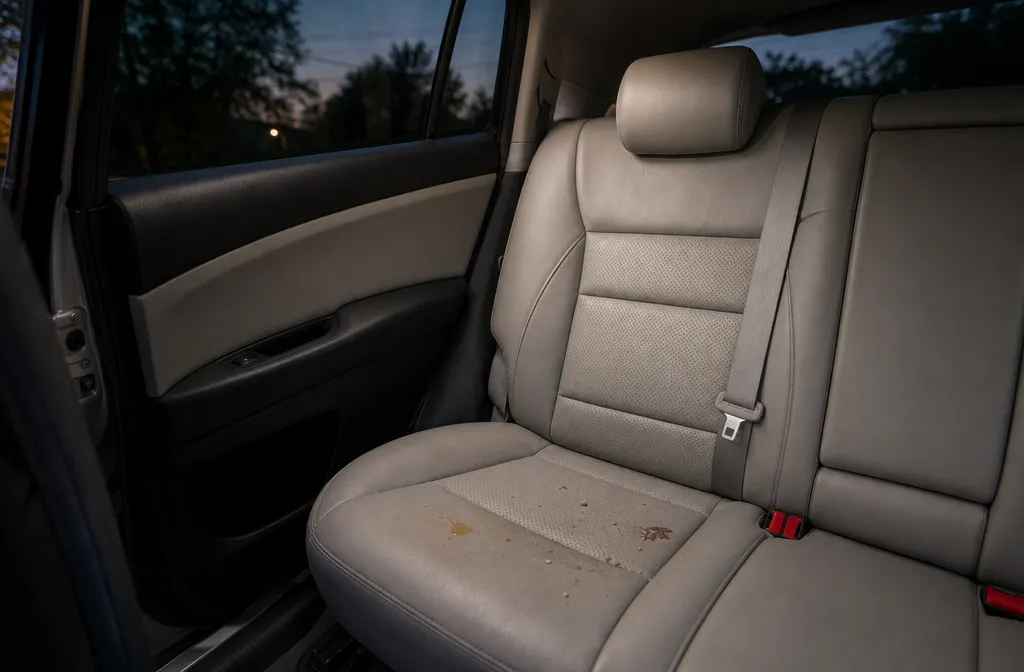
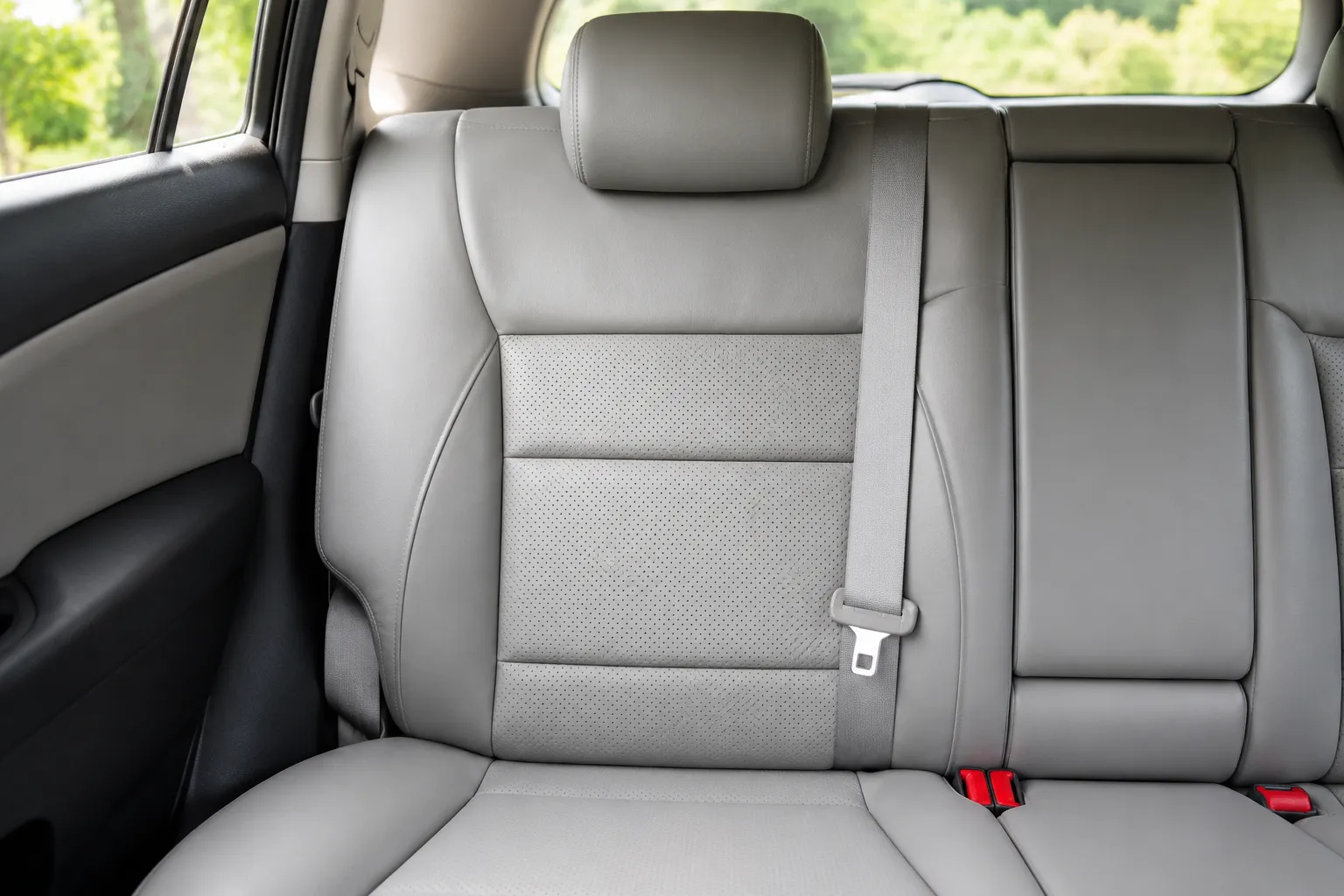
Request: Remove juice stains and crumbs from child car seat.
Done: Steam cleaning of upholstery, vacuum extraction, disinfection.
Cost: 5 500 ₸
Master: Aigul Serikova, dry cleaning master
Total: Car seat clean, stain-free, with a pleasant fresh scent.
 After
After
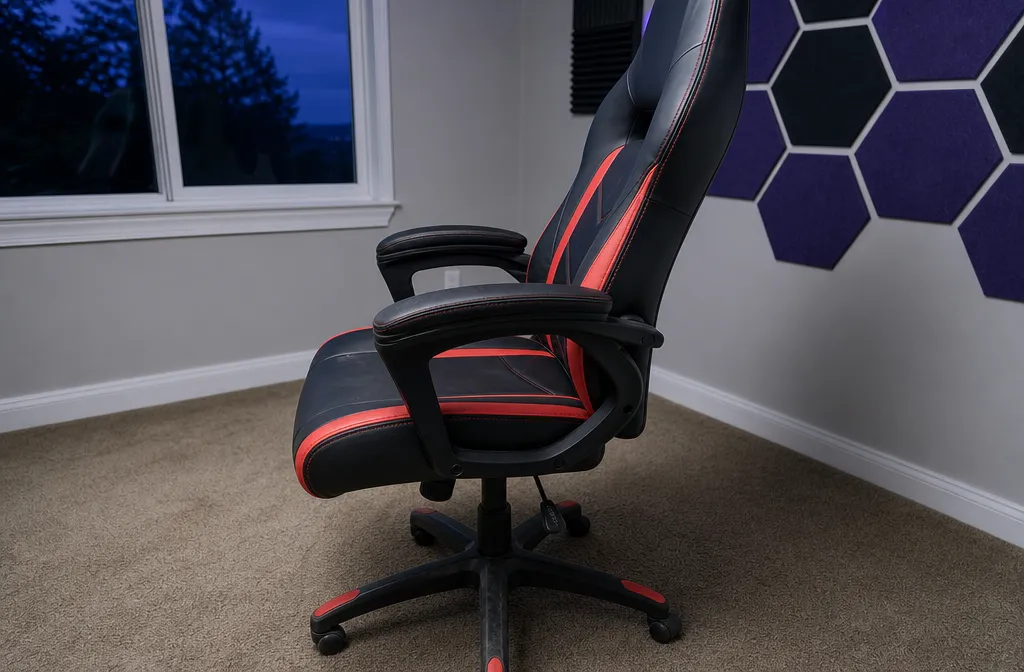
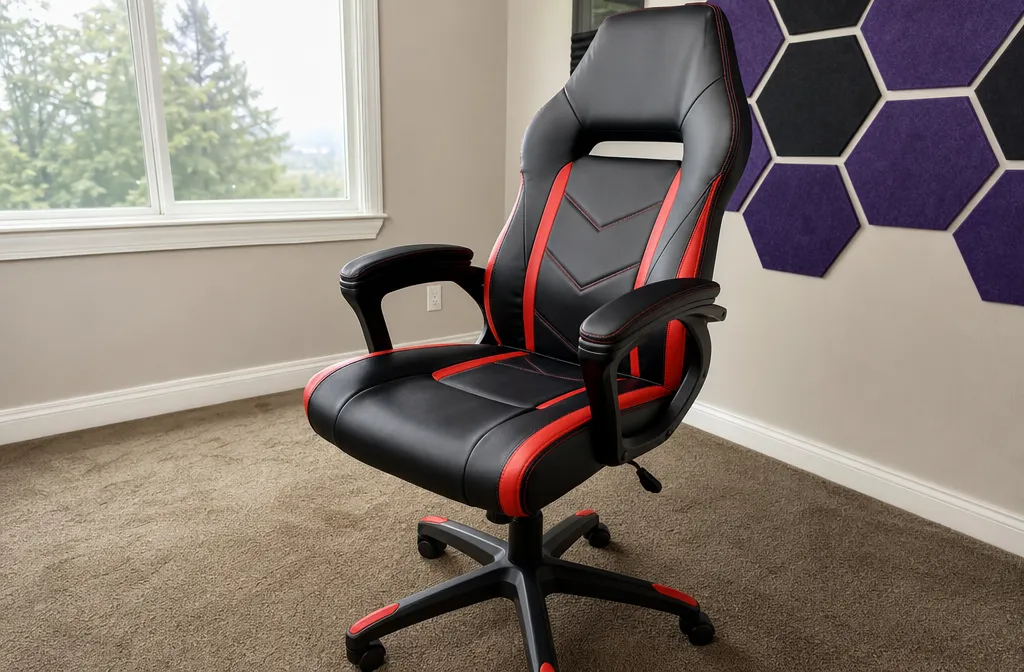
Request: Refresh upholstery and plastic of gaming chair after intensive use.
Done: Eco-leather cleaning, plastic parts polishing, conditioner treatment.
Cost: 4 500 ₸
Master: Timur Zhaksybekov, dry cleaning master
Total: Chair looks like new, scuffs gone, color vibrant.
All cleaners are profi-clean staff with training, uniform and security check. Each order has a team leader who controls quality.
Choosing a cleaning solution for an armchair is not a one-size-fits-all solution: what is safe for microvelvet can destroy the structure of natural leather or leave streaks on chenille. At profi-clean, we select chemicals strictly according to the fabric type, its wear, and the nature of the soiling, so as not to damage the thread or alter the color. Below is exactly how we work with different materials, what products we use, and why.
For fabric armchairs, which make up about 70% of our orders in Almaty, we use low-foam enzyme concentrates from Kiehl — they break down protein-based soiling (sweat, grease, food residue) at a molecular level without leaving a soapy film. We clean flock and herringbone with a tight thread weave using the foam extraction method: we apply the compound with the foaming attachment of a Karcher Puzzi, let it react for 5-7 minutes, and immediately remove the dirt with a water vacuum. Microvelvet is more finicky: if you scrub it with a stiff bristle brush, the pile breaks and loses its sheen, so we work with microfiber and only cold water (hot water can “cook” the polyester thread). In practice, this means that dry cleaning an armchair in Almaty with microvelvet takes 10-15 minutes longer than with flock — but the result is without creases or streaks. Before cleaning any fabric armchair, we test the compound on an inconspicuous area (under the seat or on the back panel) — this is a mandatory step that eliminates fading even on cheap Chinese fabrics.
Leather armchairs, especially light-colored ones (beige, white, ivory), require a fundamentally different approach — we never use alkali or alcohol, which dry out the surface and cause cracks. For natural leather, we use a pH-neutral lotion from Sodasan (pH 5.5) with lanolin and beeswax: it gently removes dirt while simultaneously nourishing the pores, preventing drying. Eco-leather — a denser but less breathable material — we clean with the same compound but with a shorter dwell time (3 minutes instead of 7) to avoid damaging the polyurethane coating. Patent leather is rare in Almaty orders, but if it comes up, we only use a silicone emulsion without abrasives and a soft sponge: patent leather scratches even from a stiff napkin. In the entire past season, profi-clean had one case where a client independently wiped a white leather armchair with an alcohol wipe — we had to restore the pigment with a water-based dye, which took an extra hour.
Chenille and bouclé are loose, voluminous fabrics that easily absorb moisture and take a long time to dry, and if dried incorrectly, they can shrink or “settle” along the seam. For these, we use dry foam with a minimal amount of water: the Kiehl concentrate is whipped in a foam generator to a dense cap-like consistency, applied with a brush, and then collected with an extractor without additional spraying. The moisture level is no more than 10% of the fabric’s weight, and the armchair dries completely in 2-3 hours (versus 6-8 hours with wet cleaning). Velvet is smoother but also finicky: we clean it strictly in the direction of the pile, otherwise “brush marks” remain — light streaks visible under side lighting. In our orders, bouclé is less common — mainly in premium Italian armchairs — but we always warn the client that after dry cleaning, such material may develop slight fuzziness (this is a texture feature, not a defect) and recommend not ironing the upholstery.
Often, one armchair combines different materials: leather armrests and a fabric seat, a velvet backrest and a leather document pocket. In such cases, we treat each zone with a separate compound, allowing time for the boundaries to dry — so the chemicals don’t “migrate” to the adjacent material and leave a stain. For example, we clean the leather armrest with Sodasan lotion and the fabric part with enzyme foam, leaving a dry gap of 2-3 cm between the zones. For seams (stitching, piping, zippers), we use a universal neutral gel that doesn’t foam and doesn’t seep inside. Due to this zoned treatment, the dry cleaning armchair price is calculated not as a sum per zone, but as the total area with a complexity coefficient — in Almaty, this is standard practice for direct cleaners, not aggregators.
“`markdown
An old stain on upholstery is not just dirt, but a mixture of fats, protein compounds, and dust that has managed to “bond” with the fabric fibers. In our practice in Almaty, such soiling is most often found on chairs after three to five years of use without professional cleaning. Below is a step-by-step protocol we use for removing stubborn stains, from preliminary diagnostics to fixing the result.
The first step we take on site in Almaty is to determine the nature of the stain: coffee, grease, wine, juice, ink, or an unknown source. We have pH testers and a set of testers: we apply a drop of neutral enzyme solution to a dry stain — if a reaction (foaming) occurs within the first 10 seconds, the soiling is protein-based; if not, it is likely grease or pigment-based. For microfiber and synthetics, we use an alcohol test (a drop of isopropanol): on an old grease stain, the alcohol leaves a halo; on a water-soluble one, it does not. We check the depth with an ultraviolet lamp — the glow shows whether the stain has penetrated the foam padding. If so, standard surface cleaning will not work, and we move on to extraction treatment. In our practice, there was a case with a leather chair from the “Samal-1” microdistrict: a red wine stain a year old did not react to enzymes, but under UV it showed a sublayer of 3 mm — we had to use an acidic gel with a 40-minute dwell time. Without diagnostics, you risk setting the stain even deeper — especially on nubuck and velour.
After diagnostics, we choose the method of treatment: for grease and oil stains older than 30 days — cold extraction with a low-alkaline pre-spray (pH 8.5–9.5) and mechanical agitation with a soft nylon bristle brush; for protein and pigment stains — hot dissolution with an enzyme compound at a temperature of 45–50 °C. In Almaty, due to hard water (up to 7 mg-eq/L from the “Almaty Su” systems), we add a chelating agent to the solution — otherwise, calcium blocks the enzymes on old stains. For chairs with wool bouclé and acrylic upholstery, we only use the cold method: hot water shrinks the fibers and deforms the weave pattern. On synthetic polyester — conversely, hot extraction is 30–40% more effective, according to our tests on samples over a year old. A key nuance: on old stains from spilled coffee with milk (a typical situation in offices at the “Nurly Tau” business center), the hot method lifts the milk protein residue faster but leaves a yellow halo if the pH is not balanced with a final rinse. We have empirically found that for such stains, it is better to start with a 15-minute cold dwell, then heat with steam — this gives clean removal without streaks.
For old stains, a standard sponge or short-bristle brush is ineffective — they simply spread the dirt across the surface. At profi-clean, we use two tools: a rotary brush with 0.15 mm nylon bristles for dense fabrics (microfiber, herringbone, velour) and a hand scrubber with silicone teeth for delicate ones (silk, wool, viscose). On a site in Almaty — for example, in a private house on Gorny Gigant — we encountered an old iodine stain on light microvelour: the rotary brush left lint, so we had to switch to a scrubber and apply the gel point-by-point with a needleless syringe. The application technique is circular motions from the edge to the center, without pressure: pressure pushes the dirt deeper into the foam, from where it cannot be extracted even with an extractor. For hard-to-reach areas (seams, buttons, piping), we use an ultrasonic spot cleaner — it vibrates at a frequency of 28 kHz, knocking particles out of the fabric structure without friction. Before use, we test for colorfastness on an inconspicuous area — especially on upholstery with latex impregnation (often found in chairs from Kazakhstani brands “Mebel Grad” and “Eco-Mebel”), which can delaminate from ultrasound.
A set-in stain requires reagent dwell time of 20 to 40 minutes — depending on the thickness of the soiling and the type of fabric. We record the time at each stage: for grease stains on polyester — 20 minutes at room temperature, for protein stains on cotton — 35 minutes with steam generator heating (no higher than 50 °C on the surface). In Almaty, where the air is dry (humidity 30–40% during the heating season), we cover the treated area with plastic wrap — this slows evaporation and allows the reagent to complete its full cycle. Without the wrap, on chairs with synthetic upholstery in apartments with central heating, the solution dries in 12–15 minutes, leaving the stain undissolved. We monitor the temperature with an infrared thermometer — on leather and eco-leather, overheating above 45 °C causes softening of the polyurethane coating, leading to loss of elasticity. In our practice, there was a case with a faux leather chair from the “Almatinskaya Mebel” factory: the client tried to remove a stain with a hairdryer, and the coating blistered — we had to completely reupholster the seat. The optimal strategy is dwell time without heat for the first 20 minutes, then gentle steam heating from a distance of 30 cm to activate enzymes, and final extraction with cold water.
After dwell time, we remove the dissolved stain with an extractor using a “slot” tool — it pulls out the liquid along with the dirt, leaving the upholstery damp but not wet. For set-in stains on thick foam (chairs with a seat height of 10–12 cm), we make two passes: the first — with clean water supply (rinsing), the second — dry suction. In Almaty, due to the high salt content in tap water, we use distilled water for the final rinse — otherwise, white calcium streaks remain on dark upholstery. After extraction, we apply a neutralizer (pH 5.5) to restore the fabric’s acid-base balance — this is important for chairs with an antistatic impregnation that is destroyed by residual alkalinity. We leave the neutralizer for 5 minutes, then extract again. If the stain was deep (UV light showed penetration into the foam), we additionally treat the backing through a pinpoint seam incision — but only after client approval, as the seam requires subsequent stitching. In Almaty apartment buildings — for example, in the “Triumph” or “Akbulak” residential complexes — we have encountered cases where set-in pet urine stains penetrate the foam by 5–7 cm, and complete removal is impossible without opening the upholstery. In such cases, we recommend replacing the filling rather than cleaning — otherwise, the odor returns within a month.
After wet treatment, the chair should dry under natural conditions at a room temperature of 18–22 °C and humidity of 50–60% — this takes from 4 to 8 hours depending on the foam thickness and upholstery type. In Almaty, especially in areas with basement floors (microdistricts “Aynabulak”, “Kazakhfilm”), we use air dehumidifiers during drying — otherwise, due to high ground moisture (groundwater level 3–5 m), the upholstery does not dry completely, and a musty smell appears within a week. We strongly advise against drying the chair with a hairdryer or heater — localized overheating deforms the foam (it compresses and loses elasticity) and can set residual stain pigments. On leather and eco-leather chairs, drying with a hairdryer leads to cracking of the top layer — especially on polyurethane products from Kazakh manufacturers, where the coating thickness is only 0.3–0.5 mm. After complete drying, we apply a water-based protective spray — it creates a hydrophobic barrier that facilitates future cleaning and prevents the absorption of new stains. In our practice at the “Almaty Towers” business center, a client ordered dry cleaning for a chair after a set-in ink stain resisted home remedies — following our protocol with extraction and protective coating, the stain did not return over 14 months of observation. “`
Many people think it’s enough to wipe the chair upholstery with a soapy cloth and the dirt will disappear. In reality, wet cleaning only moistens the surface layer of dust, while dry cleaning extracts soiling from deep within the fibers — the difference lies in the technology, material safety, and final result.
Regular wet cleaning only removes surface dust and fresh stains from upholstery—water with household detergent cannot penetrate deeper than 1-2 mm into the pile. Meanwhile, moisture remains inside the fibers, along with dissolved fats and dirt particles that crystallize and become embedded in the fabric structure upon drying. profi-clean’s chair dry cleaning uses extraction technology with pressurized solution delivery and vacuum removal of spent fluid: the compound penetrates the full depth of the padding (up to 5-7 cm for foam rubber and synthetic padding), and a powerful HEPA-class extractor removes up to 95% of moisture along with dissolved contaminants. On Almaty chairs with dense pile (flock, velour), the difference is visually noticeable: after wiping with a cloth, the upholstery appears clean, but pressing with your hand releases a musty smell from the depths—a sign of undried dirt inside. In our practice, there was a case where a client wiped office chairs with a damp cloth for two years: during the first dry cleaning, the extractor pulled out murky black liquid, even though the upholstery looked acceptable. We recommend checking the chair by pressing a finger: if a dark damp spot remains for 10-15 minutes after wet cleaning, deep cleaning is already necessary.
Household chemicals for floor and furniture cleaning (Fairy, Mr. Proper, Cif) have an alkaline pH of 8-10, which is safe for ceramics and plastic but destroys the protective impregnation of upholstery and washes out fabric dyes. On chairs with natural leather or eco-leather, such products leave micro-cracks, and on silk and microfiber—streaks and oxidation stains. Professional dry cleaning of chairs with profi-clean compounds (Kiehl, Sodasan) uses a pH of 6-7—neutral for any materials, including expensive Tiffany and jacquard. These products do not disrupt fiber structure or wash away the factory dirt-repellent impregnation; instead, they clean pores for subsequent protective application. In Almaty, where tap water is hard (up to 7 mg-eq/L), household detergents react with calcium and magnesium salts, forming a white residue on upholstery that is noticeable on dark chairs after drying. Our compounds contain chelating agents that bind hard salts—residue does not appear even on glossy surfaces. If the chair has a label recommending “dry clean only” (W or S code), wet cleaning with household chemicals will inevitably ruin the fabric—in such cases, extraction technology with minimal moisture and controlled contact time is required.
Wet cleaning leaves upholstery damp for 6-12 hours depending on layer thickness and room ventilation, especially in Almaty’s spring and autumn humidity conditions (up to 70-80%). During this time, an ideal environment for mold fungi and bacteria growth forms within the foam rubber or synthetic padding—spores germinate within 24 hours at 20-25°C. Chair dry cleaning with HEPA extraction removes 90-95% of moisture in 30-40 seconds of operation per area, and the upholstery dries naturally in 2-4 hours—insufficient time for microorganism development. We use final drying with airflow via a turbo dryer on chairs with dense padding (holofiber, latex), reducing the time to 1.5 hours. In Almaty offices with air conditioners operating on recirculation, high humidity after cleaning with household products leads to a musty smell that persists for up to two days. In our orders for leatherette chairs in apartments with poor ventilation, we strongly recommend against using wet wipes—after dry cleaning, we apply a protective compound that prevents moisture absorption and reduces drying time to 40 minutes.
Regular wet cleaning is contraindicated for chairs with natural leather (aniline, semi-aniline) — water penetrates the pores, stretches the leather, and after drying leaves irreversible cracks and abrasions. Dry cleaning of a leather chair uses special pH-neutral foams with minimal water content (no more than 15% of the composition volume) and final conditioning with oils to restore elasticity. Wet cleaning is also prohibited for chairs with natural latex and buckwheat husk filling — these materials are hygroscopic and lose their shape when wet, start to crumble, and release dust. In Almaty, we often encounter microfiber chairs in children’s rooms — household wet cleaning leaves streaks from saliva and food dyes on them, which become fixed in the fibers after drying. Our method using enzyme compositions breaks down protein compounds without water, and stains are removed without the risk of setting. If there are wine or coffee stains on the chair, wet cleaning without pre-treatment with a sorbent pulls the pigment deeper into the filling — in our practice, this increases the cost of subsequent dry cleaning by 30-40% due to the need for multiple extractions.
Leather upholstery on a chair is one of the most capricious materials in cleaning: it requires not just dirt removal, but preserving the protective coating, elasticity, and natural shine. In our practice in Almaty, over 70% of leather-related requests are attempts to fix the consequences of improper cleaning.
Natural leather has two vulnerable layers: the face coating (lacquer, aniline, or semi-aniline) and the pores that breathe. Alkali, chlorine, or alcohol in household stain removers destroy this top layer — the leather becomes matte, cracks at the folds, and loses elasticity after 2-3 treatments. Artificial leather (eco-leather, leatherette, Alcantara) reacts even more severely: the polyurethane film stiffens and cracks under alcohol, and the foam base absorbs chemical residues, creating a persistent chemical smell in the room. At profi-clean, we work only with pH-neutral water-based compositions (Kiehl, Sodasan) — they remove grease and dust without damaging the protective layer. For stubborn stains like ballpoint pen or cherry juice, we use spot enzyme stain removers that break down protein rather than burn the paint. Before applying any composition, we test it on an inconspicuous area under the seat — this test is mandatory on leather, otherwise there is a risk of getting a “halo” stain that cannot be hidden.
The main mistake is over-wetting the leather during cleaning and the lack of conditioning afterward. When leather gets wet, its fibers swell, and upon drying without protection, they contract and cause micro-cracks on folds and bolsters. Our process is as follows: first, dry vacuuming with a soft brush, then wet cleaning with a foam extractor with minimal water supply (low-moisture method), followed by mandatory treatment with a leather conditioner based on lanolin or wax. The conditioner restores the fat balance and makes the surface elastic; without this step, even expensive Italian leather becomes stiff after 2-3 cleanings and begins to crack along the seams. We recommend Almaty residents condition their leather every 6-8 months, especially during the heating season when the air in apartments is dry (humidity drops to 20-25%) — without protection, leather loses moisture faster than natural sofa upholstery.
Almaty leather has its own specifics: humidity fluctuations from dry summers (10-15%) to wet winters with frequent rains, as well as intensive use of chairs in offices and homes with dust from unpaved roads and smog. Dust mixed with soot and grime (typical for the city center and southern areas) embeds into the leather pores and is not removed by regular damp cleaning — gray streaks remain, which darken over time. In our orders for chairs from the Medeu and Bostandyk districts, we regularly see exactly this kind of “gray” film that neither soap nor shampoo can remove. The solution is cleaning using an enzyme pre-spray, which breaks down this mixture of dirt and oils in 5-7 minutes, after which the leather is rinsed with an extractor and conditioned. Another local feature: leather on chairs from cafes and restaurants in Almaty often has traces of smoking (nicotine film) — it is yellow and sticky, we only remove it with a two-stage treatment: first a degreaser, then an enzyme compound, otherwise the tobacco smell remains in the pores for months. If a leather chair is located on an open veranda (frequent orders from Atakent and Gorny Gigant), UV protection is added to the care — we use a conditioner with an SPF filter, otherwise under the southern sun the leather fades in one season.
Aniline leather (without a protective coating) is the most delicate: it absorbs moisture like a sponge, and regular foam cleaning can leave dark spots. We only treat it using a dry method: vacuuming with a soft brush and spot application of a damp microfiber cloth on stains, without an extractor. Semi-aniline is more durable; an extractor with low pressure can be used on it, but strictly with pH-neutral foam and mandatory conditioning. Patent leather (glossy) is afraid of abrasives — it cannot be rubbed with a brush or a sponge with a rough side, only microfiber and a spray conditioner, otherwise micro-scratches appear, visible as a “mesh” in the light. Faux leather (polyurethane on a knitted base) is the most capricious option: it does not breathe, peels off when overheated (steam, hot water), and starts to bubble with excess moisture. On it, we only use cold water, a minimal amount of foam, and drying with a fan without heat. In our orders across Almaty, semi-aniline (office and home chairs up to a significant amount) and eco-leather (budget models up to по запросу calculated individually) are most common — it is on these that clients most often make mistakes, trying to remove stains with alcohol or vinegar.
The frequency of professional chair dry cleaning depends not on the calendar, but on the intensity of use, type of upholstery, and the microclimate in the room. The universal recommendation of “once every six months” only works for guest chairs in meeting rooms — for daily used office and home chairs, the schedule is completely different.
We ordered dry cleaning for a white leather chair — it looks like new, coffee stains completely disappeared.
Thank you, Aigerim! We're glad you're happy with the result.
After cleaning, the office chair looks perfect, greasy areas on the armrests are gone.
We had a rocking chair dry cleaned — tea stains are gone, but a faint smell remained, we aired it out.
Daniyar, thanks for the feedback. Usually the smell disappears within a day, hope everything is fine.
The chair was impeccably cleaned from markers and plasticine, the child can draw again.
The black leather chair dry cleaning went perfectly — restored the shine, scratches became less noticeable.
Thank you, Erlan! We use special leather products.
Cleaned the velvet chair, red wine stains removed, but the pile is flattened in one spot.
Assel, we apologize. We'll offer a repeat steam treatment to restore the pile.
Ordered dry cleaning for hotel chairs — 10 pieces, all perfect, no streaks.
Old chair with headrest transformed, even my husband noticed the difference.
Ordered dry cleaning for an office chair — handled the greasy spots, but one seam turned slightly white.
Timur, thanks for the feedback. Contact us — we'll touch up the seam for free.
The chenille chair was in terrible condition after kids, now it's like from a showroom.
Dry cleaning of a light leather chair — result exceeded expectations, denim stains gone.
Alexey, glad to help! Leather requires special care.
Ink stains completely removed, though I had lost hope.
Ordered dry cleaning for cafe chairs — 15 pieces, all clean, no odors.
The velour was cleaned well, but after drying, streaks appeared—I had to go over it with a brush.
Saltanat, thank you. We use special products; streaks are easily removed. If you have any questions, call us.
Dry cleaning of a moldy chair—the smell is gone, no stains, very satisfied.
My favorite chair came back to life after the cat marked it.
Had dry cleaning of a gaming chair—stains from chips and cola are gone, fabric looks like new.
Ruslan, thank you! For such stains, we have powerful products.
The vintage chair with embroidery was cleaned delicately, threads not damaged.
Ordered dry cleaning of a microfiber chair—food stains are gone, but water marks remain.
Nurlan, usually no marks remain. We'll come back to treat it again—free of charge.
Handled the wool upholstery perfectly, no shrinkage or pilling.
Dry cleaning of an eco-leather chair in the car—now it looks like from a showroom.
After the child's illness, the chair was hopelessly ruined, but you cleaned everything without any smell.
Aliya, we understand how unpleasant that is. Glad we could help.
Dry cleaning of a light-colored patterned chair — the pattern was not damaged, the dirt is gone.
The cat urine smell is completely gone, the chair now smells fresh.
We did dry cleaning of the chair — coffee stains were removed, but the color became slightly paler.
Lyazzat, we apologize. We use gentle formulas, but old stains may lighten.
The chair-sofa after long use looks like new, especially the armrests.
I ordered dry cleaning of the chair — the oil stain from cream was removed, even though a lot of time had passed.
Thank you, Saule! Tough stains are our specialty.
Cleaned 20 office chairs — fast, high quality, employees are satisfied.
Dry cleaning of the chair from berry stains — almost everything was removed, but a barely noticeable pink tint remained.
Nazgul, if the tint bothers you, we will treat it again with bleach.
After smokers in the house, the chair absorbed the smell, now it's easy to breathe.
Dry cleaning of the chair after a small child — we washed off paints, food, even plasticine.
Jamila, thank you for your trust! We often work with children's stains.
The living room was transformed when the chair became clean — thanks to your craftsmen.
Had dry cleaning of a leather chair — sweat and grease stains gone, leather soft.
The hessian was cleaned well, but after drying the fabric became a bit stiffer.
Ksenia, after cleaning a conditioner may be needed. Call us, we'll give recommendations.
Ordered dry cleaning of a chair — daughter spilled ink, removed without a trace.
The child has allergies, after cleaning the chair the cough stopped — thanks for the anti-allergenic treatment.
Ainur, health is most important! We use hypoallergenic products.
Dry cleaning of the chair — greasy armrests cleaned perfectly, chair like from the store.
The chair was on the balcony, mold appeared — cleaned, no smell.
The child stained the chair with chocolate — ordered dry cleaning of the chair, everything removed, no traces.
Azamat, thank you! Chocolate is easy to remove.
Cleaned a chair with embroidery, main dirt gone, but threads slightly faded.
Zukhra, we apologize. Next time we'll be more careful with delicate fabrics.
The process usually takes 2 to 3 hours depending on the fabric type and degree of soiling. It includes all stages from dry cleaning to drying.
Just remove personal items and removable cushions from the armchair. The technician will prepare the workspace themselves.
Yes, we use hypoallergenic Sodasan products certified by Ecogarantie. Once dry, the armchair is completely safe.
The price depends on the type of armchair and material. For example, a soft fabric armchair — at an individual rate, leather — at an individual rate. The exact cost is calculated after inspection.
Yes, a 10% discount is provided for orders of 2 or more armchairs. It applies to all types of armchairs.
Use the calculator on our website: select the type of armchair, quantity, and additional options — the system will automatically calculate the final price.
We clean all types of armchairs: soft, leather, office, rocking chairs, bean bags, sofa beds, computer chairs, car seats, and recliners.
Yes, we have a special technology for leather using Kiehl products that gently clean and care for the material.
The process consists of 8 stages: inspection, dry cleaning, applying stain remover, deep cleaning with an extractor, steam treatment, leather cleaning (if needed), drying, and final inspection.
Yes, after the main cleaning, we treat the armchair with a steam cleaner for disinfection and odor removal.
Tell us about your experience with profi-clean — it helps other clients and us improve.
We currently operate in Almaty. Other cities are coming soon.