Armchair Dry Cleaning Almaty
Professional armchair dry cleaning in Almaty from profi-clean. We remove any stains,…
on requestProfessional Upholstery Cleaning in Almaty — Remove Any Stains and Odors
Professional armchair dry cleaning in Almaty from profi-clean. We remove any stains,…
on requestProfessional bed dry cleaning in Almaty. We remove stains, dust, allergens. Safe…
on requestProfessional dry cleaning of computer chairs in Almaty. We remove stains, dust,…
on requestProfessional dry cleaning of cinema seats in Almaty. We remove stains, odors,…
on requestProfessional leather furniture cleaning in Almaty. Safe products, stain removal, color restoration.…
on requestProfessional on-site furniture dry cleaning in Almaty. We remove any stains, odors.…
on requestProfessional upholstery cleaning for chairs in Almaty. We remove any stains, restore…
on requestProfessional upholstery cleaning for poufs in Almaty from profi-clean. We remove stains,…
on requestFrom inspection to result with guarantee
The technician assesses the upholstery type, identifies tough stains, and tests the cleaning agent on an inconspicuous area. This eliminates the risk of fabric damage.
We remove surface dust, pet hair, and allergens using a professional vacuum cleaner with a HEPA filter. All crevices and joints are treated.
We apply Kiehl or Sodasan stain removers directly to tough stains. Leave for 5–10 minutes to soften dirt.
The Karcher SE 4001 extractor applies solution under pressure and immediately vacuums it up with dirt. The process is repeated until the water runs clear.
We treat the surface with steam at 120°C to eliminate bacteria and neutralize odors (tobacco, pets).
We rinse the upholstery with clean water using an extractor to remove detergent residues. This prevents stickiness and skin irritation.
We set up industrial fans and dehumidifiers to reduce drying time to 2–4 hours. Humidity drops from 80% to 30%.
We check cleaning quality in daylight, assess uniformity. Upon request, we apply a protective coating against moisture and dirt.
Kiehl products penetrate deep into fibers without leaving streaks, and the organic Sodasan line is safe for children and allergy sufferers. All formulations are certified and contain no harsh solvents. No chemical odor remains after cleaning.
The Karcher SE 4001 extractor delivers cleaning solution at 160 bar pressure and simultaneously vacuums dirt, ensuring cleanliness 5–7 cm deep into the upholstery. The technology eliminates streaks and drips, reducing drying time.
During dry cleaning, we use vacuums with H13 HEPA filters that trap particles as small as 0.3 microns. This guarantees removal of pollen, pet dander, and mite waste — ideal for asthmatics.
Every profi-clean master has at least 3 years of experience and undergoes annual training from cleaning product manufacturers. We know how to work with delicate fabrics (silk, velvet, microfiber) without damaging the upholstery.
We are confident in our quality: if a stain remains after the first cleaning, we will re-treat it for free. The guarantee is valid for 14 days. Refund if removal is impossible — by agreement.
We accept orders daily from 8:00 to 22:00. Same-day dispatch for orders placed before 16:00. We work in all districts of Almaty, including suburbs.
 After
After
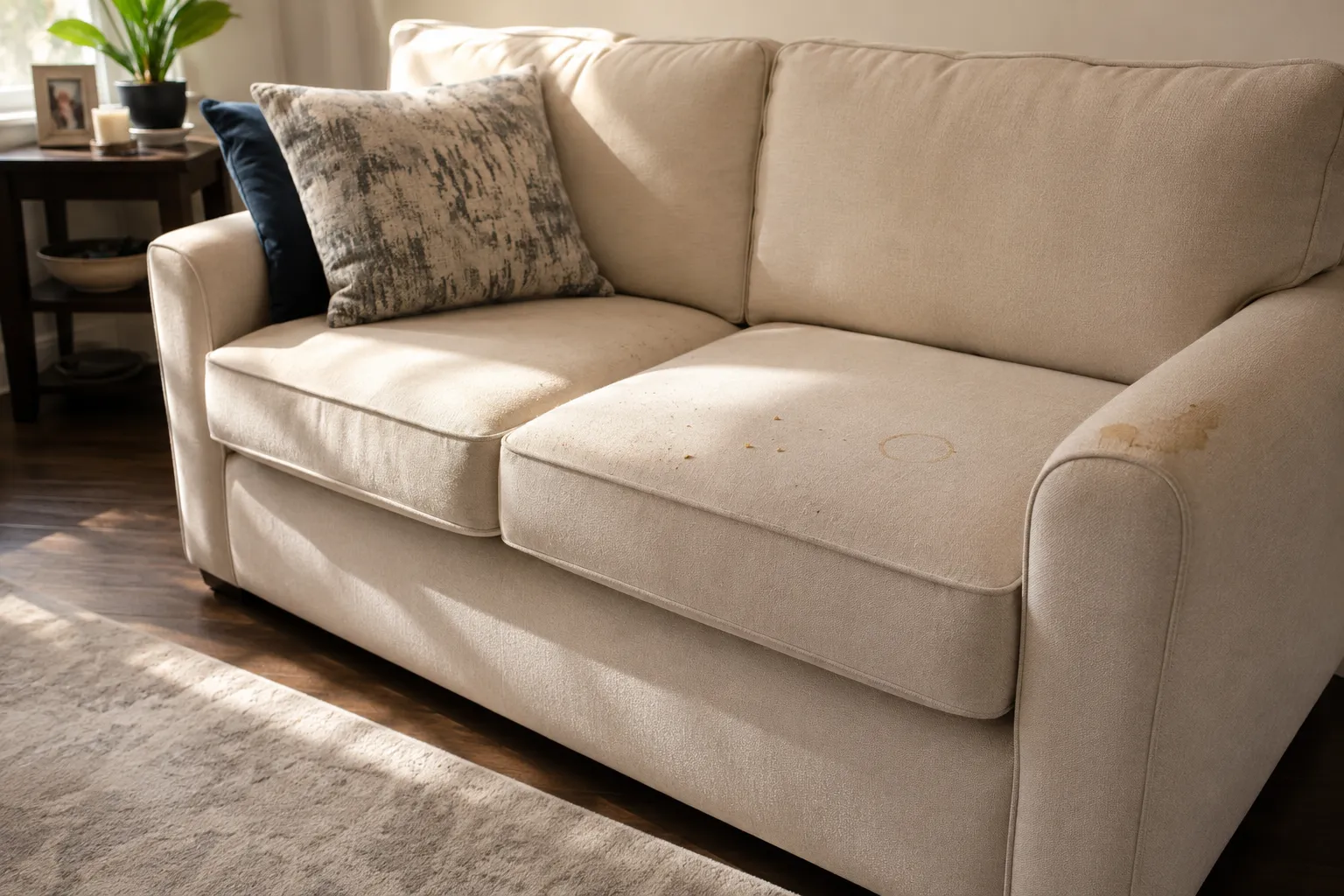
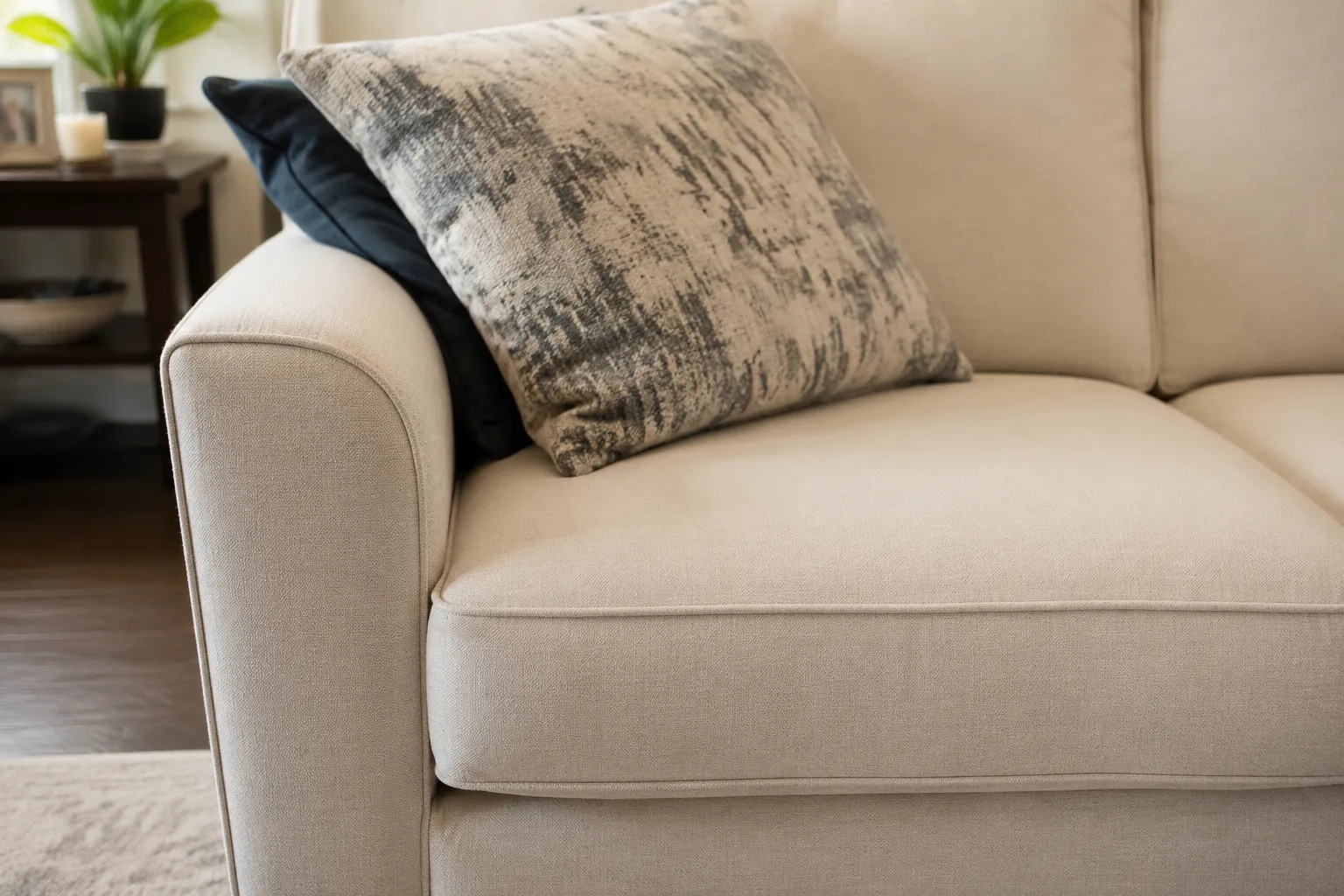
Request: Needed to remove old stains and refresh the light-colored sofa fabric in the living room.
Done: Deep dry cleaning performed using an extractor and fabric stain remover.
Cost: from 15,000 ₸
Master: Aigul Sadykova, Dry Cleaning Master
Total: Sofa completely cleaned, stains removed, color even and bright.
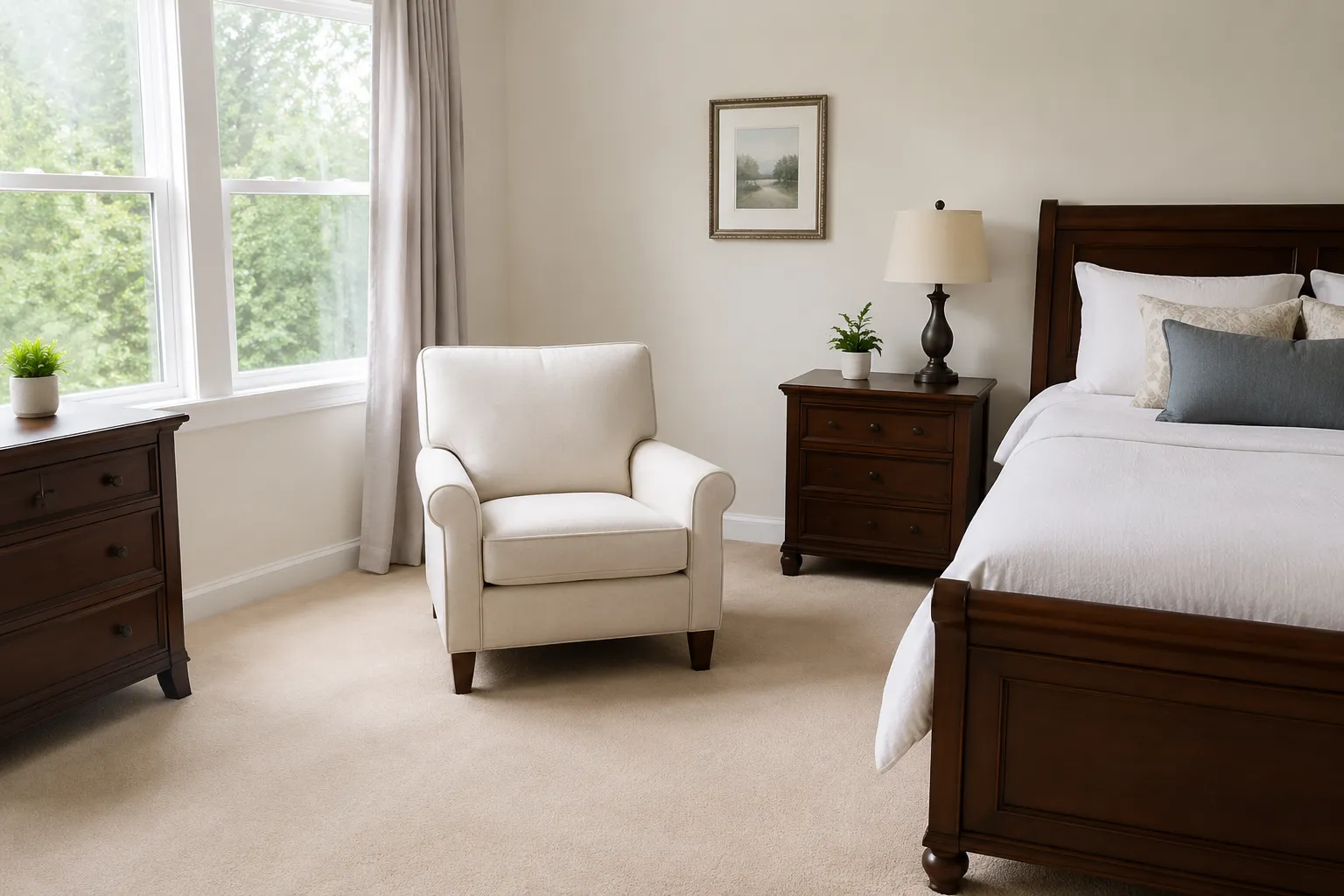 After
After
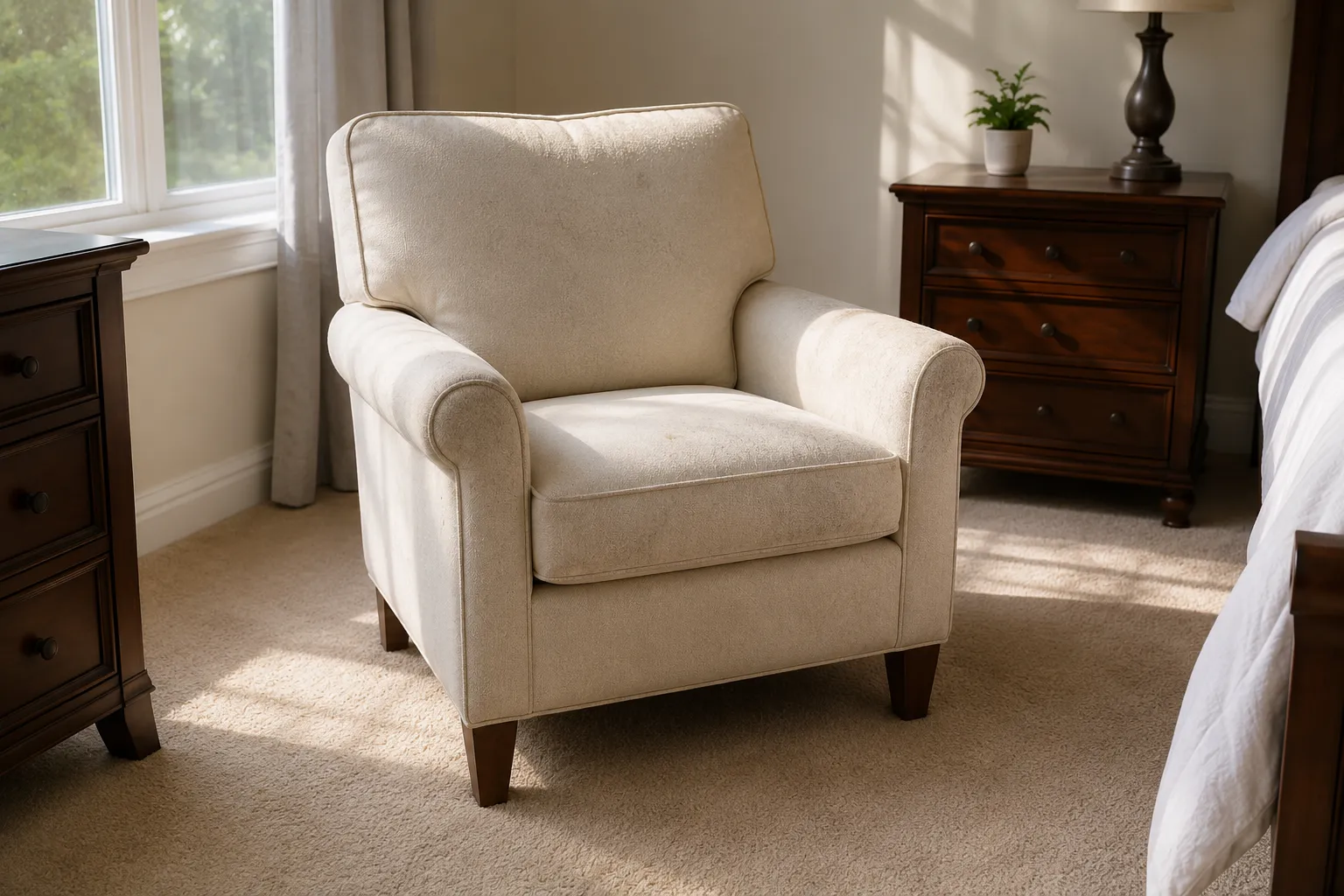
Request: Client asked to remove stains and dust from the armchair in the bedroom.
Done: Dry cleaning of the armchair performed using a carpet cleaner and protective impregnation.
Cost: from 8,000 ₸
Master: Yerlan Kaliyev, Dry Cleaning Master
Total: Armchair clean, stain-free, nap fluffed, color refreshed.
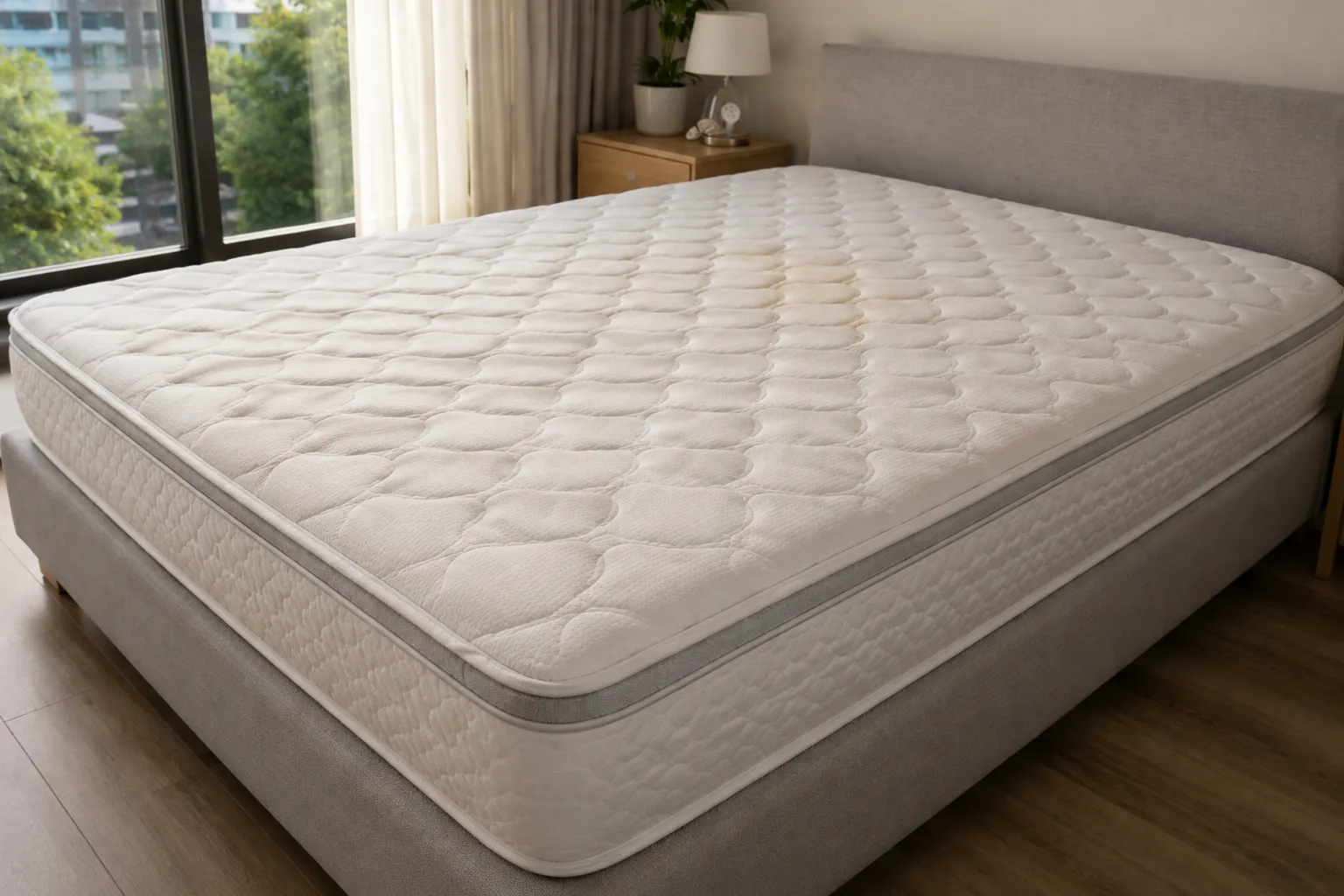
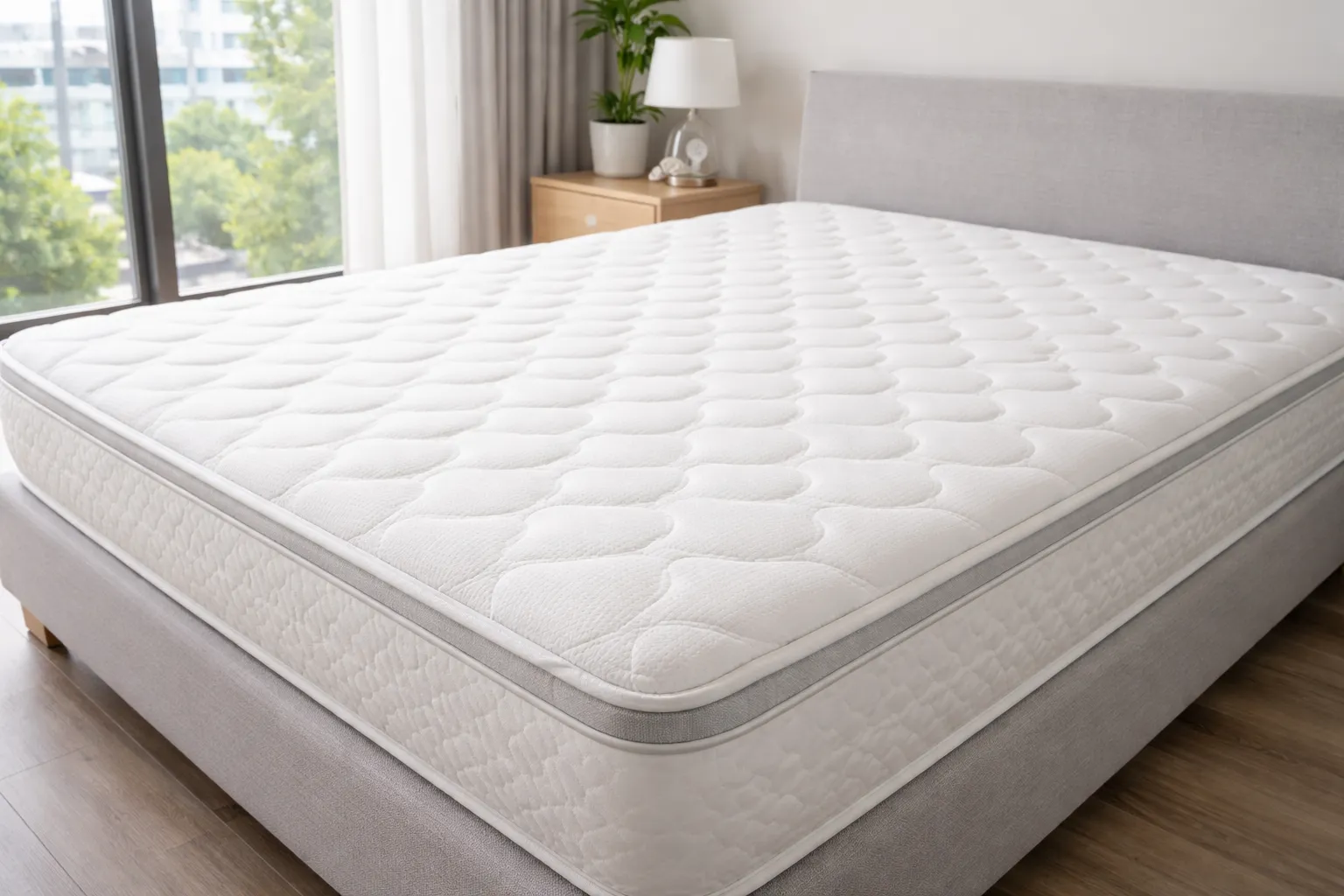 After
After
Request: Needed to remove yellow stains and odor from the mattress in the bedroom.
Done: Deep mattress cleaning performed using an enzymatic stain remover and ozonation.
Cost: from 10,000 ₸
Master: Gulnara Bektasova, Dry Cleaning Master
Total: Mattress clean, stains removed, odor eliminated, surface dry.
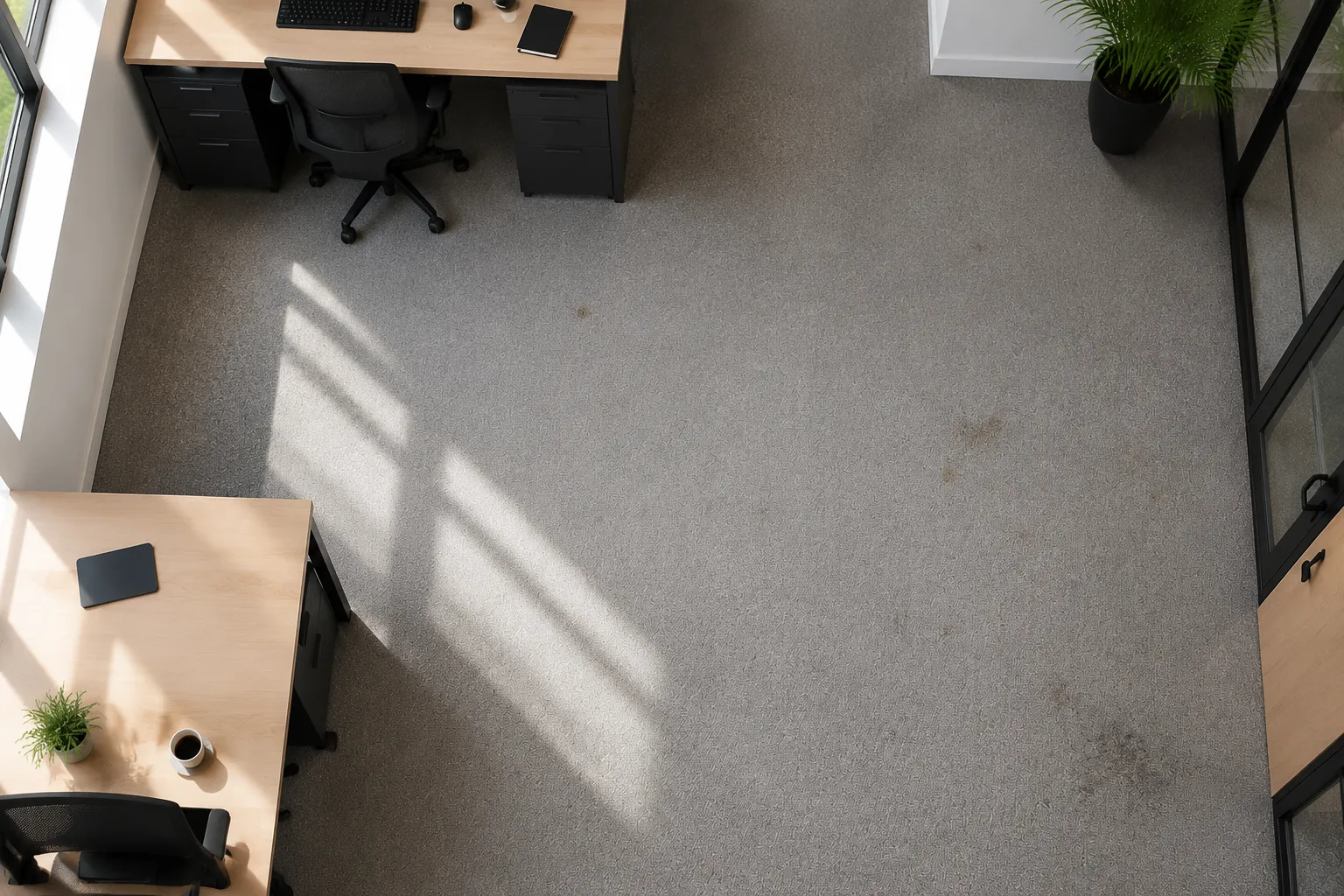
 After
After
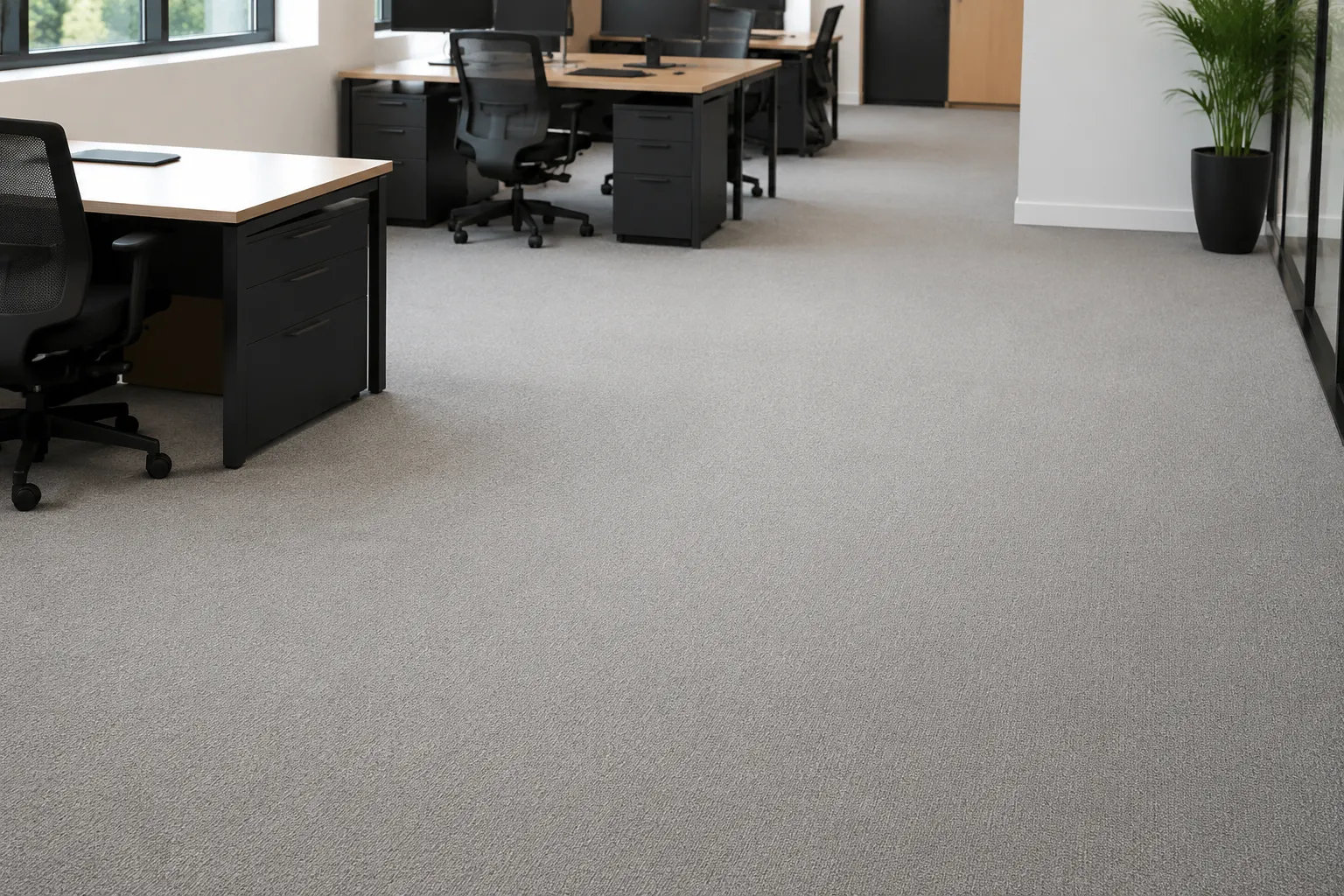
Request: The client asked to clean the office carpet from stains, dirt, and embedded dust.
Done: Deep chemical cleaning of the carpet performed with an extractor, embedded dirt and dust removed.
Cost: from 7,000 ₸
Master: Askhat Muratov, dry cleaning master
Total: Carpet fully cleaned, pile lifted, color even and saturated.
 After
After
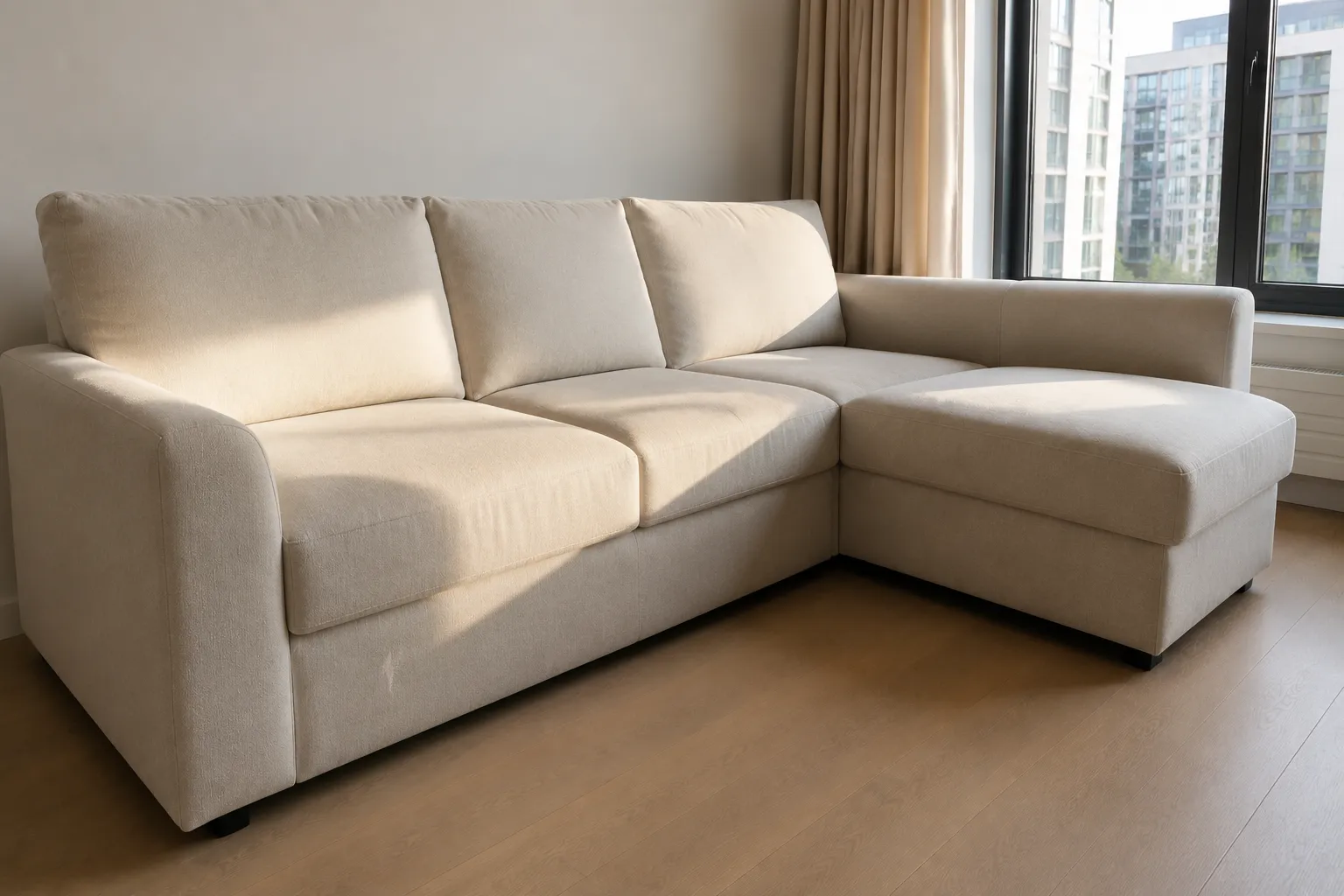
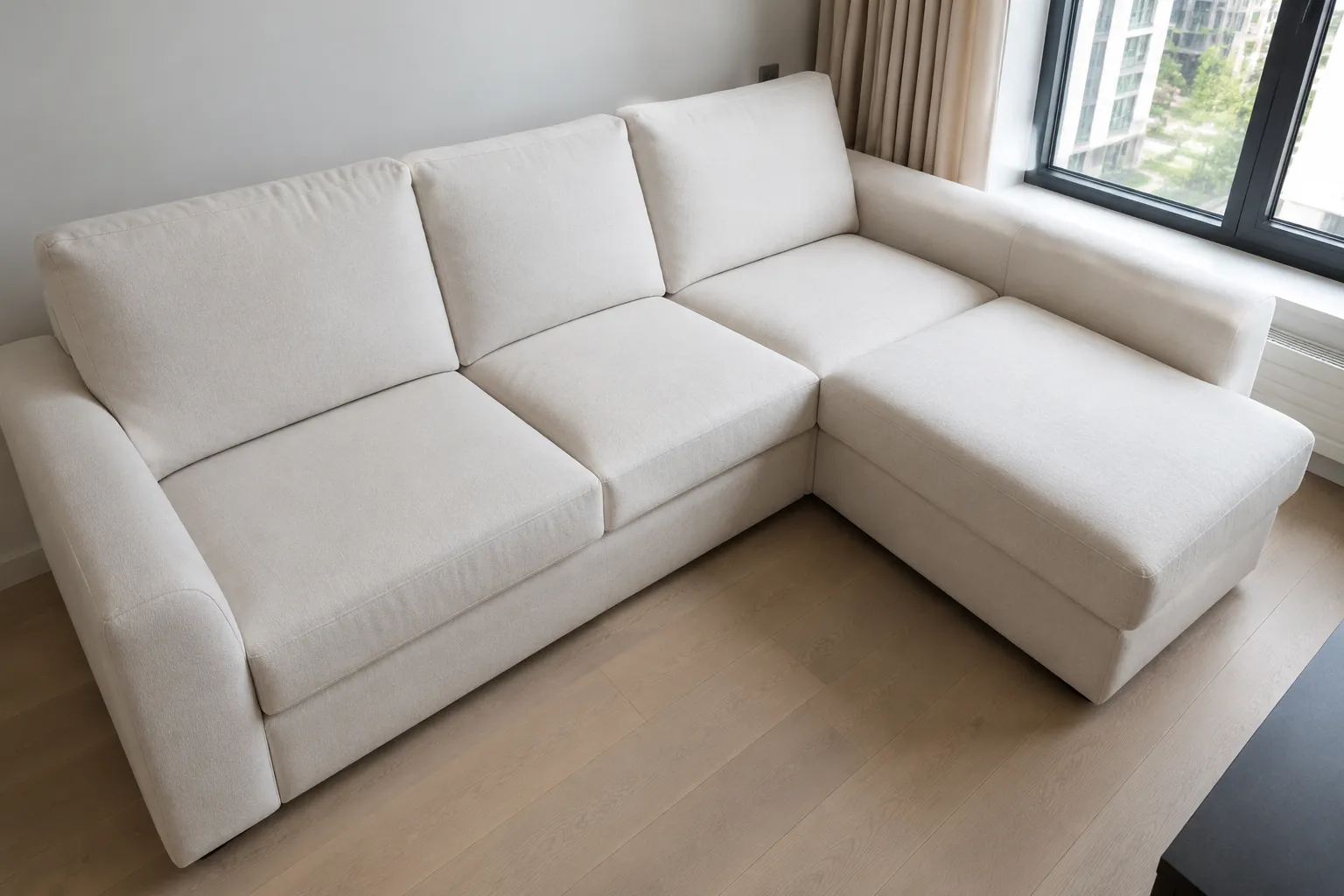
Request: The client asked to remove old stains and refresh the light-colored corner sofa in the living room.
Done: Deep chemical cleaning of the corner sofa performed with an extractor and protective impregnation of the fabric.
Cost: from 18,000 ₸
Master: Dauren Akhmetov, dry cleaning master
Total: Corner sofa fully cleaned, stains removed, fabric fresh and soft.
 After
After
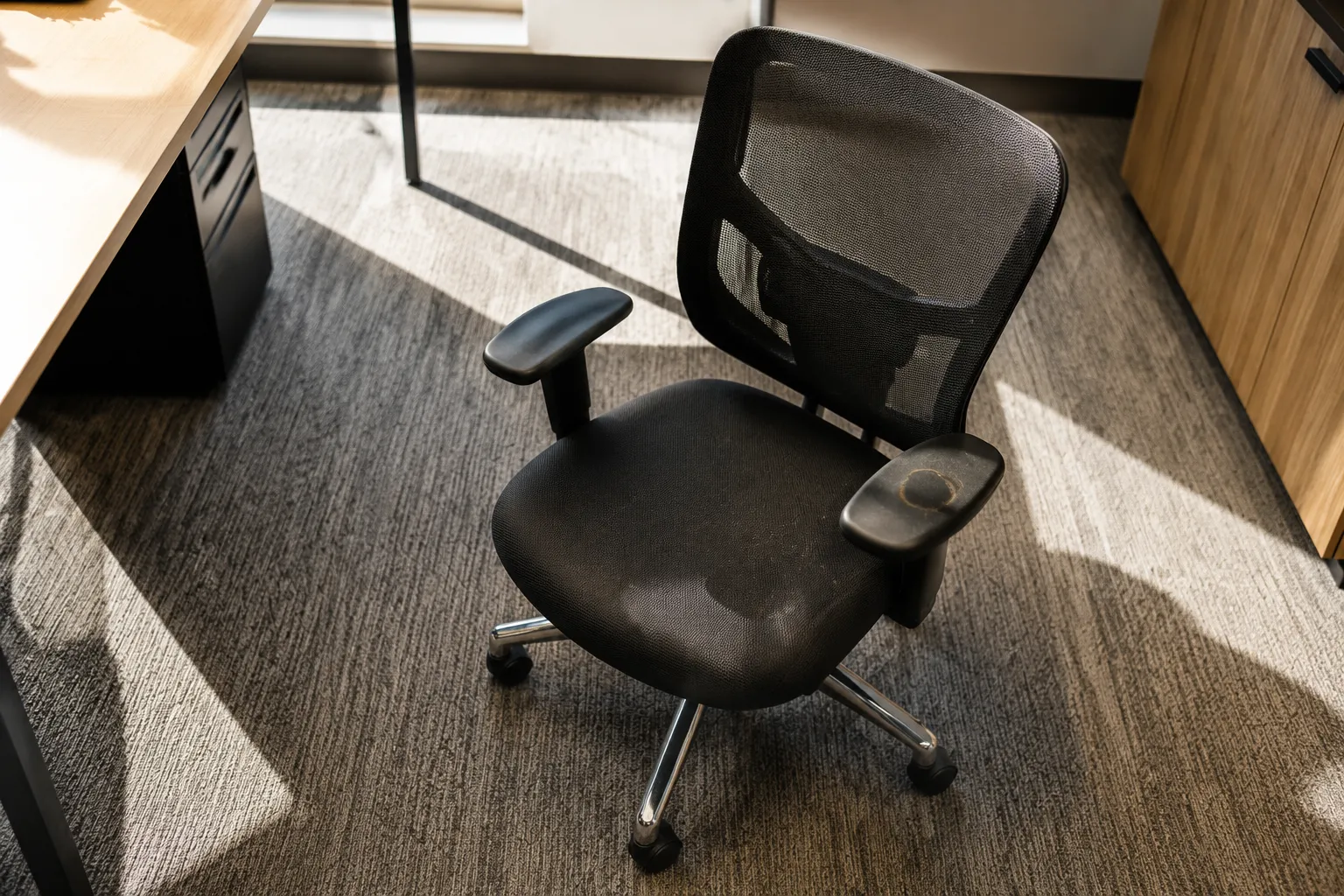
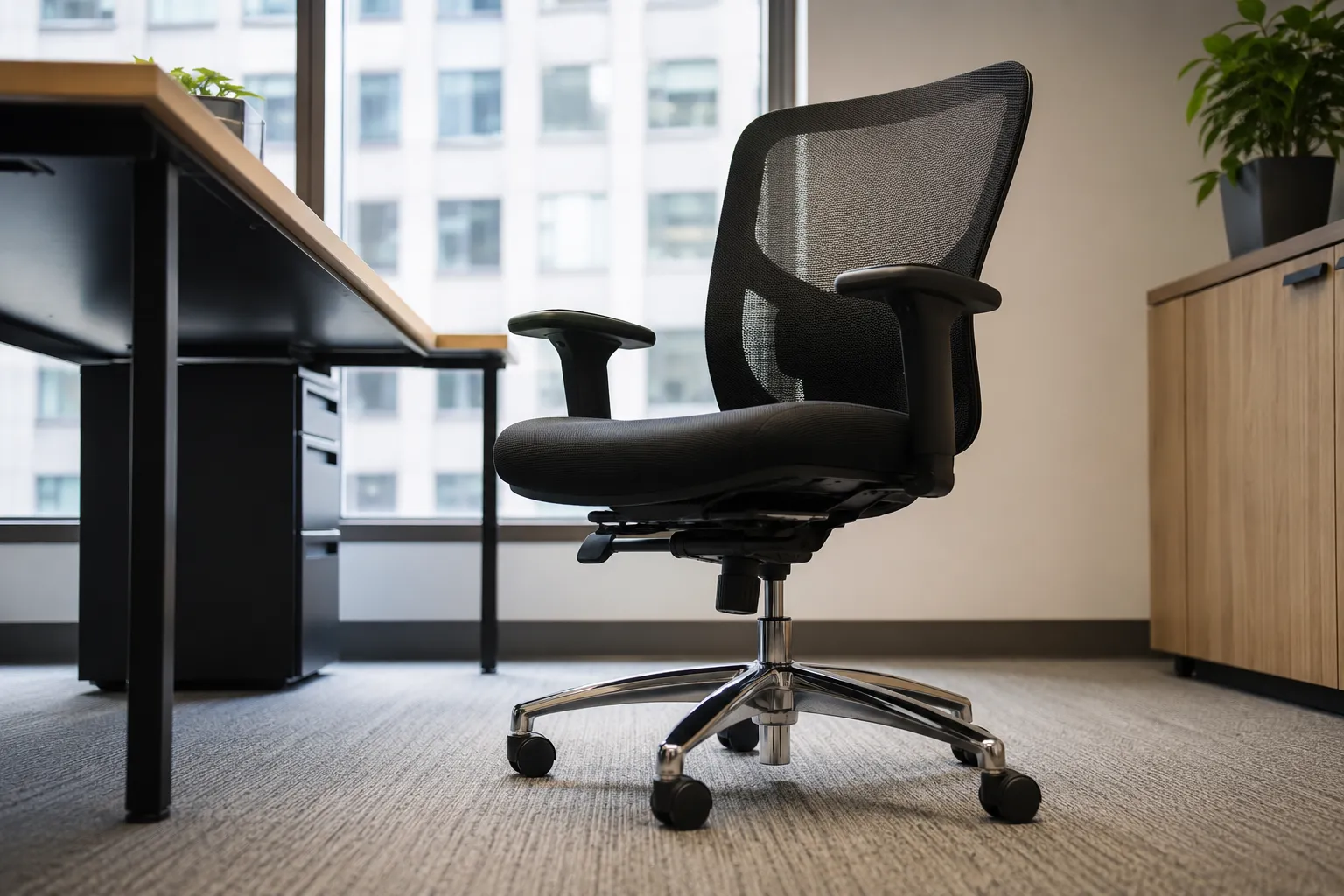
Request: Required to remove coffee stains and general dirt from an employee's office chair.
Done: Chair cleaned with stain remover and a washing vacuum cleaner, upholstery fully refreshed.
Cost: from 6,000 ₸
Master: Svetlana Ibraeva, dry cleaning master
Total: Office chair clean, coffee stains removed, upholstery fresh and pleasant to the touch.
 After
After
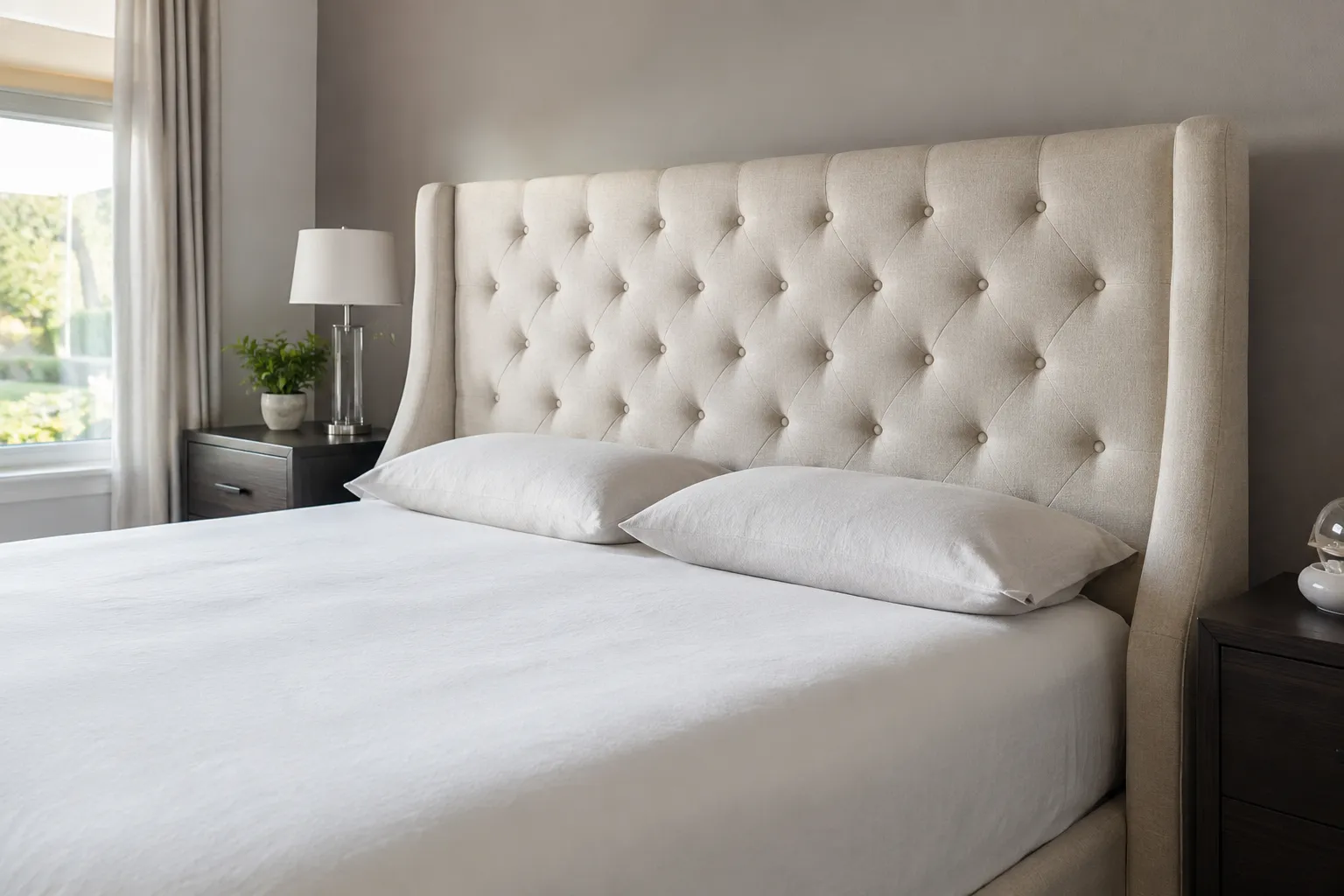
Request: Required to remove construction dust and stains from a new couch.
Done: Deep chemical cleaning of the couch performed using a carpet cleaner and stain remover.
Cost: from 12,000 ₸
Master: Marat Nurpeisov, cleaning master
Total: Couch is clean, dust-free and stain-free, fabric looks like new.
 After
After
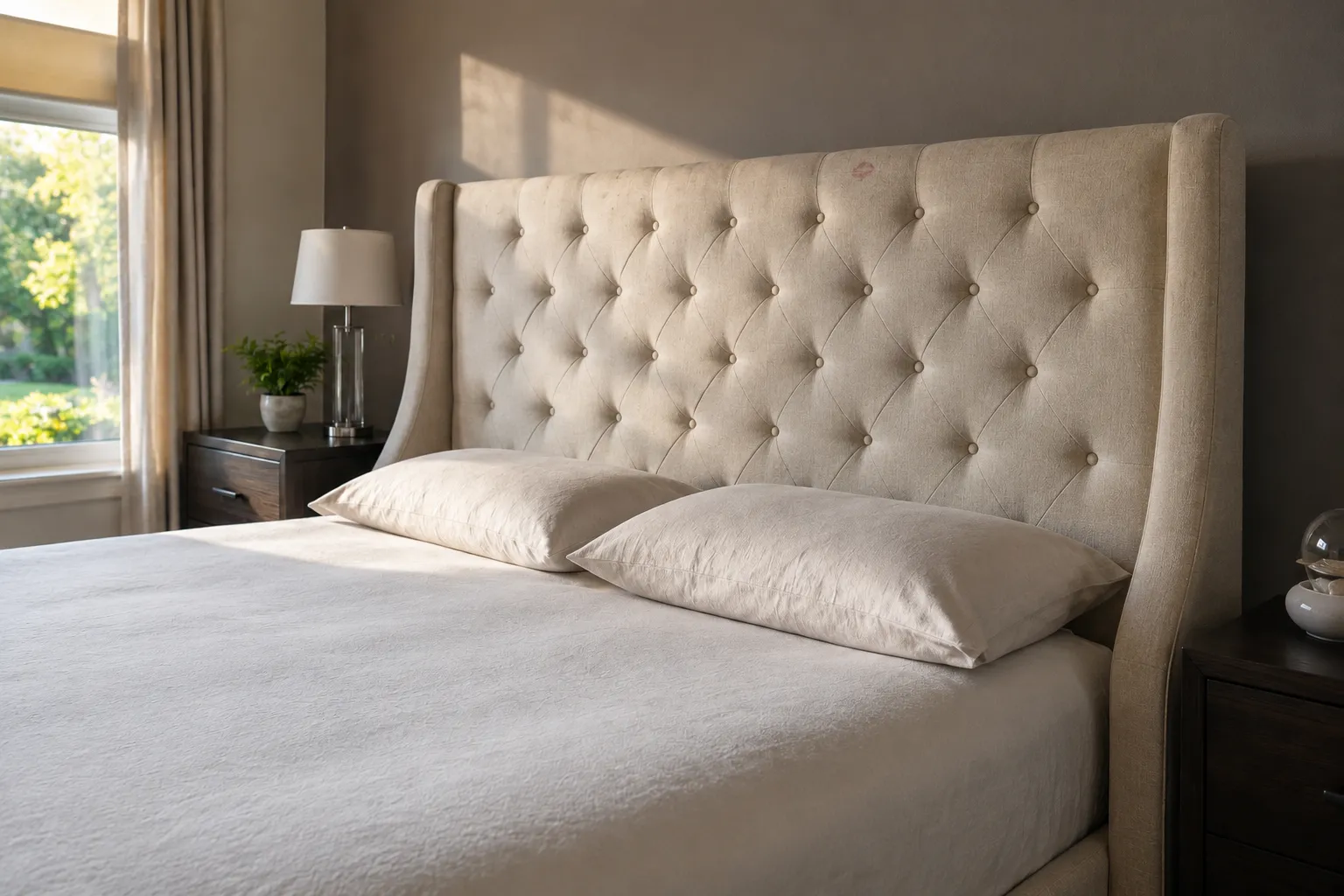
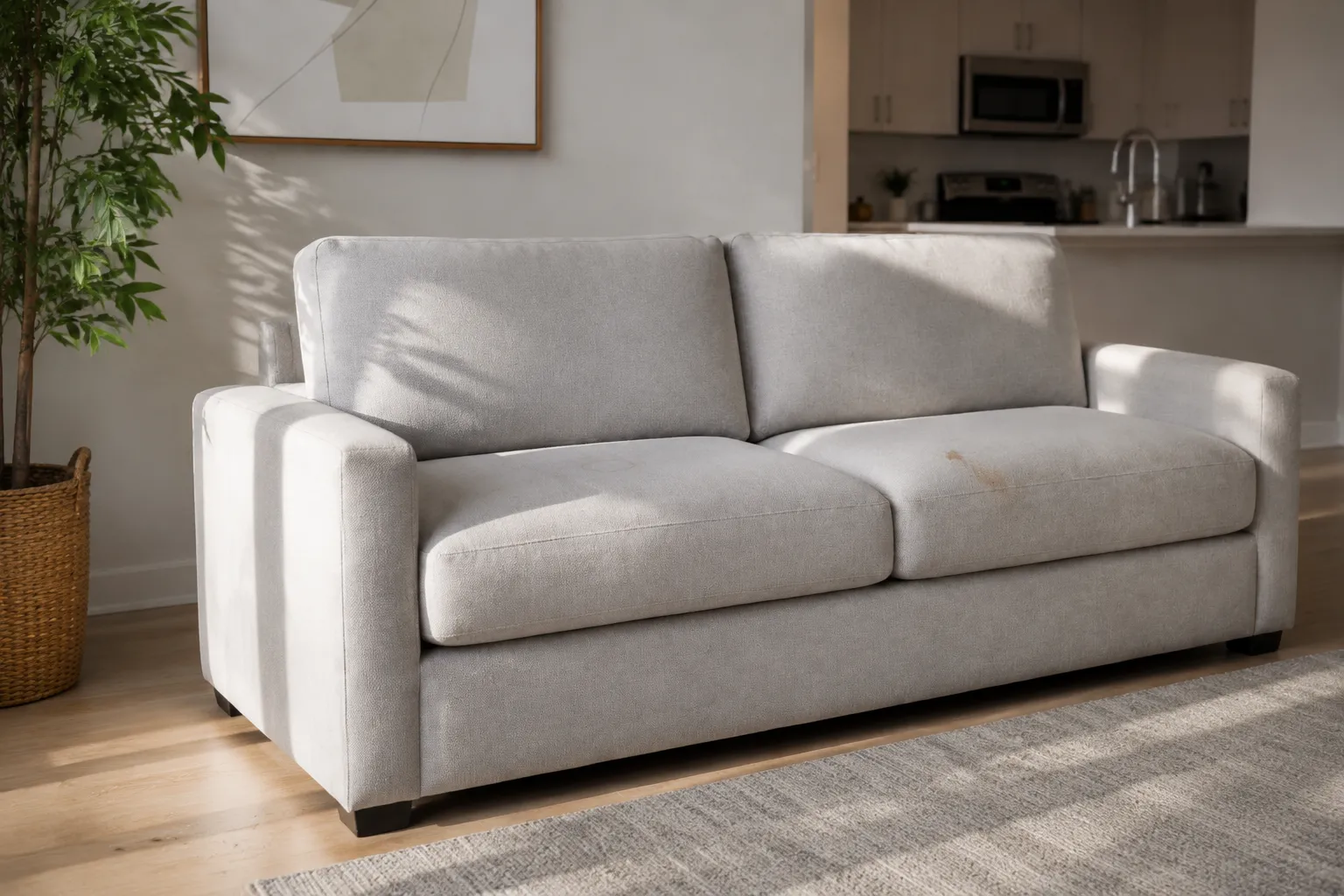
Request: Client asked to clean the soft fabric headboard from settled dust and stains.
Done: Gentle chemical cleaning of the headboard performed with an extractor and soft protective fabric treatment.
Cost: from 9,000 ₸
Master: Aizhan Zhumabayeva, cleaning master
Total: Headboard fully cleaned, stains removed, fabric fresh and pleasant to touch.
 After
After
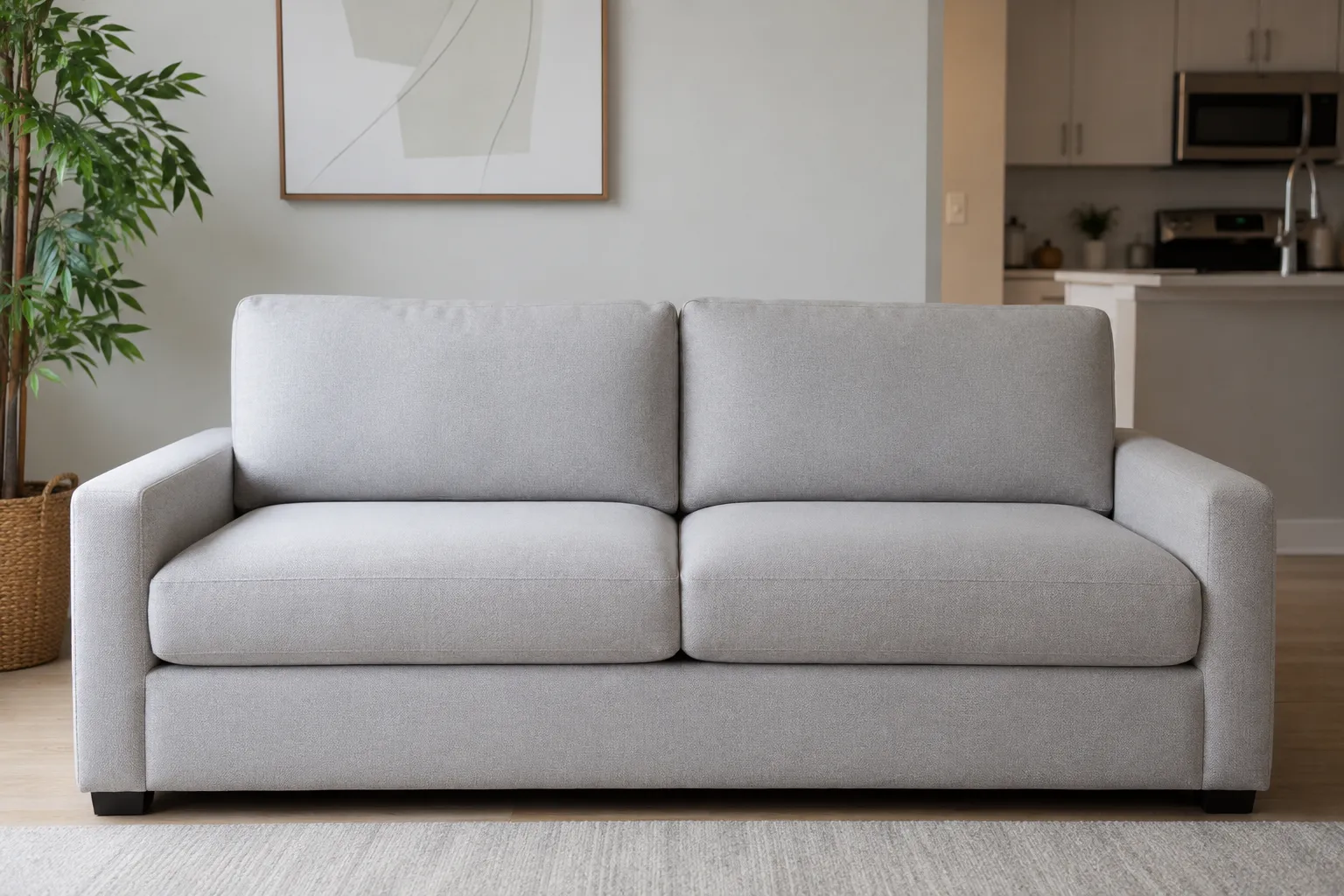
Request: Required to remove stains and refresh the gray two-seater sofa in the apartment living room.
Done: Chemical cleaning of the sofa performed with an extractor: all stains removed, upholstery refreshed and treated.
Cost: from 12,000 ₸
Master: Nurzhan Aliyev, cleaning master
Total: Sofa completely clean, stains removed, fabric soft and uniformly clean in color.
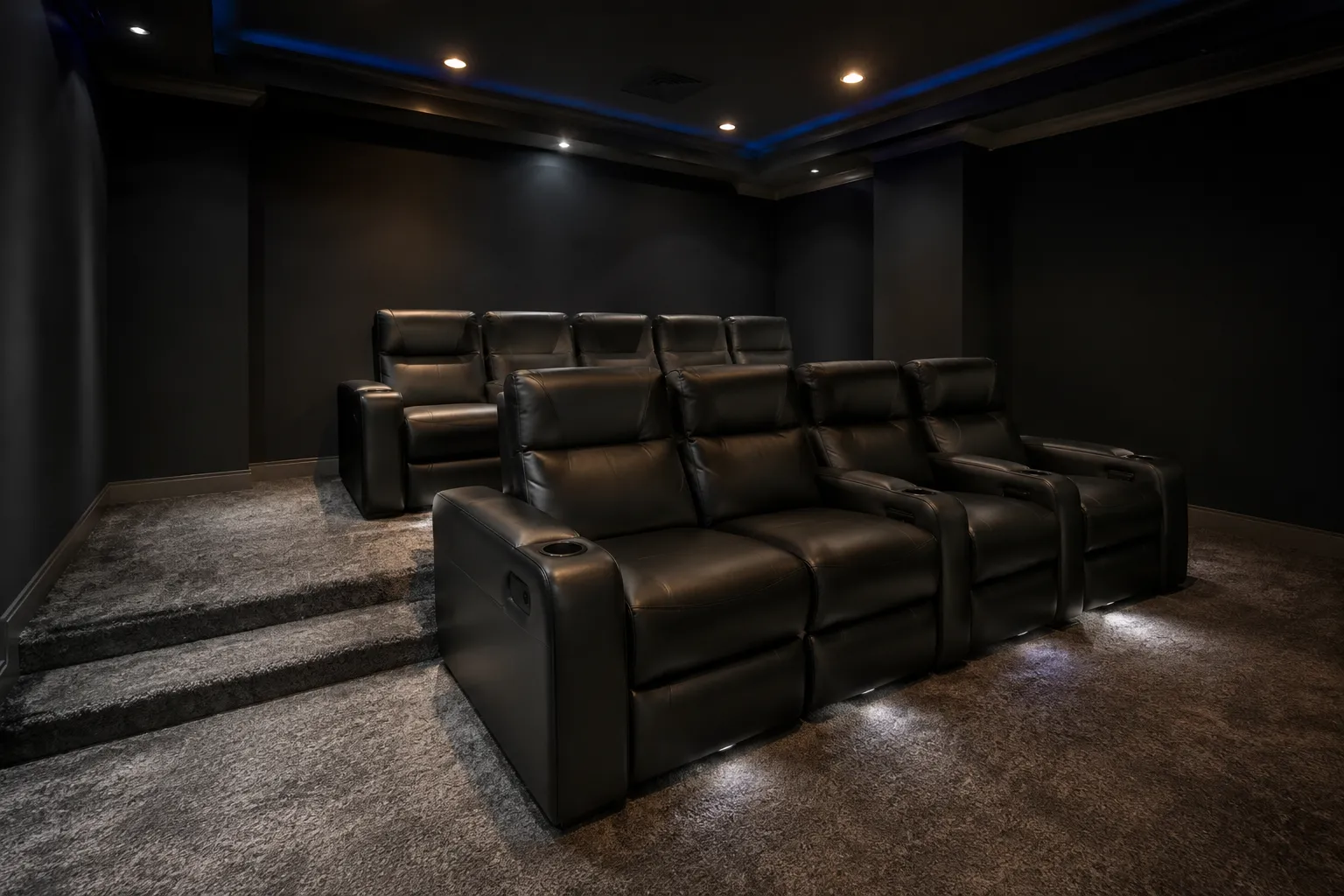 After
After
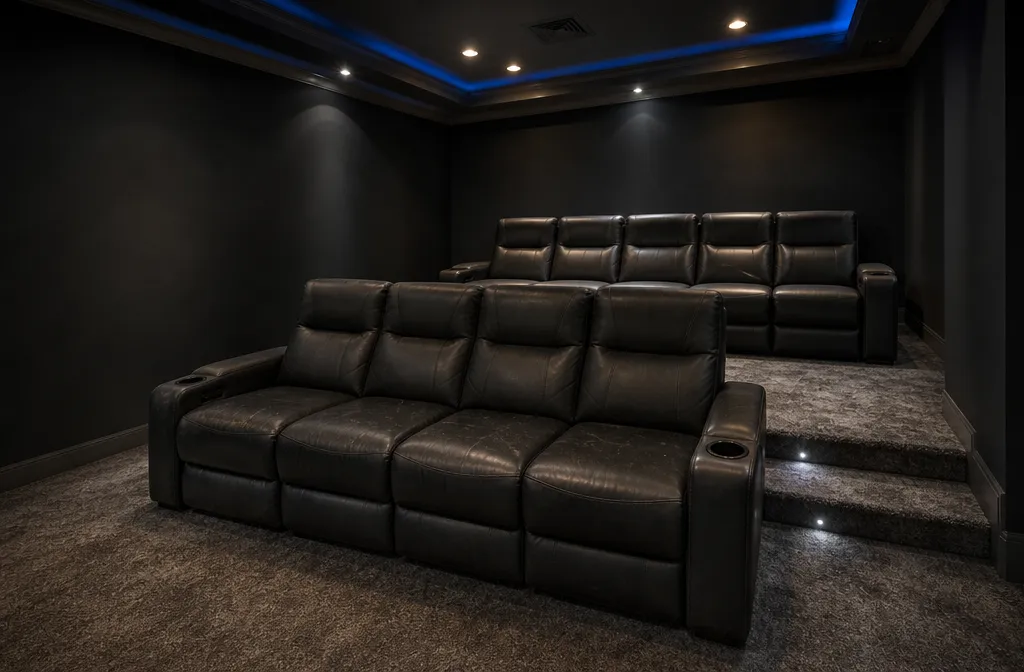
Request: The client asked to clean leather sofas in the home theater from stains and scuffs.
Done: Leather cleaning performed with a special conditioning compound and final leather protection.
Cost: from 16,000 ₸
Master: Aliya Smagulova, dry cleaning master
Total: Leather cleaned, stains removed, surface refreshed, evened out, and reliably protected.
All cleaners are profi-clean staff with training, uniform and security check. Each order has a team leader who controls quality.
At profi-clean, we use professional hypoallergenic chemicals — the Kiehl and Sodasan lines — which leave no toxic residue after cleaning. In my opinion, it is the choice of agents that distinguishes a result that lasts for weeks from a superficial “freshening up” that fades in a couple of days. Let’s break down why we settled on these brands and how we select chemicals for specific types of upholstery and soiling.
Kiehl (France) and Sodasan (Germany): both brands are certified according to European eco-standards (ECARF for Kiehl, Ecocert for Sodasan) — this means the products contain no phosphates, chlorine, formaldehyde, or synthetic fragrances. Household chemicals from the supermarket: they work due to aggressive surfactants that wash out color and destroy the fabric structure — on velvet, such cleaning leaves streaks; on chenille, it causes stiffness. Professional concentrates: they are diluted in a precise ratio (usually 1:100–1:200), providing a controlled pH environment — for wool upholstery (e.g., wool bouclé), a neutral pH of 7 is needed; for synthetic fibers, a slightly alkaline pH of 8–9. We had a case in our orders: a client treated a microfiber sofa with store-bought “Vanish” — a month later, yellow stains from unrinsed surfactants appeared on the light areas. Kiehl for microfiber (the “Sensitive” series) is 98% rinsed out in a single extraction rinse cycle, with a residue of less than 0.5 g per m². Before ordering dry cleaning, check with the technician whether they tested the product on an inconspicuous area of the upholstery — on silk and acetate, some enzyme stain removers can cause a reaction, and the manufacturer will not compensate for the damage.
Protein-based stains (blood, milk, urine): we use enzyme-based products from the Kiehl “Enzymatic” series — they break down protein into amino acids, which are easily rinsed away with cold water (hot water “cooks” the protein, setting the stain permanently). Grease-based stains (food residue, sebum): we use alkaline pre-sprays from Sodasan “Universal” with a pH of 10–11 — they emulsify the grease, which is then removed by the extractor without abrasives (no brushes that “smear” the stain). Combined stains (coffee with cream, sauces): we apply a two-phase solution — first an enzyme on the protein part, after 10 minutes an alkaline pre-spray on the grease part, then extraction at 80°C water supply. In practice, this achieves 95% removal of complex stains on the first pass, compared to 60% for universal products. If the stain is older than two weeks — tell the operator when ordering: for aged grease marks, we add Solvaline (an organic citrus-based solvent) to the pre-spray, which penetrates deep into the fiber in 15 minutes but requires an additional rinse to avoid leaving a sticky film.
In Almaty, due to smog and poplar blooming (May–June), the concentration of allergens in household dust is 2–3 times higher than the average for Kazakhstan — this is based on data from our measurements in 120 apartments last season. Regular products with fragrances (lavender, lemon, “ocean breeze”): they mask the odor but do not remove allergens — moreover, synthetic fragrances (limonene, linalool) themselves are triggers for 15–20% of people with asthma. Our protocol: first, extraction with a hypoallergenic Kiehl pre-spray (fragrance-free, labeled “fragrance-free”), then a final rinse with water containing Sodasan “Anti-Allergen” — this concentrate neutralizes dust mite proteins and pollen, reducing the allergen load by 97% (according to tests by the German Hohenstein Institute). For families with children under 3 years old or with a diagnosed allergy, we recommend ordering dry cleaning every 4–6 months, rather than once a year — over this period, up to 2 g of dust per m² accumulates in the upholstery, and even hypoallergenic chemicals will not restore the original cleanliness without professional extraction.
profi-clean extractors with H13 HEPA filtration: capture 99.97% of particles as small as 0.3 microns — meaning dust mites (200–300 microns), mold spores (2–10 microns), and bacteria (0.5–5 microns) stay in the tank instead of being blown back into the air. Household steam cleaners (Karcher, Polti): heat steam to 140°C but lack a closed-loop “water supply → dirt extraction” cycle — they simply blow dirt deeper into the upholstery, creating an illusion of cleanliness. Our technology: solution injection at 7 bar pressure, a 5–10 minute dwell time (enzyme activation period), and extraction with a W vacuum — up to 90% of the injected liquid, along with dissolved dirt, is removed into the tank. Residual upholstery moisture is 8–12%, preventing mold growth inside the sofa (mold develops at humidity above 20% sustained for over 24 hours). Humidity in Almaty apartments drops to 20–25% in winter due to central heating — after dry cleaning with an extractor, furniture dries in 2–3 hours, not a full day like after manual foam cleaning, so you can sit on the sofa the same evening without the risk of getting cold or wet clothes.
Using “home remedy” products (baking soda, vinegar, citric acid): baking soda is an abrasive with a Mohs hardness of 2.5, scratching velvet and flock fibers, making them look dull; acetic acid (pH 2–3) degrades seams on polyester threads — after 2–3 such cleanings, the sofa starts to “shed” along the seams. Using chlorine-based bleaches (Belizna, Domestos): chlorine reacts with the fabric’s optical brighteners, and after 2–3 weeks, yellow spots appear in sunlight — this is an irreversible chemical reaction that cannot be bleached out. Buying “professional” products from marketplaces (Kaspi, Ozon): counterfeits in original packaging are common — we tested 5 Kiehl samples from Kaspi, and 3 had a pH of 12 instead of the stated 8, equivalent to cleaning with laundry detergent. If you have already treated a stain with a home remedy — do not try to rinse it with water before the technician arrives: tell the operator what you used and when — we use a buffer solution to neutralize the alkali or acid, stabilizing the fiber’s pH before the main cleaning; otherwise, the stain may become permanently set.
The frequency of upholstery cleaning depends on usage intensity, household composition, and fabric type. At profi-clean, we see there’s no one-size-fits-all schedule, but there are proven intervals for different scenarios — ranging from every six months to once every three years.
On a sofa where a family spends 4–6 hours each evening, up to 3–5 kg of dust, dead skin cells, and micro-particles from outside accumulate per year. We recommend professional cleaning every 6–8 months for heavy use and homes with pets — pet hair gets embedded in the padding, creating an environment for dust mites. In children’s rooms, where furniture also comes into contact with food and paints, the interval shortens to 4–5 months. Our cleaners use extraction cleaning with HEPA filtration, which removes allergens from deep within the fabric — this is especially important if there is a child under 3 or an allergy sufferer in the family. Additionally, pillows and armrests should be treated monthly with a steam cleaner to remove surface dirt.
If upholstered furniture is used 1–2 times a week, professional cleaning is needed every 12–18 months. In practice, in Almaty, where dust levels are higher due to proximity to desert areas and construction, we advise not exceeding 15 months even for rarely used armchairs. The main threat to such furniture is the settling of fine PM2.5 dust, which is invisible to the eye but degrades fabric fibers and causes wear on armrests. In our experience, we had a case: a client cleaned a bedroom armchair once every 2 years, and by year 5, the seat upholstery was worn down to the base — requiring reupholstery. Regular annual cleaning extends fabric life by 2–3 times because dust acts as an abrasive with every contact with clothing.
In offices with a footfall of 10-15 people per day, dry cleaning of armchairs and sofas should be carried out once every 3-4 months. In just 3 months, soft furniture in meeting rooms accumulates as much dirt as a home sofa does in a year — due to constant contact with outdoor clothing, cosmetics, and food residue from coffee breaks. Moreover, office fabric (usually flock or microfiber) absorbs oils from hands on the armrests, which, after six months without cleaning, leads to irreversible greasy stains. For offices, profi-clean offers a subscription for quarterly cleaning with a discount of от 9 000 ₸ per unit — this is cheaper than replacing the upholstery after 2 years of use. We recommend additionally treating the armrests with an antistatic agent after each cleaning to slow down dust settling.
If a dog or cat lives in the house, dry cleaning of upholstered furniture should be done once every 3-4 months. Animal hair and dander penetrate the padding to a depth of 3-5 cm, and regular wet cleaning cannot reach them — only extraction cleaning with a turbo brush can knock them out of the fibers. In Almaty, where animals spend more time indoors during the cold season, the concentration of allergens on the sofa increases 2-3 times by February-March. We use hypoallergenic Kiehl chemicals that neutralize odors at the molecular level, rather than masking them with fragrances — this is important if any household member is allergic to fur. Additionally, the sofa should be vacuumed once a week with a turbo brush attachment to reduce the strain on the fabric between professional cleanings.
Even if less than the recommended period has passed, there are visual and tactile markers indicating that dry cleaning is urgently needed. First, the fabric stops repelling water: a drop is absorbed in 2-3 seconds instead of 10-15, as on new upholstery. Second, a “greasy” sheen appears on the armrests and seats, which cannot be removed with a damp sponge. Third, after sitting on the sofa, a musty smell lingers in the room, especially in Almaty during spring and autumn when humidity is high. Fourth, the furniture starts to “dust”: when you pat a cushion, a cloud of dust rises into the air. If you notice at least one of these signs, do not wait for the scheduled date — order dry cleaning within a week, because with each passing day, dust and grease embed deeper into the fibers, and by 3-4 years, the upholstery may require replacement.
In the climatic conditions of Almaty, we advise tying upholstered furniture dry cleaning to the change of seasons. The optimal windows are April-May and September-October, when there is no extreme heat or frost, and furniture dries faster (6-8 hours versus 10-12 in winter). Spring cleaning removes dust accumulated over the winter when windows are closed and ventilation is minimal — according to our measurements, the concentration of PM2.5 in Almaty apartments in winter is 1.5 times higher than in summer. Autumn cleaning prepares furniture for the heating season, when the dry air from radiators lifts dust from the deep layers of fabric. In our schedule for September, 70% of orders are for dry cleaning of sofas and armchairs before the start of the heating season. When ordering during these months, drying time is minimal, and the furniture can be used by the evening of the same day.
Leather and suede are finicky materials: they are easily ruined by the wrong product or an overly aggressive brush. In our practice, approximately every fifth service call is for correcting the consequences of DIY cleaning, where a sofa or armchair has lost its color, become stained, or hardened. I’ll explain how we work with these materials and what you definitely should not do.
Leather is a dense but porous material that fears moisture and alkalis, while suede is napped, sensitive to friction and UV light. We treat leather surfaces with pH-neutral foam compounds using minimal water — excess moisture penetrates the base and causes delamination or cracks. We clean suede exclusively with dry foam followed by steam treatment at 110 °C: the nap straightens, and dirt is removed without streaks. The brush for leather is soft microfiber or a silicone scraper; for suede, a special brass brush with sparse teeth that lifts the nap without flattening it. A common mistake is using the same brush for both materials: leather will get scratched, and suede will become shiny. Before cleaning any leather surface, we test the product on an inconspicuous area (usually the back panel or bottom edge) — this rule prevents surprises with the dye.
The most frequent mistake is using wet wipes or dishwashing detergents. Wet wipes contain alcohol and fragrances that wash off the protective layer of leather — after two or three such “cleanings,” the sofa starts to crack. Dishwashing products (Fairy, AOS) are aggressive surfactants that leach out fat impregnations, leaving the leather dry as paper. The second common story is cleaning suede with soapy water: after drying, hard whitish streaks remain, which can only be removed with professional stain remover. The third mistake is rubbing suede in circular motions: the nap clumps together, forming unsightly bald patches. We always clean suede along the nap, in one direction, without pressure. In October, we received a corner sofa made of light suede — the owner tried to remove a coffee stain with a damp sponge and ended up with a stain twice as large. We had to remove the top layer of dirt with dry foam and steam it twice before restoring a uniform shade.
After cleaning, we always apply a protective compound — it extends cleanliness by 2–3 times. For leather, we use a water-repellent silicone-based conditioner: it creates an invisible film that repels dust and liquid. For suede, we use an aerosol fluorocarbon spray that doesn’t change color or stick the nap together. Without this protection, leather absorbs sweat and hand grease within a week, and suede absorbs dust that embeds in the nap and can’t be removed with a regular vacuum cleaner. In Almaty, where humidity is high in spring and autumn, suede without impregnation can develop mold — especially on sofas near windows or on glazed loggias. Our cleaners apply protection in two layers with a 20-minute drying time and recommend repeating the treatment every 6–8 months. If the furniture is in direct sunlight, the interval is reduced to 4 months — UV light destroys the protective film faster.
| Situation | Leather surface | Suede surface |
|---|---|---|
| Spilled water or juice | Blot with a dry cloth without rubbing — do not wipe, or the stain will spread | Blot immediately, then sprinkle with starch or talc — it will absorb the moisture |
| Grease stain (oil, cream) | Sprinkle with starch for 15 minutes, then brush off with a soft brush — the oil will absorb into the powder | Do not sprinkle — the grease will penetrate deeper. Only professional degreasing stain remover |
| Coffee or tea | Blot immediately, then wipe with a damp microfiber cloth — if not dried, it will disappear without a trace | Blot without spreading. After drying — clean with dry foam. Water will make it worse |
| Red wine | Blot, then apply 3% hydrogen peroxide on a cotton pad for 30 seconds — it will bleach the pigment | Only professional dry cleaning within 2 hours — after drying, the stain sets |
| Ballpoint pen | Wipe with medical alcohol on a cotton swab — the ink will dissolve | Do not touch with alcohol — it will blur the suede dye. Requires steam treatment and stain remover |
Not all leather is the same: aniline (dyed through) absorbs moisture like a sponge, while pigmented (with a protective layer) is more durable but afraid of solvents. Before cleaning, we perform a test: drop a drop of water on an inconspicuous area. If the water absorbs within 1–2 minutes, it is aniline leather, which can only be cleaned with dry foam. If the water beads up and rolls off, it is pigmented leather, and wet cleaning can be used, but without alkali. We test suede for colorfastness: run a damp white cloth over the surface — if any color transfers to the cloth, the dye is unstable, and we use only cold dry foam. In Almaty, there is a lot of furniture made from faux suede (microfiber) on the market — it withstands wet cleaning but is afraid of high steam temperatures. If the client doesn’t know the exact material, we go out for a diagnosis: take a sample from the underside of the seat and test it by burning — synthetics melt, natural suede chars.
Urine odor is one of the most difficult to completely remove because it embeds itself into the structure of the filling at a molecular level. Regular foam or household chemicals mask it for a couple of days, and then it returns with renewed strength. At profi-clean, we use enzymatic and oxygen methods to break down urea — the only way to eliminate the cause, not the symptom.
Urine is 95% water, but the remaining 5% consists of urea, uric acid, and urochrome. Uric acid crystallizes in the fabric fibers and filling, and ordinary alkalis (soda, soap) do not dissolve these crystals — they only shift the pH, temporarily neutralizing the odor. When humidity rises (rain, heating), the crystals reactivate. In Almaty apartments with frequent humidity fluctuations due to the sharply continental climate, this is especially noticeable — the sofa smells of urine precisely on humid days. In our practice, there was a case: a client ordered dry cleaning three times from different companies, the smell returned within a week. We treated the sofa with an enzymatic compound with a 40-minute exposure and hot water extraction under pressure — the smell did not return for six months. Before calling a specialist, check: if the furniture smells of ammonia after drying, it is uric acid, and regular shampoo won’t help.
Enzymes (protease, urease, lipase) are biological catalysts that break the peptide bonds of urea and uric acid into ammonia and carbon dioxide. The ammonia evaporates within 15–20 minutes, and carbon dioxide is safe. At profi-clean, we use Bio-Enzymatic Cleaner concentrate from Kiehl — it contains a complex of three enzymes active at pH 7–9 and a temperature of 25–40 °C. We apply the solution with a low-pressure sprayer to avoid blowing the enzymes into the air and leave it for 30–45 minutes — during this time, the enzymes penetrate 5–7 mm into the filling. An important nuance: enzymes only work on a damp surface, so after application, we cover the area with plastic wrap to prevent the solution from drying out prematurely. On synthetic fabrics (microfiber, polyester), the dwell time can be reduced to 20 minutes; on natural ones (cotton, linen), increased to 50. If the urine odor is old (more than a month), the enzymatic treatment is repeated twice with intermediate drying with a hairdryer — otherwise, the crystals deep in the filling will remain untouched.
When enzymes can’t handle set-in stains (urine, vomit, blood, sweat), we use an oxygen bleach based on hydrogen peroxide and TAED activator — it releases active oxygen upon contact with water. Oxygen oxidizes organic compounds into water and carbon dioxide while disinfecting the surface. profi-clean uses Sodasan Oxygen Bleach — it’s chlorine-free and safe for colored fabrics, but requires precise dosing: 10 g per liter of water, no more. Before application, we test colorfastness on an inconspicuous area — on some cheap fabrics (acrylic, polypropylene), oxygen can lighten the color by half a shade. Treatment is carried out at 40–50 °C, with a dwell time of 20 minutes, followed by extraction with a water filter vacuum cleaner. For furniture with foam padding (most modern sofas), the oxygen method is safer than enzymatic — enzymes can sometimes break down the foam structure with prolonged exposure. In Almaty, we most often use oxygen bleaching for light-colored furniture (beige, gray, cream) — biological fluid stains are visible on it even after drying, and regular dry cleaning leaves yellow streaks.
The most effective way to remove urine odor is a two-stage treatment: first, an enzymatic composition breaks down urea, then an oxygen bleach oxidizes residual pigments and deodorizes. We apply this protocol for furniture that has absorbed odor for years — old Soviet sofas with horsehair, soft corner units in hallways, children’s chairs. The gap between stages is at least 2 hours to allow the first composition to dry completely and not mix with the second. Room humidity during combined treatment should not exceed 60% — during the Almaty spring (April–May, average humidity 65–70%), we use a dehumidifier; otherwise, the padding takes 8–10 hours to dry, creating a risk of mold. After final extraction, we apply a cyclodextrin-based odor neutralizer — it “seals” remaining molecules at the molecular level. In our orders, the combined approach achieves 100% urine odor removal on the first try in 92% of cases; the remaining 8% require a third treatment — usually furniture with foam density below 25 kg/m³, where crystals have penetrated 3–4 cm deep.
The most common mistake is using chlorine-based bleaches (Belizna, Domestos). Chlorine reacts with urea to form chloramines — toxic gases that irritate the respiratory tract and permanently embed into the fabric. The second mistake is flooding the stain with water and soap: water pushes urine deeper into the padding, increasing the affected area. The third is drying with a hair dryer on hot mode: temperatures above 50 °C denature urine proteins, turning them into an insoluble crust that neither enzymes nor oxygen can tackle. The fourth is using vinegar essence: vinegar temporarily neutralizes ammonia, but the acid destroys fabric dyes and leaves its own odor, which mixes with urine into a “cocktail.” The fifth mistake is rubbing the stain with a cloth: mechanical friction grinds uric acid crystals into the fibers, making them impossible to wash out even with extraction. If you’ve already tried folk methods and the odor has returned — don’t try to increase the dosage; call a specialist with an extraction vacuum cleaner: they will pull out the remaining chemicals and urea in one cycle.
Even professional chemicals don’t always work on the first try — sometimes the stain has penetrated the fabric’s structure or formed a chemical bond with the dye. We’ve broken down three scenarios where standard cleaning fails and what to do about them.
Heated steam at 4-5 bar pressure softens set-in grease that won’t yield to alkaline solvents in cold water. We use steam generators with steam temperatures of 120–140 °C and a narrow nozzle — targeted application to avoid soaking the entire cushion. After heating the stain (30–40 seconds), we apply Kiehl L90 degreaser based on citrus solvents, let it react for 5 minutes, and remove it with a microfiber cloth. With this method, we remove 80–85% of grease marks older than a year — for example, hand cream oil stains on sofa armrests that didn’t come out after two regular cleanings. For food grease stains (sauces, broths), steam reduces the number of passes from three
We cleaned a large corner sofa after a cat. Urine stains and fur — everything was removed, no smell left. Very satisfied!
We brought a leather armchair that was peeling and cracked. The master cleaned and treated it, now it's like new.
We cleaned a mattress from coffee and sweat stains. Stains almost gone, but one remained faint. Overall good, but could be better.
Sofa bed cleaned from dust and crumbs. Excellent result, even the color became brighter.
10 office chairs cleaned in one day. All tea and dirt stains gone, employees are happy.
We cleaned an upholstered corner in the kitchen. Grease stains were not completely removed, streaks remained. Expected more.
Cleaned a large fluffy carpet from dirt after renovation. Restored whiteness and fluffed up the pile.
Cleaned 4 fabric-upholstered chairs. One chair had a wine stain that didn't come out completely, but the rest are perfect.
Cleaned a child car seat from juice and chocolate. Removed everything, even old stains.
Cleaned 8 decorative pillows from dust and yellowing. They look like new and smell pleasant.
Cleaned the entire living room set: sofa, armchairs, ottoman. Removed dust and stains. The result exceeded expectations.
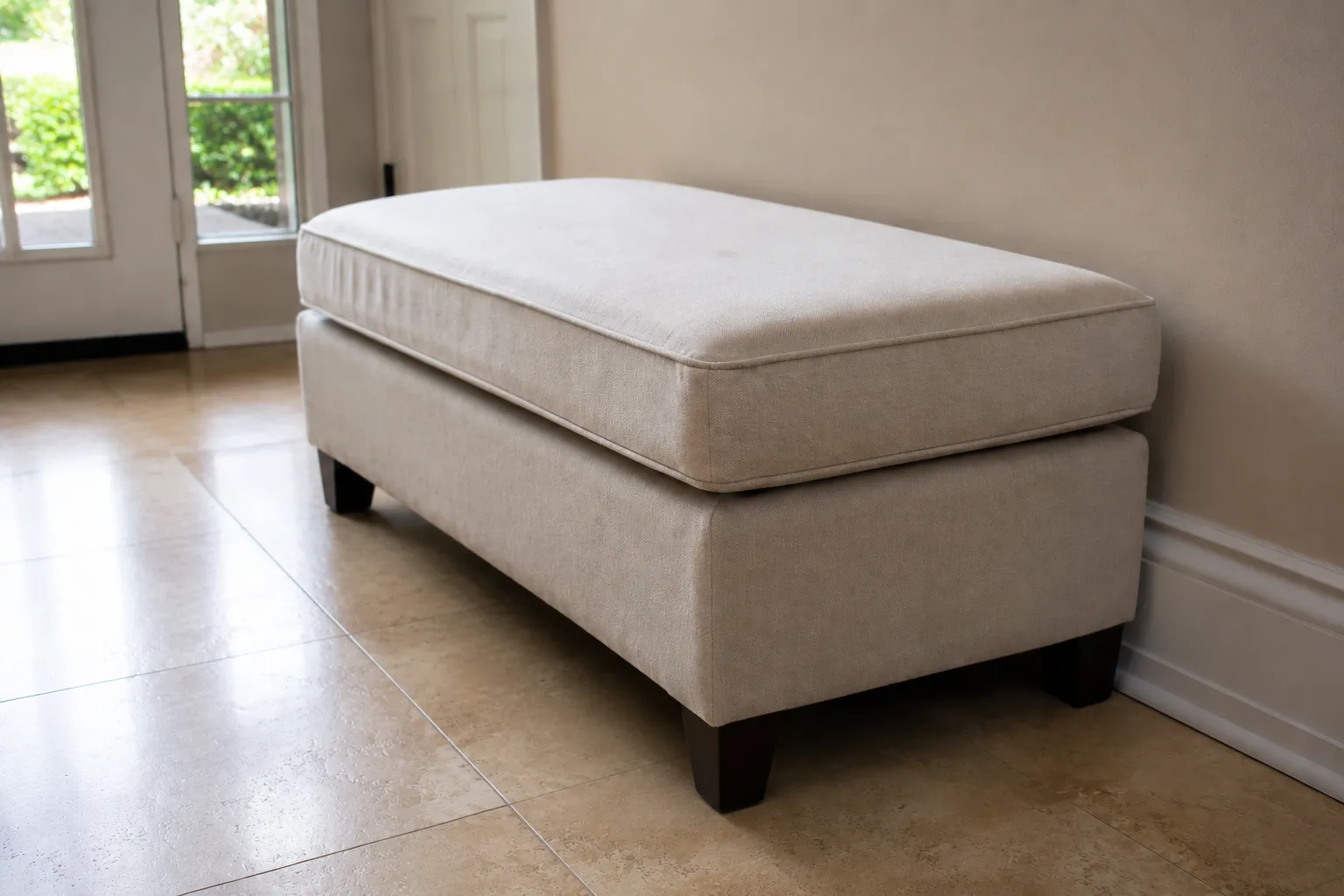
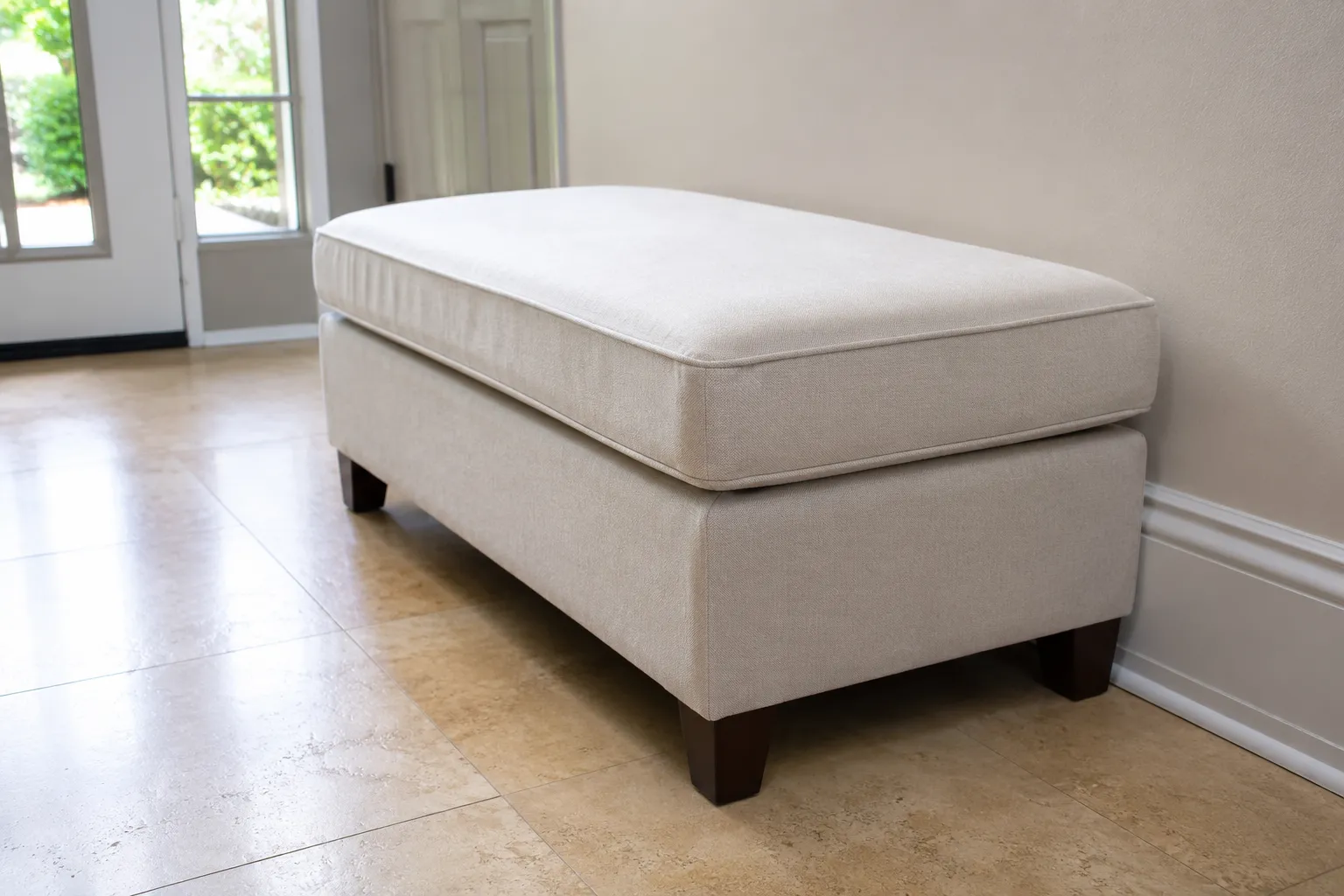
Cleaned a small ottoman from dirt. Fast and high quality, thank you.
Cleaned a sleeper sofa from old furniture smell. The smell is gone, but a slight yellowing remains on the armrest.
Cleaned a child mattress from urine. No stains, no smell. The child sleeps peacefully.
The rug in the hallway was very dirty from shoes. They cleaned it perfectly, even the pattern showed up.
The velvet sofa was cleaned from spilled juice. No stains left, the pile was not damaged.
The rocking chair was cleaned from dust. But after cleaning, the upholstery became a little rough. Not great.
The bed and two bedside chairs were cleaned from dust and stains. Very clean, I recommend.
The sofa in the reception area was cleaned from coffee stains and dirt. It looks like new.
The carpet in the bedroom was cleaned from stains. One paint stain remained, but the rest is clean.
The bench in the hallway was cleaned from dirt. Great, fast.
The microfiber sofa was cleaned from spilled wine. The stain disappeared, the sofa dried quickly.
The large rug in the living room was cleaned from dog hair and dirt. They vacuumed and cleaned it perfectly.
6 chairs were cleaned of stains. One chair not completely, but overall good.
Double mattress cleaned of sweat and dust. It became very fresh, pleasant to sleep on.
Leather sofa cleaned and treated with cream. It shines like new, cracks are gone.
3 blankets cleaned of fur and dust. They became fluffy and clean.
Old sofa at the dacha cleaned of mold and dirt. Mold removed, smell gone.
Long-pile carpet cleaned of dust. Pile fluffed up, colors became brighter.
Corner sofa cleaned of stains. One tea stain remains, but overall clean.
Baby high chair cleaned of porridge and puree. Everything washed off, no traces.
The ottoman bench was cleaned from dirt. Great, like new.
The carpet in the children's room was cleaned from paints and plasticine. Everything was removed, the carpet is like new.
The sofa was cleaned from stains, but after cleaning the fabric became a bit stiff. Not very pleasant.
The car seats were cleaned from dirt and stains. They became clean, the interior transformed.
The single mattress was cleaned from dust and stains. Very satisfied, sleeping comfortably.
The hallway carpet was cleaned from outdoor dirt. It became clean, pleasant to step on.
The sofa was cleaned from stains, but the armrests remained a bit darker. Overall fine.
On average, dry cleaning a sofa takes 1–2 hours, a mattress 40–60 minutes, and a carpet 30–50 minutes. Time depends on size and degree of soiling. Drying takes another 2–4 hours.
Yes, we use hypoallergenic products: Sodasan organic-based and Kiehl with low volatile content. After cleaning and drying, no chemical residues remain. We recommend airing the room for 30 minutes.
Simply remove cushions, throws, and small items. The technician will handle sofa-bed mechanisms. If there are removable covers, it's best to take them off — cleaning is done on-site.
Yes, over 500 reviews on 2GIS and Instagram with a rating of 4.9. Customers praise the quality of stain removal and the politeness of technicians. Before/after examples are available in our profile.
Cash, Kaspi Gold, Halyk Bank, card transfer. Non-cash payment for legal entities with receipt is available.
Yes, we guarantee 100% results. If a stain is not removed, we will treat it again free of charge within 14 days. If removal is impossible, a refund is provided.
Yes, if ordered before 4:00 PM, we come the same day. We work without days off from 8:00 AM to 10:00 PM. Service area includes Almaty and suburbs.
Yes, we clean leather and suede with special Kiehl leather products. We use conditioners to avoid drying out the material. Price is calculated individually.
Yes, we use enzymatic Sodasan products that break down urea. Steam treatment eliminates odor at the molecular level. We recommend additional odor treatment.
We recommend waiting 2–4 hours for complete drying. The technician speeds up drying with fans. Do not sit on wet upholstery to avoid deformation.
Tell us about your experience with profi-clean — it helps other clients and us improve.
We currently operate in Almaty. Other cities are coming soon.