Car Seat Cover Dry Cleaning Almaty
Professional dry cleaning of car seat covers in Almaty. We remove any…
on requestProfessional textile dry cleaning in Almaty: sofas, carpets, curtains, mattresses

Professional dry cleaning of car seat covers in Almaty. We remove any…
on requestProfessional nubuck dry cleaning in Almaty. Restore color and softness. Safe and…
on requestProfessional suede cleaning in Almaty. Restore freshness and color to your items.…
on requestProfessional tablecloth dry cleaning in Almaty. We remove any stains, restore freshness…
on requestFrom inspection to result with guarantee
The master determines the fabric type, identifies stains, and selects the optimal cleaning technology.
Removal of dust and allergens from the surface using a HEPA vacuum cleaner.
Application of Kiehl or Sodasan stain remover to problem areas.
Pressurized detergent solution delivery and dirt extraction with Karcher extractor.
Disinfection with steam generator at 120°C to eliminate bacteria and odors.
Accelerated drying using industrial fans.
Application of antistatic and protective spray (upon request) to prolong cleanliness.
Inspection of results, correction of defects, client survey.
Kiehl products deeply penetrate fibers, removing stubborn dirt, while the organic Sodasan line is hypoallergenic. All formulations are certified and safe for skin contact. No toxic residues remain after cleaning.
The extractor applies cleaning solution at 160 bar pressure and simultaneously extracts dirty water. This removes dirt from deep within the fabric without leaving soap residue. Treatment is fast and effective.
Our vacuums are equipped with H13 HEPA filters that trap particles as small as 0.3 microns. This ensures removal of pollen, pet dander, and mite waste. The air in the room becomes significantly cleaner.
Each master has been trained in working with different fabric types and equipment. They know how to clean delicate materials (silk, wool) and remove tough stains. They regularly upgrade their skills.
We guarantee that after cleaning, textiles will be clean and fresh. If any stain cannot be treated, we will refund the money for that item. Terms are specified in the contract.
If ordered before 12:00, the master will arrive within 2 hours. We work daily, including weekends. Out-of-town trips (up to 30 km) are charged extra.
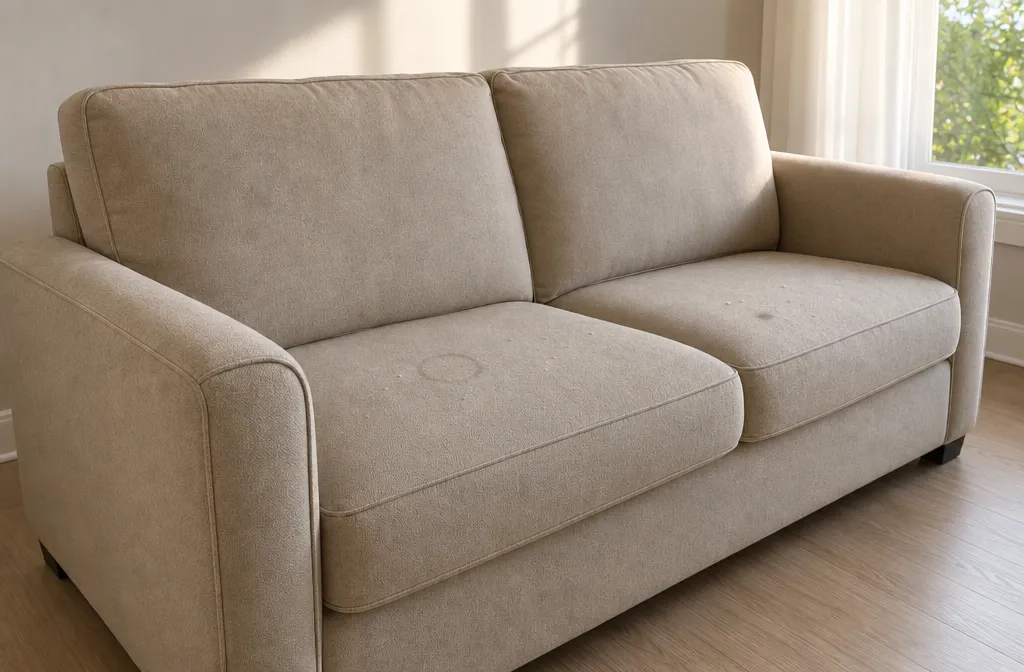
 After
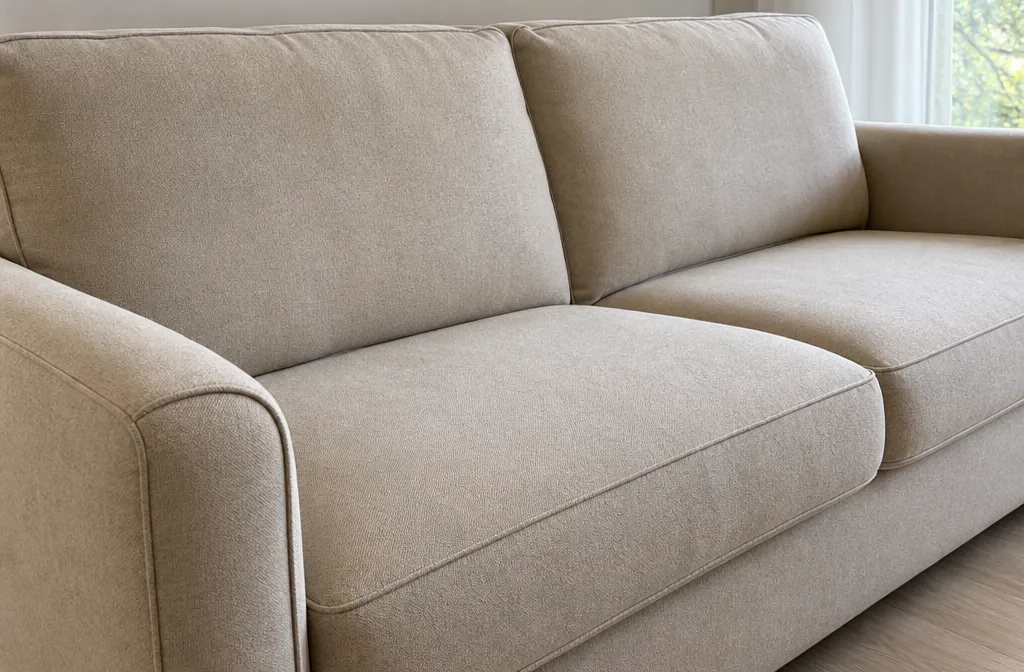
After
Request: Need to remove old stains and refresh sofa upholstery.
Done: Deep dry cleaning of sofa performed using extractor and stain remover.
Cost: 11 000 ₸
Master: Aigul Sadykova, dry cleaning master
Total: Sofa completely cleaned, stains removed, upholstery color restored.
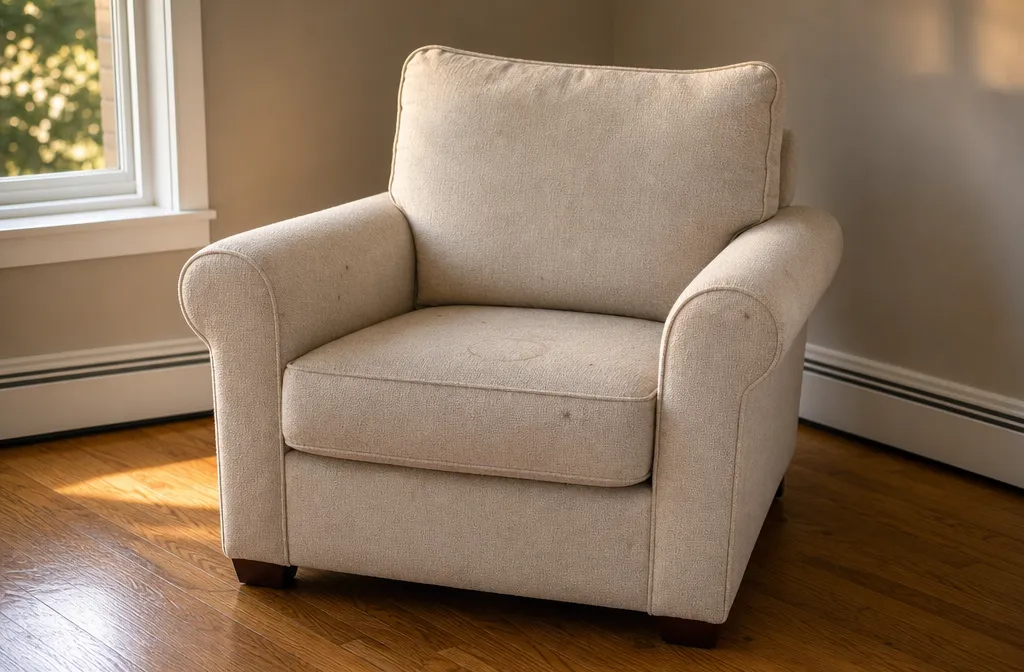
 After
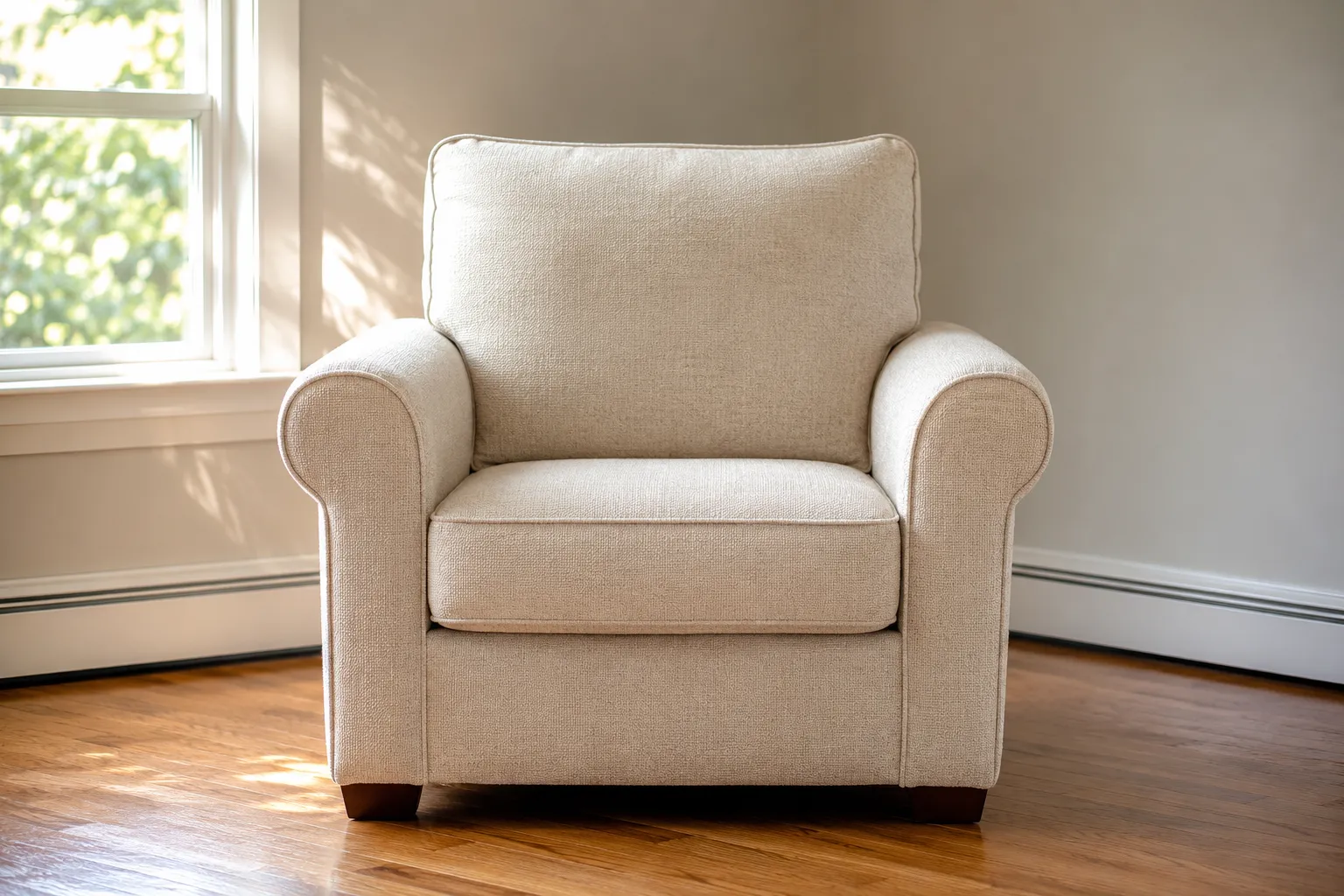
After
Request: Need to remove stains and eliminate unpleasant odor from the armchair.
Done: Armchair dry cleaning performed using shampoo and deodorizer.
Cost: 3 500 ₸
Master: Bakhytzhan Nurmagambetov, dry cleaning master
Total: Armchair clean, fresh, without stains or odors.
 After
After
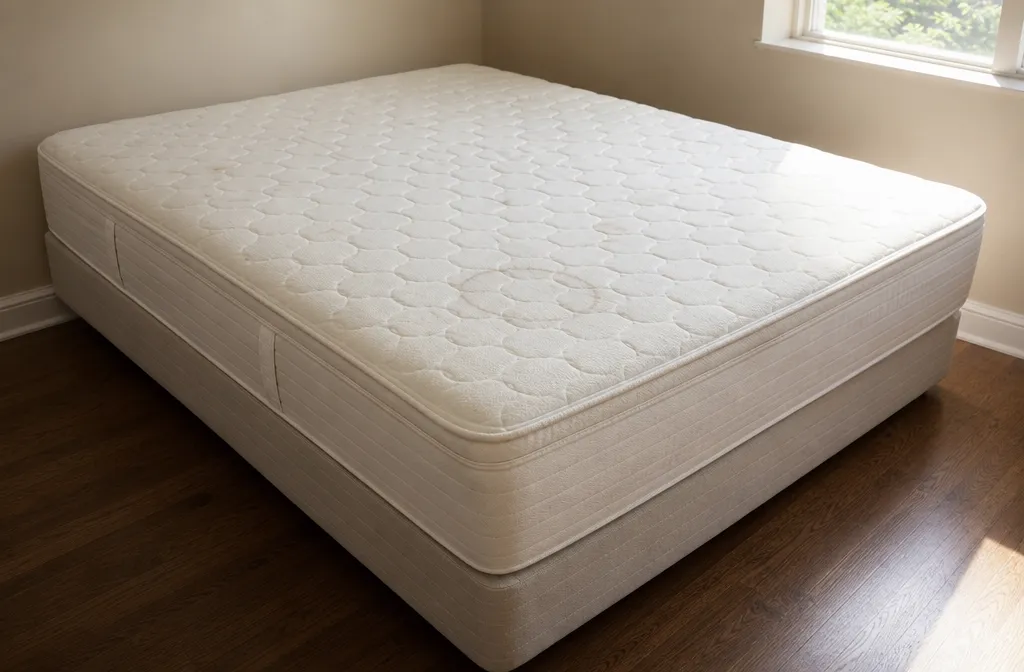
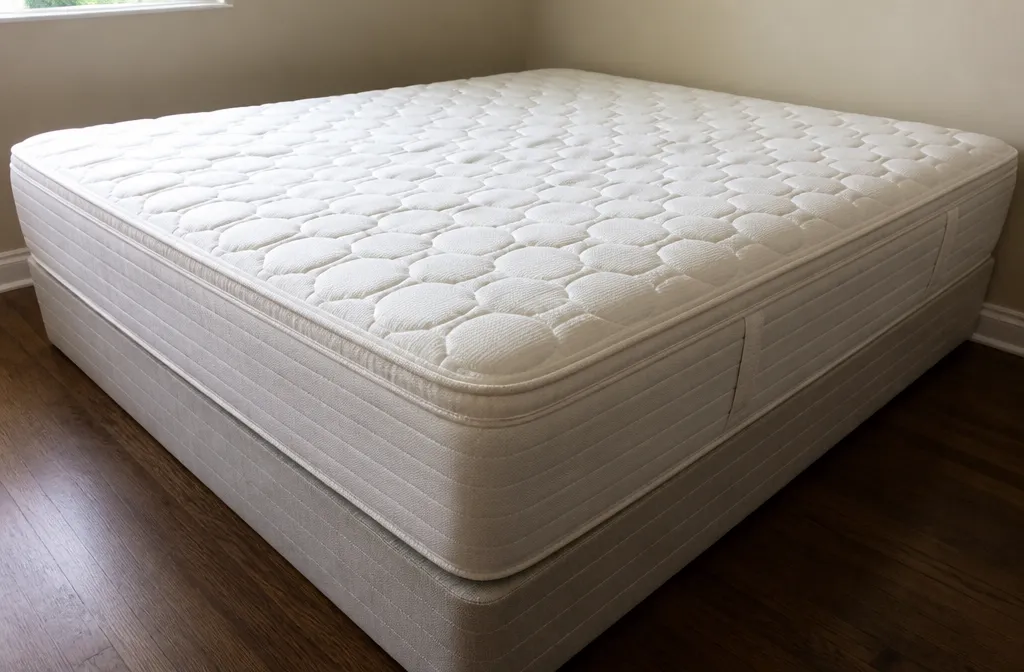
Request: Need to clean mattress from stains and dust mites.
Done: Deep dry cleaning of mattress performed with steam and UV lamp treatment.
Cost: 7 000 ₸
Master: Gulmira Akhmetova, dry cleaning master
Total: Mattress clean, hypoallergenic, without stains or odors.
 After
After
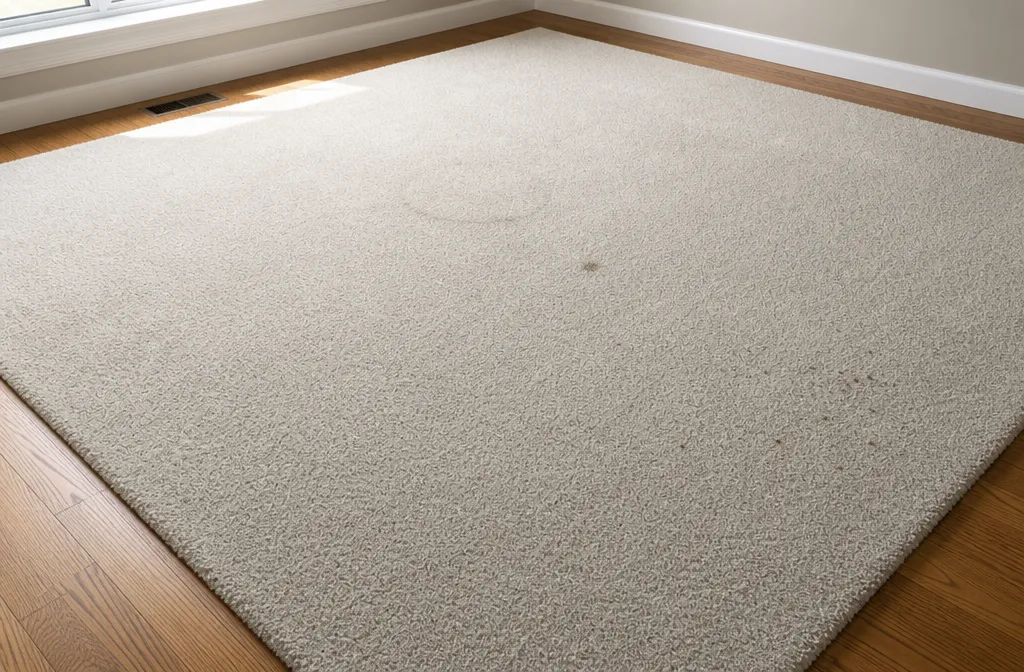
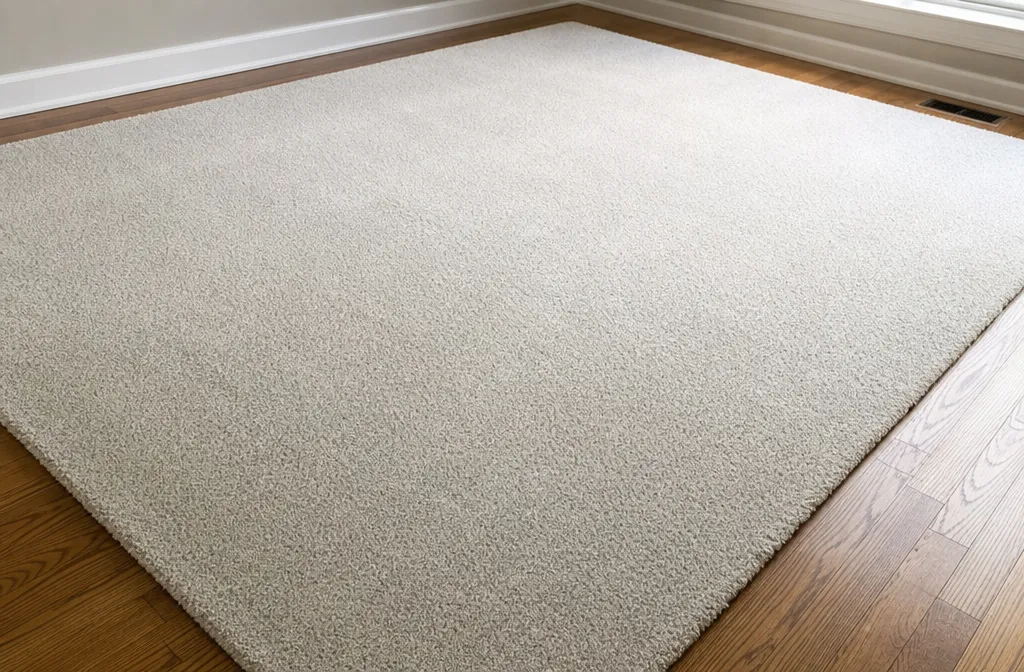
Request: Need to remove stains and refresh carpet pile.
Done: Carpet dry cleaning performed using rotary machine and shampoo.
Cost: 7 000 ₸
Master: Daniyar Yermekov, dry cleaning master
Total: Carpet clean, pile restored, stains removed.
 After
After
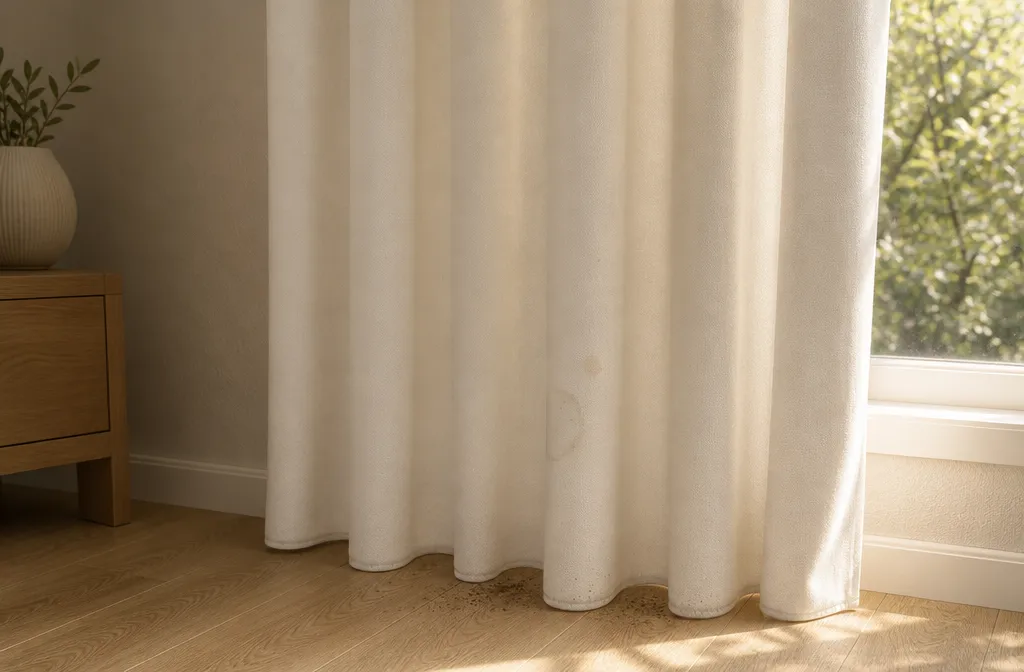
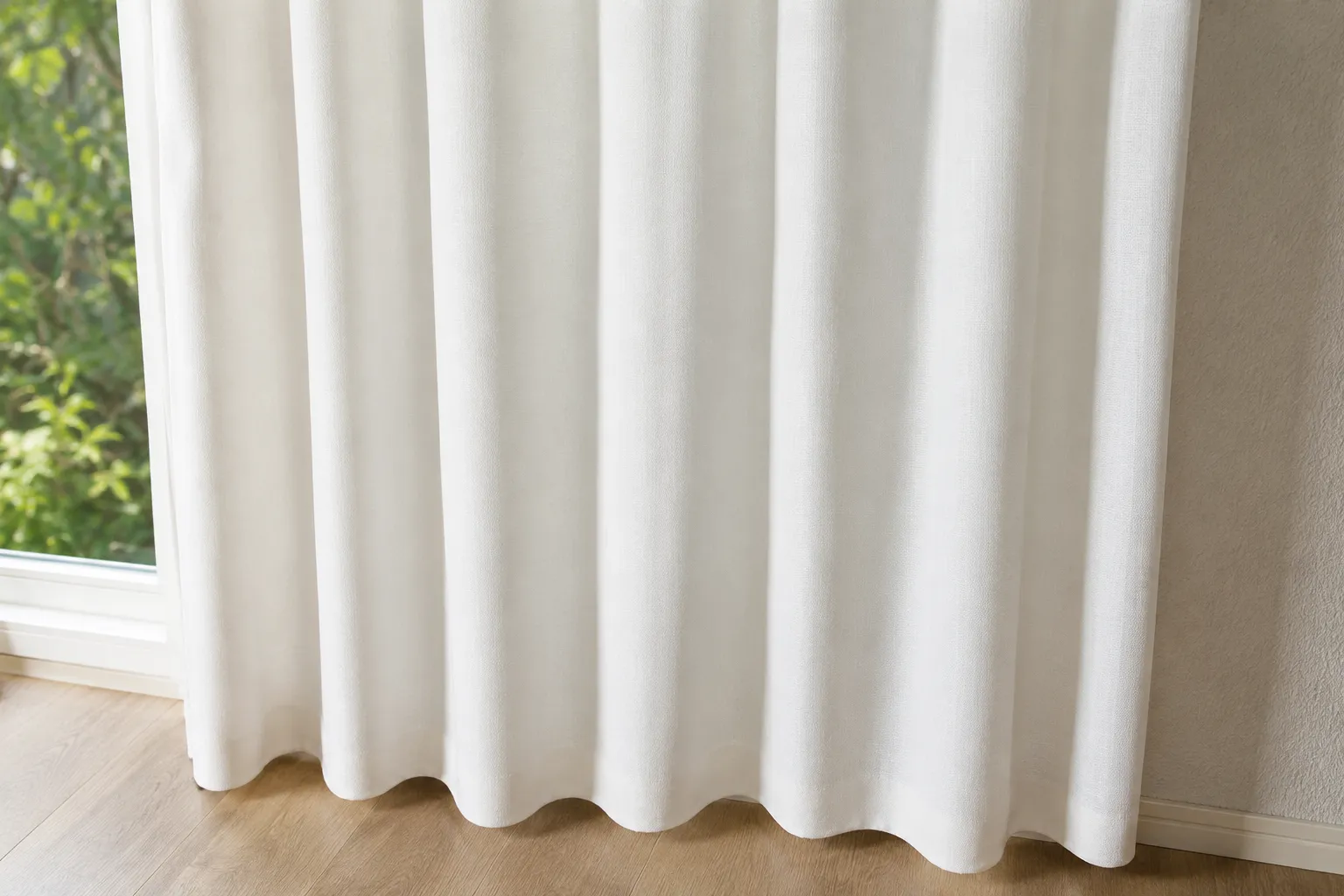
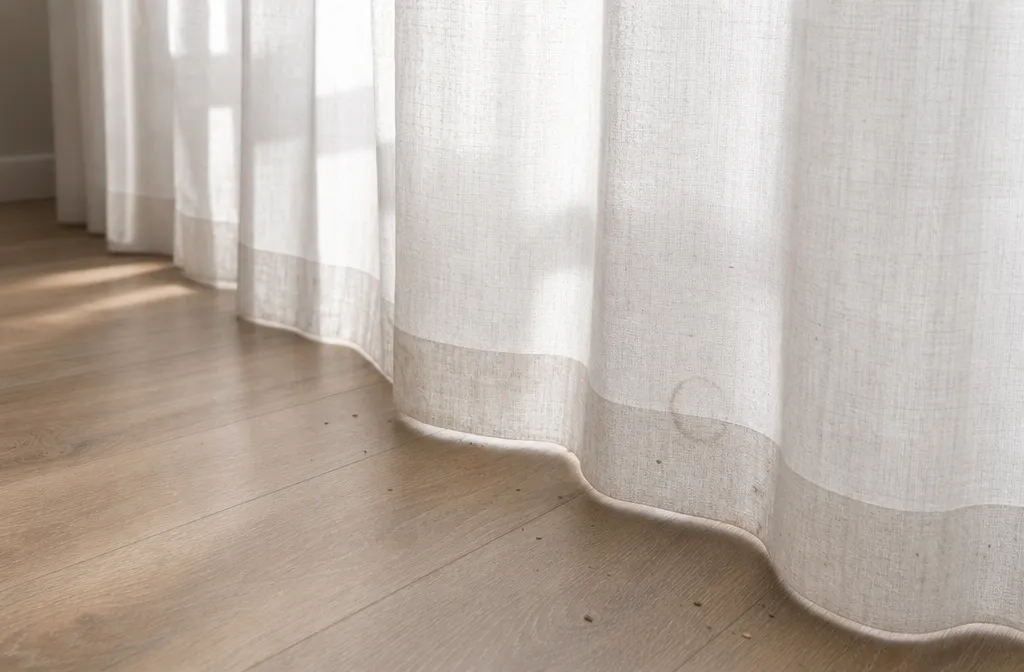
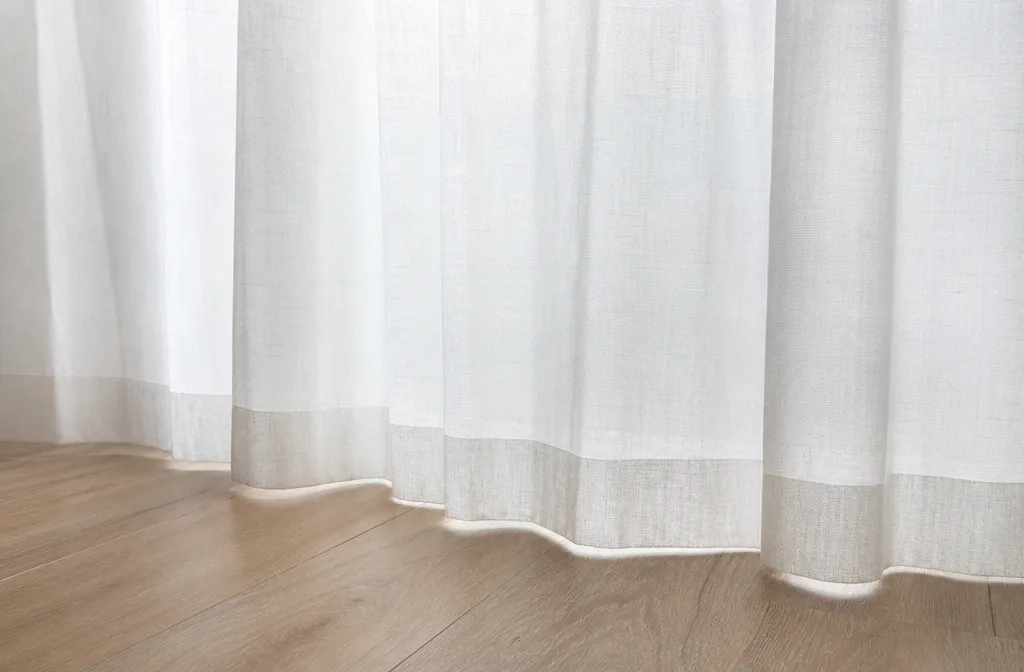
Request: Need to clean curtains from dust and tobacco smell.
Done: Curtain dry cleaning performed with dismantling and subsequent steam treatment.
Cost: 5 000 ₸
Master: Yelena Kim, dry cleaning master
Total: Curtains clean, odor-free, color became more vibrant.
 After
After
Request: Need to whiten and refresh the tulle in the kitchen.
Done: Tulle dry cleaning performed with soaking and delicate washing.
Cost: 14 000 ₸
Master: Zhanna Aliyeva, dry cleaning master
Total: Tulle is snow-white, without yellowness or stains.
 After
After
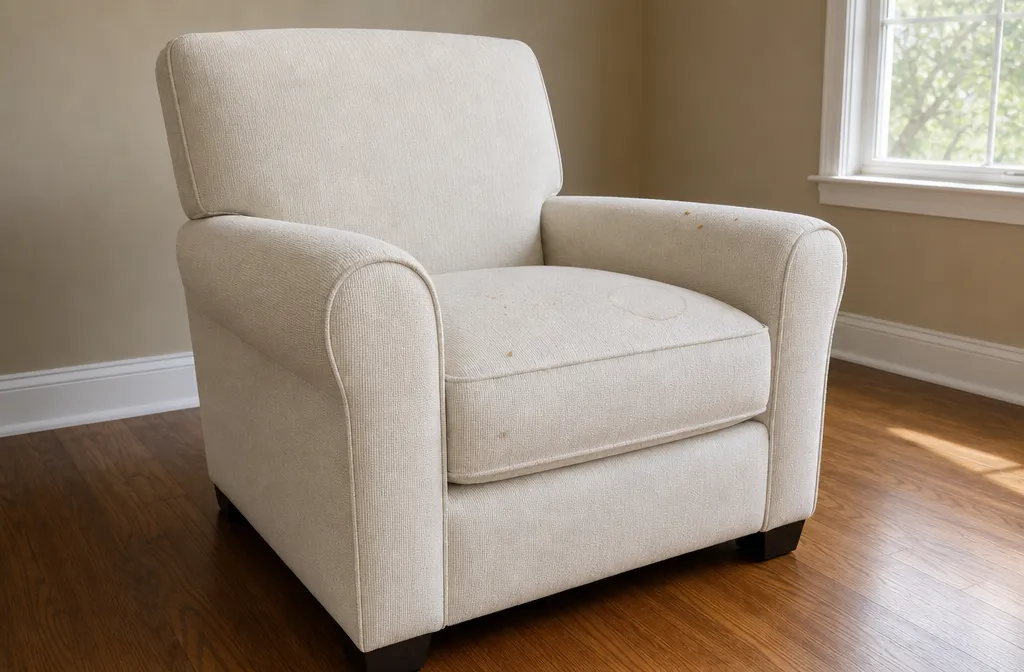
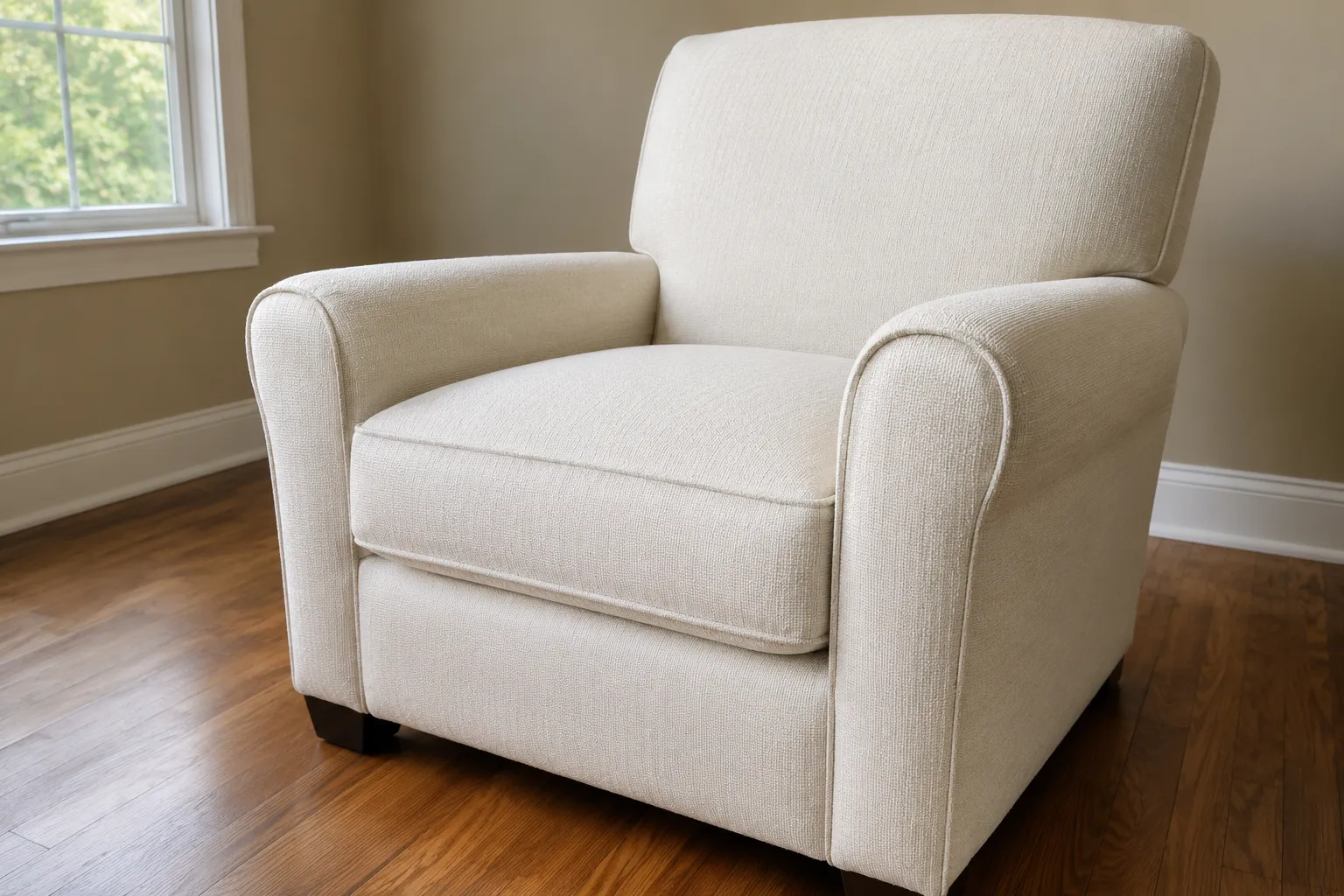
Request: Need to clean the chair upholstery from grease stains.
Done: Chair dry cleaning performed using stain remover and extractor.
Cost: 1 500 ₸
Master: Ilyas Muratov, dry cleaning master
Total: Chair is clean, upholstery without stains, color even.
 After
After
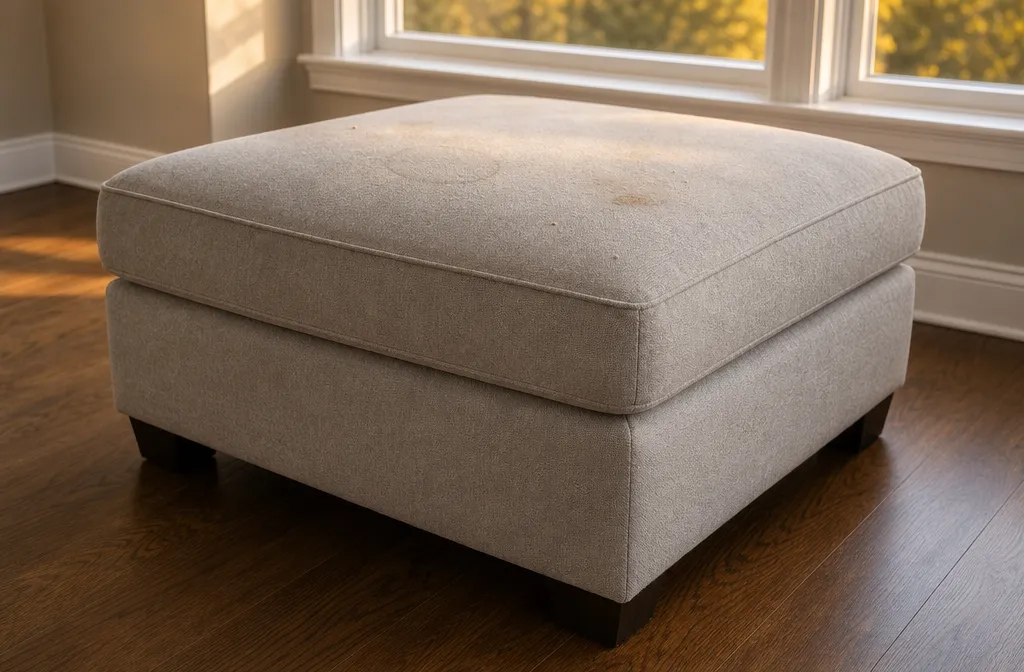
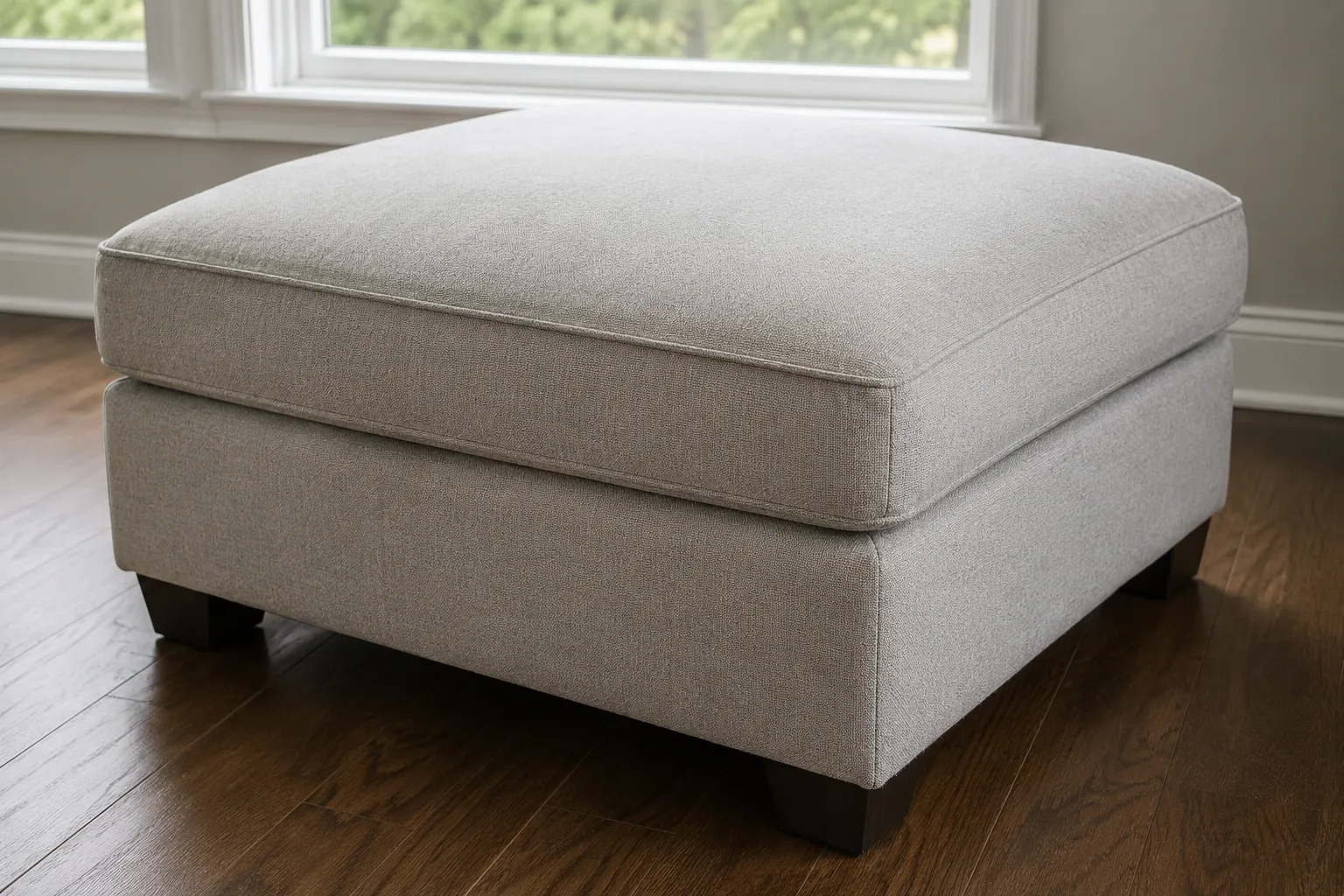
Request: Need to refresh the ottoman and remove coffee stains.
Done: Ottoman dry cleaning performed with steam treatment and deodorization.
Cost: 2 500 ₸
Master: Kamila Temirbekova, dry cleaning master
Total: Ottoman is clean, without stains, pleasant smell.
 After
After
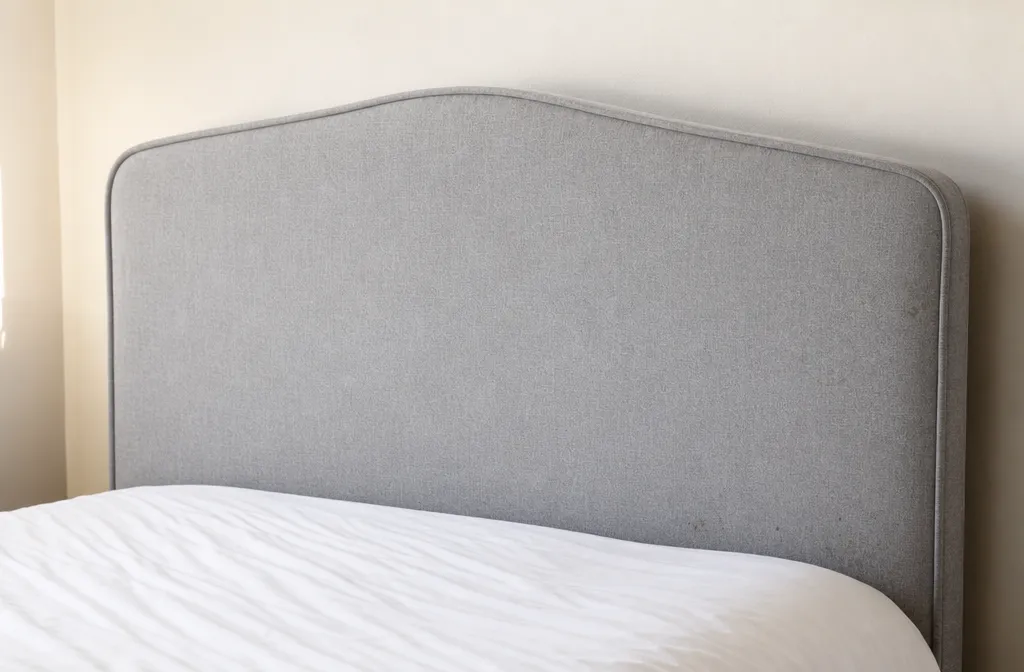
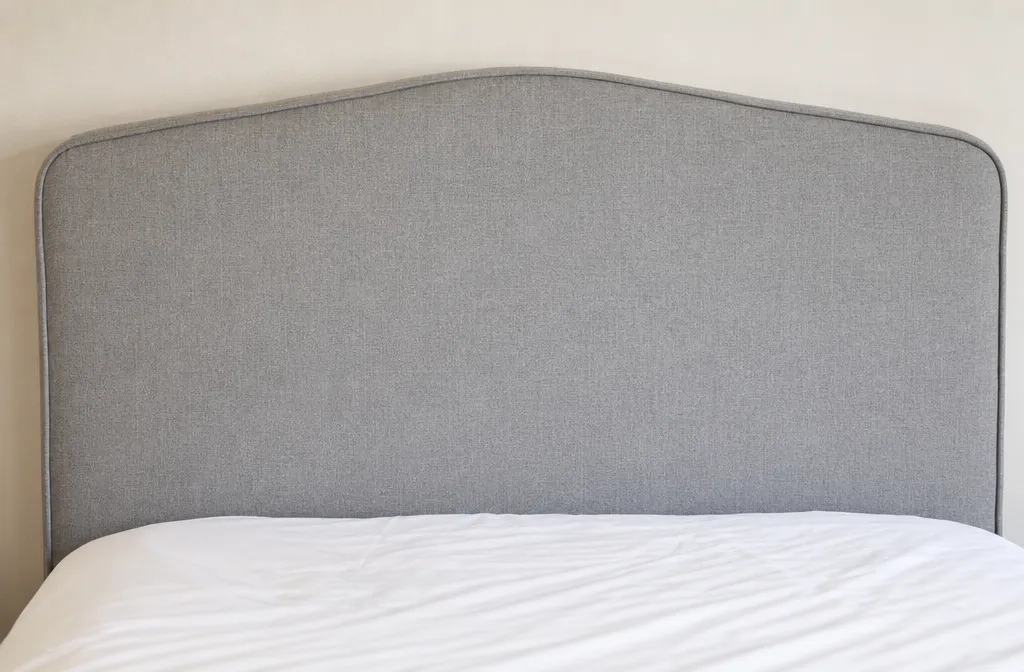
Request: Need to clean the upholstered headboard from dust and stains.
Done: Headboard dry cleaning performed using a cleaning vacuum.
Cost: 14 000 ₸
Master: Lyazzat Kassymova, dry cleaning master
Total: Headboard is clean, without dust and stains, color refreshed.
 After
After
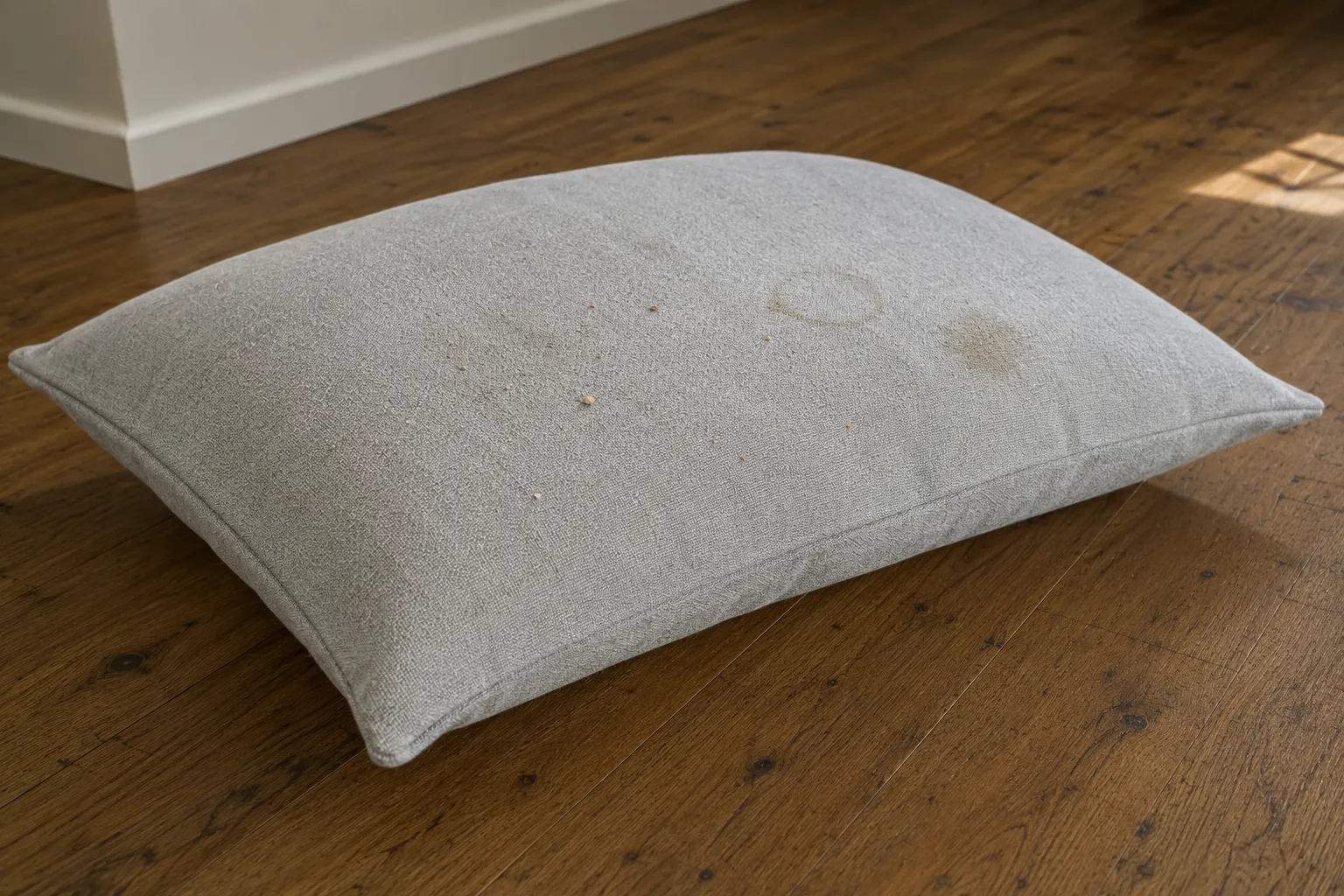
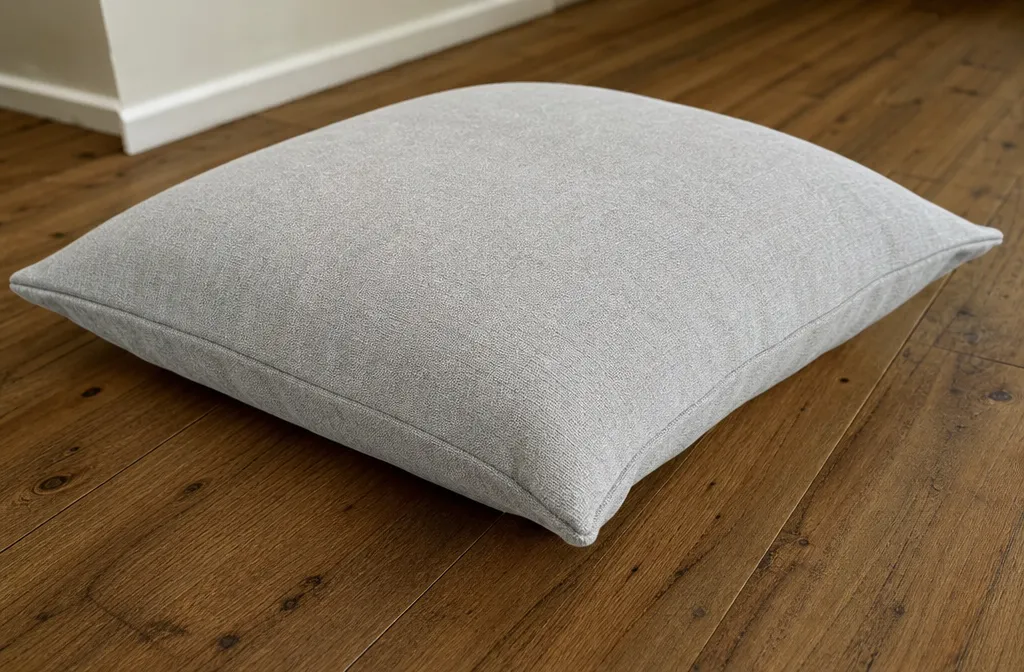
Request: Need to clean the cushion from dirt and refresh it.
Done: Cushion dry cleaning performed with manual stain treatment.
Cost: 13 000 ₸
Master: Marat Zhangaliyev, dry cleaning master
Total: Cushion is clean, fluffy, without stains or odors.
All cleaners are profi-clean staff with training, uniform and security check. Each order has a team leader who controls quality.
Textile dry cleaning in Almaty handles most household and kitchen stains, but the result depends on the stain composition, fabric, and contact time. At profi-clean, we work with three categories of stains — each requires its own solvent and method.
Vegetable oil, meat grease, cream or cosmetic marks are removed using organic citrus-based solvents — they break down lipids without leaving streaks. A fresh stain is removed in one pass, an old one (over 2 weeks) takes two to three passes with intermediate drying. On silk and viscose, greasy marks require cold treatment: hot water fixes the oil in the fibers. In our practice, there was a case where a rancid oil stain on a linen tablecloth was only cleaned after soaking in a sorbent for 4 hours.
Tannin stains (wine, tea, coffee, berries) are treated with an enzyme solution at pH 5–6 — it breaks down the pigment without affecting the fabric dye. Red wine on cotton is removed in 15 minutes, on polyester — in 30–40 minutes due to lower absorbency. After treatment, rinsing with cold water is mandatory: hot water “sets” the tannin, making the stain permanent. On carpets with high pile density (e.g., Belgian wool), we use pressure extraction to avoid leaving a halo.
Blood, milk, egg, grass stains, and animal secretions — these are removed with enzyme solvents that break down protein into amino acids. Blood on a mattress must not be rubbed or treated with hot water: the protein coagulates and bonds to the fibers — we apply a cold foam solution and extract it after 10 minutes. Urine marks on a sofa require a two-stage treatment: first enzyme, then a hydrogen peroxide-based odor neutralizer, otherwise ammonia returns within 2–3 days. For old protein stains (over a month), effectiveness drops to 60–70% — we inform the client before starting.
Paint (acrylic, oil-based), glue, wax, ink, and ballpoint pen marks are the most challenging cases. Acrylic paint is dissolved with an alcohol-based solution, oil-based paint with white spirit followed by rinsing. Wax on a carpet is first frozen with a coolant (-18 °C), then mechanically chipped off — without solvents. Combined stains (e.g., coffee with milk and sugar) are treated sequentially: first the tannin method, then the enzyme method, otherwise sugar caramelization fixes the residue. In October, we had an order to clean a vintage Persian rug with an ink stain from the 1970s — after 4 cycles with a bleaching gel, we removed 90%, and the remaining trace was left as patina at the owner’s request.
Many people think textile dry cleaning is just washing with chemicals. In reality, the difference lies in the physics of the process: washing removes dirt with water and detergent, while dry cleaning dissolves contaminants with an organic solvent without soaking. In Almaty, where water is hard due to mountain sources, regular washing often leaves streaks on wool and silk — dry cleaning eliminates this problem.
During soaking and mechanical spinning, fibers swell, lose shape, and shrink by up to 10-15% on viscose and wool. Water at pH 7-8 washes out natural oils from cashmere and angora — the fabric becomes brittle and loses its sheen after just 2-3 cycles. At profi-clean, we receive sofas after home “aqua cleanings” where cleaners soaked the upholstery with water and left yellow streaks from mineral salts — in dry cleaning, the solvent evaporates without residue, without deforming the filling. On silk coat linings, washing inevitably leaves “creases” at the seams that cannot be ironed out.
In a washing machine, synthetic padding, holofiber, and bamboo fiber clump into lumps due to the spin cycle — volume can only be restored by re-fluffing in an industrial dryer. Down and feather fillings lose up to 30% of their loft after wet processing, as water washes out the natural grease coating of the feather. Dry cleaning of textiles in Almaty solves this problem differently: the solvent penetrates deep into the filling, dissolves sweat and sebum, and then evaporates at 30-40°C in a closed chamber — the down structure remains intact. In practice, this means a pillow does not lose height after dry cleaning, whereas after washing it sags by 2-3 cm and requires fluffing every night.
Water is contraindicated for rhinestones, sequins, and appliqués on textiles: the glue softens, elements fall off, or leave rusty marks from the metallic coating. On carpets with a latex backing (e.g., Turkish and Belgian), washing destroys the bonding layer — the backing starts to crumble and produce dust within six months. In our practice, there was a case: a homeowner washed a 2×3 m wool carpet with latex in a machine — it “slid” out of shape, lost its rectangular geometry, and began to resemble an oval. Dry cleaning of textiles in a dry chamber does not cause shrinkage and does not damage adhesive seams — it is the only way to keep an item with decor intact.
Washing works on the principle of “soak + wash” — it does not remove ingrained fats, wax, oil paint, or red wine that has set into the fibers. Dry cleaning uses the principle of selective dissolution: for each type of stain, its own solvent (perchloroethylene for fats, alcohol mixtures for ink, alkaline agents for protein). Water in washing indiscriminately removes all dirt but leaves “halos” around the stain — invisible on wet fabric but appearing as yellow rings after drying. On carpets in Almaty, where reagents are brought in on shoes in winter, washing without pre-treatment permanently fixes salt stains.
The final result directly depends on how correctly you prepare your sofa, carpet, or curtains — and we at profi-clean insist that clients follow a few simple but critically important rules.
In our practice, a common mistake is the client’s attempt to pre-wash a stain on their own — with soap, powder, or stain remover. This “seals” the dirt into the fibers, requiring 20–30% more time and reagent to remove.
When the cleaner arrives at the site, the first thing they do is an inspection. To avoid wasting time on a repeat visit, report any issues before work begins.
In Almaty apartments with central heating, efflorescence on carpets is common — white salt stains from hard water. If you notice them, tell the technician: they will use distilled water for the final rinse to prevent the stains from reappearing after drying.
Immediately after treatment, the item is wet — and your actions in the first day determine whether the result lasts long.
For sofa models with velvet upholstery, we recommend brushing the surface with a soft, short-bristle brush after drying — this lifts the pile and restores the velvety texture that may have flattened when wet.
Even professional textile dry cleaning won’t yield perfect results if the client makes one of three typical mistakes.
In our practice, there was a case where a client in the Auezov district washed a carpet in a washing machine before calling profi-clean, then called and said it had “turned white” — leftover laundry detergent reacted with our shampoo, causing yellow stains on the carpet. We had to do a repeat treatment with a neutralizer, which took an extra hour and required more reagent. If she hadn’t pre-washed it, the carpet cleaning would have taken the standard 40 minutes.
After we at profi-clean finish dry cleaning, the textile’s lifespan directly depends on how you care for it in the first few days. A few simple rules will extend the freshness of your sofa, carpet, or curtains by 3–4 months longer.
Wet fabric after cleaning is an ideal environment for dust from the air to settle again, especially in Almaty with its dense central development and proximity to the mountains. We always leave the material slightly damp — this is normal, the remaining moisture evaporates within 4–6 hours. Open windows for micro-ventilation (in winter — for 10–15 minutes, in summer — for an hour), but avoid drafts that stir up dust from the floor. Do not place heavy furniture on carpets and rugs for the first 24 hours — the pile needs to fully straighten and dry in its natural position. If drying takes longer than 12 hours, turn on a dehumidifier or air conditioner in dehumidification mode — this will protect the fabric from musty odors.
Immediately after dry cleaning, textiles are most vulnerable — fiber pores are open, and any spilled substance will absorb faster than before treatment. Sofas and armchairs should be treated with a water-repellent impregnation, which we at profi-clean offer as an additional service: it creates a barrier for 4–6 months. Place a dirt-trapping mat (at least 80×120 cm) on hallway carpets to prevent sand and de-icing reagents from shoes from reaching the freshly cleaned pile. After cleaning, it is better not to iron curtains with a regular iron — steam treatment while hanging (using a steamer) restores shape without damaging fibers or the anti-static layer. In Almaty apartments with panoramic windows on the sunny side, use blinds or sheer curtains during daylight hours — ultraviolet radiation accelerates fading of even resistant dyes by 15–20% faster than in rooms without direct sunlight.
Vacuuming sofas and carpets once a week is sufficient, but with the right attachment — a crevice tool for gaps between cushions and a turbo brush for medium-height pile. On long-pile carpets (wool, viscose), do not use the “carpet” mode on the vacuum cleaner — it is too aggressive with its bristles and pulls out threads; switch to the “floor” mode with a soft attachment. If you have pets, treat textiles with a dry shampoo for upholstery once a month — it is rubbed in with a brush, vacuumed up after 15 minutes, and removes odors without moisture. In Almaty, with its sharp humidity fluctuations (dry air from radiators in winter, damp spring), sofas and armchairs should be rotated 90 degrees every six months — this evenly distributes the load on the filling and prevents one side from sagging.
Hard water from mountain springs and sharp humidity fluctuations in Almaty create conditions where regular washing damages textiles faster than soiling. We break down how these factors affect the result and why professional textile dry cleaning here is not a luxury, but a necessity.
Tap water in Almaty has a hardness level of 7-10 mg-eq/L — this is 2-3 times higher than the norm for washing delicate fabrics. Calcium and magnesium salts settle inside the fibers, making them brittle, washing out dyes, and leaving a white residue on dark fabrics. Our cleaners have recorded cases where, after two or three home washes with hard water, a wool blanket lost up to 30% of its original softness. At profi-clean, we use demineralized water with reverse osmosis — this eliminates the reaction of chemicals with salts and preserves the structure of even old carpets with natural pile. When ordering textile dry cleaning in Almaty, check whether the company uses treated water: without this step, expensive fabrics lose their lifespan 40-50% faster than stated by the manufacturer.
Air humidity in Almaty ranges from 30% in summer to 80% in the off-season, and textiles dried after dry cleaning with improper technology absorb moisture from the air within 2-3 hours. Sofas with synthetic padding and foam rubber are a risk zone: if moisture remains deep inside the filling after cleaning, a musty smell appears within 3-4 weeks, followed by mold in the seams. In October, we had a case — a client dried a carpet on an unheated loggia after self-cleaning, and within a week, fungus grew on the backing, destroying the latex base. In our practice, we dry textiles with industrial heated fans to a residual moisture content of no more than 3-5% — this is the only way to guarantee that mold will not develop in the sofa within a month.
In spring and summer, the air in Almaty is saturated with plant pollen and fine construction dust — these particles embed themselves into carpet fibers and sofa upholstery to a depth of 10-15 mm. A regular vacuum cleaner only removes the top layer, leaving allergens inside, and within 3-4 days after cleaning, the textiles release dust back into the air. At profi-clean, we use extraction cleaning with a water-based solution that flushes particles out from deep within the padding, and a HEPA 13-class filter in the final collection stage traps 99.95% of allergens. If you have children or allergy sufferers at home, regular dry carpet cleaning is only a half-measure: only wet extraction with vacuum removal of the solution eliminates pollen for the entire season.
I ordered textile dry cleaning for a sofa — they removed a coffee stain that had set in a year ago. The sofa looks like new.
The carpet after renovation was covered in construction dust — they cleaned it perfectly, even the seams didn't come apart. They arrived on time.
Thank you, Marat! We're glad the result exceeded expectations.
I had textile dry cleaning done on an armchair — the smell disappeared, but one wine stain remained barely noticeable. Overall okay.
They washed curtains that I hadn't cleaned in 5 years — they became brighter, dust gone. The fresh scent is much nicer.
Zhanna, thank you for your review! The curtains will now delight for a long time.
Upholstery cleaning of mattress — urine stains are gone, but a faint smell remains. Had to air it out for three days.
Yerlan, we apologize. We'll treat the mattress again for free — contact us.
The long-pile throw blanket was cleaned as if it were brand new. Soft, fluffy, not a single pill.
Ordered upholstery cleaning for a sofa bed — the mechanism wasn't damaged, the fabric dried in 4 hours. Very satisfied.
Kuanysh, thank you! Glad everything went smoothly.
The car seat covers were cleaned of oil and dirt. The fabric didn't fade, but one seam came apart slightly — I noticed later.
Dinara, sorry for the inconvenience. We'll come and fix the seam for free.
Upholstery cleaning of a long-pile carpet — removed paint and chocolate stains. Colors became more vibrant.
After cleaning, the pillows became fluffy and firm, the allergenic smell disappeared. Much more comfortable to sleep.
Gulnara, great! Hypoallergenic cleaning is our pride.
At the office, we ordered upholstery cleaning for 10 chairs — all coffee stains are gone, employees are happy.
After the party, the tablecloth had greasy stains — almost everything came out, but a red wine stain remained faint. That's fine.
Olga, thanks for the feedback. For tough stains we use different formulas — we'll take note.
Had upholstery cleaning done on a children's mattress — juice and urine stains disappeared without a trace. No chemical smell.
Nurlan, children's safety is our priority. Thank you!
The microfiber throw was cleaned — looks like new, no loose threads. Very careful work.
Ordered textile cleaning for the corner sofa — tea stains are gone, but there's a residue from the cleaning solution. Had to re-clean.
Bakhyt, we apologize. We'll do a repeat cleaning with a different solution.
The kitchen chair covers were cleaned of grease — fabric didn't shrink, color didn't change. Pleasant to sit on.
Lyazzat, thank you! Kitchen textiles are our specialty.
Textile cleaning for the children's carpet — removed stains from plasticine and markers. The child now plays on the carpet.
Decorative pillows were cleaned — they became fluffier, but one lost its shape a bit. Overall good.
Aliya, thank you! Next time remind the master about the shape.
Had textile cleaning of seats and ceiling in the car — removed tobacco smell, interior became fresh.
Wool blanket cleaned without shrinkage — removed pills, became softer. Wool smell neutralized.
Zere, glad the blanket is fine. Wool requires delicacy.
Ordered textile cleaning for the sofa — removed coffee and chocolate stains. Fabric dried in 3 hours, no streaks.
Hallway carpet cleaned of dirt and salt — became clean, but the pile is flattened in some places. Lifted with vacuum.
Kamila, thank you! After cleaning, we recommend brushing the pile.
On average, cleaning a two-seater sofa takes 1.5-2 hours. This includes all stages from inspection to final drying. Time may increase if there are stubborn stains.
Yes, we travel throughout Almaty and the region. Travel within the city is free, outside the city there is an additional charge at an individual rate. The master brings all necessary equipment.
The price depends on the size and type of sofa. For example, cleaning a two-seater sofa costs at an individual rate, a three-seater at an individual rate, and a corner sofa at an individual rate. The exact cost can be calculated using the calculator on the website.
Cleaning a 3x4 m carpet costs at an individual rate per square meter, totaling at an individual rate. The price includes travel, cleaning, and drying. Discounts are available when ordering multiple items.
When ordering 2 or more items, a 10% discount is provided; for 4 or more, 15%. Seasonal promotions also apply. Check with the operator.
On the service page, there is a calculator: select the type of textile, specify the quantity, and add options. The system will automatically calculate the total amount. You can also call us.
We use professional Kiehl (Germany) products and the organic Sodasan line. They are safe for children and pets, do not cause allergies. All formulations are certified.
Yes, we guarantee quality. If a stain is not removed, we will refund the money for that item. The guarantee is valid for 3 days after cleaning.
Yes, in the 'Before and After' section on the website, there are real examples: sofas, carpets, mattresses, curtains. Photos are taken under the same lighting.
Our clients note high quality, efficiency, and politeness of the masters. Average rating is 4.9 based on 500+ reviews. You can see them on the website and social media.
Tell us about your experience with profi-clean — it helps other clients and us improve.
We currently operate in Almaty. Other cities are coming soon.