Basement Cleaning Almaty
Professional basement cleaning in Almaty. We remove trash, dust, and mold. Fast…
on requestProfessional cleaning of apartments, houses and offices in Almaty with a cleanliness guarantee

Professional basement cleaning in Almaty. We remove trash, dust, and mold. Fast…
on requestProfessional cafe cleaning in Almaty. Cleanliness and freshness for your establishment. Order…
on requestProfessional cinema cleaning in Almaty. Cleanliness and freshness for your visitors. Order…
on requestProfessional cleaning of business centers in Almaty. Cleanliness and order for your…
on requestProfessional commercial cleaning in Almaty from profi-clean. Quality cleaning of offices and…
on requestProfessional post-renovation and construction cleaning in Almaty. We remove dust, debris, paint…
on requestProfessional fire cleanup in Almaty. We remove soot, smoke odor, and ash.…
on requestProfessional fitness club cleaning in Almaty. Cleanliness, safety, freshness. Order cleaning at…
on requestProfessional hotel cleaning in Almaty from profi-clean. Deep cleaning effect, safe products,…
on requestProfessional industrial cleaning in Almaty. Cleanliness, safety, and order at your facility.…
on requestProfessional shopping center cleaning in Almaty. Cleanliness, hygiene, freshness. Order mall cleaning…
on requestProfessional office cleaning in Almaty. Cleanliness and order for your business. Order…
on requestProfessional pool cleaning in Almaty from profi-clean. Clean and safe water. Order…
on requestProfessional restaurant kitchen cleaning in Almaty. Cleanliness, safety, and compliance with SES…
on requestHigh-quality school cleaning in Almaty from profi-clean. Safe products, experienced staff. Order…
on requestProfessional sign washing in Almaty from profi-clean. Cleanliness and brightness for your…
on requestProfessional store cleaning in Almaty. Cleanliness and freshness for your business. Order…
on requestProfessional warehouse cleaning in Almaty from profi-clean. Cleanliness, order, compliance with standards.…
on requestFrom inspection to result with guarantee
The master inspects the premises, determines the type and degree of contamination. A work plan is drawn up and products are selected.
We remove dust from surfaces using a Nilfisk HEPA vacuum cleaner. We go over furniture, appliances, and baseboards.
We wash windows and mirrors without streaks using Kiehl cleaner. Handles and windowsills are also treated.
We remove grease from the stove, hood, and backsplash using a Karcher steam cleaner. The sink and countertops are disinfected.
We wash the bathtub, toilet, sink, and tiles. We use Sodasan disinfectants.
We mop floors with disinfection. For laminate and parquet, we use special products.
When ordering additional services, we clean sofas and carpets. We use an extractor and Kiehl shampoo.
We check quality against a checklist. Fix any issues, air out the room.
We use German Kiehl chemicals for stubborn stains and organic Sodasan for children's rooms. Products are certified, safe for allergy sufferers. Removes grease, plaque and bacteria without streaks.
Nilfisk vacuum cleaners with HEPA filters trap 99.97% of dust particles, pollen and microorganisms. Ideal for asthmatics and allergy sufferers. The air after cleaning becomes clean.
We treat surfaces with steam at 140°C without chemicals. Destroys bacteria and viruses, removes old grease. Safe for children and animals.
All employees are in branded clothing, undergo regular medical examinations and briefings. We use changeable shoes and disposable gloves. We guarantee accuracy.
If there are any shortcomings after cleaning, we will fix them within 24 hours for free. We check quality according to a 30-point checklist.
Our activities are insured for 10 million tenge. In case of property damage, you will receive compensation. We work officially with a contract.
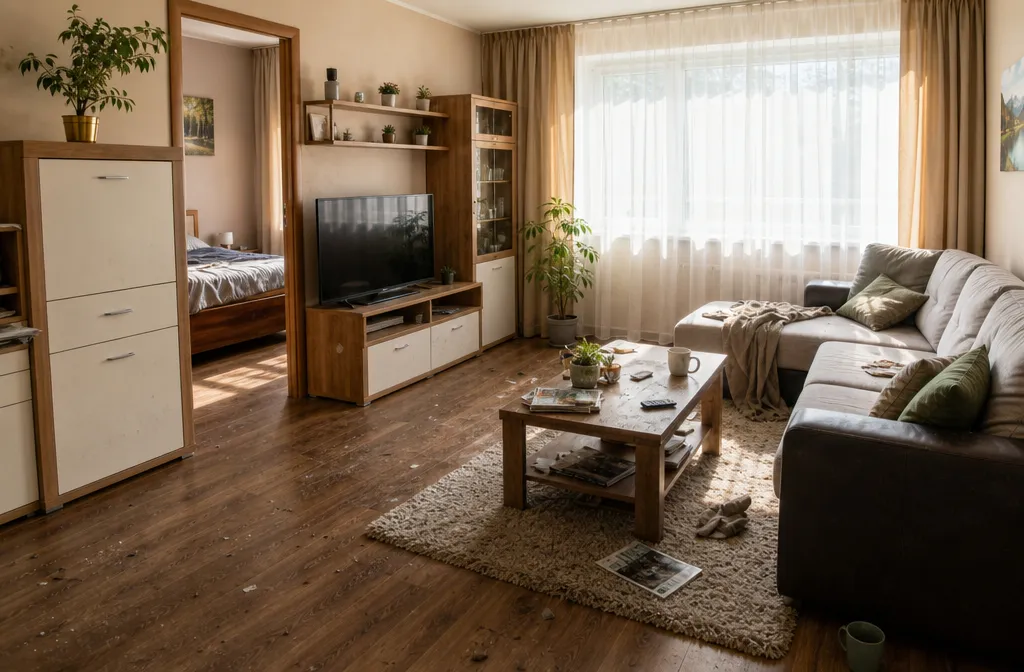
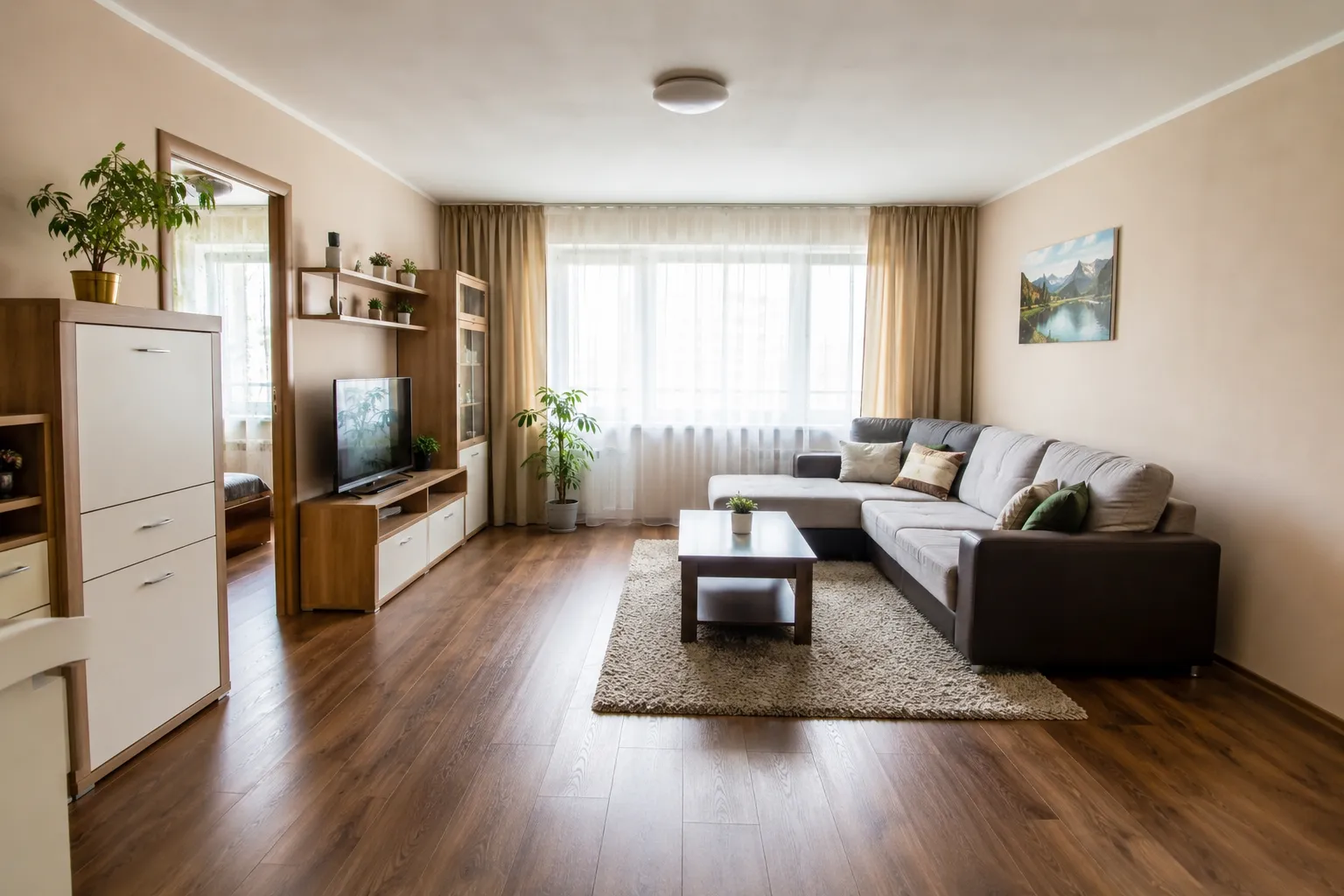 After
After
Request: Wanted to tidy up the living room before guests arrived.
Done: We did a deep clean: dusted, mopped floors, wiped all surfaces.
Cost: 18 000 ₸
Master: Aigul Nurgaliyeva, cleaning master
Total: The room shines with cleanliness, items neatly arranged.
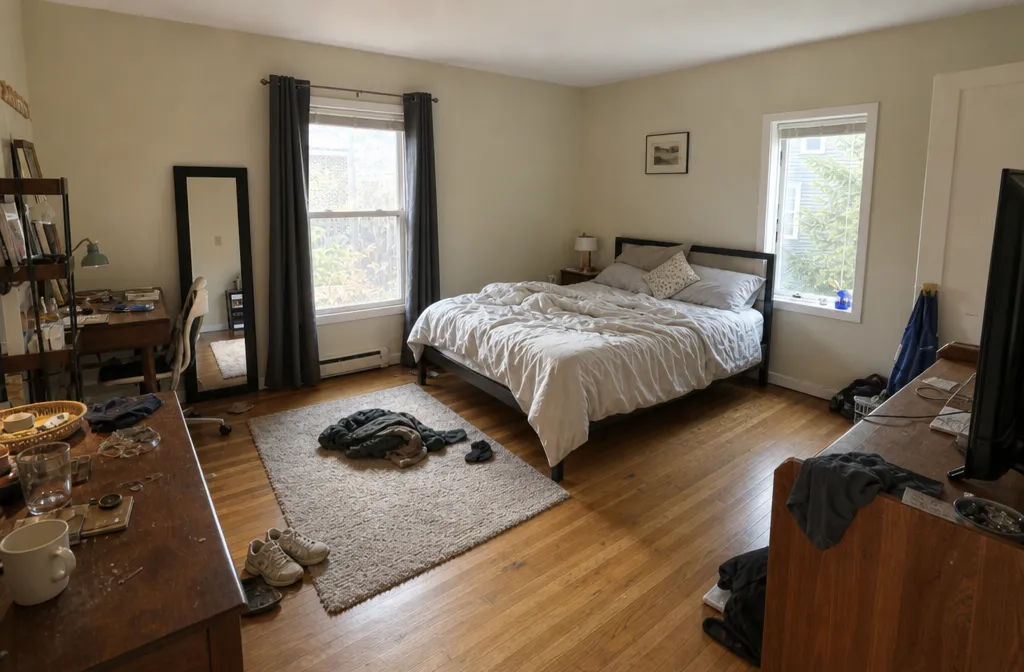
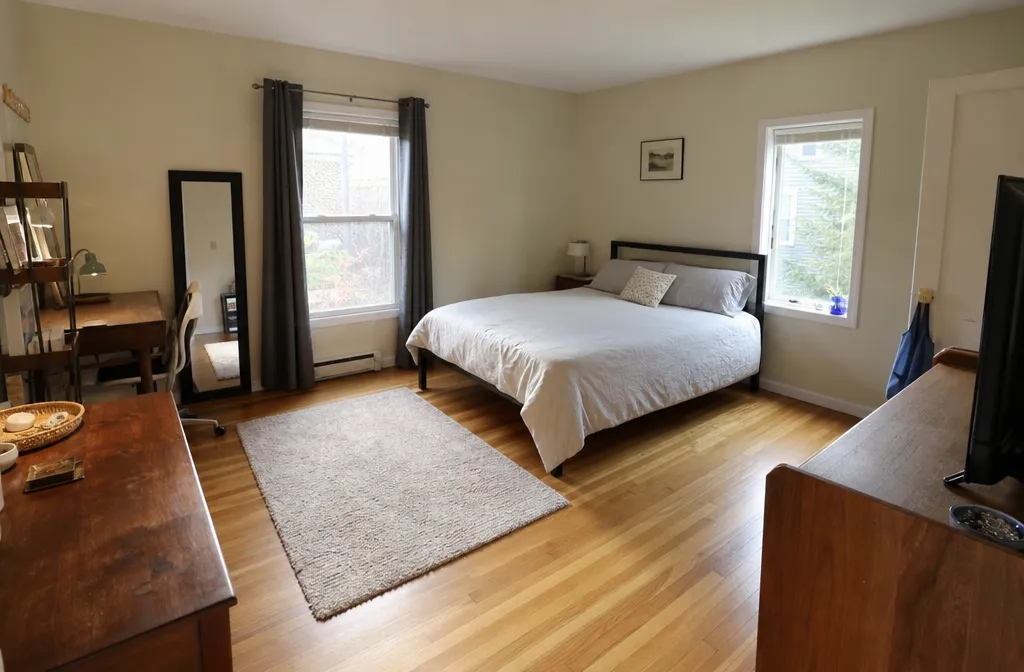 After
After
Request: Need a deep clean of the bedroom after renovation.
Done: We washed windows, wiped baseboards, vacuumed the carpet.
Cost: 19 000 ₸
Master: Yerzhan Kaliyev, cleaning master
Total: The bedroom became fresh, without dust and construction debris.
 After
After
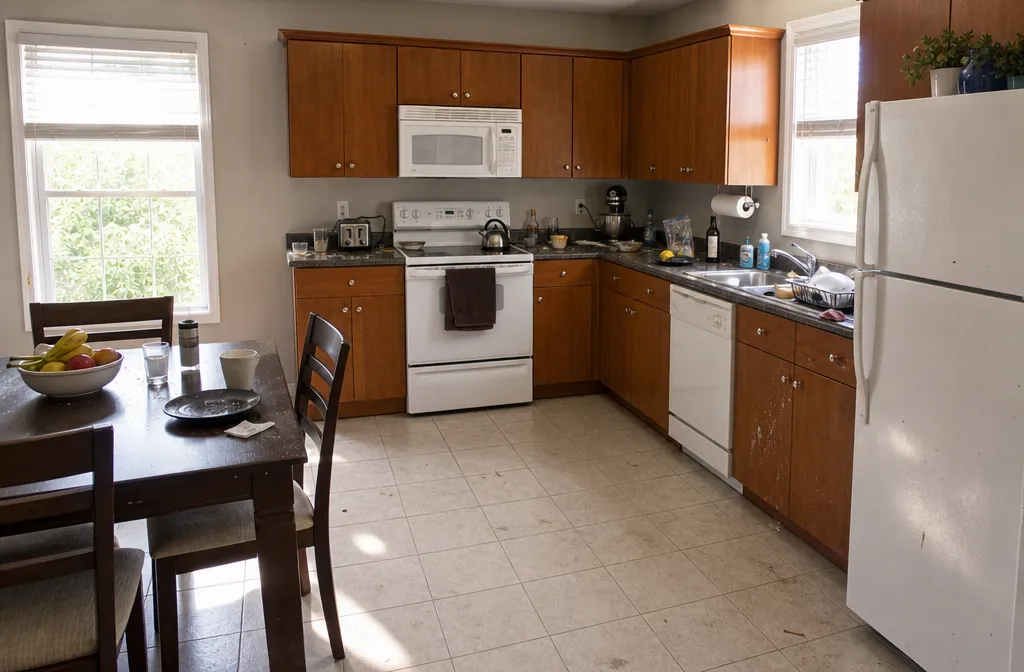
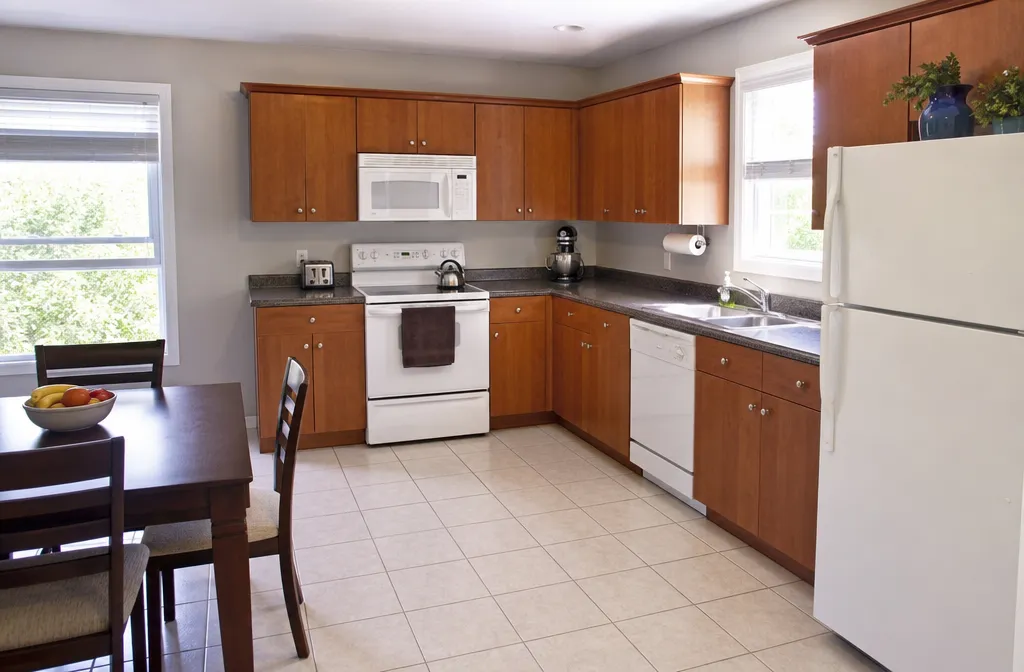
Request: Kitchen cabinets were covered with sticky film.
Done: Treated facades and backsplash with special products, washed off grease.
Cost: 22 000 ₸
Master: Dinara Sadykova, cleaning master
Total: The kitchen sparkles, grease completely removed.
 After
After
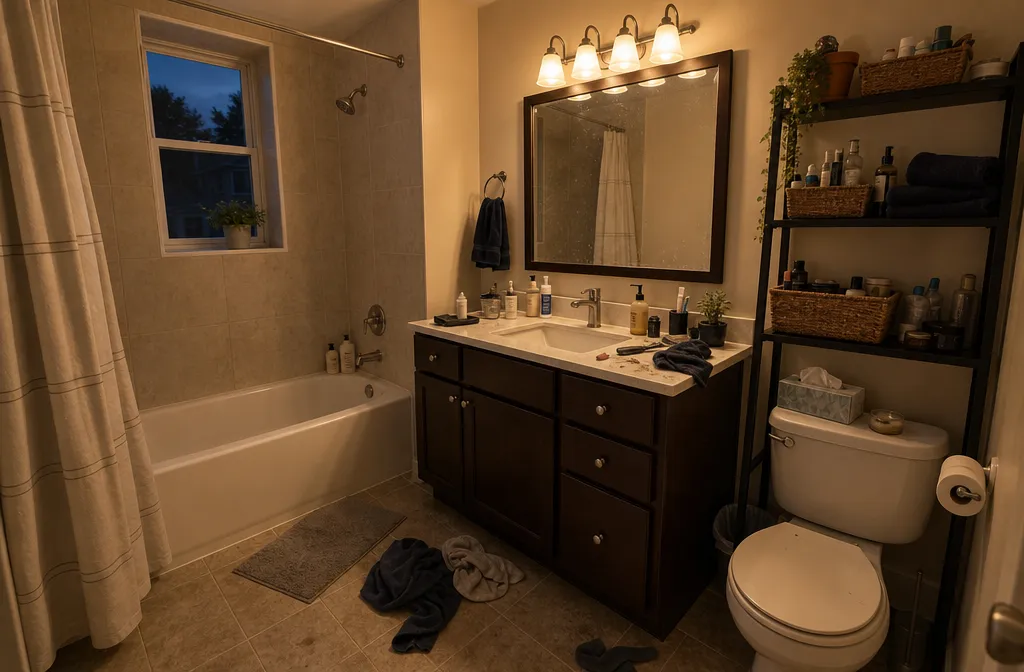
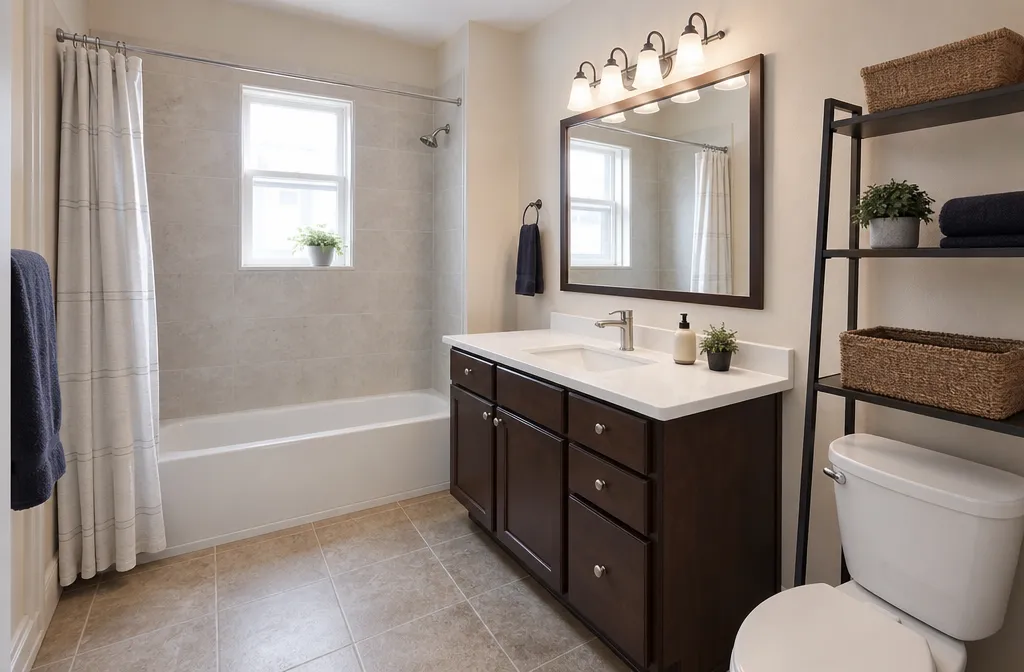
Request: Bathroom tiles lost their shine, developed film.
Done: Cleaned tiles and grout, removed soap scum.
Cost: 19 000 ₸
Master: Aliya Bekova, cleaning master
Total: Tiles shine, grout became light.
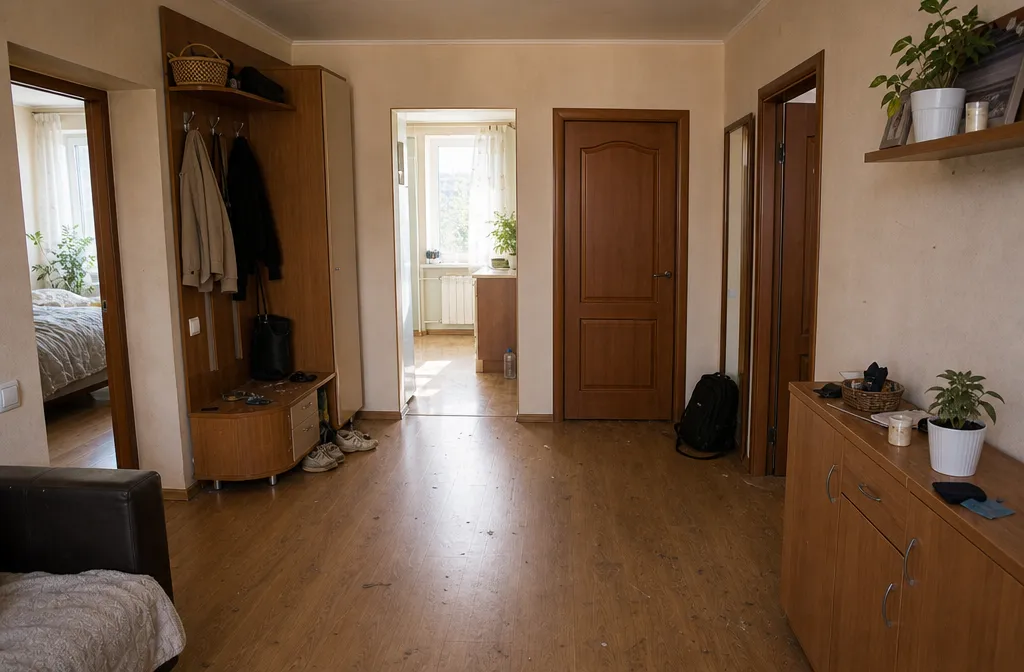
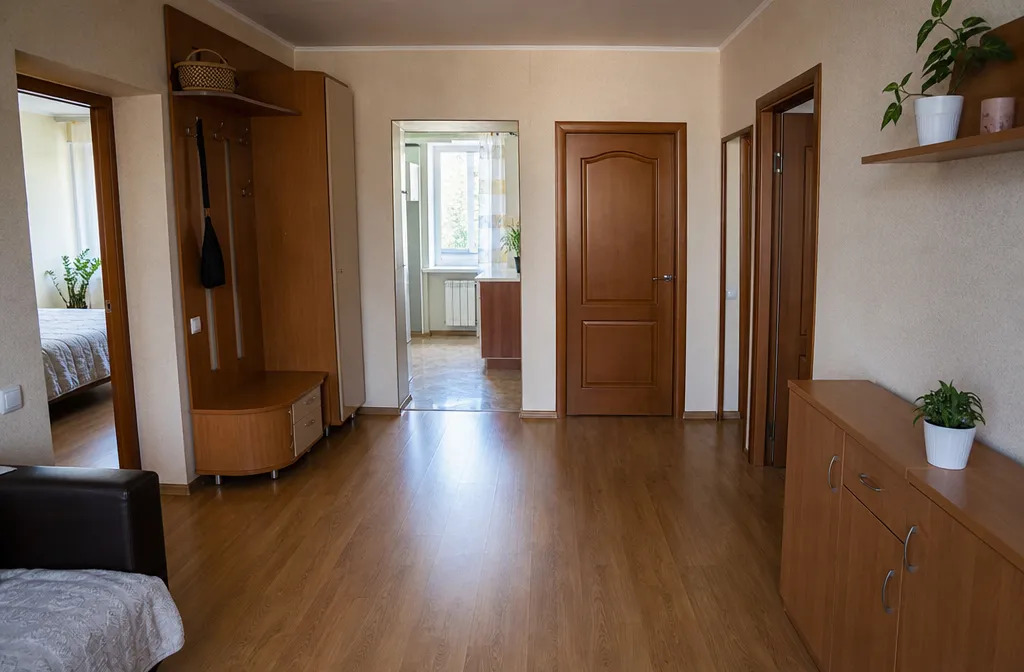 After
After
Request: Hallway floor lost its shine from sand and dirt.
Done: Washed floors with polishing compound, brought back gloss.
Cost: 18 000 ₸
Master: Marat Tulegenov, cleaning master
Total: Floor shines, hallway looks tidy.
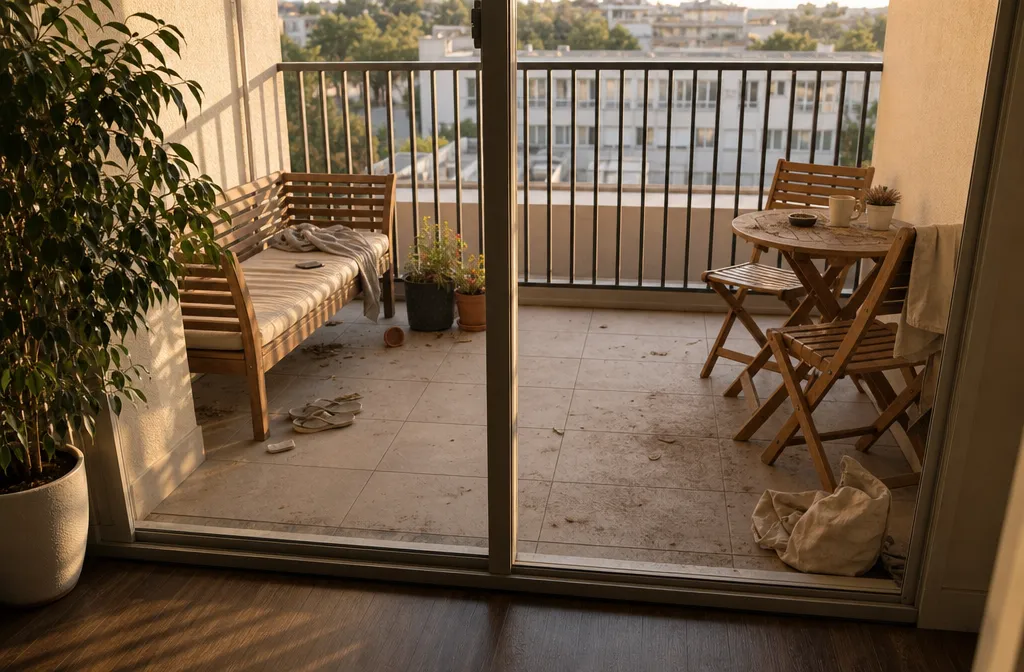
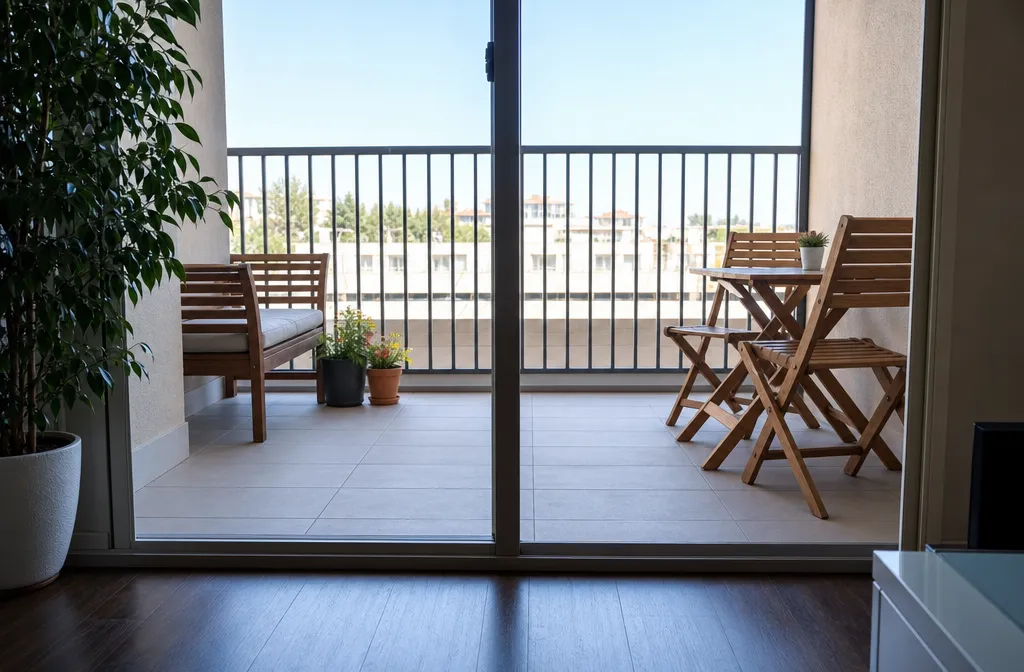 After
After
Request: The balcony has gathered dust, and you want to use it as a relaxation area.
Done: We took out the trash, washed the floor and railings, and wiped the walls.
Cost: 22 000 ₸
Master: Gulmira Akhmetova, cleaning master
Total: The balcony is clean and ready for furnishing.
 After
After
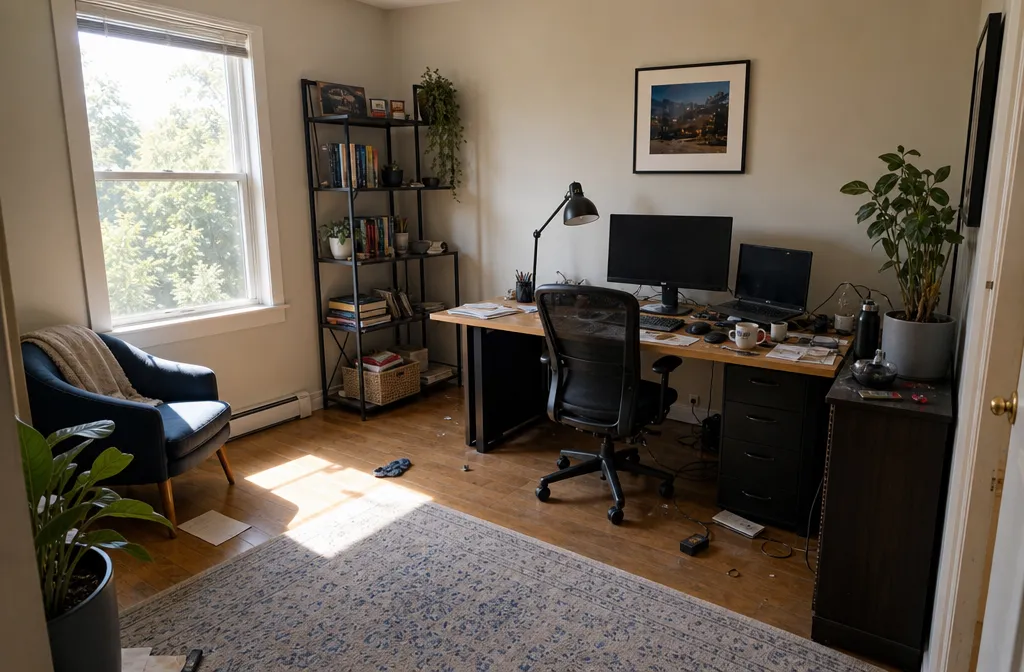
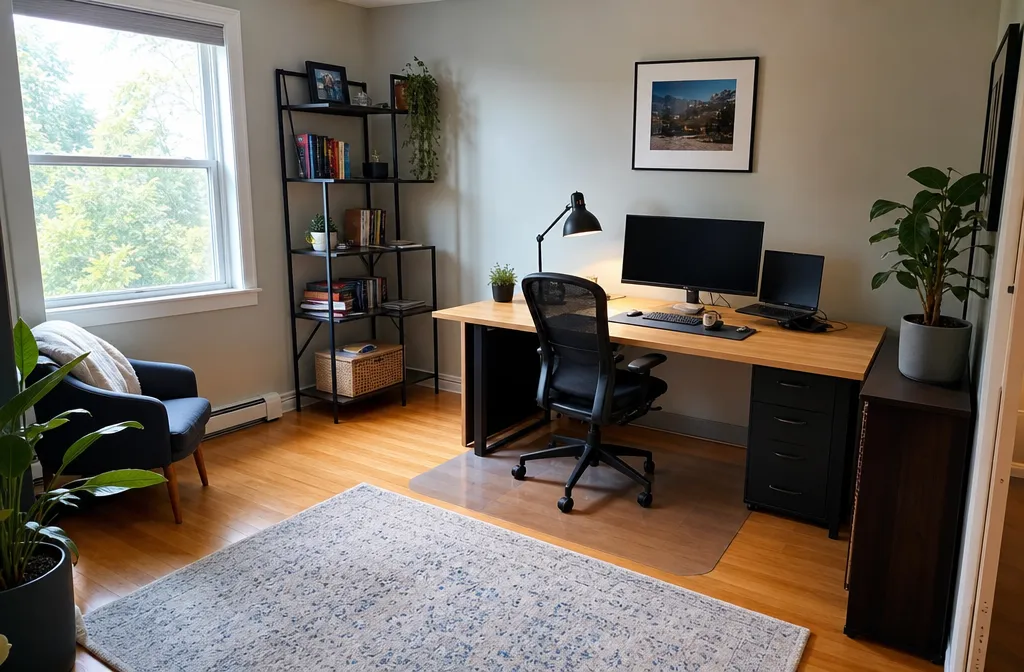
Request: The desk is cluttered, cleanliness is needed for productivity.
Done: We organized the space, wiped the electronics and furniture.
Cost: 19 000 ₸
Master: Nursultan Ibraev, cleaning master
Total: The desk is clean, everything is in its place.
 After
After
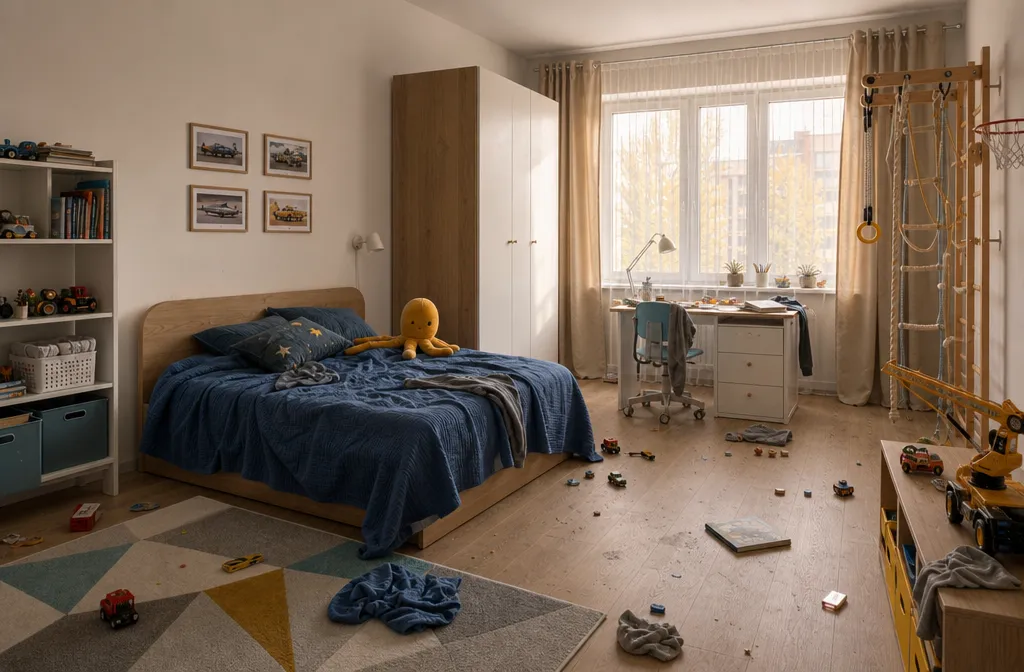
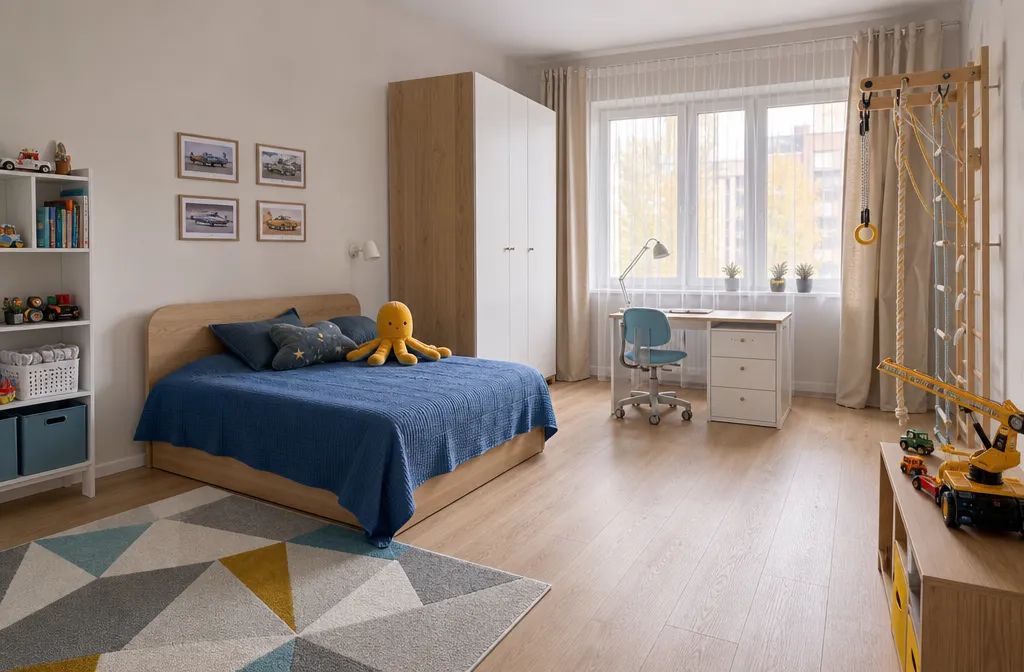
Request: Toys are scattered, no space to play.
Done: We sorted the toys, washed the floor and furniture.
Cost: 18 000 ₸
Master: Lyazzat Omarova, cleaning master
Total: The kids room is clean, toys are neatly arranged.
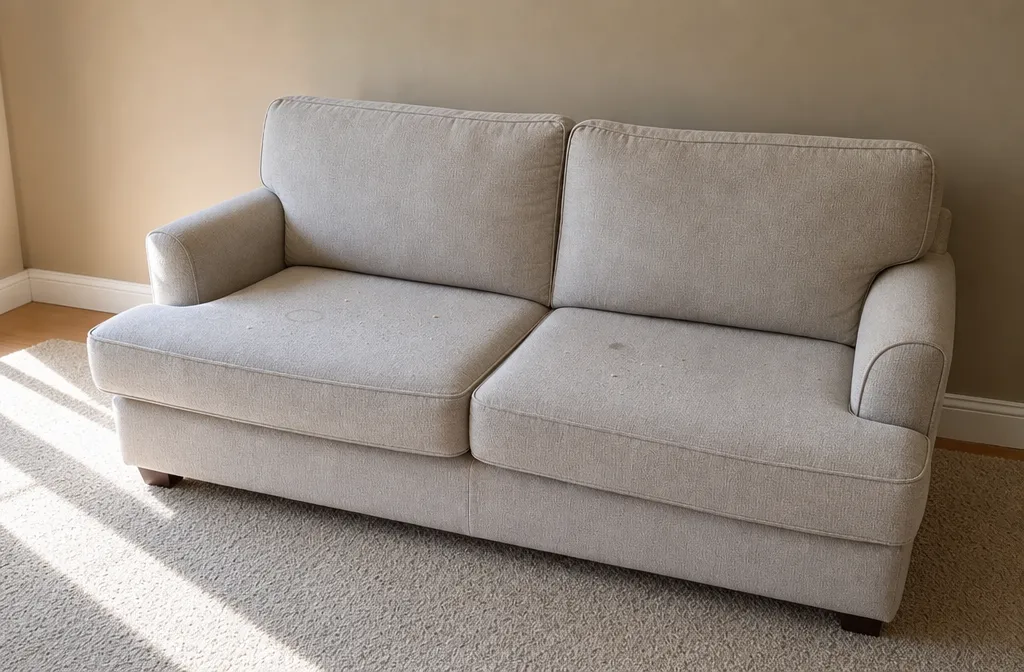
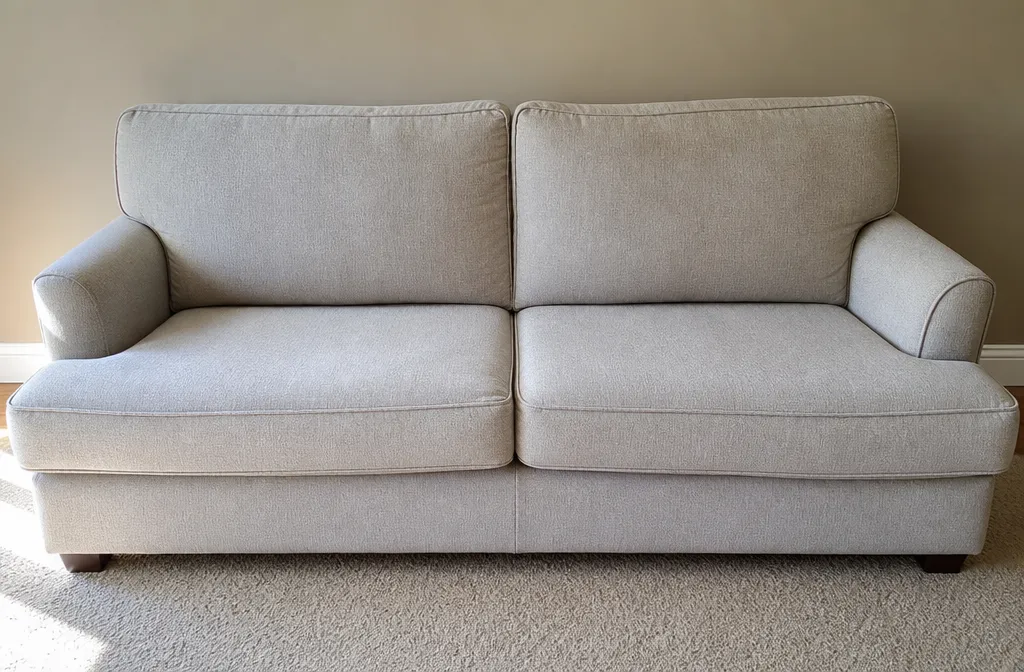 After
After
Request: The sofa has coffee and grease stains.
Done: We performed dry cleaning of the upholstery with stain removal.
Cost: 11 000 ₸
Master: Timur Zhaksybekov, dry cleaning master
Total: The sofa is clean, without stains or odors.
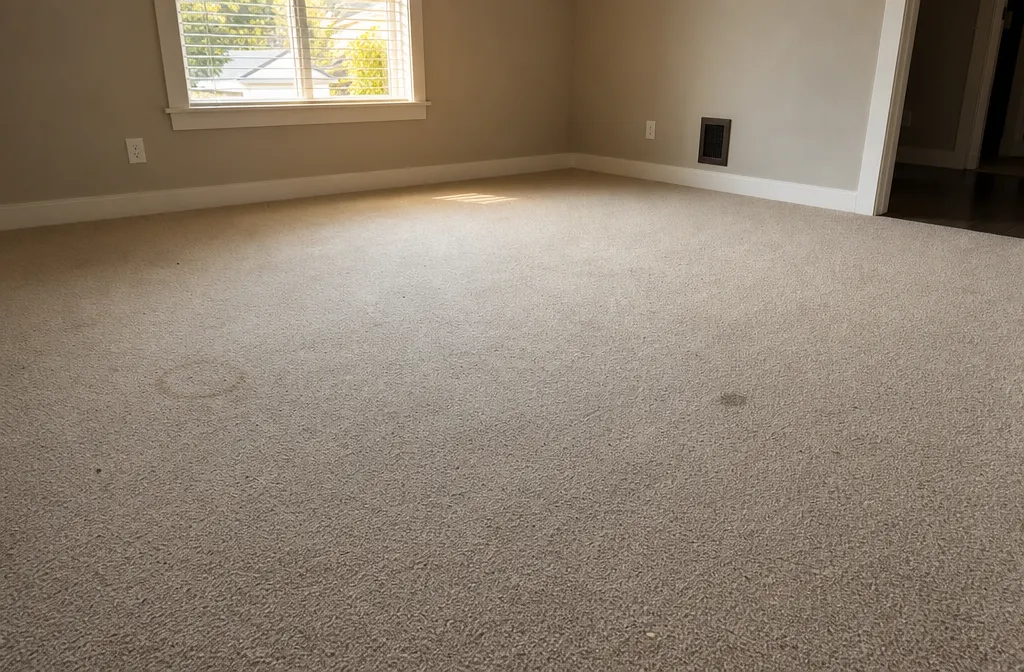
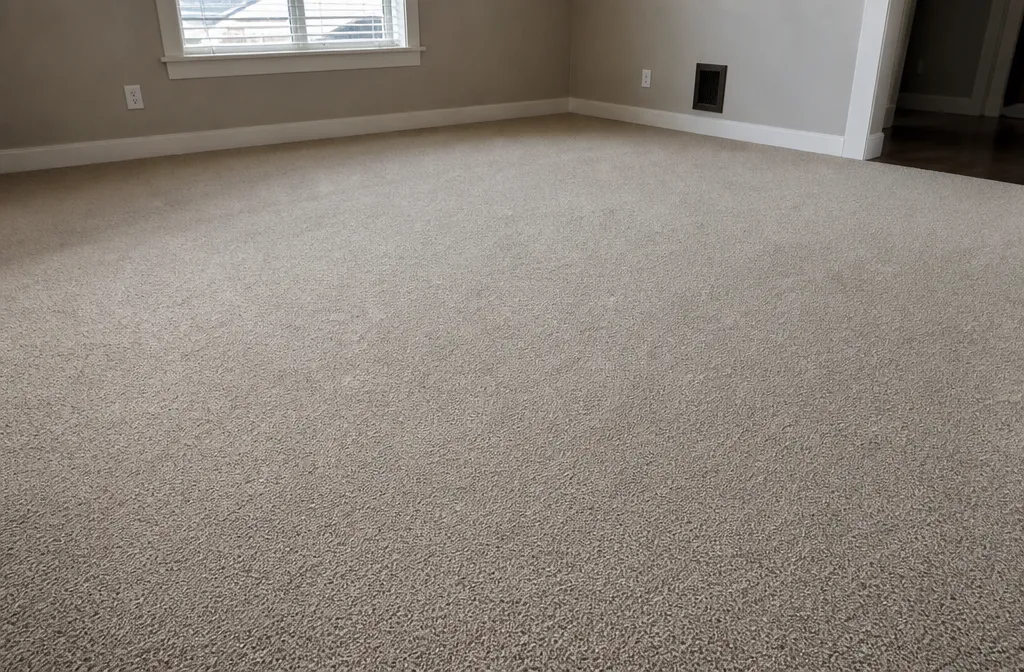 After
After
Request: The carpet has lost its color, dark paths have appeared.
Done: We cleaned the carpet with shampoo, removed ingrained dirt.
Cost: 19 000 ₸
Master: Aizhan Mukhamedzhanova, dry cleaning master
Total: The carpet has become bright and fluffy.
All cleaners are profi-clean staff with training, uniform and security check. Each order has a team leader who controls quality.
In Almaty apartments and offices, we encounter contaminants daily that cannot be tackled with a regular cloth and powder. Over 8 years of work at profi-clean, I have developed a clear classification of such stains — and for each, we have a proven method that is safe for surfaces.
Dried grease on the range hood, cabinet fronts, and tiles is not just a cosmetic defect but a sticky film that traps dust and soot. We apply an alkaline solution based on potassium soap (Sodasan) with a pH of 11-12, leave it for 5–7 minutes to soften, then remove it with a microfiber cloth using a longitudinal motion without circular rubbing. A second pass is done with distilled water and 3% acetic acid to neutralize the alkali and add shine to glass and stainless steel. On matte acrylic, a greasy mark is the most tricky: if you rub it with the rough side of a sponge, matte streaks will remain, visible under side lighting. That is why on glossy fronts we only use 300 g/m² microfiber cloths — they remove grease without scratching the lacquered surface. Before cleaning the tiles behind the range hood, we always check if the grout has come loose — hot steam from cooking often softens it, and aggressive chemicals can wash out the joints.
Wine, juice, coffee, ink, and markers — pigment stains require different strategies depending on the fiber. On synthetic carpets (polypropylene, polyamide), we use an oxygen bleach based on sodium percarbonate at 40°C — it oxidizes chromophores without damaging the pile. Natural wool and silk are a different story: alkali destroys keratin, so we use an enzymatic stain remover with protease (Kiehl Professional), which breaks down the protein base of the dye. In practice, the most challenging are old wine stains on hand-woven wool carpets: the pigment has already penetrated the fiber core, and a professional hot water extractor (temperature 55°C, pressure 3.5 bar) is essential. If the stain is older than three months, we warn the client: 100% removal is unlikely, but lightening it by 70–80% is achievable. Another nuance is gel pen ink on sofas: the alcohol base spreads if rubbed with a damp cloth, so we first blot it with a dry microfiber cloth, then apply 70% isopropyl alcohol pointwise with a cotton swab.
In Almaty apartments with poor ventilation (especially in older buildings on Abay Avenue and in the Samal microdistrict), mold on silicone seals in the bathroom and under the sink is a recurring issue. Fungal spores grow deep into the sealant, and surface wiping with bleach only masks the odor for a couple of days. We cut out the affected silicone with a utility knife, treat the joint with a fungicidal concentrate based on benzalkonium chloride (Kiehl Anti-Mould), and apply new plumbing silicone with an antifungal additive. On tile grout — if the mold is not deep — soaking with 15% hydrogen peroxide for 20 minutes followed by scrubbing with a stiff nylon brush helps. Importantly: after treating mold in the bathroom, we always wipe all rubber seals of the washing machine — spores settle there too, causing a musty smell during the next wash. In ground-floor homes (especially on Zharokova Street, where the basement often floods), mold can return within 2–3 weeks if the leak is not fixed — in such cases, we recommend waterproofing the joints and installing forced ventilation.
Yellow stains from cigarettes are not just pigment, but sticky resin that settles on wallpaper, plastic, and especially on matte stretch ceilings. On water-based paint, nicotine penetrates the pores, and ordinary soap and water only smears the stain. We use an alkaline degreaser with the addition of ethylene glycol butyl ether (Kiehl Nicotine Remover), which emulsifies the resin without damaging the latex paint. On stretch ceilings (PVC fabric) — only a contactless method: spray the compound, leave for 3 minutes, rinse with a steam cleaner at 120°C without touching the surface. If a room has been smoked in for years, not only color but also odor remains on the ceiling — after chemical cleaning of the walls, we run an ozonator for 2 hours (ozone 10 ppm) to break down nicotine molecules in the air. Another pitfall: on plastic window slopes, tobacco residue penetrates micropores, and after cleaning it may reappear a week later — in that case, we treat them with an antistatic polish that creates a barrier film.
Cement dust on double-glazed windows, drops of mounting foam on laminate, dried tile adhesive on porcelain stoneware — each material requires its own solvent to avoid damaging the surface. We clean glass with 10% citric acid — it dissolves cement streaks without the scratches a metal scraper would leave. On laminate, drops of mounting foam are first frozen with a refrigerant (spray with dimethyl ether down to -50°C) — the hardened foam becomes brittle and is removed with a plastic spatula without risk of damaging the HPL layer. Tile adhesive on porcelain stoneware — if less than 48 hours have passed, wash off with warm water and vinegar; if longer, use a remover based on orthophosphoric acid, but only on floor tiles (on glossy wall tiles it will leave matte spots). After removing construction film from windows, we always check the rubber seals — masking tape often remains underneath, which turns into a sticky mass over six months, removable only with white spirit followed by silicone lubricant.
Cat and dog owners in Almaty know: fur embeds into sofa upholstery, urine odor settles into the laminate underlayment, and saliva stains leave whitish marks on dark surfaces. We understand these contaminants at the molecular level — and explain which methods truly work against biological traces.
Pet fur is structured so that static electricity attracts it to any textile surface. A regular vacuum cleaner with a bag filter lets up to 30% of fine hairs back into the air — they settle on curtains, carpets, and upholstered furniture again within 15-20 minutes. In our practice, we only use industrial vacuum cleaners with HEPA H13 class filters, which capture 99.97% of particles up to 0.3 microns in size — this includes cat undercoat 5-10 microns thick. On long-pile carpets (10-15 mm), a rubber de-shedding scraper, which we apply manually before vacuuming, is also effective. “On sofas with velour upholstery, fur gets stuck between the fibers — it requires steam treatment at 120°C so the steam pushes the hairs to the surface, and only then vacuuming,” explains profi-clean senior technologist Aigerim Kassymova. Without this two-phase technique, apartment owners in the ‘Samal’ and ‘Almagul’ microdistricts spend up to an hour on a single armchair, with results lasting only a couple of days.
Urine stains from cats and dogs are not just moisture, but a concentrate of urea, creatinine, and urochrome that crystallize within fabric fibers within 6-8 hours. Ordinary chlorine or alkali-based cleaning products only mask the odor but do not destroy the crystals — when humidity rises (for example, during spring in Almaty with 60-70% humidity), the smell returns. At profi-clean, we use professional enzyme-based formulas with proteases and ureases that break down the protein compounds in urine into ammonia and carbon dioxide — this is the only way to permanently remove both the stain and the odor. On mattresses and sofas with foam padding, we additionally use extractor cleaning: the solution is applied under 6 bar pressure, then the dirt is suctioned out along with the dissolved crystals. “On oak parquet flooring in 1-464 series homes in the ‘Aeroport’ microdistrict, old dog urine penetrates to a depth of up to 3 mm,” comments Aigerim, “there we first treat with enzymes, wait 20 minutes, then sand the surface with a parquet sanding machine.” If the enzyme treatment stage is skipped, the smell will return within a month even after a thorough wet cleaning.
Animal saliva and skin secretions contain lipids and fatty acids that oxidize in the air, producing that characteristic “dog smell” or “cat odor.” In Almaty, where during the heating season radiators dry the air to 20-25% humidity, these oils set on surfaces faster — within 3-4 hours instead of 6-8. We use room ozonation with an ozone generator producing 3000 mg/h: ozone oxidizes odor molecules into harmless compounds, and after 40 minutes of airing, the smell disappears completely. On upholstered furniture and carpets, dry cleaning with a zeolite-based adsorbent is mandatory before ozonation — it absorbs oils that ozone cannot reach deep within the padding. In profi-clean’s cleaning for apartments with two or more dogs, we combine ozonation with steam treatment of textiles — this reduces the risk of odor recurrence by 4 times compared to dry cleaning alone. Owners of apartments on the first floors of buildings in the ‘Alatauskiy’ district often complain about smells from neighbors’ animals coming through the ventilation — there we additionally treat the intake grilles with an antibacterial spray containing silver ions.
Different materials absorb biological contaminants differently, and a universal method does not work. We have compiled a table of typical Almaty interiors and suitable techniques — based on 800+ post-pet orders over the last two years.
| Surface Type | Contamination Feature | profi-clean Method | Comment |
|---|---|---|---|
| Velvet and flock sofas | Hair gets stuck in micro-loops, urine absorbs into the foam | Steam cleaning at 120°C + enzyme impregnation + extractor | Without steam, hair remains in the pile even after vacuuming |
| Carpets with natural pile (wool/silk) | Urine destroys fibers, leaving yellow halos | Enzyme treatment + dry cleaning with zeolite + final rinse | Chlorine-based products destroy the structure of wool pile |
| Laminate and parquet | Liquid penetrates into joints and underlayment, causing swelling | Drying with a fan heater for 24 hours after enzyme treatment | Without drying, the underlayment begins to rot within 3-5 days |
| Leather sofas and armchairs | Saliva and grease leave a sticky film that darkens | Cleaning with pH 5.5 foam solution + conditioning with oil | Alcohol wipes remove the protective layer of the leather |
| Microfiber upholstery | Odor absorbs instantly but is the hardest to remove | Ozonation + dry cleaning with solvent extraction | Microfiber retains odor for up to 2 weeks without treatment |
In Almaty homes and apartments with panoramic windows and an abundance of textiles, we recommend performing anti-allergen cleaning every 3-4 weeks if there are pets in the house. This reduces the concentration of allergens Fel d1 (cat protein) and Can f1 (dog protein) by 85-90% compared to regular wet cleaning — especially important for families with children in the ‘Aksai’ and ‘Kazakhfilm’ microdistricts, where allergies occur in one out of every four children.
The smell of urine, tobacco smoke, mold, or stale grease is not just discomfort, but chemical compounds that eat into the structure of materials. At profi-clean, we use two main approaches: enzymatic treatment for biological contaminants and ozonation to neutralize volatile molecules.
Enzymes are biological catalysts that break down molecules of urine, vomit, or blood into water and carbon dioxide. Unlike household chemicals that mask the odor with fragrances, an enzymatic cleaner penetrates porous surfaces — parquet, sofa fabric, carpet — and destroys the source of the smell at the molecular level. Our in-house technicians use professional concentrates with a pH of 6-8, which do not damage the lacquer coating or discolor fabrics. Enzymes only work upon contact with liquid: we apply the product with a sprayer, leave it for 15-30 minutes for the reaction, then rinse it off with an extractor. On old urine stains in Almaty apartments, enzymatic treatment is 80-90% effective after the first pass, but for deep impregnation of the laminate underlayment, a repeat treatment is required after 24 hours.
Ozone is a gas with a powerful oxidizing effect that breaks down volatile organic compounds, including nicotine, ammonia, and mold spores. We use an industrial ozonator with a capacity of 3-5 grams of ozone per hour, which fills the room for 2-4 hours. Ozone penetrates textiles, upholstered furniture, ventilation grilles, and plaster — places that wet cleaning cannot reach. After treatment, the room is ventilated for 30-40 minutes, and the residual ozone breaks down into oxygen. An important nuance: ozone is toxic if inhaled, so the treatment is carried out in the absence of people and animals, followed by a mandatory concentration measurement with a gas analyzer. For lingering tobacco smoke odors in Almaty offices with stretch ceilings, we combine ozonation with washing the walls and ceilings with an alkaline solution — otherwise, the smoke condensate remains on the plastic.
The most persistent odors — for example, from cat urine in a concrete floor or from decomposition in a wooden frame — require the sequential application of both methods. First, we apply the enzymatic compound to porous areas and let it dry for 6-12 hours. Then we treat the room with ozone, which oxidizes the remaining volatile fractions. In Almaty apartments with Soviet-era layouts, the smell from under old linoleum is eliminated only after removing the covering and treating the concrete screed with an enzyme, followed by ozonation of the subfloor. If one of the stages is skipped, the smell will return within a week — especially in hot weather when evaporation accelerates.
Mold in the bathroom is not just an aesthetic defect, but a biological threat: spores enter the respiratory tract, cause allergies, and destroy grout and sealant. In Almaty, with its humidity fluctuations from dry summers to damp winters, fungus on tile joints and under the bathtub appears in 60% of apartments older than 10 years. At profi-clean, we use a three-layer protocol: diagnosis of the source, chemical and mechanical treatment, followed by barrier protection.
Household chlorine-based products (like bleach, Domestos) only kill the surface mycelium, leaving the root network of the fungus deep in the pores of the grout or under a layer of old sealant. Spores unaffected by chlorine germinate again within 2-3 weeks when humidity exceeds 60%. The real cause of recurrence is the alkaline environment of chlorine, which does not penetrate the micropores of cement grout to a depth greater than 0.3 mm. In Almaty houses with Soviet-era ventilation (natural exhaust in the bathroom), humidity stays at 70-80% year-round, making mold on the ceiling and tile joints a chronic problem. We use acidic and enzymatic compounds based on hydrogen peroxide and lactic acid, which penetrate 2-4 mm deep into the joint and destroy the cell walls of the fungus at the molecular level. Before applying any product, we must dry the area with a technical hairdryer to 40°C — a damp environment blocks the action of any fungicide.
Grout and silicone sealant are fundamentally different materials with different chemical resistance, and a one-size-fits-all approach to treating them leads to coating destruction. Cement grout is a porous mineral that absorbs the product like a sponge, and to completely eliminate mold, 2–3 applications of an acidic concentrate with a dwell time of 10–15 minutes are sufficient. Acrylic sealant is a smooth polymer; spores do not attach to it, but if the fungus has already grown under the sealant layer (through micro-cracks), external treatment is useless. In such cases, we completely remove the old layer with a mechanical scraper, clean the joint with an antiseptic containing a biocide (contains benzisothiazolinone), dry it for 6–8 hours, and apply a new sanitary sealant with a fungicidal additive. The mistake we see in 80% of Almaty apartments: applying bleach over black sealant; a month later, black spots appear on the adjacent area — the spores have migrated through the capillaries inside the seam. Our recommendation: if the sealant has turned black over an area longer than 10 cm, it needs to be completely replaced, not painted over.
Mold spores settle on fan blades, in the exhaust duct corrugation, and under the shower tray — places where a regular cloth can’t reach and moisture stagnates for years. In Almaty homes of the P-46 and 1-464 series, the ventilation duct is often clogged with construction debris, reducing air exchange to 10–15 m³/h instead of the standard 60 m³/h for a bathroom. Before cleaning, we check the draft with an anemometer: if it’s below 20 m³/h, we recommend cleaning the duct by a separate service; otherwise, all our efforts will be nullified within a month. In the area under the bathtub and behind the toilet, we use a steam cleaner with a steam temperature of 140°C and an angled nozzle: the steam knocks spores out of cracks and simultaneously dries the surface. After steam treatment, we apply an alcohol-based aerosol biocide — it evaporates in 20 minutes and leaves no sticky layer that attracts new dirt. On the joint between the tile and the bathtub, where black deposits usually accumulate, we record the result with a photo — if after 24 hours dark traces remain on a white cloth when wiping, the treatment is repeated with an increased product dwell time of up to 20 minutes.
The most common mold hotspots in Almaty apartments are not on visible walls, but in hidden areas that owners don’t check for years. Under the sink, where the siphon and corrugation create constant condensation, fungus develops on the cabinet plywood and rubber gaskets — replacing the gasket with a silicone one and installing a drip catcher solves the problem 90% of the time. Behind the mirror and on the back wall of the cosmetic cabinet, spores germinate due to poor air circulation — we treat these surfaces with a long-lasting antiseptic (up to 6 months), and advise the client to leave the door slightly open at night. On the ceiling above the bathtub, mold often masquerades as dirt: if you wipe it with a damp cloth and the spot doesn’t disappear — it’s fungus, and it needs to be mechanically cleaned followed by impregnation with a fungicidal primer. In homes with stretch ceilings, spores accumulate behind the fabric, and the only way to remove them is to dismantle the light fixture and treat through the technological opening with a flexible hose and sprayer, which we do without removing the fabric. Our practical advice: once a month, wipe all rubber seals and joints with a dry microfiber cloth — spores need moisture, and regular drying disrupts their life cycle.
Renovation in an Almaty apartment leaves behind not just construction debris, but three fundamentally different types of contamination — cement deposits, dried paint drips, and fine dust that penetrates every pore of surfaces. Each type requires its own approach, chemicals, and tools, and a mistake at one stage can permanently set the contamination. We have broken down the three key groups of contaminants and how profi-clean professionals handle them.
A cement stain on tiles or laminate should not be wiped with a wet cloth — moisture activates the alkali in the cement, causing it to penetrate deeper into the material’s structure. For removal, we use specialized acidic compounds based on phosphoric or hydrochloric acid with corrosion inhibitors, which dissolve cement residue without damaging the gloss of porcelain stoneware or grout joints. On polished surfaces (marble, travertine in the lobbies of the “Nurly Tau” or “Akbulak” residential complexes), acid is prohibited — it leaves matte marks that cannot be polished out without regrinding. In such cases, we work mechanically: a plastic spatula at a 30-degree angle plus a specialized cement remover with a pH of 5–6, which does not react with calcite. On wooden floors (parquet board, engineered wood), cement splatters are removed only after softening with water and a neutral detergent — dry scraping strips the lacquer coating. In our practice, there was a case at the “Astana” residential complex on Abay Avenue: the client independently scraped cement off the laminate with a metal scraper, leaving scratches on 12 boards that had to be replaced. If cement has hardened on windows, we use a concentrated glass cleaner labeled “anti-cement” and a microfiber cloth, but not abrasive sponges that scratch the glass.
Water-based emulsion paint can be washed off with warm water if no more than 48 hours have passed since painting — after that, the polymer film sets, and a specialized remover based on glycol ethers is needed. We remove acrylic and latex compounds from tiles and plumbing fixtures using an organic solvent (white spirit or “646”) — it softens the film in 3–5 minutes, after which the paint is removed with a plastic scraper without the risk of scratching the bathtub enamel. Oil-based paint on old radiators and door frames is the most challenging case: it does not dissolve with standard removers; we use a gel-based compound with methylene chloride, applied for 15–20 minutes, then the softened paint is removed in layers. In Almaty apartments with Soviet-era finishes (districts “Samal”, “Almaly”), combined contamination is common: oil-based paint over water-based emulsion — removal requires two passes. On plastic windows and windowsills, paint drips are removed only after testing on an inconspicuous area: some PVC profiles react with the solvent by turning yellow. We use a specialized compound for PVC labeled “safe for plastic” and a soft, lint-free cloth. An important rule: paint on drywall is not cleaned mechanically — it absorbs together with the primer into the top layer of gypsum, and the only way to remove the stain is to carefully sand it with P120 sandpaper and repaint. Before painting walls, we always recommend that the client protect the floor and furniture with stretch film — removing dried paint from fabric or carpet is nearly impossible without damaging the pile.
Construction dust isn’t just “dirt”—it’s a mixture of concrete, gypsum, putty, and quartz sand particles ranging from 0.1 to 100 microns. The coarse fraction (cement-sand) settles within 2–3 hours, the medium fraction (gypsum) hangs in the air for up to 12 hours, and the fine dust (quartz) remains airborne for up to 72 hours without ventilation. In Almaty apartments with concrete walls (series “1-464”, “1-447”), wall chiseling releases up to 40 grams of dust per meter of groove, which settles on vertical surfaces—cabinets, cornices, and inside computer system units. We use industrial vacuum cleaners with HEPA H13 filters that capture 99.97% of particles as small as 0.3 microns—a regular household vacuum cleaner blows fine dust back into the air. The first pass is dry cleaning with a brush attachment on all surfaces from top to bottom, the second is wet cleaning with microfiber and a pH-neutral agent that binds residual dust. The third pass is wiping windows and mirrors without streaks: an oily film from construction aerosols (mounting foam, sealant) settles on them, and regular cleaning agents can’t handle it—an alcohol-based solution that evaporates without a trace is needed. If the apartment has supply ventilation (breezers, valves), filters clog up after just one renovation—we remove them and wash or replace them, otherwise dust will circulate around the apartment for another month. Tip: after renovation, don’t turn on the air conditioner for cooling for the first 2–3 days—the evaporator gets clogged with dust, and its smell will spread through the rooms every time it’s turned on.
Maintaining cleanliness between professional cleanings can be done without extra effort—just adopt a few simple habits that reduce the rate of dust, grease, and stain buildup. We’ve gathered practical tips tested at profi-clean sites in Almaty.
The most effective way to reduce contamination is to prevent it from setting in. In the kitchen, apply a protective film or a transparent silicone scraper to the backsplash and countertop—oil and sauce drops won’t seep into tile joints and can be removed with a single wipe of a damp cloth. In the sink area, use a microporous rubber mat—it catches splashes and prevents limescale buildup on the faucet. At the entrance door, lay a dirt-trapping mat with 10–12 mm pile: studies show it retains up to 85% of street dirt, sand, and de-icing agents, preventing them from spreading throughout the apartment. In the bedroom and living room, treat upholstered furniture every two days with a lint roller—this removes pollen, pet hair, and dander before they settle deep into the fabric. This approach reduces the frequency of deep cleanings by one and a half to two times without sacrificing quality.
A regular microfiber cloth leaves streaks and spreads bacteria across surfaces if not changed after each room. We recommend using wipes with different fiber densities: 300 g/m² for wet cleaning the kitchen and bathroom, 200 g/m² for dry dusting in the living room. For floors, it’s better to buy a mop with a wringing mechanism and replaceable pads—it collects dirt rather than spreading it. In Almaty, where sand from de-icing agents remains on shoes in winter, microfiber pads with 8 mm pile are especially effective: they capture even fine abrasive particles that scratch laminate and tile. After mopping the floor, rinse the pad in clean water with added vinegar (50 ml per 5 liters of water)—this neutralizes residual alkalinity from the cleaning agent and prevents white film buildup on dark surfaces.
Textiles are the main accumulators of dust and allergens. Curtains made of dense fabric (velvet, jacquard) are sufficient to vacuum once a month with a soft brush attachment, while tulle should be washed at 30 °C without spinning to avoid deforming the fibers. Carpets with long pile (20–30 mm) require more frequent care: once a week, treat them with a dry shampoo in foam form — it absorbs dirt and odors, and is then removed with a vacuum cleaner. To maintain fresh air during the off-season, when humidity is high in Almaty and humidifiers are in use, employ air purifiers with HEPA filters of class H13 — they trap 99.95% of particles up to 0.3 microns in size, including mold spores and poplar pollen. If you don’t have an air purifier, ventilate the room for 10 minutes every 3–4 hours, opening windows for micro-ventilation — this reduces the concentration of volatile organic compounds from furniture and household chemicals by 30–40% within an hour.
Corners behind the refrigerator, top shelves of cabinets, and the space under the bathtub are zones where dust and mold accumulate unnoticed but quickly. Once a month, wipe these areas with a cloth using an anti-static spray based on isopropyl alcohol (concentration no higher than 10%) — it neutralizes static electricity, causing dust to settle more slowly. Under the bathtub and sink, place silica gel packets or containers with coarse salt — they absorb excess moisture, preventing the appearance of black mold on tile joints and silicone seams. In ventilation grilles, once a quarter, remove the cover and vacuum the inner cavity with a brush attachment: if the exhaust fan gets clogged, humidity in the bathroom rises to 80–85%, which promotes fungal growth. In the kitchen, install a removable aluminum splash guard behind the stove — it catches oil splatters and is easily washed in the dishwasher, protecting the wall from stubborn grease that later requires professional chemical cleaning.
I ordered cleaning after renovation — they washed construction dust everywhere, even on chandeliers. Very satisfied.
Thank you, Aigerim! Glad we handled the renovation aftermath.
They cleaned the office. Clean, but I had to remind about baseboards.
They did a deep clean of the house — washed windows on both sides, cleaned carpets. Excellent result.
Thank you, Daniyar! Always happy to help.
They arrived on time, cleaned everything to a shine. Now I only use you.
Zhanna, thank you for your trust! We look forward to seeing you again.
We cleaned the premises in our store — polished the floors, wiped the display cases. Visitors noticed.
Cleaned up after a party — finished in 2 hours, even though the mess was impressive.
Assel, glad we could help! Feel free to reach out again.
Ordered office cleaning. Overall clean, but a bit of dust remained in the corners.
Kuanysh, noted. Next time we'll pay more attention to corners.
I used to clean myself, but decided to try professionals — the difference is huge. Windows are perfect.
Needed warehouse cleaning. The team arrived and cleaned everything quickly.
Timur, thanks for the review! We work efficiently.
Cleaned before guests arrived — everything sparkles. Especially liked the kitchen hood.
Gulnara, glad you appreciated it! Always ready to help.
We regularly order office cleaning. Always clean, employees are happy.
After cleaning, I found my favorite bracelet that I lost a month ago! Thanks for the find.
Olga, glad we helped not only with cleanliness! We treat belongings with care.
Did the cleaning. Good, but forgot to wipe the blinds.
Aidar, sorry for the oversight. Next time we'll include them in the list.
They cleaned my studio — small but dirty. Removed all the trash, now it's like new.
Ordered cleaning for a grocery store. Floors are shining, counters are clean. Thank you!
Ruslan, glad you liked everything. Contact us again.
Overall good, but there was dust left on the cabinets. The rest was excellent.
Svetlana, we'll take note. We'll strengthen control of high surfaces.
They cleaned our office after moving. Everything was washed, even under the furniture.
Pleasantly surprised by the speed and quality. Now ordering once a month.
Aliya, thank you for your loyalty! Always at your service.
Ordered cleaning. They arrived late and cleaned not very thoroughly. Had to redo.
Bakhyt, we apologize. We'll take measures to prevent recurrence.
The kitchen shines, the stove is cleaned of old grease. Thank you for your work!
Needed a general cleaning of the warehouse. Handled it in a day, now it's tidy.
Arman, thank you for the review! Glad to help.
Cleaned before handing over the apartment — the tenants were thrilled with the cleanliness.
We order weekly cleaning of the premises. They have never let us down.
Yevgeniy, thank you for your trust! We strive to maintain the standard.
On average, cleaning a one-bedroom apartment takes 1.5–2 hours, a three-bedroom apartment takes 3–4 hours. The time depends on the level of dirt and additional services.
Yes, we use organic Sodasan and certified Kiehl products. After cleaning, we ventilate the room; all compounds are safe.
Yes, if you order before 12:00 PM, we arrive on the same day. In urgent cases, arrival within 2 hours is possible.
Leave a request on the website, via WhatsApp, or call. The manager will clarify details and set a time. Payment by cash, Kaspi, or Halyk.
Just remove fragile items and personal belongings. We'll do the rest: rearrange furniture, move appliances.
Yes, balcony and storage room are included in basic cleaning. If deep cleaning is needed, specify when ordering.
We insure liability for 10 million tenge. If any issues remain after cleaning, we will redo it for free within 24 hours.
Yes, we sign contracts and provide closing documents. Regular office cleaning on a subscription basis is available.
Disinfection includes treating all surfaces with Karcher steam and antibacterial agents. Special attention to door handles and switches.
Yes, when ordering 4 or more cleanings per month, a 10% discount applies. For regular customers, price is fixed.
Tell us about your experience with profi-clean — it helps other clients and us improve.
We currently operate in Almaty. Other cities are coming soon.